
Volcano Made This — How a Rift Valley lake petrified a myth
Lake Natron in Tanzania glows blood-red, forged by volcanoes and extreme chemistry. Its alkaline waters preserve animals like stone while flamingos thrive in a deadly Rift Valley marvel.
- Jan 15, 2026,
- Updated Jan 15, 2026 12:03 PM IST

- 1/9
Blood Mirror
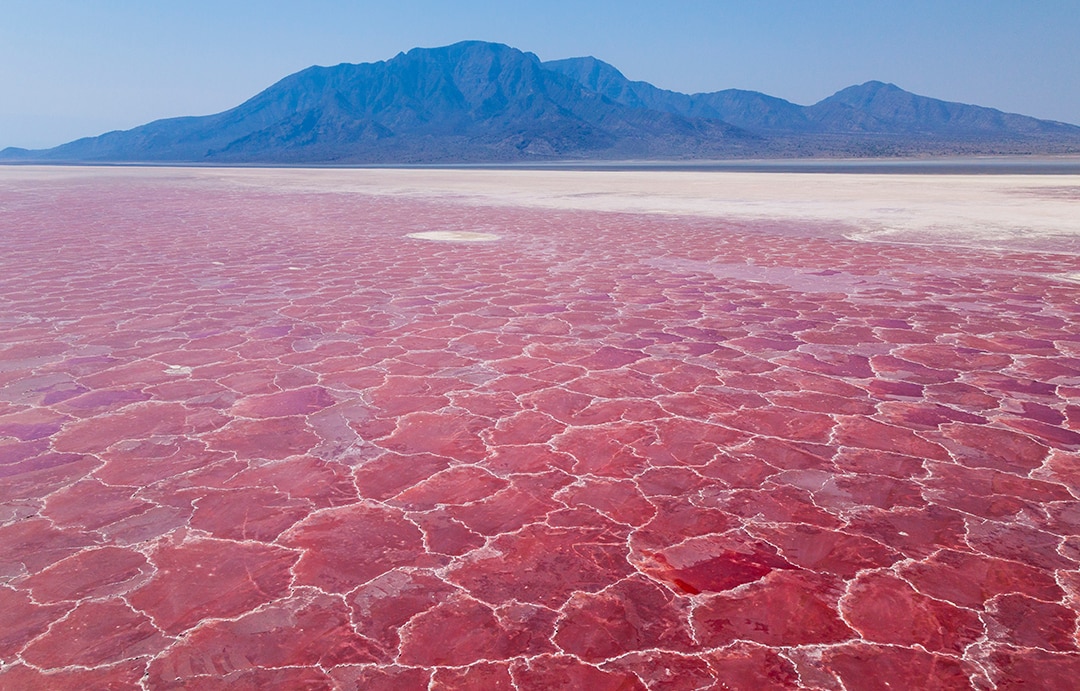
From the air, Lake Natron looks less like water and more like a wound—scarlet flats streaked with salt, shimmering under equatorial heat. Pilots spot it miles away, a warning flare written by geology. Scientists say the color spikes with evaporation, when minerals concentrate and microbes bloom.
- 2/9
Volcanic Birth
The lake’s origin reads like a tectonic thriller. Ripped open by rifts and fed by volcanoes, Natron formed alongside Ol Doinyo Lengai, the Maasai “Mountain of God.” Hot springs still bleed sodium carbonate into the basin, keeping the chemistry caustic and the story very much alive.

- 3/9
Chemical Curse
A pH hovering around 10.5 turns the water into liquid lye. Biologists warn it can burn eyes and skin, strip oils from feathers, and overwhelm lungs. The lake doesn’t attack—chemistry does. Step wrong, and nature’s quiet reaction becomes lethal without a splash or scream.
- 4/9
Stone Bodies
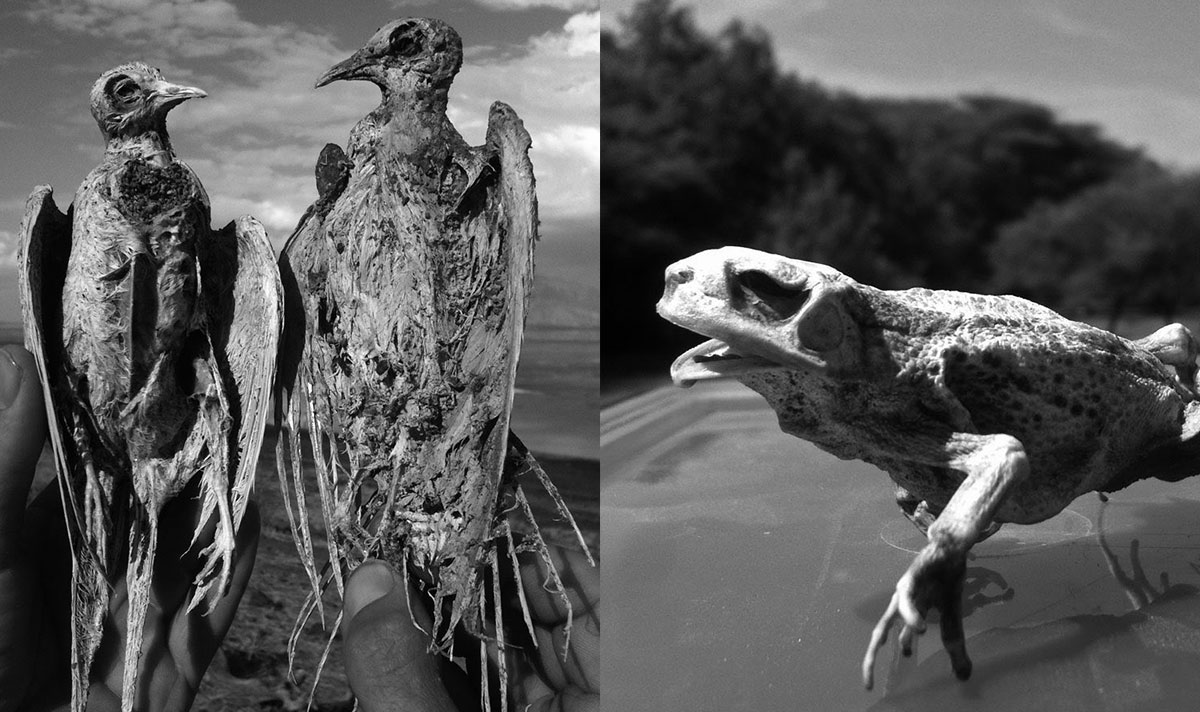
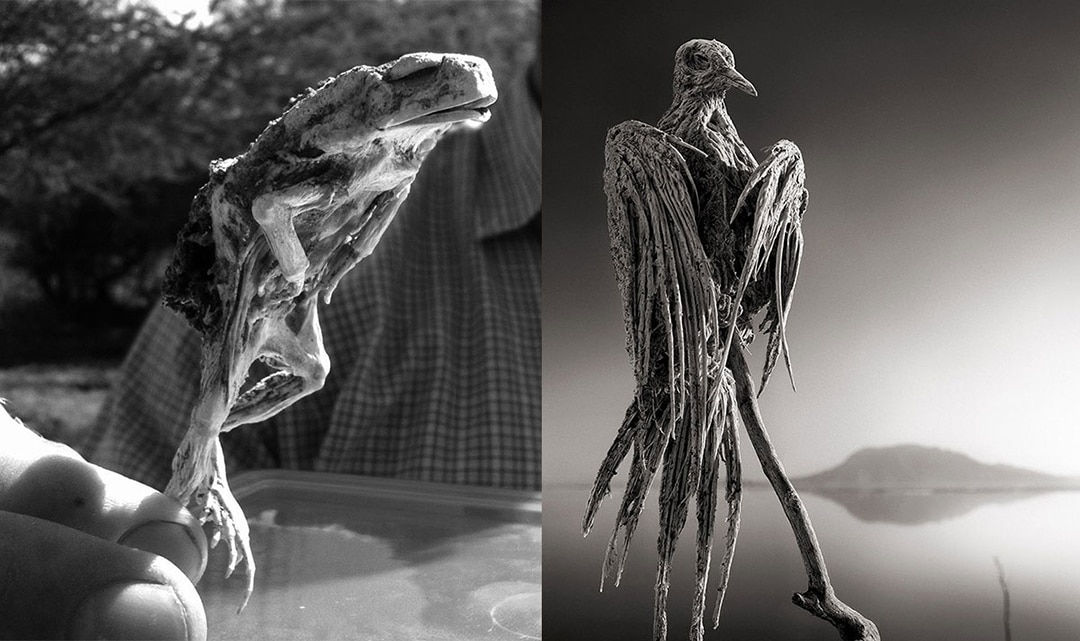
Photographs from Nick Brandt shocked the world: birds and bats frozen mid-flight, statues on salt. Sodium carbonate—once used by ancient Egyptians for mummification—desiccates flesh and preserves form, creating the illusion of instant petrification while decomposition is put on pause.
- 5/9
Slow Death
Contrary to viral myths, animals don’t drop dead on contact. Researchers say the water gradually leaches fat and moisture, dehydrating victims over time. Death comes later, and the lake keeps the receipts—stiff, chalky bodies staged by chemistry, not magic.

- 6/9
The crimson hue isn’t just minerals. Haloarchaea and cyanobacteria thrive here, pumping pigments that intensify as salinity rises. Microbiologists call it an extreme ecosystem—a living laboratory where life doesn’t merely survive the hostile brew, it dyes it.
- 7/9
Flamingo Fortress
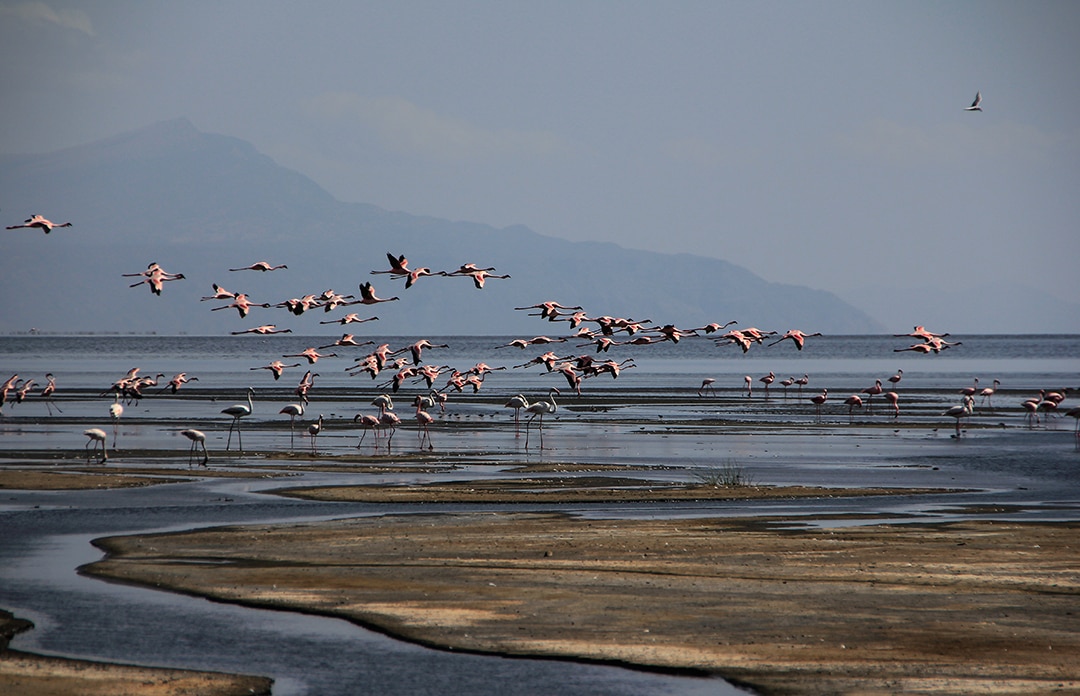
Millions of lesser flamingos turn danger into defense. They feast on algae, nest on isolated flats, and raise chicks where predators won’t tread. Ecologists say Natron’s toxicity is a moat—one of nature’s cruelest, smartest sanctuaries—painting the lake pink with life each season.

- 8/9
Terminal Trap
Natron has no outlet. Fed by small rivers and hot springs, it only loses water to the sun. As temperatures climb past 40°C, salts concentrate, hazards multiply, and the lake tightens its grip—an end-of-the-line basin where mistakes accumulate.

- 9/9
Myth Echoes
The images invite fantasy—Hogwarts curses and basilisk stares, à la Harry Potter and the Chamber of Secrets—but the truth is colder. No spell, no instant stone. Just physics, chemistry, and a landscape that looks supernatural because it obeys its own rules.