
World’s Biggest Reserves, Empty Rigs — How Venezuela’s oil promise keeps slipping away
Despite holding the world’s largest oil reserves, Venezuela’s production has collapsed as sanctions, blackouts, mismanagement, and politics turn vast energy wealth into unrealized promise.
- Jan 5, 2026,
- Updated Jan 5, 2026 4:25 PM IST
- 1/9
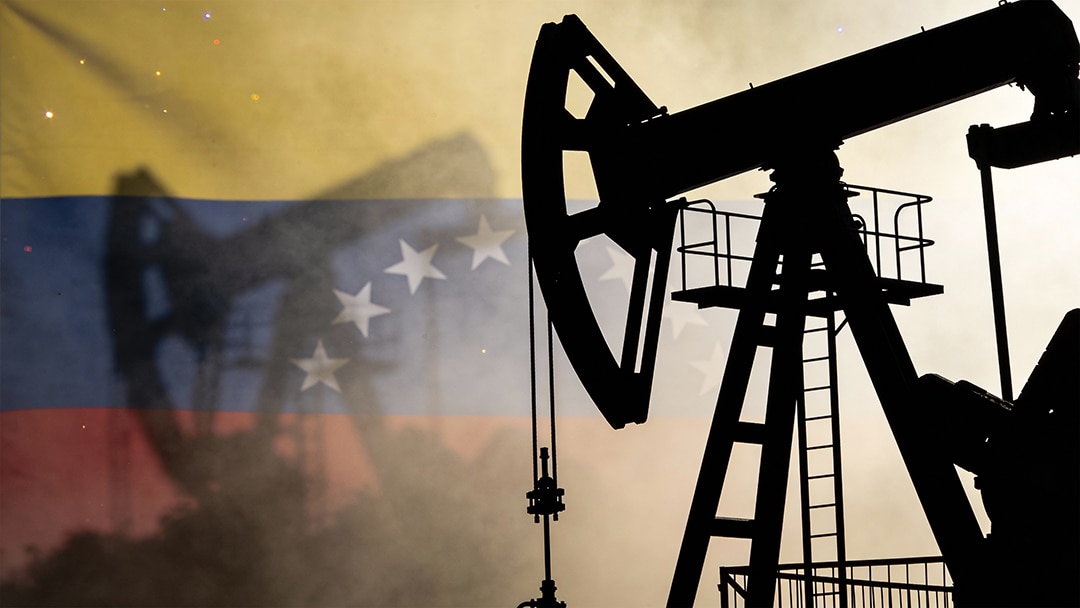
Venezuela sits atop an oil endowment so vast it rewrites global rankings—about 17% of the planet’s known crude, more than even Saudi Arabia, per the Energy Institute. Yet the wells whisper instead of roar, choked by sanctions, decay, and years of underinvestment that turned abundance into inertia.
- 2/9
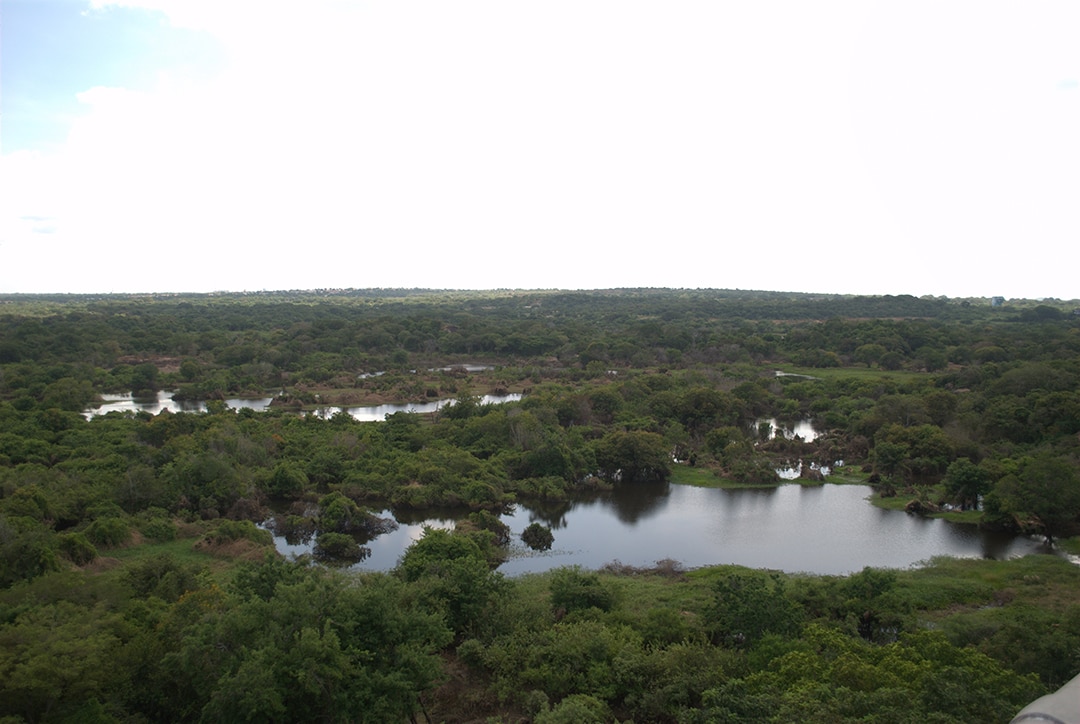
Most reserves lie in the Orinoco Belt—thick, tar-like crude that is costly to upgrade and slow to move. Technically straightforward, experts say, but capital-hungry and infrastructure-starved. It’s oil that promises riches on paper while draining cash on the ground, a geological blessing that behaves like an economic curse.
- 3/9
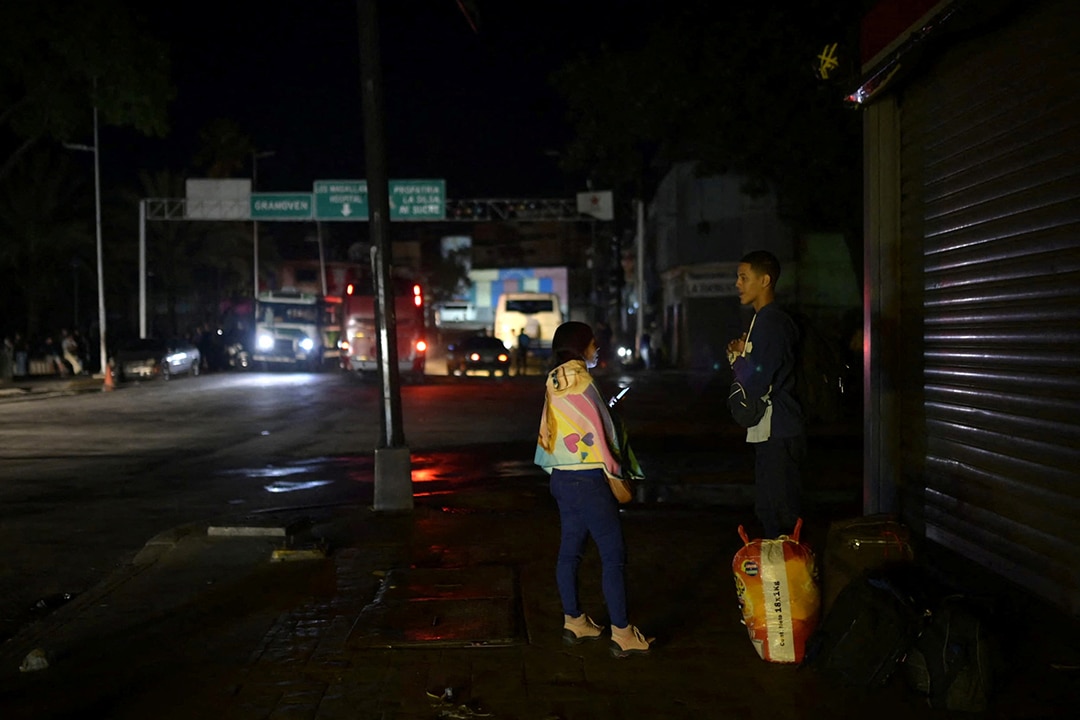
Blackouts don’t just darken homes—they silence rigs and mines. Chronic electricity failures have repeatedly halted pumps, crushers, and processing plants, leaving billions underground. In a country where energy scarcity kneecaps energy production, every outage ripples through oil fields and mineral belts alike.
- 4/9
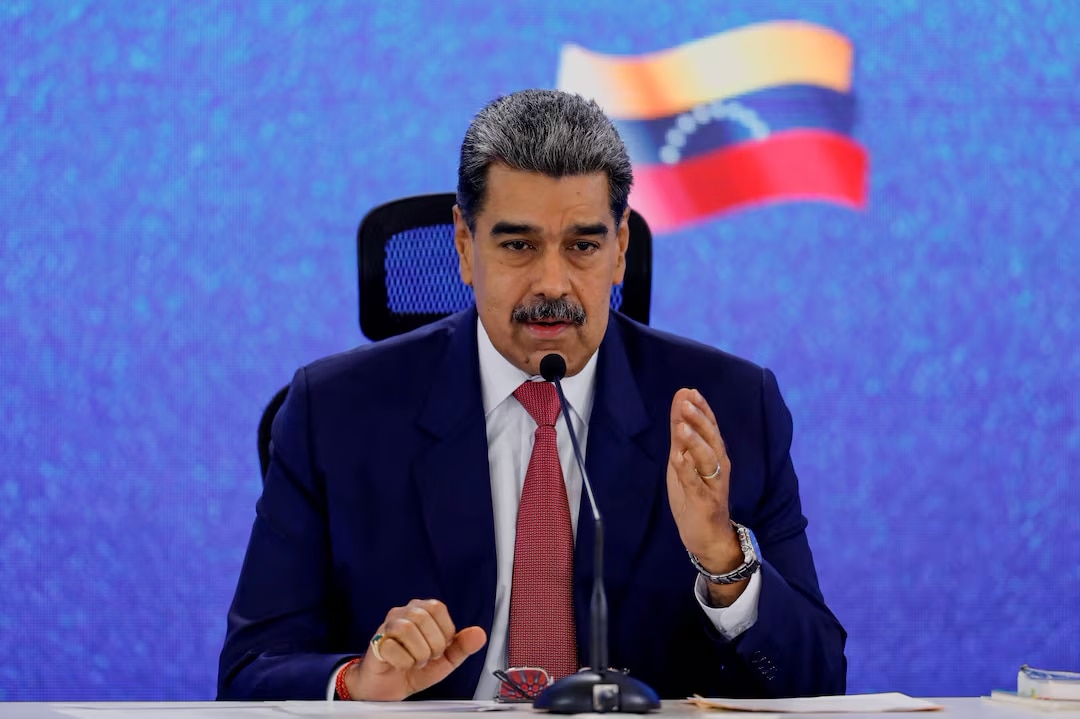
In 2019, under Nicolas Maduro, Caracas pitched mining as oil’s understudy: gold, iron, coal as fiscal lifelines. But muddled data blurred “reserves” and “resources,” unsettling investors. The promised mineral boom shimmered—then stalled—raising doubts about how much wealth is truly recoverable.
- 5/9
A founding member of OPEC once pumping 3.5 million barrels a day, Venezuela now hovers near one million—roughly North Dakota’s output. The collapse is historic, and any rebound, analysts warn, would crawl rather than sprint, even if politics suddenly aligned.
- 6/9
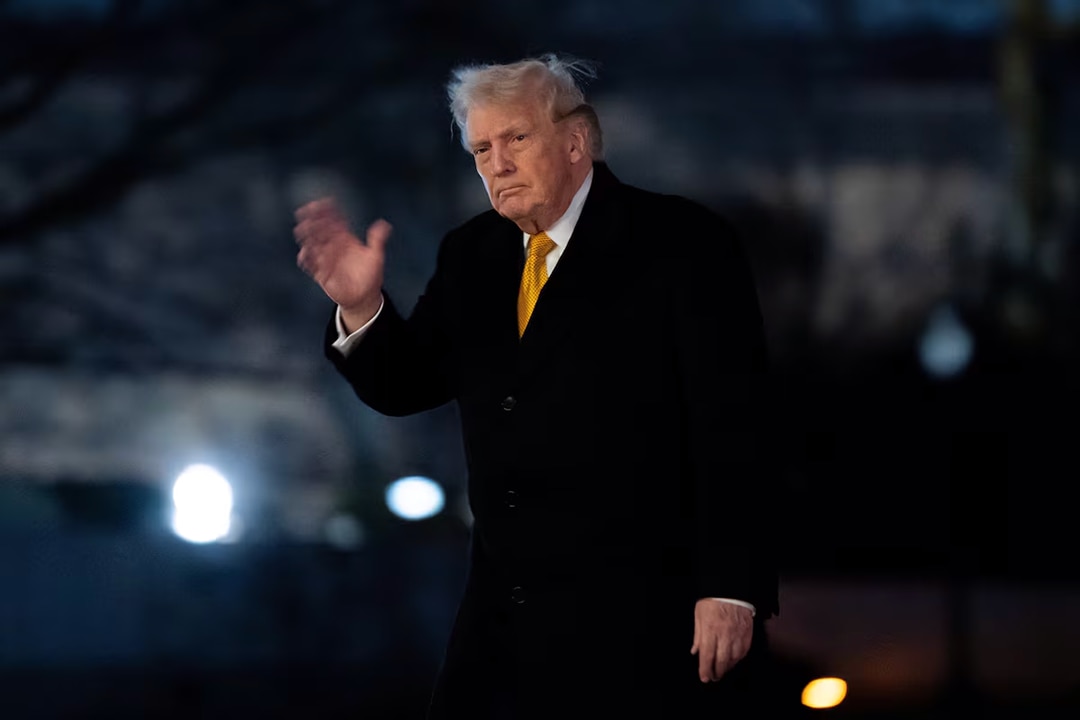
The shock claim that Donald Trump ordered U.S. forces to capture Maduro jolted oil markets with a familiar question: does regime change mean more barrels? As Rystad Energy notes, Libya and Iraq show recovery is slow, fragile, and rarely linear.
- 7/9
Oil was nationalized decades ago under PDVSA, locking the state at the center of every barrel. Foreign firms were sidelined or expropriated, and only select joint ventures survived. That tight grip preserved sovereignty—but scared capital away just when technology and cash were most needed.
- 8/9
Among the few still standing is Chevron, partnered with PDVSA in hopes of coaxing output higher. China and Russia loaned billions, repaid in crude hauled by supertankers now idling offshore. When exports pause, debts loom larger—and geopolitics steers the flow.
- 9/9
Beyond its borders, Venezuela owns prized assets like CITGO. Creditors circle it in U.S. courts, seeing refineries as collateral for unpaid bills. The legal tug-of-war could decide whether Venezuela’s last profitable downstream jewel slips from its grasp.