
Government extends minimum import price on steel till October, trims list to 66
In February, the government had imposed MIP that was valid for 6 months and lapsed on Thursday. The directorate general of foreign trade issued the notification.
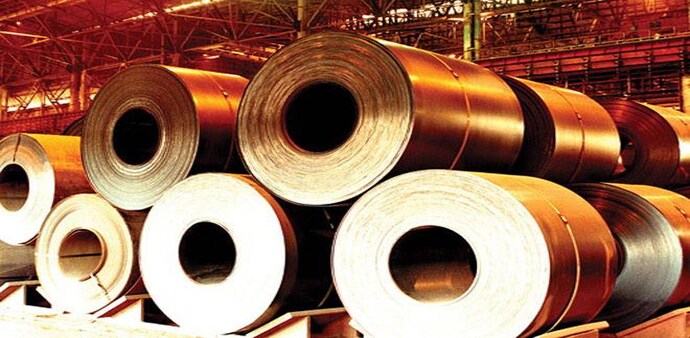
- Aug 5, 2016,
- Updated Aug 6, 2016 11:56 AM IST
The government has extended minimum import price (MIP) on steel, first imposed in February to provide relief to domestic producers battered by rising imports from China, Korea and Japan, by two more months but has trimmed the list of applicable items from 173 to just 66 items.
In February, the government had imposed MIP that was valid for 6 months and lapsed on Thursday. The directorate general of foreign trade issued the notification. "MIP for 66 steel products under chapter 72 of ITC (HS) 2012, has been extended till October 4," said Anup Wadhawan, director general of foreign trade.
The MIP ranges between $341-752 per tonne and has been instrumental in curbing steel imports in the country. Imports had grown over 20 per cent in FY2015/16 following an even more staggering 71 per cent growth in 2014/15. But in the first quarter of 2016/17, imports declined by over 30 per cent - steepest in over a decade - to under 1.8 million tonnes.
The extension saw a spurt in the shares of all major primary steel producers in the country. Shares of India's largest steel maker Steel Authority of India was trading at Rs 48.20, up 2.99 per cent at 2:30 pm at the Bombay Stock Exchange. Tata Steel's share prices were up 1.95 per cent at Rs 381.35 while shares of JSW steel and Jindal Steel and Power Limited were up 1.54 and 0.98 per cent respectively.
Wadhawan said the government trimmed the list as it was felt only 66 items that includes semi-finished products of iron or non-alloyed steel, flat rolled products, bars and rods, required protection from imports at this point of time. The government had already initiated anti-dumping duty investigations on a host of steel items. Industry experts said minimum import price has been used only as a stop gap arrangement till the WTO compatible anti-dumping duty is imposed in the sector.
The imposition of MIP, however, has caused much discomfort with the countries that had been exporting to India. Many of them led by Japan have threatened to drag into to WTO for non compliance.
"Japan has carefully watched the moves of the Indian competent authority concerning this issue (safeguard measures on hot rolled steel), since it initiated the investigation in September 2015, and has submitted government opinion letter, had bilateral consultations, and participated in a public hearing," says a report by Japanese industry ministry MIET on June 9.
"Japan suggested the possible violation of the WTO Agreement of the relevant safeguard measures and requested appropriate determination in the investigation. Japan will continuously make requests to India to ensure consistency of their measures with WTO Agreements," the report adds.
At a time when global steel industry is straddled with excess capacity all around, India has been only major country where consumption is rising and offers a readymade market to park that excess capacity. Any measure to thwart imports like MIP, does not go down well with the rest of the world.
The government has extended minimum import price (MIP) on steel, first imposed in February to provide relief to domestic producers battered by rising imports from China, Korea and Japan, by two more months but has trimmed the list of applicable items from 173 to just 66 items.
In February, the government had imposed MIP that was valid for 6 months and lapsed on Thursday. The directorate general of foreign trade issued the notification. "MIP for 66 steel products under chapter 72 of ITC (HS) 2012, has been extended till October 4," said Anup Wadhawan, director general of foreign trade.
The MIP ranges between $341-752 per tonne and has been instrumental in curbing steel imports in the country. Imports had grown over 20 per cent in FY2015/16 following an even more staggering 71 per cent growth in 2014/15. But in the first quarter of 2016/17, imports declined by over 30 per cent - steepest in over a decade - to under 1.8 million tonnes.
The extension saw a spurt in the shares of all major primary steel producers in the country. Shares of India's largest steel maker Steel Authority of India was trading at Rs 48.20, up 2.99 per cent at 2:30 pm at the Bombay Stock Exchange. Tata Steel's share prices were up 1.95 per cent at Rs 381.35 while shares of JSW steel and Jindal Steel and Power Limited were up 1.54 and 0.98 per cent respectively.
Wadhawan said the government trimmed the list as it was felt only 66 items that includes semi-finished products of iron or non-alloyed steel, flat rolled products, bars and rods, required protection from imports at this point of time. The government had already initiated anti-dumping duty investigations on a host of steel items. Industry experts said minimum import price has been used only as a stop gap arrangement till the WTO compatible anti-dumping duty is imposed in the sector.
The imposition of MIP, however, has caused much discomfort with the countries that had been exporting to India. Many of them led by Japan have threatened to drag into to WTO for non compliance.
"Japan has carefully watched the moves of the Indian competent authority concerning this issue (safeguard measures on hot rolled steel), since it initiated the investigation in September 2015, and has submitted government opinion letter, had bilateral consultations, and participated in a public hearing," says a report by Japanese industry ministry MIET on June 9.
"Japan suggested the possible violation of the WTO Agreement of the relevant safeguard measures and requested appropriate determination in the investigation. Japan will continuously make requests to India to ensure consistency of their measures with WTO Agreements," the report adds.
At a time when global steel industry is straddled with excess capacity all around, India has been only major country where consumption is rising and offers a readymade market to park that excess capacity. Any measure to thwart imports like MIP, does not go down well with the rest of the world.