
RBI monetary policy: Reserve Bank cuts repo, reverse repo rate by 25 basis points
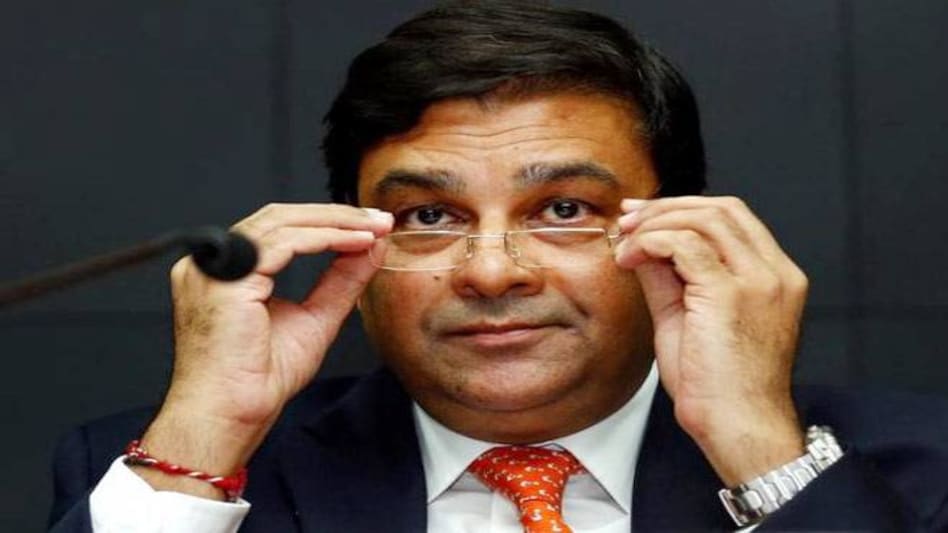
The six-member Monetary Policy Committee (MPC) led by governor Urjit Patel began a two-day meet on Tuesday to deliberate on the bank's stance on key rates.
- Aug 2, 2017,
- Updated Aug 2, 2017 4:30 PM IST
The Reserve Bank of India (RBI) on Wednesday cut its policy repo rate by 25 basis points in its third bi-monthly monetary policy review of 2017-18. The current repo rate now stands at 6 per cent.
The central bank also kept the reverse repo rate at 5.75 per cent. The rate cut, first time in 10 months, is expected to make home loans cheaper as interest rates are likely to come down.
"The trajectory of inflation in the baseline projection is expected to rise from current lows, the MPC decided to keep the policy stance neutral and to watch incoming data. The MPC remains focused on its commitment to keeping headline inflation close to 4 per cent on a durable basis," RBI said in a note.
The six-member Monetary Policy Committee (MPC) led by governor Urjit Patel began a two-day meet on Tuesday to deliberate on the bank's stance on key policy rates.
Five of six members of the MPC were in favour of a rate cut including RBI Governor Urjit Patel.
Dr. Chetan Ghate, Dr. Pami Dua, Dr. Viral V. Acharya and Dr. Urjit R. Patel were in favour of the monetary policy decision, while Dr. Ravindra H. Dholakia voted for a policy rate reduction of 50 basis points and Dr. Michael Debabrata Patra voted for status quo.
Repo rate is the rate at which the RBI lends money to commercial banks for the short-term.
The apex bank in a statement said the decision of the MPC is consistent with a neutral stance of monetary policy in consonance with the objective of achieving the medium-term target for consumer price index (CPI) inflation of 4 per cent within a band of plus or minus 2 per cent, while supporting growth.Also read: RBI asks banks to enable account number portability
In its last policy meet, the MPC retained the repo rate at 6.25 per cent for the fourth straight time, citing risk to inflation. Patel had argued for avoiding premature policy action and waiting for more inflation data. Incoming data is expected to provide greater clarity on the durability of recent food and non-food disinflation, he had opined.
Here are the live updates related to the policy announcement.
2:50 pm: Food and fuel inflation has fallen significantly in the past 3 months, says Urjit Patel
2:47 pm: Maintain FY18 GVA forecast at 7.3 per cent: RBI
2:46 pm: 4 MPC members voted for 25 basis points cut
2:45 pm: MPC decided to keep policy stance neutral
2:49 pm: Nifty falls 42 points to 10072 level.
2:48 pm: Sensex trading 100 points lower at 32476 level.
2:37 pm: Rupee trading higher at 63.810 level.
2:30 pm: RBI cuts repo rate by 25 bps.
2:28 pm: Punjab National Bank trading higher at 160 level on Q1 earnings.
2:14 pm: The RBI last cut interest rates in October 2016 by 25 basis points with Urjit Patel as the new governor. Since then, the apex bank has kept rates unchanged at 6.25 percent.
2:02 pm: The Bank Nifty was flat at 25,128 level. The BSE Bankex was trading 42.26 points or 0.15 percent higher.
1:57 pm: The policy announcement will be made at 2:30 pm today
1:55 pm: BSE Sensex trading 24 points lower at 32,550 level. Nifty too was trading 19 points lower to 10,095 points.
We take a look at why RBI took a 25 bps rate cut today. June inflation at record low
Retail inflation hit a "historically low" level of 1.54 per cent in June on a fall in food items such as vegetables, pulses and milk products. Inflation in the previous month - May this year - was 2.18 per cent. On the other hand, in June last year, it was 5.77 per cent.March GDP growth at two-year low
The economic growth unexpectedly slowed to its lowest in more than two years, dragged down by construction, manufacturing and trade services, and stripping the country of its status as the world's fastest-growing major economy. Annual gross domestic product (GDP) growth for the January-March period came in at 6.1 percent, compared with a provisional 7 percent in the previous quarter.Manufacturing sector shrinks in July
Manufacturing sector contracted in July following the GST launch as new orders and output dropped for the first time since the downturn in December last year post demonetisation. The Nikkei India Manufacturing Purchasing Managers' Index (PMI) stood at 47.9 in July, down from 50.9 in June, its lowest mark since February 2009, and highlighted the first deterioration in business conditions in 2017 so far.
A figure above 50 denotes expansion while any reading below this level means contraction. The reductions in output, new orders and purchasing activity were all the steepest since early 2009.
The Reserve Bank of India (RBI) on Wednesday cut its policy repo rate by 25 basis points in its third bi-monthly monetary policy review of 2017-18. The current repo rate now stands at 6 per cent.
The central bank also kept the reverse repo rate at 5.75 per cent. The rate cut, first time in 10 months, is expected to make home loans cheaper as interest rates are likely to come down.
"The trajectory of inflation in the baseline projection is expected to rise from current lows, the MPC decided to keep the policy stance neutral and to watch incoming data. The MPC remains focused on its commitment to keeping headline inflation close to 4 per cent on a durable basis," RBI said in a note.
The six-member Monetary Policy Committee (MPC) led by governor Urjit Patel began a two-day meet on Tuesday to deliberate on the bank's stance on key policy rates.
Five of six members of the MPC were in favour of a rate cut including RBI Governor Urjit Patel.
Dr. Chetan Ghate, Dr. Pami Dua, Dr. Viral V. Acharya and Dr. Urjit R. Patel were in favour of the monetary policy decision, while Dr. Ravindra H. Dholakia voted for a policy rate reduction of 50 basis points and Dr. Michael Debabrata Patra voted for status quo.
Repo rate is the rate at which the RBI lends money to commercial banks for the short-term.
The apex bank in a statement said the decision of the MPC is consistent with a neutral stance of monetary policy in consonance with the objective of achieving the medium-term target for consumer price index (CPI) inflation of 4 per cent within a band of plus or minus 2 per cent, while supporting growth.Also read: RBI asks banks to enable account number portability
In its last policy meet, the MPC retained the repo rate at 6.25 per cent for the fourth straight time, citing risk to inflation. Patel had argued for avoiding premature policy action and waiting for more inflation data. Incoming data is expected to provide greater clarity on the durability of recent food and non-food disinflation, he had opined.
Here are the live updates related to the policy announcement.
2:50 pm: Food and fuel inflation has fallen significantly in the past 3 months, says Urjit Patel
2:47 pm: Maintain FY18 GVA forecast at 7.3 per cent: RBI
2:46 pm: 4 MPC members voted for 25 basis points cut
2:45 pm: MPC decided to keep policy stance neutral
2:49 pm: Nifty falls 42 points to 10072 level.
2:48 pm: Sensex trading 100 points lower at 32476 level.
2:37 pm: Rupee trading higher at 63.810 level.
2:30 pm: RBI cuts repo rate by 25 bps.
2:28 pm: Punjab National Bank trading higher at 160 level on Q1 earnings.
2:14 pm: The RBI last cut interest rates in October 2016 by 25 basis points with Urjit Patel as the new governor. Since then, the apex bank has kept rates unchanged at 6.25 percent.
2:02 pm: The Bank Nifty was flat at 25,128 level. The BSE Bankex was trading 42.26 points or 0.15 percent higher.
1:57 pm: The policy announcement will be made at 2:30 pm today
1:55 pm: BSE Sensex trading 24 points lower at 32,550 level. Nifty too was trading 19 points lower to 10,095 points.
We take a look at why RBI took a 25 bps rate cut today. June inflation at record low
Retail inflation hit a "historically low" level of 1.54 per cent in June on a fall in food items such as vegetables, pulses and milk products. Inflation in the previous month - May this year - was 2.18 per cent. On the other hand, in June last year, it was 5.77 per cent.March GDP growth at two-year low
The economic growth unexpectedly slowed to its lowest in more than two years, dragged down by construction, manufacturing and trade services, and stripping the country of its status as the world's fastest-growing major economy. Annual gross domestic product (GDP) growth for the January-March period came in at 6.1 percent, compared with a provisional 7 percent in the previous quarter.Manufacturing sector shrinks in July
Manufacturing sector contracted in July following the GST launch as new orders and output dropped for the first time since the downturn in December last year post demonetisation. The Nikkei India Manufacturing Purchasing Managers' Index (PMI) stood at 47.9 in July, down from 50.9 in June, its lowest mark since February 2009, and highlighted the first deterioration in business conditions in 2017 so far.
A figure above 50 denotes expansion while any reading below this level means contraction. The reductions in output, new orders and purchasing activity were all the steepest since early 2009.