
SEBI to undertake comprehensive review of PMS regulations: Chairman Tuhin Kanta Pandey
The SEBI chief declined to comment on whether the regulator is considering changes to minimum investment thresholds for PMS, especially in light of the introduction of specialised investment fund structures positioned between mutual funds and PMS offerings.
- Feb 23, 2026,
- Updated Feb 23, 2026 5:34 PM IST
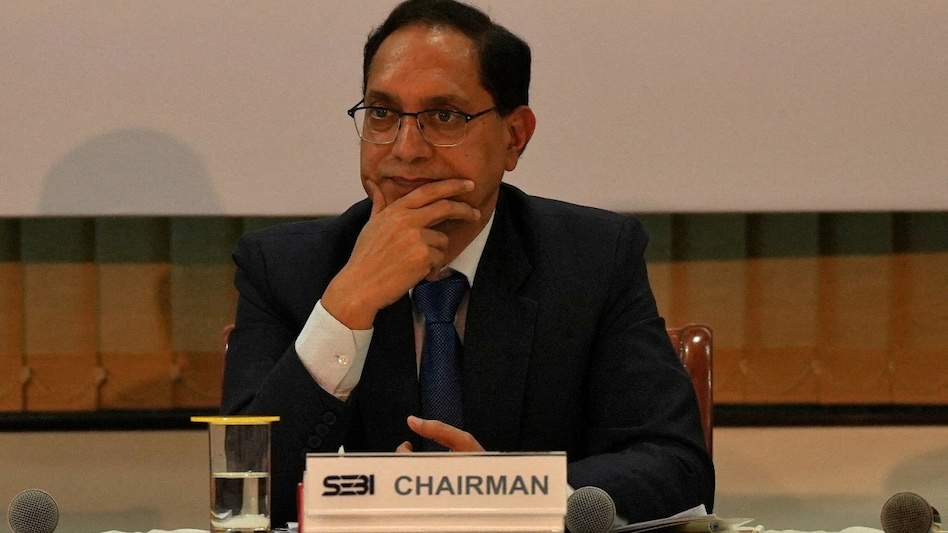
Capital markets regulator Securities and Exchange Board of India (SEBI) will undertake a comprehensive review of rules governing Portfolio Management Services (PMS) to ensure they remain aligned with changing market dynamics, Chairman Tuhin Kanta Pandey said on Monday.
Speaking at an event hosted by the National Institute of Securities Markets, Pandey said the regulator plans to revisit the SEBI (Portfolio Managers) Regulations, 2020, noting that certain provisions of the six-year-old framework require rationalisation.
“We propose to carry out a comprehensive review… so that the framework remains effective, adaptable, and aligned with evolving market dynamics,” he said.
Pandey indicated that SEBI will follow its standard regulatory process by first issuing a consultation paper and later placing draft amendments in the public domain for stakeholder feedback.
He added that the PMS review will mirror recent regulatory reassessments undertaken in areas such as listing obligations, disclosure requirements, and mutual funds.
The SEBI chief declined to comment on whether the regulator is considering changes to minimum investment thresholds for PMS, especially in light of the introduction of specialised investment fund structures positioned between mutual funds and PMS offerings.
When asked whether the market regulator would push for a review of long-term capital gains (LTCG) tax to help stabilise markets amid global volatility, Pandey clarified that the matter falls outside SEBI’s remit. “These are matters with the government,” he said.
Pandey also confirmed that SEBI has received representations from stock brokers highlighting operational challenges arising from revised lending norms proposed by the Reserve Bank of India.
The central bank has proposed that, effective April 1:
- Banks should not lend for proprietary trading by brokers.
- Most other funding to brokers should be backed by 100% collateral.
SEBI will examine the concerns and take them up with the RBI, though Pandey refrained from detailing the regulator’s position, noting that brokers have identified “three to four” key issues.
Pandey said SEBI is working with concerned government ministries to reassess the continuing ban on futures trading in certain agricultural commodities.
Highlighting technology adoption, he added that the regulator has begun deploying artificial intelligence–based surveillance systems to monitor market activity, including tracking financial influencers to ensure they do not cross regulatory lines into unregistered investment advice.
Responding to reports about disciplinary action against a senior official, Pandey acknowledged that “initial action” had been taken after vigilance findings pointed to serious lapses.
Capital markets regulator Securities and Exchange Board of India (SEBI) will undertake a comprehensive review of rules governing Portfolio Management Services (PMS) to ensure they remain aligned with changing market dynamics, Chairman Tuhin Kanta Pandey said on Monday.
Speaking at an event hosted by the National Institute of Securities Markets, Pandey said the regulator plans to revisit the SEBI (Portfolio Managers) Regulations, 2020, noting that certain provisions of the six-year-old framework require rationalisation.
“We propose to carry out a comprehensive review… so that the framework remains effective, adaptable, and aligned with evolving market dynamics,” he said.
Pandey indicated that SEBI will follow its standard regulatory process by first issuing a consultation paper and later placing draft amendments in the public domain for stakeholder feedback.
He added that the PMS review will mirror recent regulatory reassessments undertaken in areas such as listing obligations, disclosure requirements, and mutual funds.
The SEBI chief declined to comment on whether the regulator is considering changes to minimum investment thresholds for PMS, especially in light of the introduction of specialised investment fund structures positioned between mutual funds and PMS offerings.
When asked whether the market regulator would push for a review of long-term capital gains (LTCG) tax to help stabilise markets amid global volatility, Pandey clarified that the matter falls outside SEBI’s remit. “These are matters with the government,” he said.
Pandey also confirmed that SEBI has received representations from stock brokers highlighting operational challenges arising from revised lending norms proposed by the Reserve Bank of India.
The central bank has proposed that, effective April 1:
- Banks should not lend for proprietary trading by brokers.
- Most other funding to brokers should be backed by 100% collateral.
SEBI will examine the concerns and take them up with the RBI, though Pandey refrained from detailing the regulator’s position, noting that brokers have identified “three to four” key issues.
Pandey said SEBI is working with concerned government ministries to reassess the continuing ban on futures trading in certain agricultural commodities.
Highlighting technology adoption, he added that the regulator has begun deploying artificial intelligence–based surveillance systems to monitor market activity, including tracking financial influencers to ensure they do not cross regulatory lines into unregistered investment advice.
Responding to reports about disciplinary action against a senior official, Pandey acknowledged that “initial action” had been taken after vigilance findings pointed to serious lapses.