
GST Council meeting: With GST being linked to ED, traders paying tax could also be arrested, says Delhi CM Kejriwal
The Centre on July 7 issued a notification to include the Goods and Services Tax Network (GSTN) under the ambit of the Prevention of Money Laundering Act (PMLA).
- Jul 11, 2023,
- Updated Jul 11, 2023 2:02 PM IST
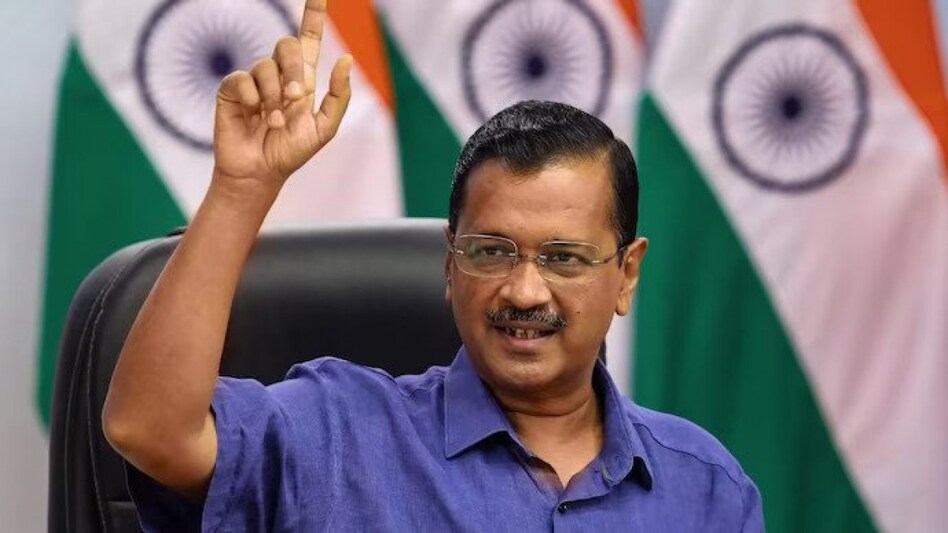
Delhi Chief Minister Arvind Kejriwal on Tuesday said that as the Goods and Services Tax (GST) is linked with the Enforcement Directorate (ED), even those traders paying the tax can be arrested by the government agency.
In a tweet on Tuesday, CM Kejriwal said that hopefully, people would oppose the development at the GST Council meeting on Tuesday.
The Centre on July 7 issued a notification to include the Goods and Services Tax Network (GSTN) under the ambit of the Prevention of Money Laundering Act (PMLA).
With this, the GSTN is among those entities that have been mandated to share information with the Enforcement Directorate (ED) and the Financial Intelligence Unit (FIU) under the PMLA Act. These changes have been made under Section 66 of the PMLA, which provides for the disclosure of information.
The move would help in the recovery of the GST evaded through money laundering.
"A large proportion of traders do not pay GST -- some out of compulsion, some intentionally. A few days ago, the Centre also brought the GST within the purview of the ED. It means that now, if a businessman does not pay the GST, the ED will arrest him directly and bail will not be granted," Kejriwal alleged in a tweet in Hindi.
He further said: “The GST system is so complex that even those who are paying full GST can be caught in some provision and put in jail. That is, the central government will send any businessman of the country to jail whenever it wants. This is very dangerous. Instead of doing business, the businessman will just save himself from ED. Small businessmen of the country will also come under its grip. No merchant will be left. This is very dangerous for the country's economy.”
He added: “Today is the GST Council meeting. I hope everyone will speak against it. The central government should take it back immediately.”
As per the government’s new notification, the FIU and the ED will also share information with the GSTN if they find that any GST assessee is involved in suspicious forex transactions. GST offences such as taking fake input tax credits, fake invoices, etc. will also be covered under the Prevention of Money Laundering Act.
Goods and Services Tax Network (GSTN) is an information technology system that manages the GST portal. The government is aided by private players in its efforts to monitor domestic financial activity with the GSTN.
Besides the ED and the FIU, agencies that need to share information include the Competition Commission of India, Reserve Bank of India, Securities and Exchange Board of India, Insurance Regulatory and Development Authority of India, Serious Fraud Investigation Office, and Director General of Foreign Trade. This list is updated from time to time. Effects of GSTN under PMLA
As GSTN is now under the PMLA ambit, it will help the ED to zero in on violators who evade taxes by generating fake GST invoices and using other means within the GST network.
ED will be able to make use of the crucial information with the GSTN to track and monitor transactions and investigate cases more efficiently.
AMRG & Associates Senior Partner Rajat Mohan said notifying GSTN under PMLA would enable a legal framework under which high-value tax offenders can be traced, apprehended made liable to pay due taxes.
GSTN can pass on relevant information on probable tax offenders to jurisdictional officers so as to initiate proceeding under GST law for scrutiny, adjudication and recovery of taxes, Mohan added.
Nangia Andersen LLP Partner Sandeep Jhunjhunwala said the inclusion of GSTN under PMLA will now facilitate mutual sharing of information or material in possession of the Enforcement Directorate with GSTN if they have reasons to believe that provisions of the GST Act have been contravened in any manner.
Also read: GST Council meeting today: A look at the things that may go expensive and cheaper
Delhi Chief Minister Arvind Kejriwal on Tuesday said that as the Goods and Services Tax (GST) is linked with the Enforcement Directorate (ED), even those traders paying the tax can be arrested by the government agency.
In a tweet on Tuesday, CM Kejriwal said that hopefully, people would oppose the development at the GST Council meeting on Tuesday.
The Centre on July 7 issued a notification to include the Goods and Services Tax Network (GSTN) under the ambit of the Prevention of Money Laundering Act (PMLA).
With this, the GSTN is among those entities that have been mandated to share information with the Enforcement Directorate (ED) and the Financial Intelligence Unit (FIU) under the PMLA Act. These changes have been made under Section 66 of the PMLA, which provides for the disclosure of information.
The move would help in the recovery of the GST evaded through money laundering.
"A large proportion of traders do not pay GST -- some out of compulsion, some intentionally. A few days ago, the Centre also brought the GST within the purview of the ED. It means that now, if a businessman does not pay the GST, the ED will arrest him directly and bail will not be granted," Kejriwal alleged in a tweet in Hindi.
He further said: “The GST system is so complex that even those who are paying full GST can be caught in some provision and put in jail. That is, the central government will send any businessman of the country to jail whenever it wants. This is very dangerous. Instead of doing business, the businessman will just save himself from ED. Small businessmen of the country will also come under its grip. No merchant will be left. This is very dangerous for the country's economy.”
He added: “Today is the GST Council meeting. I hope everyone will speak against it. The central government should take it back immediately.”
As per the government’s new notification, the FIU and the ED will also share information with the GSTN if they find that any GST assessee is involved in suspicious forex transactions. GST offences such as taking fake input tax credits, fake invoices, etc. will also be covered under the Prevention of Money Laundering Act.
Goods and Services Tax Network (GSTN) is an information technology system that manages the GST portal. The government is aided by private players in its efforts to monitor domestic financial activity with the GSTN.
Besides the ED and the FIU, agencies that need to share information include the Competition Commission of India, Reserve Bank of India, Securities and Exchange Board of India, Insurance Regulatory and Development Authority of India, Serious Fraud Investigation Office, and Director General of Foreign Trade. This list is updated from time to time. Effects of GSTN under PMLA
As GSTN is now under the PMLA ambit, it will help the ED to zero in on violators who evade taxes by generating fake GST invoices and using other means within the GST network.
ED will be able to make use of the crucial information with the GSTN to track and monitor transactions and investigate cases more efficiently.
AMRG & Associates Senior Partner Rajat Mohan said notifying GSTN under PMLA would enable a legal framework under which high-value tax offenders can be traced, apprehended made liable to pay due taxes.
GSTN can pass on relevant information on probable tax offenders to jurisdictional officers so as to initiate proceeding under GST law for scrutiny, adjudication and recovery of taxes, Mohan added.
Nangia Andersen LLP Partner Sandeep Jhunjhunwala said the inclusion of GSTN under PMLA will now facilitate mutual sharing of information or material in possession of the Enforcement Directorate with GSTN if they have reasons to believe that provisions of the GST Act have been contravened in any manner.
Also read: GST Council meeting today: A look at the things that may go expensive and cheaper