
Madras High Court suspends ban on cattle slaughter: What's the impact of centre's decision on jobs, leather industry?
The notification emphasises on using cattle for agricultural purposes, and not meat. The ban covers bovine animals as well as camels.
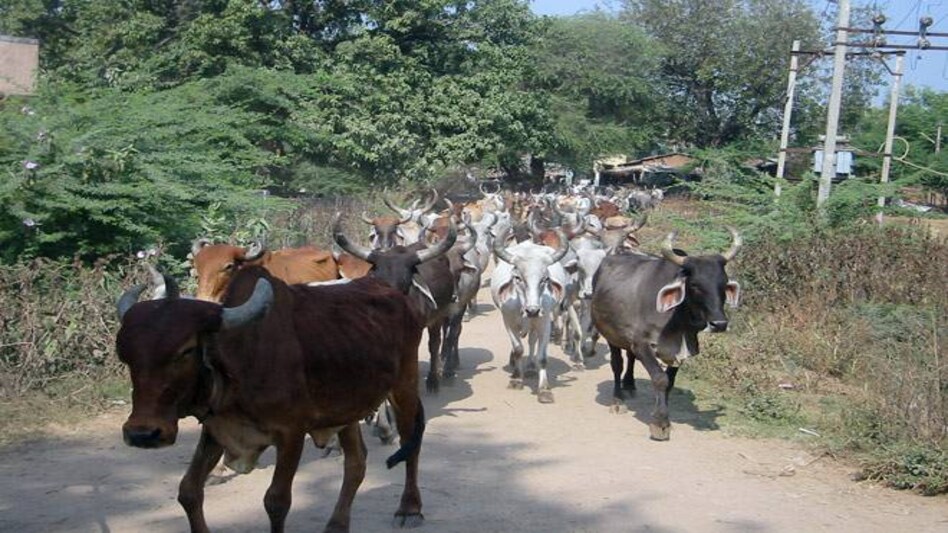
- May 30, 2017,
- Updated May 30, 2017 8:25 PM IST
The Madras High Court suspended Centre's decision to stop sale of cattle for slaughter for four weeks earlier today. The Madurai bench came to this decision while hearing a petition that termed the restriction as a violation of basic right of a person of what he chooses to eat. Moreover, the court questioned the Union and Tamil Nadu government as to why the order should not be scrapped.
The government's decision to ban selling of cows and buffaloes for slaughter at animal markets across India has created controversy. The move, according to experts, could impact the country's economy in many ways. The Environment Ministry recently notified the Prevention of Cruelty to Animals (Regulation of Livestock Markets) Rules 2017 which directs that the member secretary of an animal market committee will have to ensure that young cattle sold at their market is not killed for meat.
The ban covers meat from buffaloes, which is more popular in India rather than cow meat, steers, heifers, calves and even camels.While government cited a Supreme Court observation to justify the move, many cried foul. The decision displeased people who saw it as a restriction on cultural practices and constitutional rights. While this being the case, the economy of India is likely to see some disruption too.Here's how:
ExportsIndia is one of the biggest meat exporters in the world, with export figures touching 1.33 million tonnes of buffalo meat worth $4 billion during the previous financial year. Restrictions on sale of cattle will choke the industry's supply chain, effects of which will be evident once the abattoirs are out of meat to supply into the market.
Leather industryApart from meat, India also is a major player in the leather sector, with Indian leather industry accounting for around 13 per cent of world's leather production, according to an India Today report. The cattle slaughter business supply products worth $5.5 billion to the leather units across the country, which is bound to tank after the restriction.
Apart from the leather industry, the hides and bones of slaughtered cattle are used to make surgical stitches, buttons, toothpaste, paintbrushes and more, supply to which are threatened with by the ban. In truth, only a fraction of slaughtered cattle are used for meat, whereas the rest goes to number of other production units. These industries will be hard-pressed to acquire raw materials to keep production afloat.
As India remains the second in footwear and leather garment production, Fashion companies relying on Indian leather market are growing apprehensive. With supply of raw materials is threatened after the ban, leading fashion brands have contacted their contact in India to confirm whether they will be able to uphold the deal.
Meanwhile, milk industry in India benefitted from the ban on cattle slaughter. India is also the leading milk producer in the world, said the report.
JobsThe Modi government has been often criticised for not being able to produce as much jobs as they promised before coming to power. The ban on cattle slaughter will not help either.
The meat industry dishes out 22 lakh jobs in India, the report said, while the leather industry employs even more with a workforce of 35 lakh strong. Job security of millions will be threatened if the order stays.
Meanwhile, Union Minster Venkaiah Naidu stated that the government is examining the representations from various parts of the country, but kept mum on whether the order will be revoked.
Also watch:
The Madras High Court suspended Centre's decision to stop sale of cattle for slaughter for four weeks earlier today. The Madurai bench came to this decision while hearing a petition that termed the restriction as a violation of basic right of a person of what he chooses to eat. Moreover, the court questioned the Union and Tamil Nadu government as to why the order should not be scrapped.
The government's decision to ban selling of cows and buffaloes for slaughter at animal markets across India has created controversy. The move, according to experts, could impact the country's economy in many ways. The Environment Ministry recently notified the Prevention of Cruelty to Animals (Regulation of Livestock Markets) Rules 2017 which directs that the member secretary of an animal market committee will have to ensure that young cattle sold at their market is not killed for meat.
The ban covers meat from buffaloes, which is more popular in India rather than cow meat, steers, heifers, calves and even camels.While government cited a Supreme Court observation to justify the move, many cried foul. The decision displeased people who saw it as a restriction on cultural practices and constitutional rights. While this being the case, the economy of India is likely to see some disruption too.Here's how:
ExportsIndia is one of the biggest meat exporters in the world, with export figures touching 1.33 million tonnes of buffalo meat worth $4 billion during the previous financial year. Restrictions on sale of cattle will choke the industry's supply chain, effects of which will be evident once the abattoirs are out of meat to supply into the market.
Leather industryApart from meat, India also is a major player in the leather sector, with Indian leather industry accounting for around 13 per cent of world's leather production, according to an India Today report. The cattle slaughter business supply products worth $5.5 billion to the leather units across the country, which is bound to tank after the restriction.
Apart from the leather industry, the hides and bones of slaughtered cattle are used to make surgical stitches, buttons, toothpaste, paintbrushes and more, supply to which are threatened with by the ban. In truth, only a fraction of slaughtered cattle are used for meat, whereas the rest goes to number of other production units. These industries will be hard-pressed to acquire raw materials to keep production afloat.
As India remains the second in footwear and leather garment production, Fashion companies relying on Indian leather market are growing apprehensive. With supply of raw materials is threatened after the ban, leading fashion brands have contacted their contact in India to confirm whether they will be able to uphold the deal.
Meanwhile, milk industry in India benefitted from the ban on cattle slaughter. India is also the leading milk producer in the world, said the report.
JobsThe Modi government has been often criticised for not being able to produce as much jobs as they promised before coming to power. The ban on cattle slaughter will not help either.
The meat industry dishes out 22 lakh jobs in India, the report said, while the leather industry employs even more with a workforce of 35 lakh strong. Job security of millions will be threatened if the order stays.
Meanwhile, Union Minster Venkaiah Naidu stated that the government is examining the representations from various parts of the country, but kept mum on whether the order will be revoked.
Also watch: