
How banks judge you when you apply for loan, credit card
Potential lenders view CIBIL score as the most important factor before granting a loan. If your CIBIL score is low then your loan application may straightaway be rejected by the lenders.
- Jun 28, 2018,
- Updated Jun 28, 2018 6:08 PM IST
To evaluate an individual's credit worthiness, potential lenders view CIBIL score as the most important factor before granting a loan. If your CIBIL score is low then your loan application may straightaway be rejected by the lenders. Borrowers need to keep their CIBIL score in line if they want to avail credit. Awareness about CIBIL still needs to reach masses as some careless mistakes can ruin your credit score.
What is CIBIL?
CIBIL is an abbreviation used for Credit Information Bureau (India) Limited, CIBIL is India's foremost credit information company. It maintains records of all credit-related transactions of individuals and companies including loans and credit cards. These records are submitted to CIBIL by registered member banks and other financial institutions on a periodic (generally monthly) basis. Based on analysis of this data, CIBIL issues a Credit Information Report (CIR) and a credit score.
CIBIL is a depository of credit information. It does not make any lending decisions. It provides data to banks and other lenders who use it as a quick reference and efficient resource to filter out loan applications.
What is a credit report?
A credit report is an all-inclusive document which depicts an individual's borrowing history and repayment track record. It provides potential lenders with details of an individual's credit worth based on his/her historical and current credit transactions.
A credit report is issued by four RBI authorized credit depositories in India which are CIBIL, Equifax, High Mark and Experian. Credit information companies such as CIBIL collects and maintains records of all credit-related transactions of individuals as reported by their lenders such as banks, NBFC's or credit card companies. This information could include details of all loans and credit card repayments including any late or missed payments, details of queries made by lenders on loan or credit card applications made in the past, all current loans and credit cards, total credit limit, among other credit-related information.
A credit report is a single unified document that timelines your credit history across different lenders over a significant period of time. Your credit report would include the following details:
- Personal information such as name, age, gender and address
- Employment details and income
- Number of hard enquiries made by potential lenders on receipt of your loan/credit card application
- Information on past and current loans along with your payment record
- Any defaults on loan
- Any settled loans
- Total credit limit and the amount spent monthly (Credit Utilisation Ratio)
- Credit card payment defaults
- Credit score
What is a good CIBIL score?
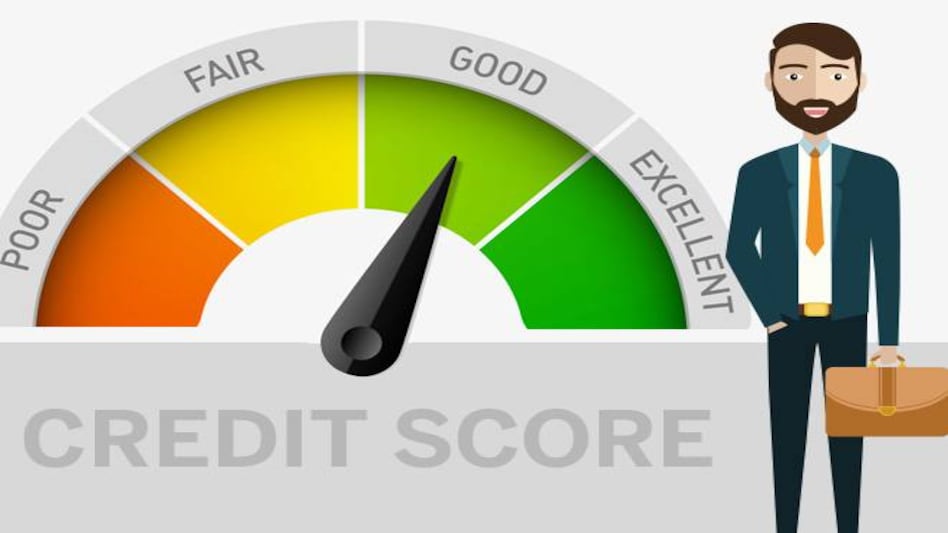
A good CIBIL score is 750 or above. A credit score is a three digit number between 300 - 900. The below image depicts the chances of getting a loan sanctioned with different CIBIL scores possibilities.
How can you check your CIBIL score?
Under RBI guidelines credit bureaus including CIBIL are mandated to provide free credit score once a year to all individuals. Those who are interested to know their credit scores from the bureau can visit the bureau website and apply for a credit report online or the same can be applied through post.
Factors affecting CIBIL score:
- Number of on-time payments
- Number of negative marks
- Length of credit history
- Number of hard enquiries
Common mistakes that affect your CIBIL score:
- Delayed loan or credit card payments: Sometimes, if you have an unexpected expenditure on emergency such as hospital bills etc., you may miss EMI. But, even a single delay in payment can cause your score to drop. Making a full payment later does not erase the adverse effect of the initial delay.
- Maintaining balance for auto debit: Many lenders send notifications for loan/card payments due. Or you can opt for auto debit facility from your bank account. If you have an auto-debit arrangement, make sure there is sufficient balance in the bank account to make such payments. If there is no sufficient balance to make the full payment, it will affect your credit score negatively.
- Multiple loan applications: Most people don't realise that each time they apply for a loan or credit card, the lender makes a "hard enquiry" on their credit report. Every hard enquiry leads to a drop in credit score. To minimise this, research the various alternatives available and only apply to the lender where you think you have the brightest possibility of scoring a credit. Every loan rejection leads to a fall in your credit score.
- Having too many unsecured loans: An unsecured loan is one which does not require a guarantee. Personal loans and regular credit cards are the most used form of unsecured credit. If you have too many unsecured loans, it exemplifies that you may have too many monthly repayment obligations.
- Maintain a healthy credit utilisation ratio: Spending too much on your credit card, even if it's within assigned credit limit is not a great idea. If you spend more than 40% of your credit card limit, it signifies that you are hungry for credit and do not have strong spending discipline. This can affect your credit score as well. For example, if your credit limit is Rs. 1 lakh and you spend more than Rs.40,000 every month on expenses, it will have an adverse effect on your credit score. Make sure that you do not exceed 40% of your credit limit to safeguard your credit score from negative mark.
To evaluate an individual's credit worthiness, potential lenders view CIBIL score as the most important factor before granting a loan. If your CIBIL score is low then your loan application may straightaway be rejected by the lenders. Borrowers need to keep their CIBIL score in line if they want to avail credit. Awareness about CIBIL still needs to reach masses as some careless mistakes can ruin your credit score.
What is CIBIL?
CIBIL is an abbreviation used for Credit Information Bureau (India) Limited, CIBIL is India's foremost credit information company. It maintains records of all credit-related transactions of individuals and companies including loans and credit cards. These records are submitted to CIBIL by registered member banks and other financial institutions on a periodic (generally monthly) basis. Based on analysis of this data, CIBIL issues a Credit Information Report (CIR) and a credit score.
CIBIL is a depository of credit information. It does not make any lending decisions. It provides data to banks and other lenders who use it as a quick reference and efficient resource to filter out loan applications.
What is a credit report?
A credit report is an all-inclusive document which depicts an individual's borrowing history and repayment track record. It provides potential lenders with details of an individual's credit worth based on his/her historical and current credit transactions.
A credit report is issued by four RBI authorized credit depositories in India which are CIBIL, Equifax, High Mark and Experian. Credit information companies such as CIBIL collects and maintains records of all credit-related transactions of individuals as reported by their lenders such as banks, NBFC's or credit card companies. This information could include details of all loans and credit card repayments including any late or missed payments, details of queries made by lenders on loan or credit card applications made in the past, all current loans and credit cards, total credit limit, among other credit-related information.
A credit report is a single unified document that timelines your credit history across different lenders over a significant period of time. Your credit report would include the following details:
- Personal information such as name, age, gender and address
- Employment details and income
- Number of hard enquiries made by potential lenders on receipt of your loan/credit card application
- Information on past and current loans along with your payment record
- Any defaults on loan
- Any settled loans
- Total credit limit and the amount spent monthly (Credit Utilisation Ratio)
- Credit card payment defaults
- Credit score
What is a good CIBIL score?
A good CIBIL score is 750 or above. A credit score is a three digit number between 300 - 900. The below image depicts the chances of getting a loan sanctioned with different CIBIL scores possibilities.
How can you check your CIBIL score?
Under RBI guidelines credit bureaus including CIBIL are mandated to provide free credit score once a year to all individuals. Those who are interested to know their credit scores from the bureau can visit the bureau website and apply for a credit report online or the same can be applied through post.
Factors affecting CIBIL score:
- Number of on-time payments
- Number of negative marks
- Length of credit history
- Number of hard enquiries
Common mistakes that affect your CIBIL score:
- Delayed loan or credit card payments: Sometimes, if you have an unexpected expenditure on emergency such as hospital bills etc., you may miss EMI. But, even a single delay in payment can cause your score to drop. Making a full payment later does not erase the adverse effect of the initial delay.
- Maintaining balance for auto debit: Many lenders send notifications for loan/card payments due. Or you can opt for auto debit facility from your bank account. If you have an auto-debit arrangement, make sure there is sufficient balance in the bank account to make such payments. If there is no sufficient balance to make the full payment, it will affect your credit score negatively.
- Multiple loan applications: Most people don't realise that each time they apply for a loan or credit card, the lender makes a "hard enquiry" on their credit report. Every hard enquiry leads to a drop in credit score. To minimise this, research the various alternatives available and only apply to the lender where you think you have the brightest possibility of scoring a credit. Every loan rejection leads to a fall in your credit score.
- Having too many unsecured loans: An unsecured loan is one which does not require a guarantee. Personal loans and regular credit cards are the most used form of unsecured credit. If you have too many unsecured loans, it exemplifies that you may have too many monthly repayment obligations.
- Maintain a healthy credit utilisation ratio: Spending too much on your credit card, even if it's within assigned credit limit is not a great idea. If you spend more than 40% of your credit card limit, it signifies that you are hungry for credit and do not have strong spending discipline. This can affect your credit score as well. For example, if your credit limit is Rs. 1 lakh and you spend more than Rs.40,000 every month on expenses, it will have an adverse effect on your credit score. Make sure that you do not exceed 40% of your credit limit to safeguard your credit score from negative mark.