
Tata Trusts hires Abhishek Manu Singhvi as advocate. His first reaction: 'Having worked with Ratan Tata...'
To stymie democratic intra-Trust decision-making by Tata Trusts by putting a sudden and completely unwarranted fetter on even their covening for a meeting is another matter of patent legality, says Singhvi
- Sep 20, 2026,
- Updated Sep 20, 2026 2:23 PM IST
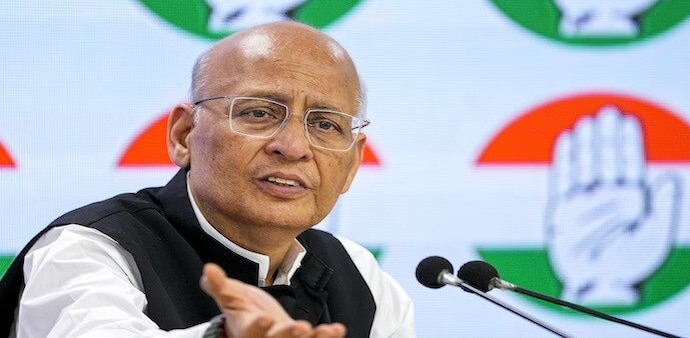
Tata Trusts has hired senior Supreme Court advocate Abhishek Manu Singhvi to represent it in its escalating dispute with Tata Sons.
In his first reaction after taking up the case, Singhvi said he felt "sadness and regret" that the issues could not be resolved amicably, given his past association with Ratan Tata and his personal equations with those involved on both sides.
"Having worked closely with Ratan Tata earlier, being aware of his legacy and not only knowing personally all the principal actors on both sides in the current so called Tata dispute but also having deep, genuine and abiding respect for and excellent equations with all of them, my first reaction, as I enter the fray as the lead lawyer for one side, is one of sadness and regret that these issues could not be solved amicably," Singhvi wrote on Sunday.
Don't Miss: 'Enjoy the journey, do not turn confidence into arrogance': Chandrasekaran on life lessons
But in the ultimate analysis, Singhvi added, fundamental rights of shareholder-owners cannot be nullified in the manner in which they have been. "To stultify shareholder ownership rights would spell doomsday for corporate governance across hundreds of Indian companies."
A dispute between Tata Trusts and Tata Sons has emerged over Chairman N Chandrasekaran's reappointment and the future of the group's holding company.
Tata Trusts chairman Noel Tata opposed Chandrasekaran's reappointment on September 17. The Trusts, which own about 66% of Tata Sons, called the decision "illegal" and a "legal nullity."
The senior advocate questioned restrictions on the Tata Trusts' ability to convene a meeting. "To stymie democratic intra-Trust decision-making by Tata Trusts by putting a sudden and completely unwarranted fetter on even their covening for a meeting is another matter of patent legality," Singhvi said.
Tata Trusts-Tata Sons Relationship
Singhvi said the relationship between Tata Trusts and Tata Sons, built over more than a century, should not be separated. "Rupturing the over hundred years of Tata Trust and Tata Sons established hyphenated relationship and divorcing one from the other seems unthinkable," he said.
He also defended the importance of unanimity in Tata Trusts' voting and its veto powers, saying they had been followed for decades. "Ignoring the unvarying precondition of Trust unanimity in voting & the clear veto in provisions applied without cavil for decades appears patently unjustified," he said.
The Congress Rajya Sabha MP also referred to the Supreme Court's judgment in the Tata-Mistry case. He said the judgment gave Tata Trusts primacy in its relationship with Tata Sons and upheld the special Articles in the Tata Sons articles.
"Sadly, the Supreme Court judgement in Tata- Mistry which clearly gave Tata Trusts primacy in the relationship with Tata Sons, upheld the special Articles in this regard in the Tata Sons articles and spoke of the fiduciary duty to millions of Indians, seems to have been selectively forgotten," he said.
On September 17, the Tata Sons board voted to reappoint Chandrasekaran for another five years. Tata Trusts chairman Noel Tata opposed the resolution. Tata Trusts, which holds about 66% of Tata Sons, later called the decision "illegal" and a "legal nullity."
The two sides are also at odds over a potential listing of Tata Sons after the RBI declined the company's request to give up its Core Investment Company registration.
Singhvi said the issues would now require legal resolution. "Unfortunately, in the absence of collegiality and conviviality, these and many other related issues can only have legal solutions," he said.
Tata Trusts has hired senior Supreme Court advocate Abhishek Manu Singhvi to represent it in its escalating dispute with Tata Sons.
In his first reaction after taking up the case, Singhvi said he felt "sadness and regret" that the issues could not be resolved amicably, given his past association with Ratan Tata and his personal equations with those involved on both sides.
"Having worked closely with Ratan Tata earlier, being aware of his legacy and not only knowing personally all the principal actors on both sides in the current so called Tata dispute but also having deep, genuine and abiding respect for and excellent equations with all of them, my first reaction, as I enter the fray as the lead lawyer for one side, is one of sadness and regret that these issues could not be solved amicably," Singhvi wrote on Sunday.
Don't Miss: 'Enjoy the journey, do not turn confidence into arrogance': Chandrasekaran on life lessons
But in the ultimate analysis, Singhvi added, fundamental rights of shareholder-owners cannot be nullified in the manner in which they have been. "To stultify shareholder ownership rights would spell doomsday for corporate governance across hundreds of Indian companies."
A dispute between Tata Trusts and Tata Sons has emerged over Chairman N Chandrasekaran's reappointment and the future of the group's holding company.
Tata Trusts chairman Noel Tata opposed Chandrasekaran's reappointment on September 17. The Trusts, which own about 66% of Tata Sons, called the decision "illegal" and a "legal nullity."
The senior advocate questioned restrictions on the Tata Trusts' ability to convene a meeting. "To stymie democratic intra-Trust decision-making by Tata Trusts by putting a sudden and completely unwarranted fetter on even their covening for a meeting is another matter of patent legality," Singhvi said.
Tata Trusts-Tata Sons Relationship
Singhvi said the relationship between Tata Trusts and Tata Sons, built over more than a century, should not be separated. "Rupturing the over hundred years of Tata Trust and Tata Sons established hyphenated relationship and divorcing one from the other seems unthinkable," he said.
He also defended the importance of unanimity in Tata Trusts' voting and its veto powers, saying they had been followed for decades. "Ignoring the unvarying precondition of Trust unanimity in voting & the clear veto in provisions applied without cavil for decades appears patently unjustified," he said.
The Congress Rajya Sabha MP also referred to the Supreme Court's judgment in the Tata-Mistry case. He said the judgment gave Tata Trusts primacy in its relationship with Tata Sons and upheld the special Articles in the Tata Sons articles.
"Sadly, the Supreme Court judgement in Tata- Mistry which clearly gave Tata Trusts primacy in the relationship with Tata Sons, upheld the special Articles in this regard in the Tata Sons articles and spoke of the fiduciary duty to millions of Indians, seems to have been selectively forgotten," he said.
On September 17, the Tata Sons board voted to reappoint Chandrasekaran for another five years. Tata Trusts chairman Noel Tata opposed the resolution. Tata Trusts, which holds about 66% of Tata Sons, later called the decision "illegal" and a "legal nullity."
The two sides are also at odds over a potential listing of Tata Sons after the RBI declined the company's request to give up its Core Investment Company registration.
Singhvi said the issues would now require legal resolution. "Unfortunately, in the absence of collegiality and conviviality, these and many other related issues can only have legal solutions," he said.