
Will digital wave hit Tata Sons with N Chandrasekaran as new chief?
N Chandrasekaran was selected from a list of celebrated executives- which also included Tata's half brother Noel among other heads of some multinational giants. He was the favourite from the beginning, considering the performance of TCS and his closeness with Ratan Tata.
- Jan 12, 2017,
- Updated Jan 12, 2017 9:38 PM IST
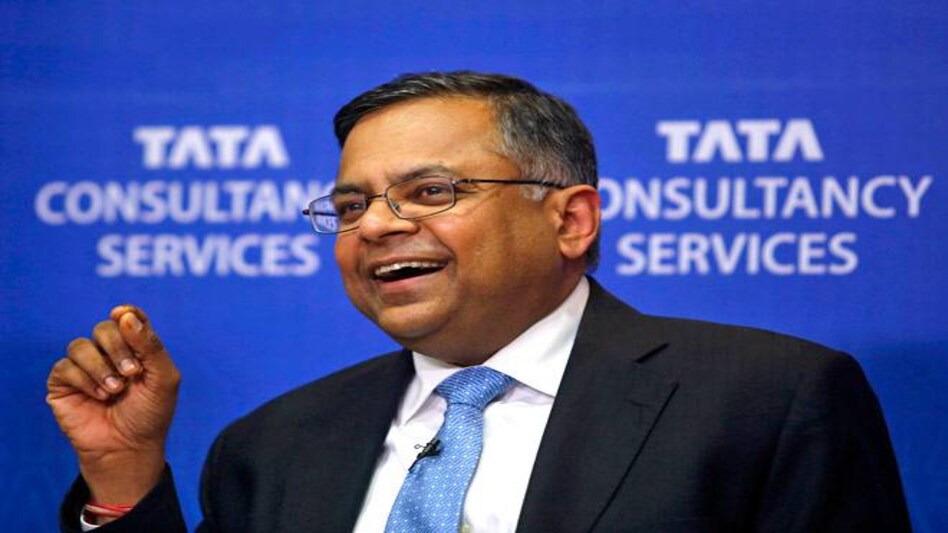
The 53-year-old Natarajan Chandrasekaran, chief executive of Tata Consultancy Services (TCS), was on Thursday named as the chairman of $104 billion salt-to-software conglomerate Tata group, following the ouster of Cyrus Mistry.
Chandrasekaran, who is fondly called 'Chandra', was selected from a list of celebrated executives- which also included Tata's half brother Noel among other heads of some multinational giants. He was the favourite from the beginning, considering the performance of TCS and his closeness with Ratan Tata, say inside sources.
Chandra joined TCS in 1987 after completing Masters in Computer Applications from Regional Engineering College, Trichy in Tamil Nadu. He took over the rains of the software giant following legends like Faqir Chand Kohli and Subramaniam Ramadorai. Since he took over as CEO in October 2009, TCS' consolidated revenue shot up to over Rs 1 lakh crore (2015-16) from about Rs 30,000 crore in 2009/10.
The profits rose to Rs 24,000 crore from Rs 7,000 crore, thanks to reengineering of its business units like banking, financial services and insurance (BFSI) and retail, broadening of geographies including in North America and Europe, and acquisition and retention of top-notch talent.
In one of his interviews to Business Today about one and a half months back, Chandra said that he was focusing on the opportunities in the digital transformation era. "The world is not a secure place anymore. There is risk. India is a bright spot in this scenario because of its potential? Innovation is going strong in the country. We will see some fantastic companies coming up from India," he had said.
Under Chandra's leadership TCS has overtaken the petroleum giant Reliance Industries in market value. In May 2012, the IT services giant had first surpassed petroleum refining major Reliance. For the next seven to eight months, both the companies moved neck and neck. TCS took off from there and continued widening the gap till last year. TCS is valued at Rs 1.64 lakh crore above RIL in the stock market as of end-September.
Chandra was dependent on five digital forces - mobility, big data, social media, cloud computing and robotics - for transforming TCS for the new age. The company has showed the agility to adapt to the exponential changes during his time. "The combined power of technologies is creating opportunities and possibilities for us," he had told BT.
But there are big hurdles waiting for Chandra. Former chairman Cyrus Mistry's warning to fight the minority sharholders' interest from outside is going to be the biggest challenge for him. Mistry will raise more and more governance issues. On the other side, he will have to report to Tata on each and every issues. Loss-making Tata Steel Europe, unimpressive passenger car business of Tata Motors, negative networth companies like Tata Teleservices, litigations including Docomo and troubled assets of Indian Hotels are crucial issues before the Tata group. It is not going to be a cake walk.
The 53-year-old Natarajan Chandrasekaran, chief executive of Tata Consultancy Services (TCS), was on Thursday named as the chairman of $104 billion salt-to-software conglomerate Tata group, following the ouster of Cyrus Mistry.
Chandrasekaran, who is fondly called 'Chandra', was selected from a list of celebrated executives- which also included Tata's half brother Noel among other heads of some multinational giants. He was the favourite from the beginning, considering the performance of TCS and his closeness with Ratan Tata, say inside sources.
Chandra joined TCS in 1987 after completing Masters in Computer Applications from Regional Engineering College, Trichy in Tamil Nadu. He took over the rains of the software giant following legends like Faqir Chand Kohli and Subramaniam Ramadorai. Since he took over as CEO in October 2009, TCS' consolidated revenue shot up to over Rs 1 lakh crore (2015-16) from about Rs 30,000 crore in 2009/10.
The profits rose to Rs 24,000 crore from Rs 7,000 crore, thanks to reengineering of its business units like banking, financial services and insurance (BFSI) and retail, broadening of geographies including in North America and Europe, and acquisition and retention of top-notch talent.
In one of his interviews to Business Today about one and a half months back, Chandra said that he was focusing on the opportunities in the digital transformation era. "The world is not a secure place anymore. There is risk. India is a bright spot in this scenario because of its potential? Innovation is going strong in the country. We will see some fantastic companies coming up from India," he had said.
Under Chandra's leadership TCS has overtaken the petroleum giant Reliance Industries in market value. In May 2012, the IT services giant had first surpassed petroleum refining major Reliance. For the next seven to eight months, both the companies moved neck and neck. TCS took off from there and continued widening the gap till last year. TCS is valued at Rs 1.64 lakh crore above RIL in the stock market as of end-September.
Chandra was dependent on five digital forces - mobility, big data, social media, cloud computing and robotics - for transforming TCS for the new age. The company has showed the agility to adapt to the exponential changes during his time. "The combined power of technologies is creating opportunities and possibilities for us," he had told BT.
But there are big hurdles waiting for Chandra. Former chairman Cyrus Mistry's warning to fight the minority sharholders' interest from outside is going to be the biggest challenge for him. Mistry will raise more and more governance issues. On the other side, he will have to report to Tata on each and every issues. Loss-making Tata Steel Europe, unimpressive passenger car business of Tata Motors, negative networth companies like Tata Teleservices, litigations including Docomo and troubled assets of Indian Hotels are crucial issues before the Tata group. It is not going to be a cake walk.