
800 trains by 2030: How Vande Bharat will reshape Indian Railways' future
Vande Bharat is becoming Indian Railways’ premium growth engine with rising passengers, higher revenue and plans for 800 trainsets by 2030. Explore how it could reshape rail travel.
- Aug 20, 2026,
- Updated Aug 20, 2026 6:30 AM IST
- 1/6
Profit engine
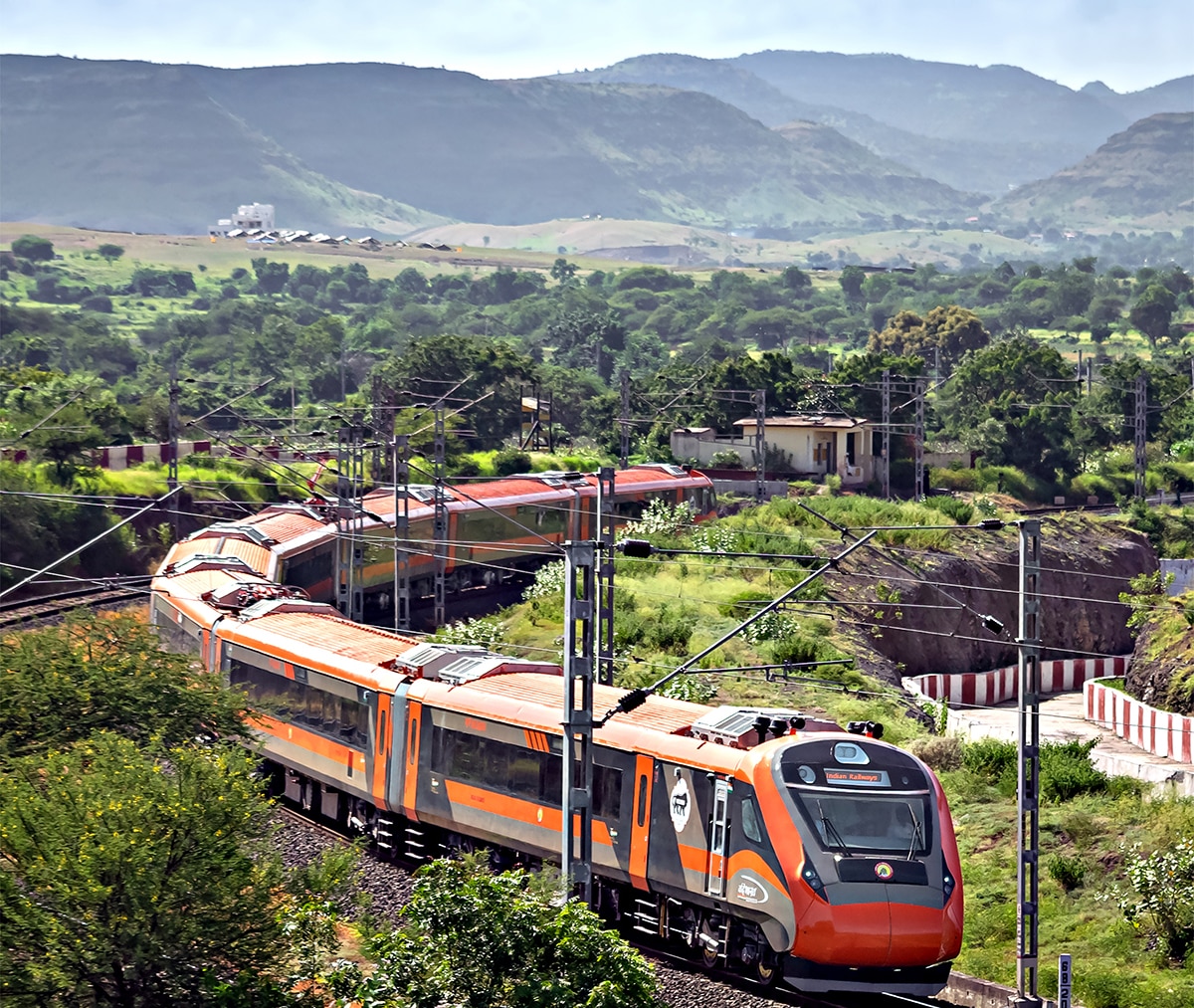
Vande Bharat has moved beyond being a symbol of modern Indian Railways and emerged as a major revenue driver. While several passenger categories continue to operate under financial pressure, premium AC segments such as AC Chair Car and AC 3-Tier have shown stronger profitability, pushing Railways to expand this network.
- 2/6
Passenger surge
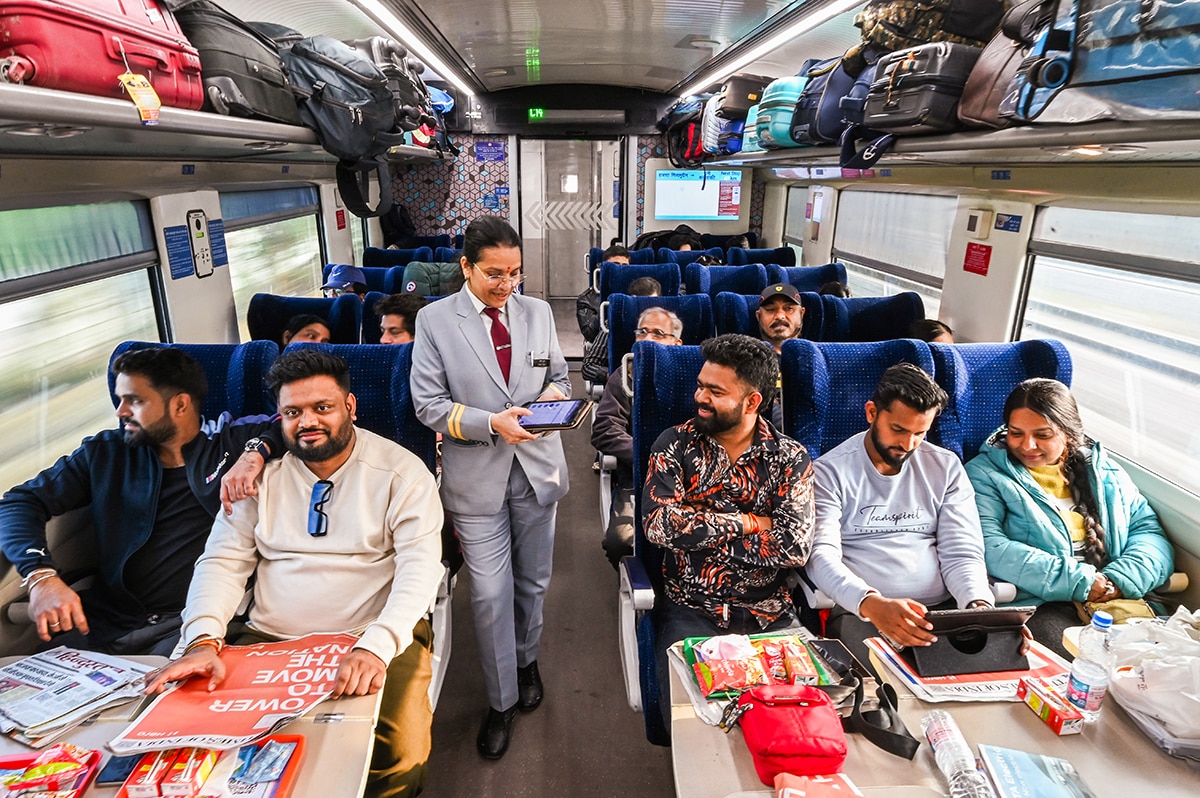
The demand story behind Vande Bharat has accelerated rapidly. Passenger numbers reached 3.98 crore in FY25-26, rising 34% from 2.97 crore in FY24-25. Since the first New Delhi–Varanasi service in 2019, these trains have carried over 9.1 crore passengers across nearly one lakh trips.
- 3/6
Full trains
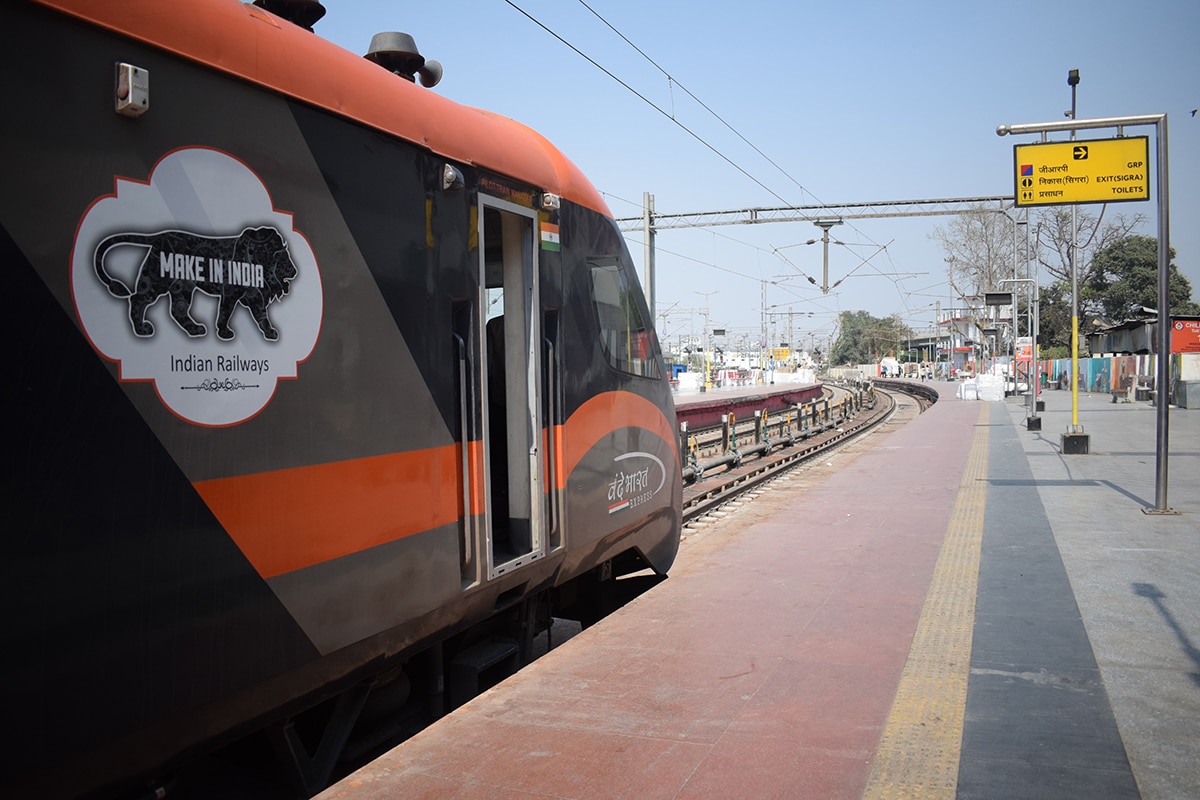
Empty seats are rarely the concern for many Vande Bharat routes. Several high-demand corridors, including Thiruvananthapuram–Mangaluru, New Delhi–Varanasi and Secunderabad–Visakhapatnam, have reported occupancy levels crossing 100% due to intermediate booking rollovers, highlighting strong passenger appetite for premium rail travel.
- 4/6
Revenue jump
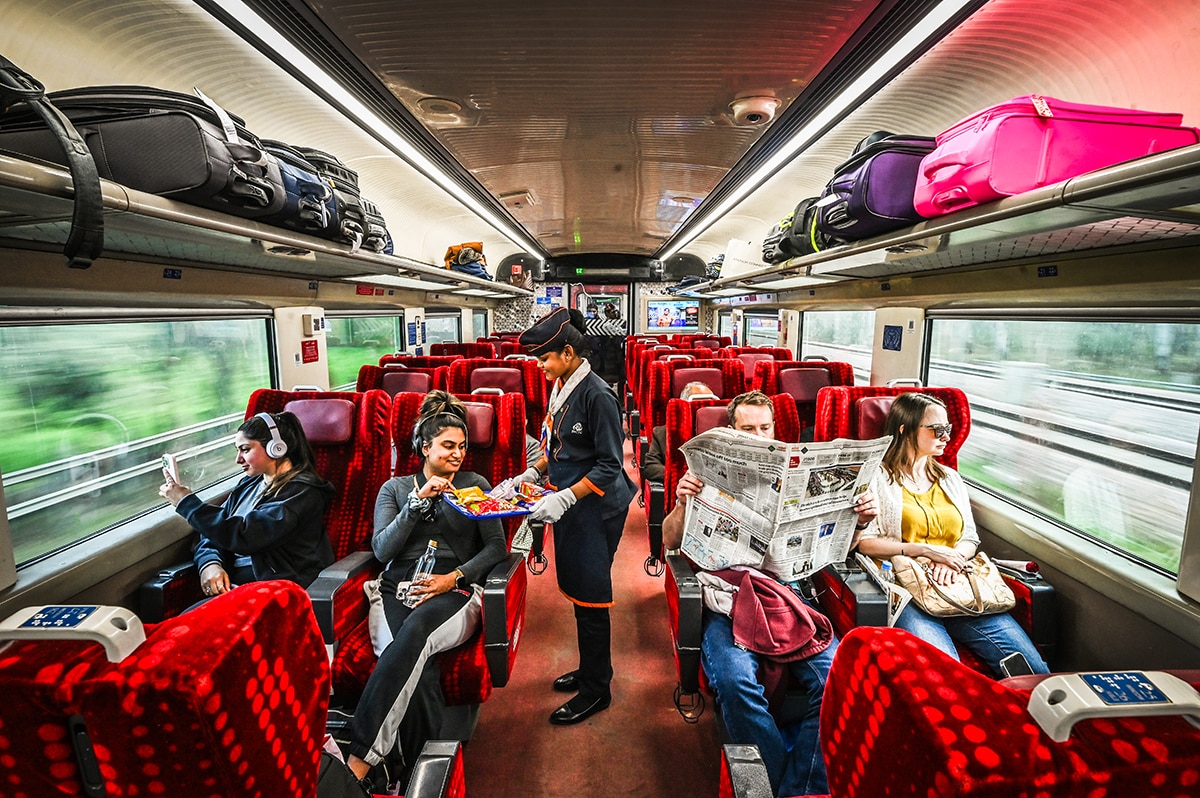
The financial appeal of Vande Bharat is visible in route earnings. Southern Railway data cited in the report shows passenger revenue from regional Vande Bharat operations rising from ₹540.65 crore in FY25 to more than ₹803 crore in FY26, reflecting growing demand for faster and more comfortable journeys.
- 5/6
Sleeper expansion
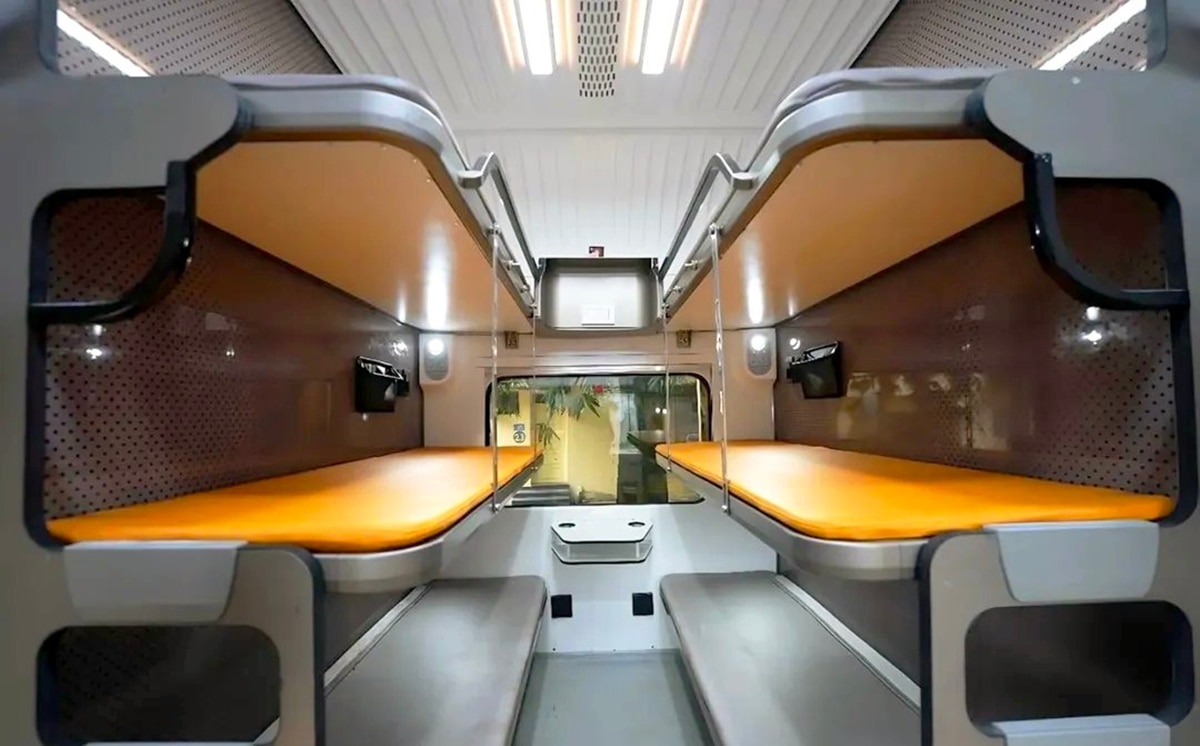
Vande Bharat’s business model is no longer limited to daytime chair-car journeys. The introduction of Vande Bharat Sleeper services is taking the premium train experience into overnight travel, with the initial services carrying more than 1.21 lakh passengers while consistently operating at full capacity.
- 6/6
800 Target
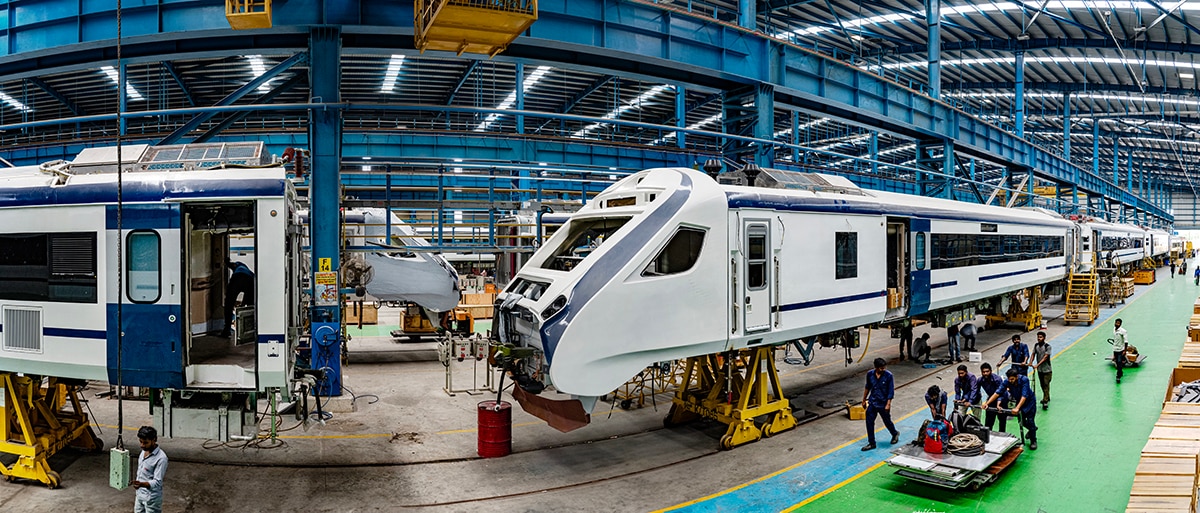
Indian Railways is betting on Vande Bharat as a long-term transformation project. With plans targeting more than 800 trainsets by 2030, the semi-high-speed network is expected to become a key part of Railways’ strategy to attract higher-paying travellers from airlines and road transport.