
Could a train beat flying between major cities? What Japan and China’s 600 km/h maglev projects actually promise
Japan has a 603 km/h test record and a delayed Tokyo–Nagoya line. China has a 600 km/h design but no public route. Here is what each maglev programme has proved—and what remains proposed.
- Sep 9, 2026,
- Updated Sep 9, 2026 3:45 PM IST
- 1/5
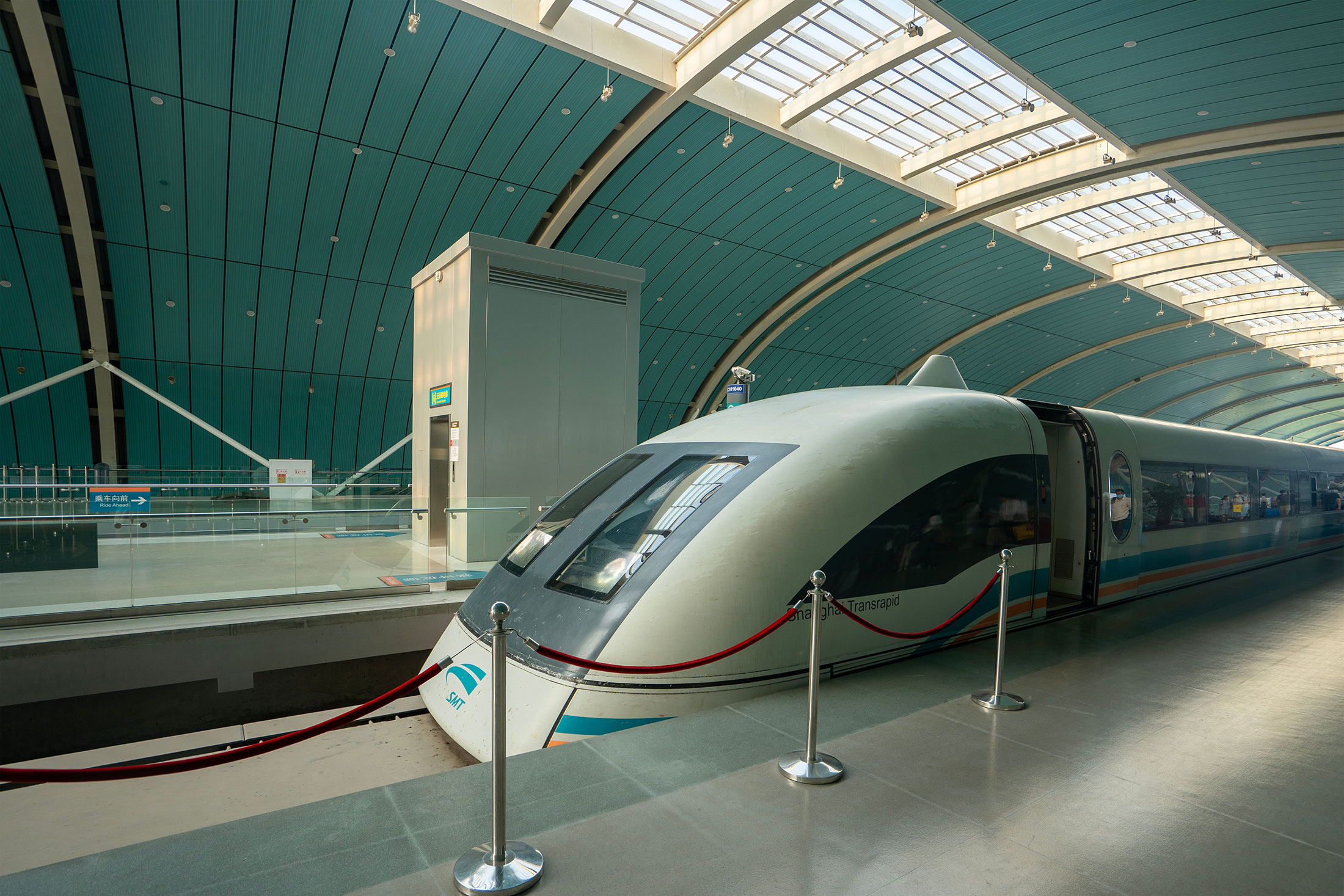
Maglev trains use magnetic forces to lift and propel the vehicle above a purpose-built guideway. Removing rolling contact permits very high speeds, but these trains cannot simply be placed on an ordinary high-speed railway line; the guideway, power and control systems must be built with the train. (Representative image)
- 2/5
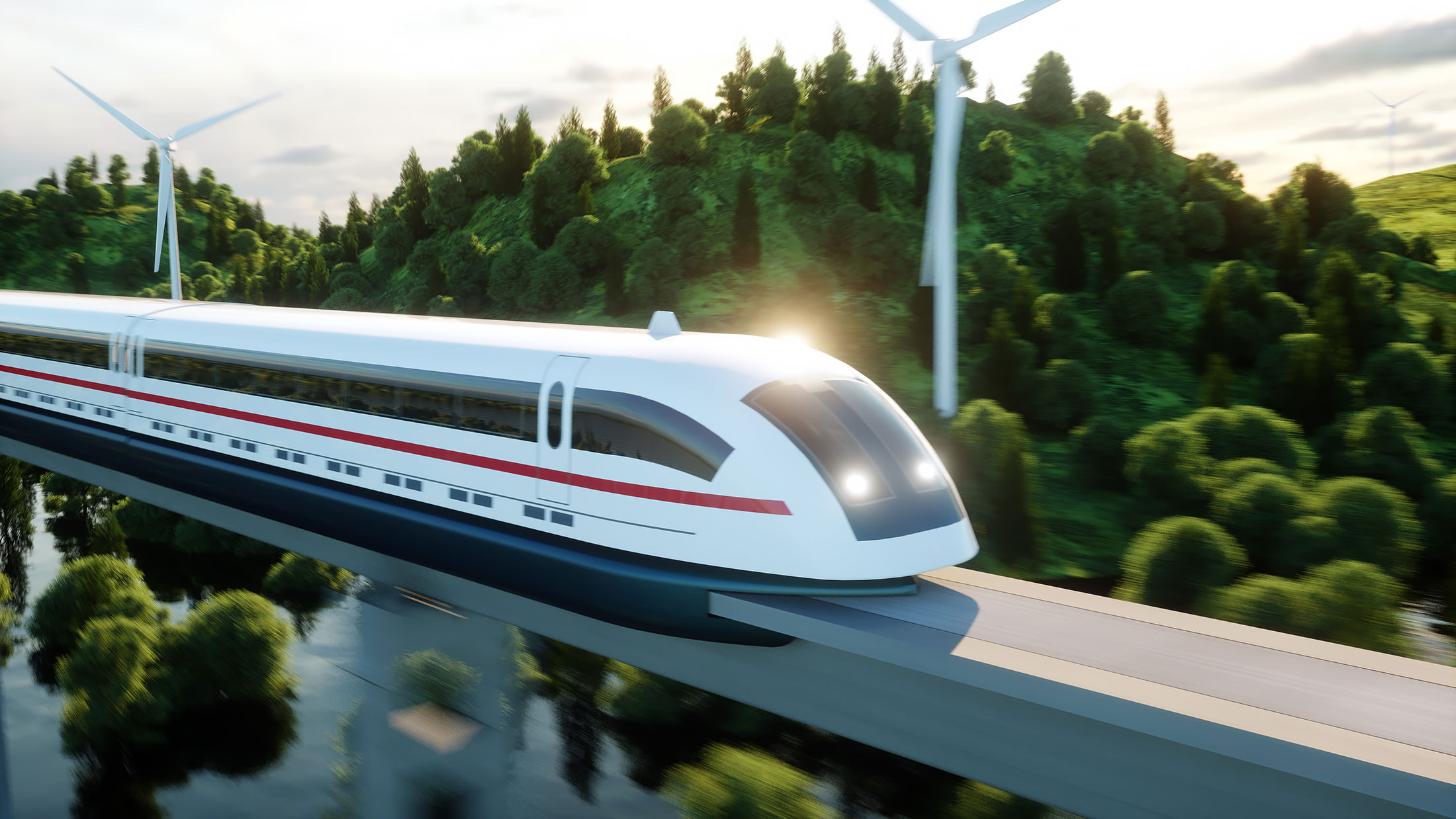
JR Central recorded 603 km/h with a manned superconducting maglev test train in April 2015. That record is a test result, not the planned everyday operating speed: the Chuo Shinkansen is designed to run commercially at approximately 505 km/h. (Representative image)
- 3/5
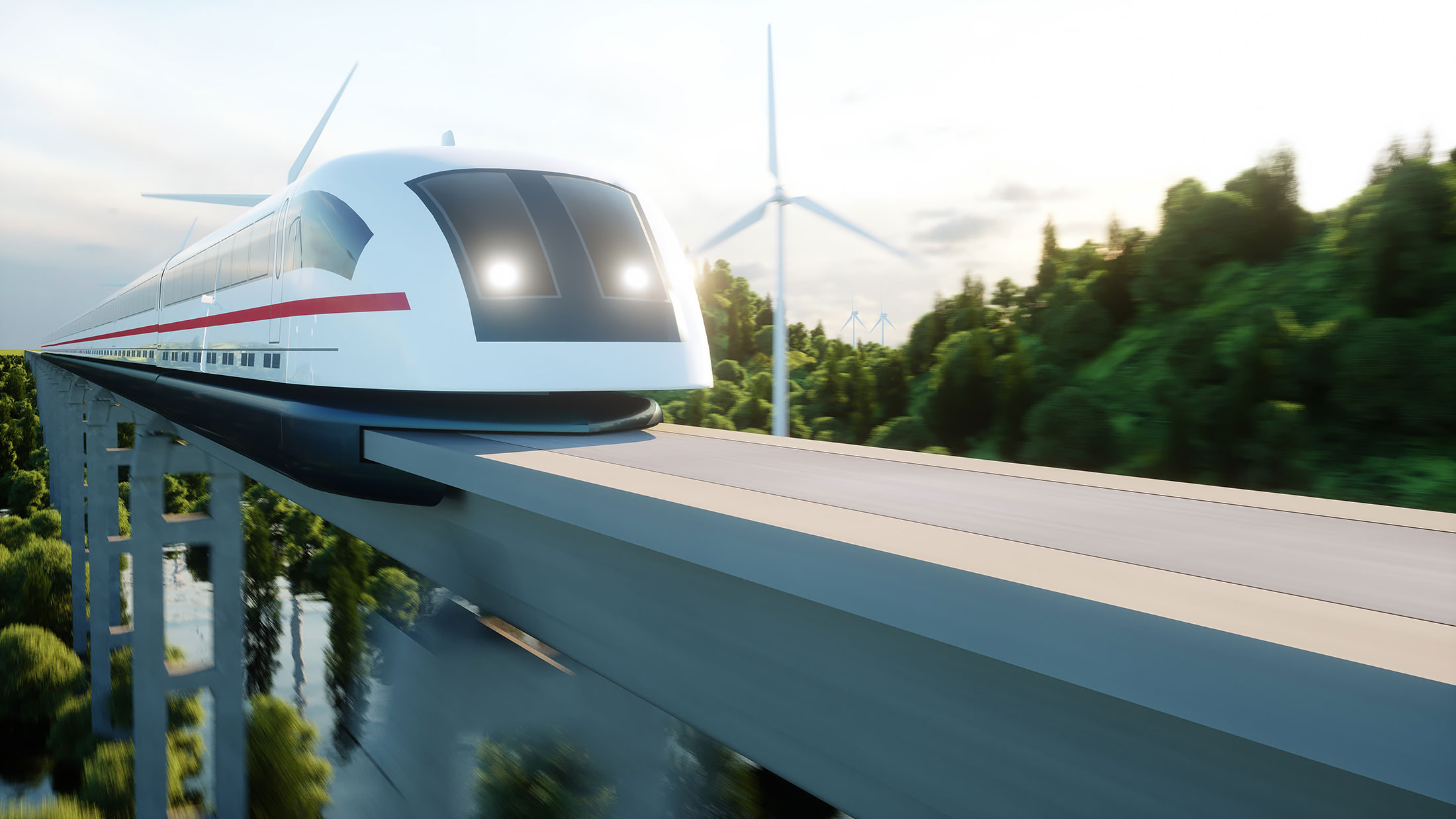
JR Central says the approximately 286-km Shinagawa–Nagoya section would reduce the fastest journey to 40 minutes. Its original 2027 opening target was abandoned after construction delays; following progress in Shizuoka, the earliest reported opening is now 2036. (Representative image)
- 4/5
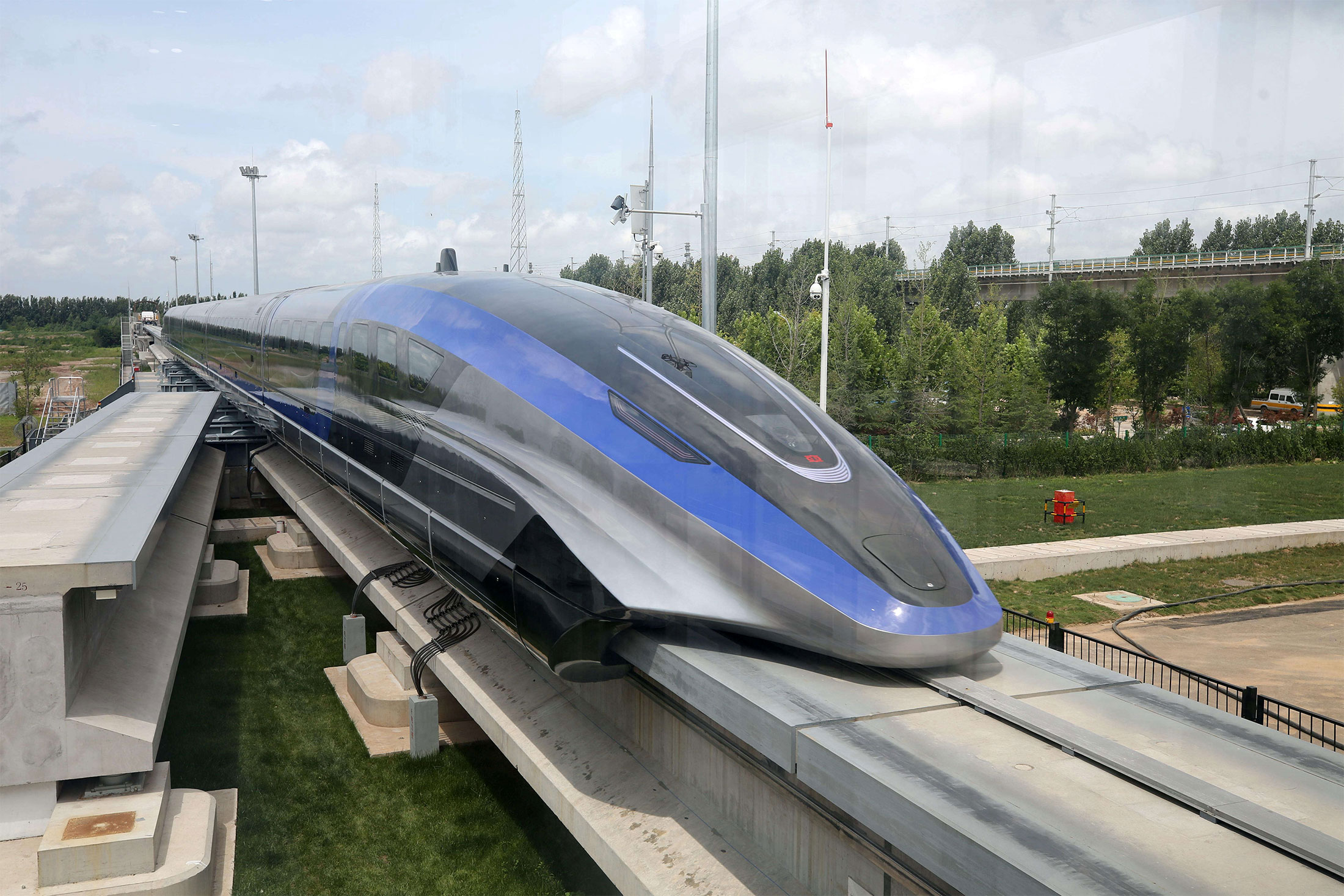
CRRC rolled out a 600 km/h prototype in Qingdao in 2019 and later displayed the complete high-speed maglev system. “Designed top speed” describes the engineering target; it does not mean a 600 km/h passenger service is operating on a public intercity route. (Representative image)
- 5/5
CRRC engineer Ding Sansan estimated in 2019 that a future maglev could complete a Beijing–Shanghai trip in about 3.5 hours when boarding time is included. The comparison with flying concerns total trip time, not aircraft cruising speed, and China has not announced a public-service date for this proposed link. (Representative image)