
Dankuni–Surat freight corridor is in planning: How the 2,052-km railway would connect industry and ports
The proposed 2,052-km Dankuni–Surat freight corridor is moving through alignment planning. Learn its purpose, industrial connections and the approvals to watch before expecting operations.
- Oct 15, 2026,
- Updated Oct 15, 2026 8:00 AM IST

- 1/6
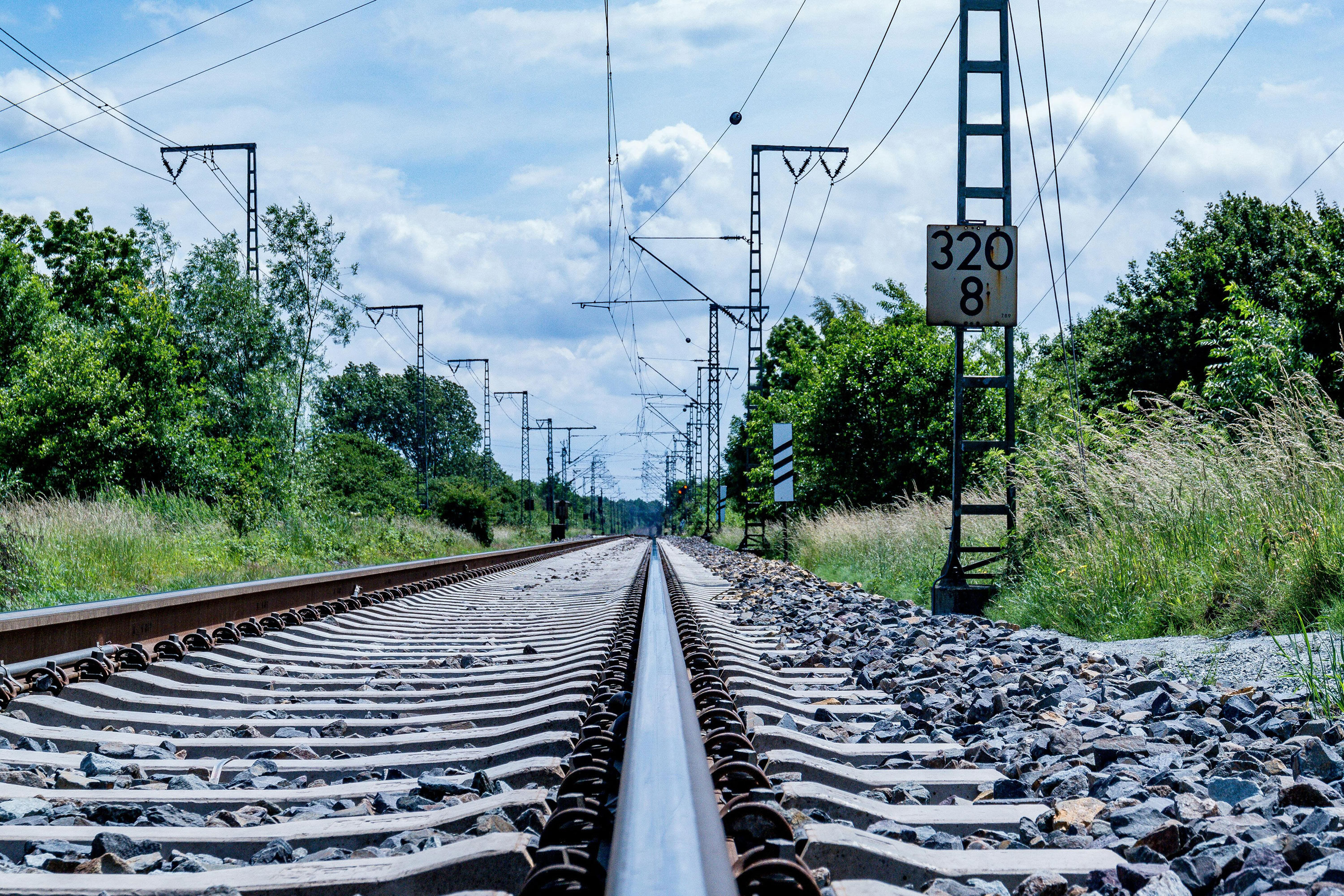
The Indian Express reports that the Railway Board is examining the proposed corridor's alignment and consulting stakeholders. This is a planning update. For readers tracking infrastructure, the useful distinction is whether a route is being designed, approved, built or opened to commercial traffic.
- 2/6
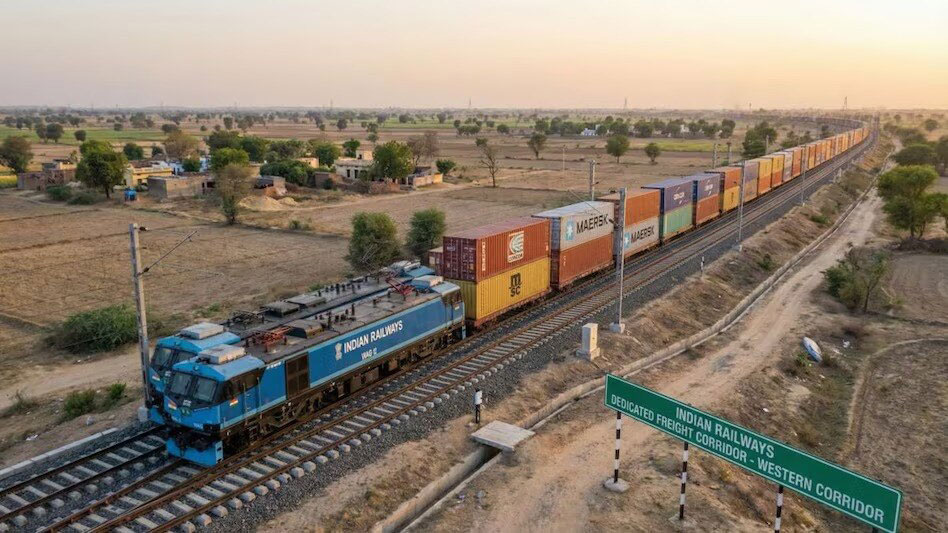
The government's Budget announcement identifies a 2,052-km dedicated freight corridor between Dankuni in West Bengal and Surat in Gujarat. The stated distance describes the proposed project. It should not be converted into a train journey time while the alignment and operating arrangements remain under development.
- 3/6
A June government release describes the proposal as a greenfield dedicated freight corridor. That places the focus on developing a new goods-transport route. It is a separate infrastructure proposition from adding a passenger service to an existing timetable or simply renaming an established railway line.
- 4/6
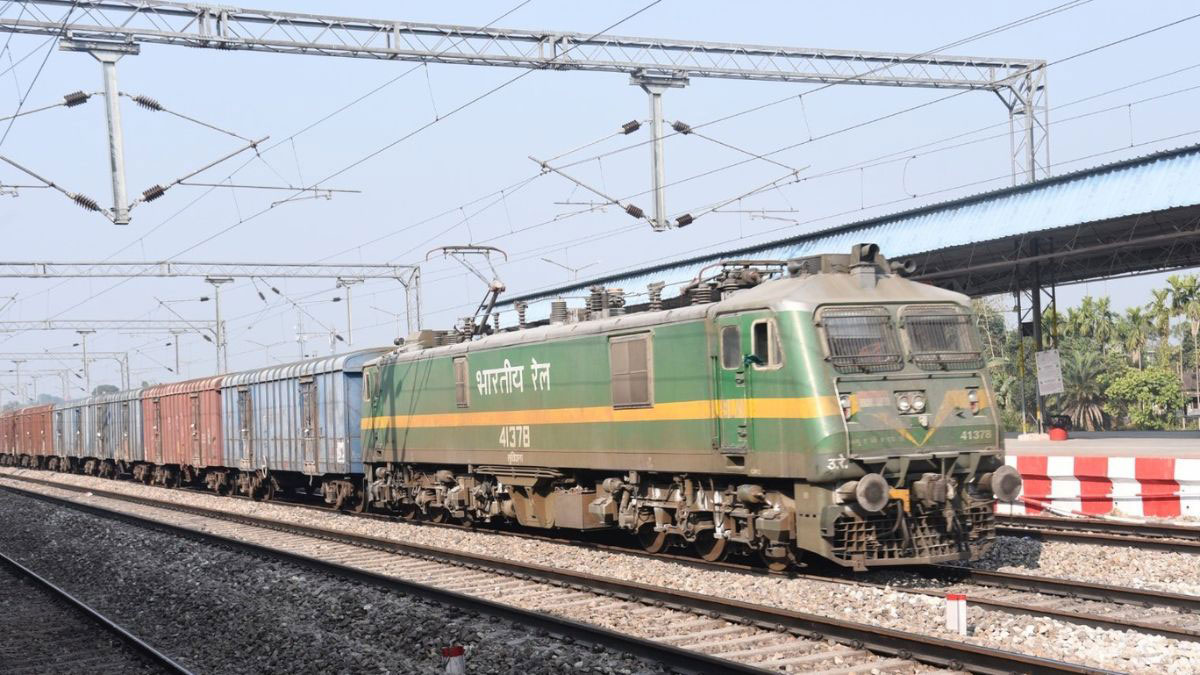
According to the Railway Board reporting, planners are examining raw-material sources, manufacturing centres and markets when assessing the alignment. That explains why the final route matters to businesses: connecting the relevant freight origins and destinations is central to the corridor's usefulness.

- 5/6
The government describes the proposal as linking major industrial hubs and ports. For a manufacturer, the practical question is the connection from factory or terminal to the trunk corridor. The announcement does not establish a specific reduction in a product's retail price or a business's freight bill.
- 6/6
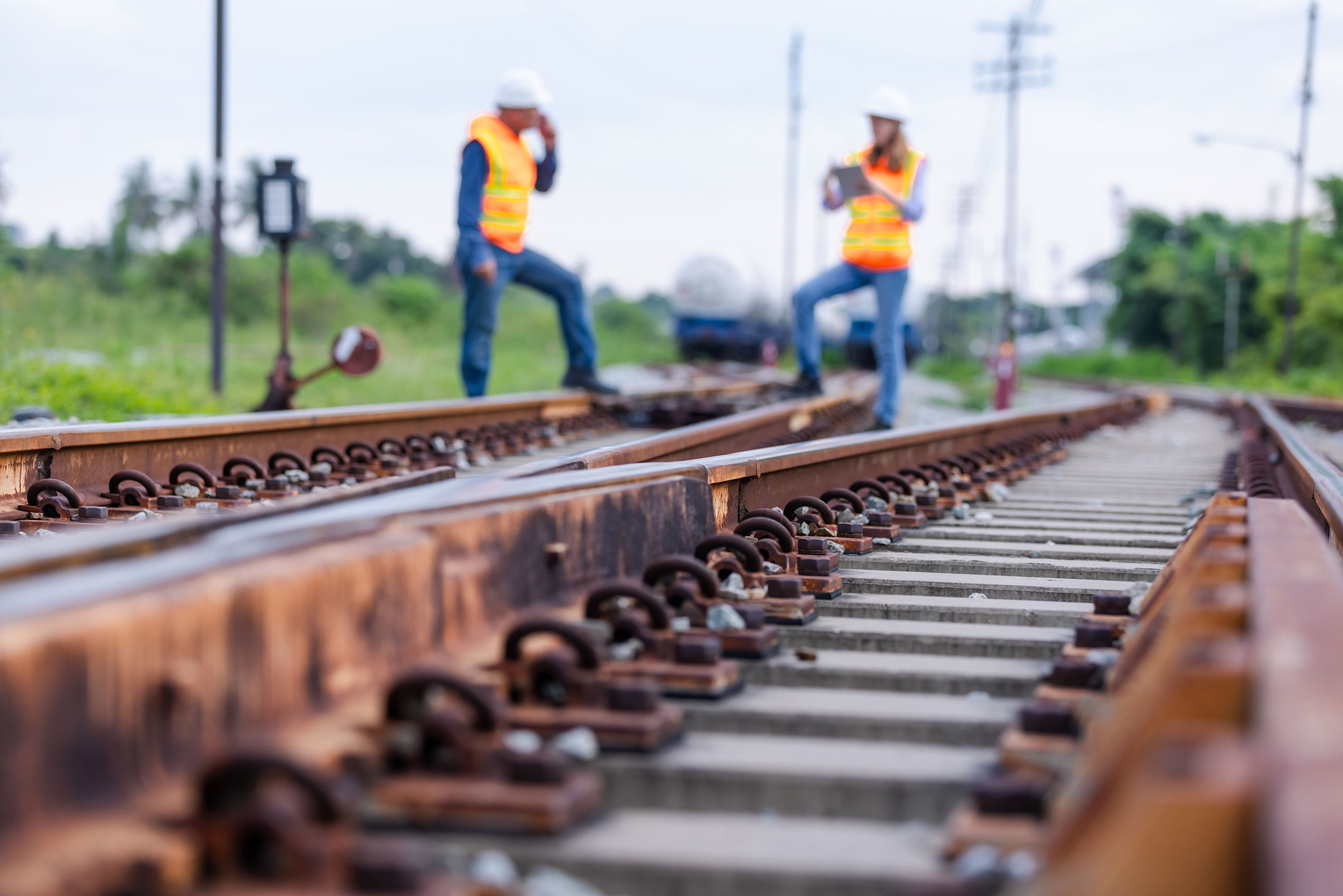
The alignment, formal approvals, land requirements, contracts and commissioning announcements are the documents to follow as the proposal progresses. The current reporting does not establish an opening date. Passenger-service benefits or specific station connections should be assessed only when the relevant plans are published.