
Delhi to Karnal in 90 minutes and Bawal in 67? What daily commuters should know before celebrating the new Namo Bharat routes
Two proposed Namo Bharat corridors could link Delhi with Karnal and Bawal in 90 and 67 minutes. DPRs are under Central review, so these are projections, not train timings just yet.
- Sep 15, 2026,
- Updated Sep 15, 2026 4:09 PM IST

- 1/5
The DPRs are submitted, but final Central approval is not announced
NCRTC has submitted detailed project reports for Delhi–Karnal and Delhi–Bawal. The Housing and Urban Affairs Ministry said in August that RRTS proposals undergo examination before the Centre considers financial assistance. That is a clear step forward, but it is not a Union Cabinet construction approval.

- 2/5
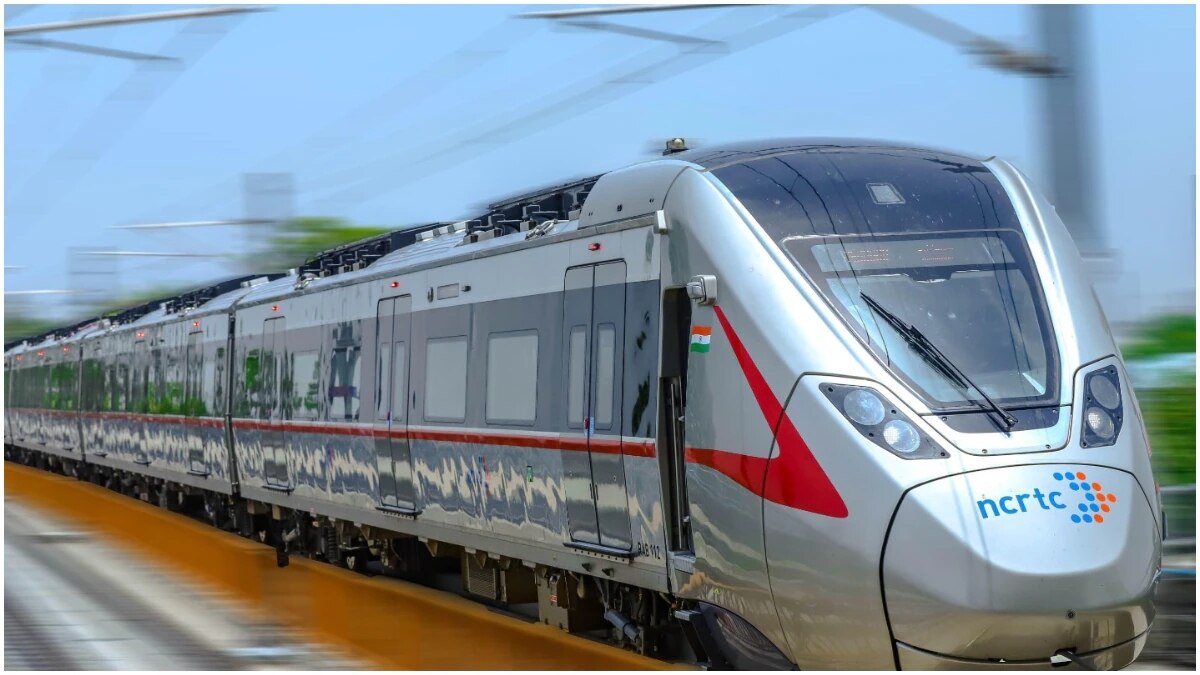
Delhi–Panipat–Karnal is shown as a 136-km corridor
NCRTC’s current project page lists the Delhi–Panipat–Karnal corridor at 136 km with 17 main-line stations, excluding Sarai Kale Khan. It is intended to serve Sonipat, Gannaur, Samalkha, Panipat and Karnal. NCRTC itself labels the information tentative and subject to final approval.
- 3/5
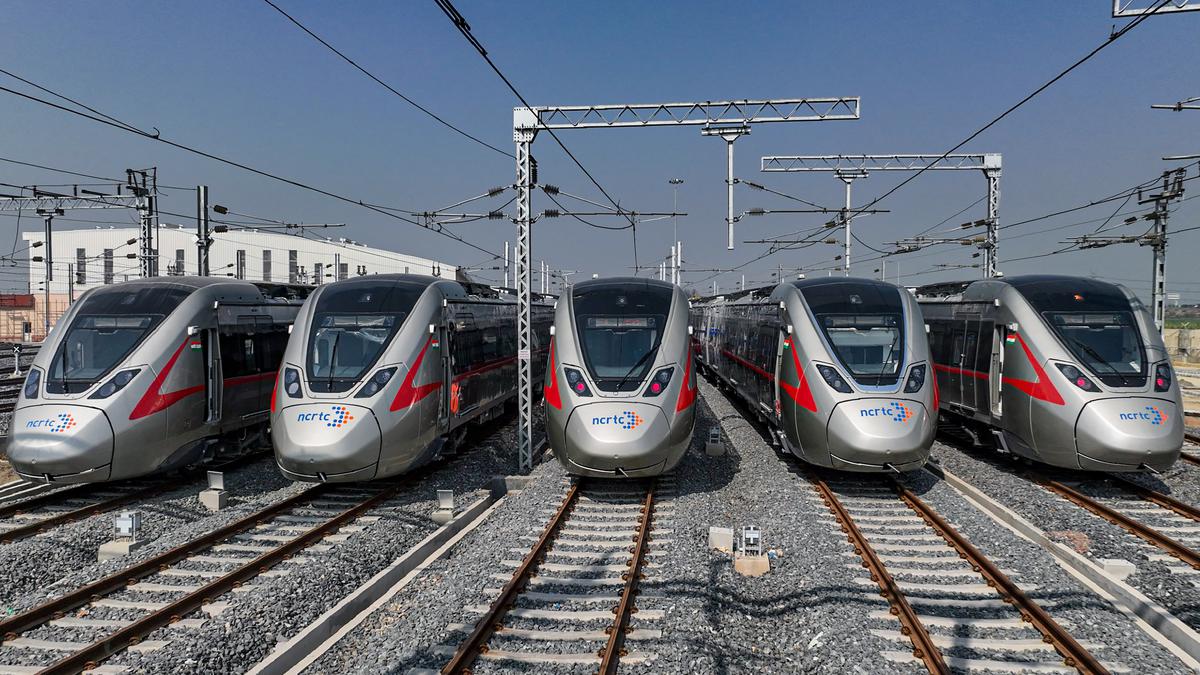
Bawal sits on the proposed Delhi–Gurugram–Alwar alignment
The broader Delhi–Gurugram–SNB–Alwar plan is listed at 196 km with 22 main-line stations. Its proposed path runs from Sarai Kale Khan through Munirka, Aerocity, Gurugram, Sotanala and Rewari towards Alwar, serving the Manesar, Bawal and Neemrana industrial belt.
- 4/5
The 90- and 67-minute claims are project estimates
NCRTC Managing Director Shalabh Goel told Financial Express that Delhi–Karnal is expected to take about 90 minutes and Delhi–Bawal about 67 minutes, versus roughly 180 minutes currently. Until routes, stops and operations are approved, these should be described as projected journey times—not a passenger timetable.

- 5/5
Preparatory surveys do not mean passenger service is close
Geotechnical investigations, utility mapping and power-line or pipeline changes can reduce delays after approval. They do not establish a construction start, opening date, fare or final station list. Commuters should wait for the formal sanction and an official implementation schedule before planning around these routes.