
Delhi-Varanasi Bullet Train Redefine Travel Like Never Before
Delhi-Varanasi bullet train will revolutionize travel in Uttar Pradesh, cutting Delhi-Lucknow to 2h10m, Jewar-Lucknow to 1h40m, boosting connectivity, tourism, and economic growth.
- Jun 29, 2026,
- Updated Jun 30, 2026 3:46 PM IST
- 1/9
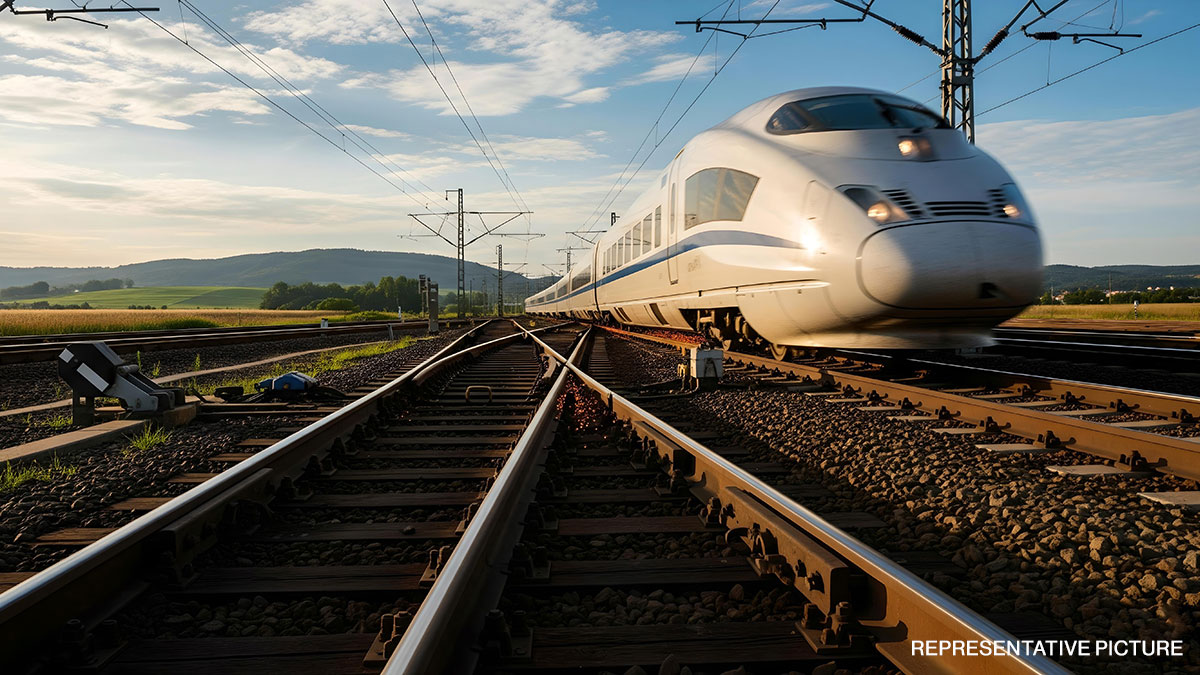
Speed Revolution
Uttar Pradesh travel is about to be transformed as the Delhi–Varanasi bullet train compresses journey times dramatically, turning trips that once took hours into lightning-fast connections, with Delhi to Lucknow in just two hours and 10 minutes. Experts predict a seismic shift in regional mobility, making daily commutes, business trips, and intercity access faster and more efficient than ever before.
- 2/9
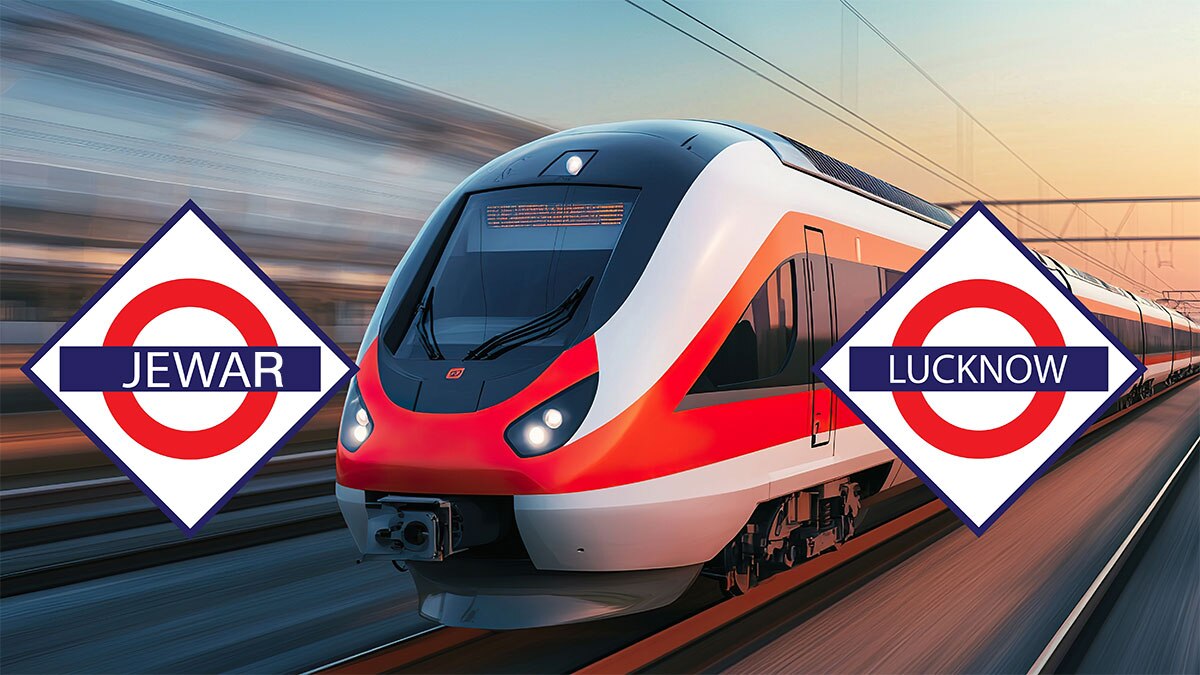
Time Compression
The corridor slashes Jewar to Lucknow travel to just one hour and 40 minutes, a massive reduction compared to conventional road and rail journeys. Analysts say this will trigger a ripple effect across transport logistics, redefining how residents, businesses, and tourists navigate northern India.
- 3/9
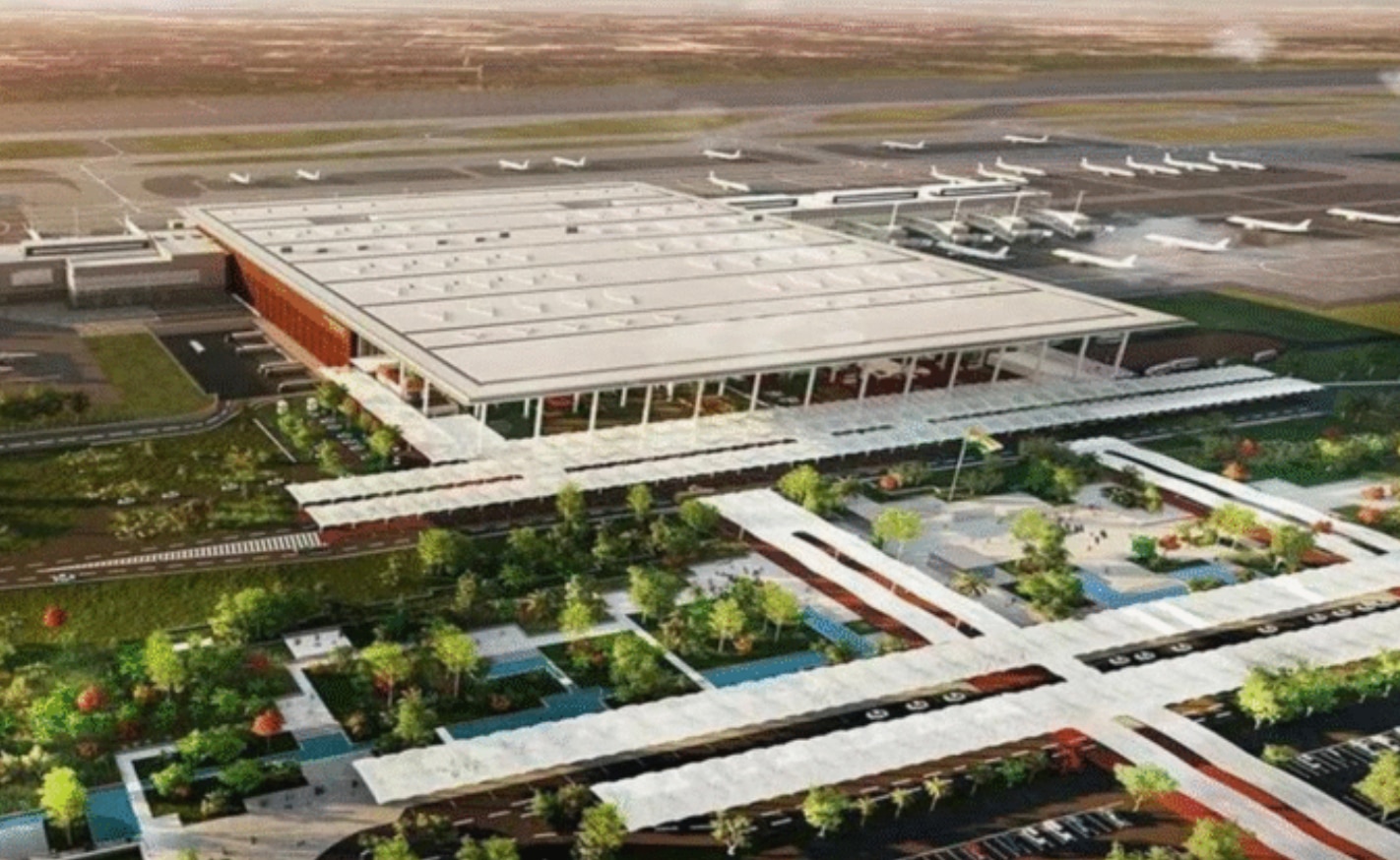
Airport Synergy
By integrating with the upcoming Jewar international airport, the bullet train is expected to create one of India’s most advanced multi-modal transport hubs. This convergence is poised to improve passenger flow, accelerate economic activity, and strengthen regional connectivity, potentially positioning Uttar Pradesh as a national mobility leader.

- 4/9
Economic Catalyst
Once operational, the corridor is projected to boost access to employment centers, educational institutions, and healthcare hubs. Urban planners suggest this could stimulate investments in logistics, real estate, and manufacturing, while opening the floodgates for tourism in culturally rich areas of northern India.
- 5/9
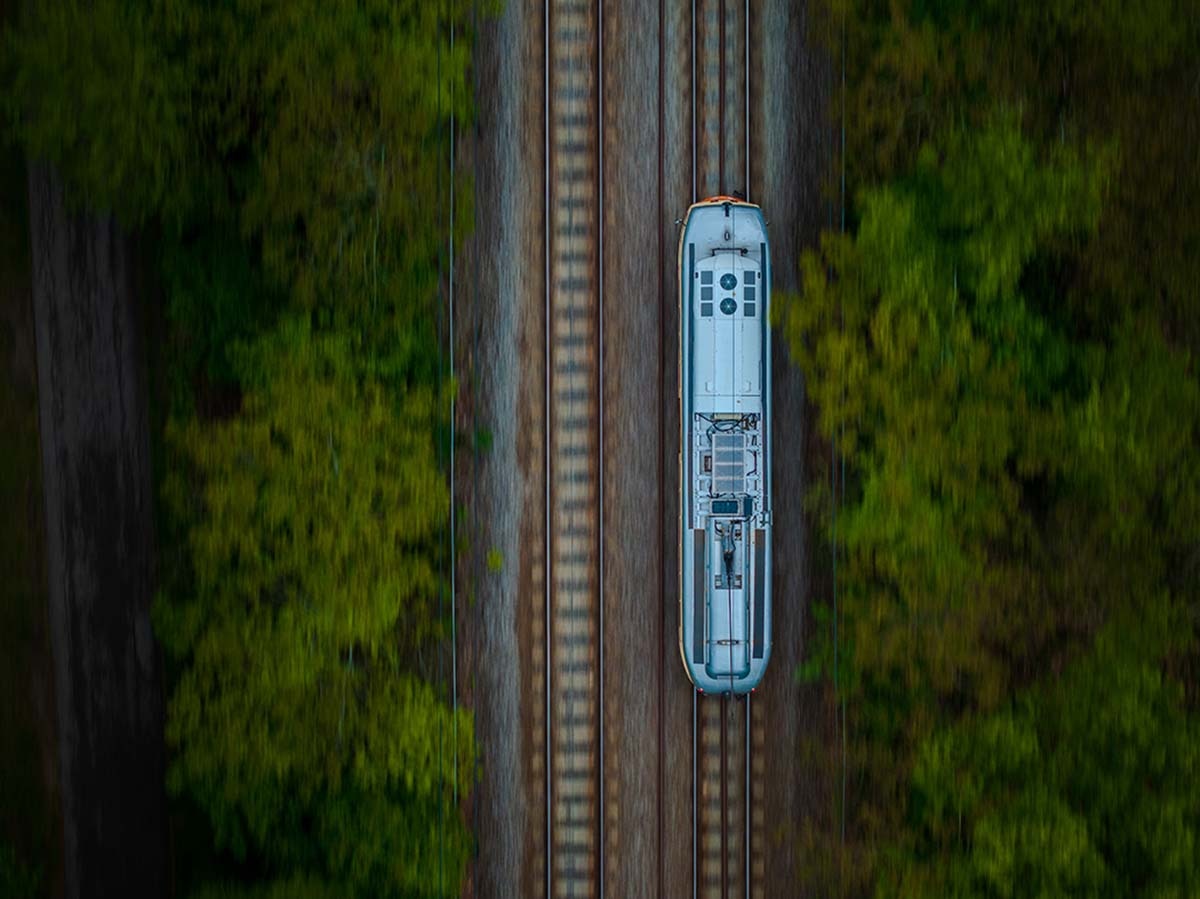
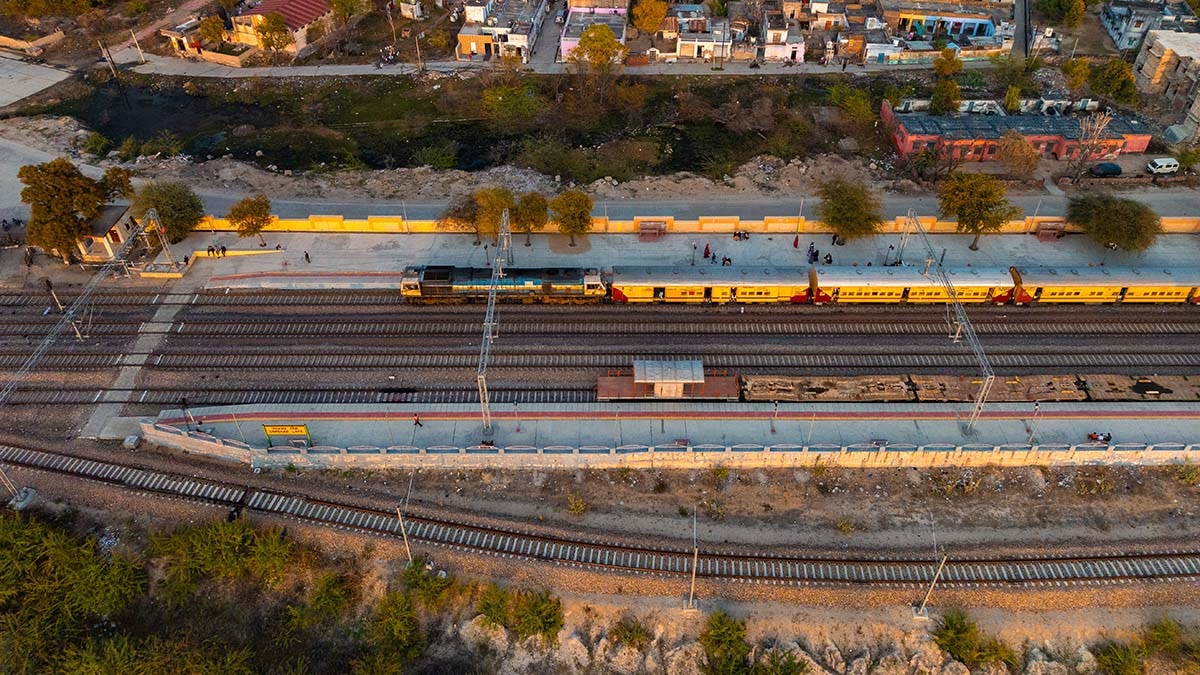
Network Expansion
Delhi–Varanasi is part of India’s ambitious high-speed rail rollout, reflecting a shift toward energy-efficient, high-capacity rail systems. Officials say this will set benchmarks for future corridors, aligning engineering standards with global high-speed rail best practices.
- 6/9
Infrastructure Hurdles
Parliamentary assessments warn that incomplete land acquisition and statutory approvals could delay the project. Experts emphasize disciplined execution, highlighting that timely clearances are crucial to avoid cost overruns and ensure large-scale infrastructure delivery without compromising quality.

- 7/9
Mobility Redefined
Commuters, businesses, and regional planners anticipate a transformation in travel behavior. Faster rail connections are expected to replace long road trips, making intercity movement predictable, reliable, and efficient, while reshaping Uttar Pradesh’s transport landscape.

- 8/9
Tourism Boost
Heritage and cultural destinations along the corridor will become more accessible, shrinking travel times and encouraging short, frequent trips. Analysts predict a surge in tourism, with shorter journeys allowing visitors to explore multiple sites in a single day, generating revenue and local employment.
- 9/9
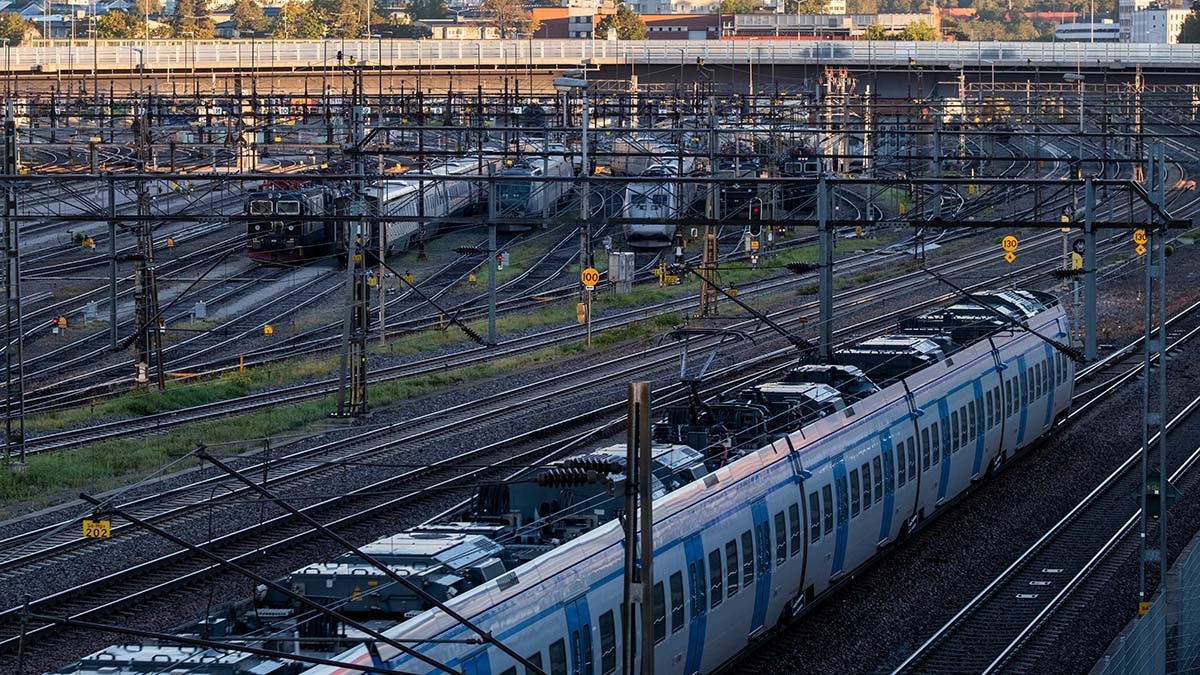
Regional Integration
The corridor is designed to connect emerging urban centers with established administrative hubs. By enabling faster, predictable movement across densely populated regions, the high-speed rail system is poised to integrate northern India’s economy, fostering collaboration and reducing travel friction for millions of commuters.