
Indian Railways cut train accidents by 88% in 12 years — here’s exactly how it was done
Indian Railways has cut consequential train accidents by 88% in 12 years — through Kavach 4.0, electronic interlocking at 6,671 stations and zero unmanned Broad Gauge level crossings.
- Jul 30, 2026,
- Updated Jul 30, 2026 2:52 PM IST
- 1/6
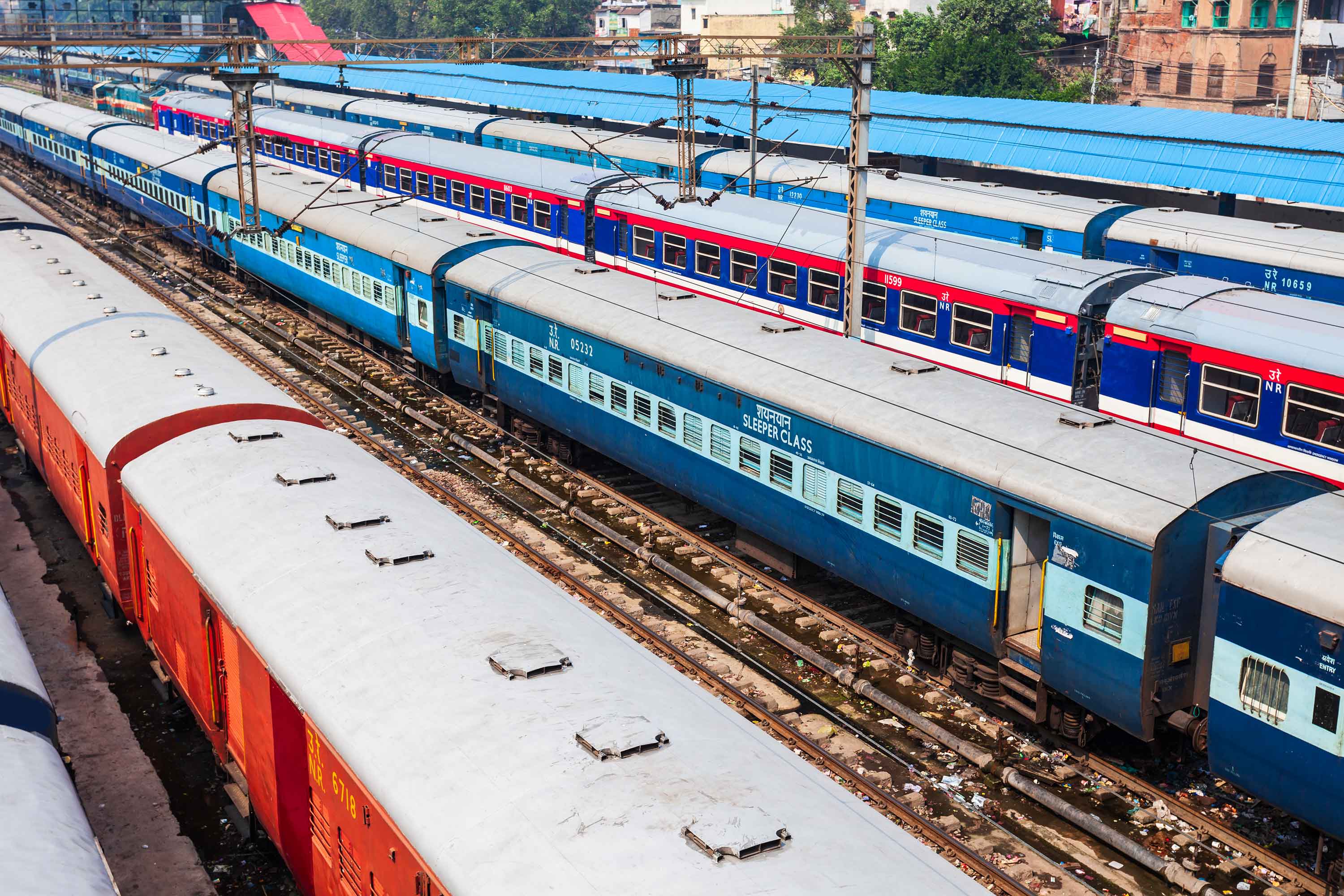
Indian Railways has reported an 88% decline in consequential train accidents over the past 12 years, with only two such accidents recorded so far in the 2026-27 financial year. Railway Minister Ashwini Vaishnaw shared the figures in the Lok Sabha, stating that safety remains the Railways' highest priority.
- 2/6
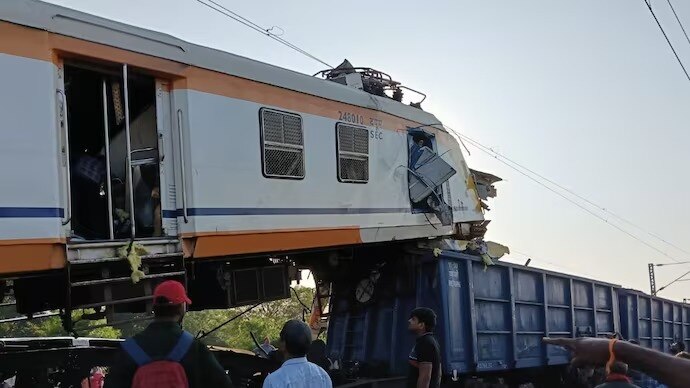
Consequential train accidents are serious operational incidents — collisions, derailments, fires and accidents at level crossings — that directly affect train operations and passenger safety. These have declined steadily over the past decade through sustained investment and technology deployment.
- 3/6
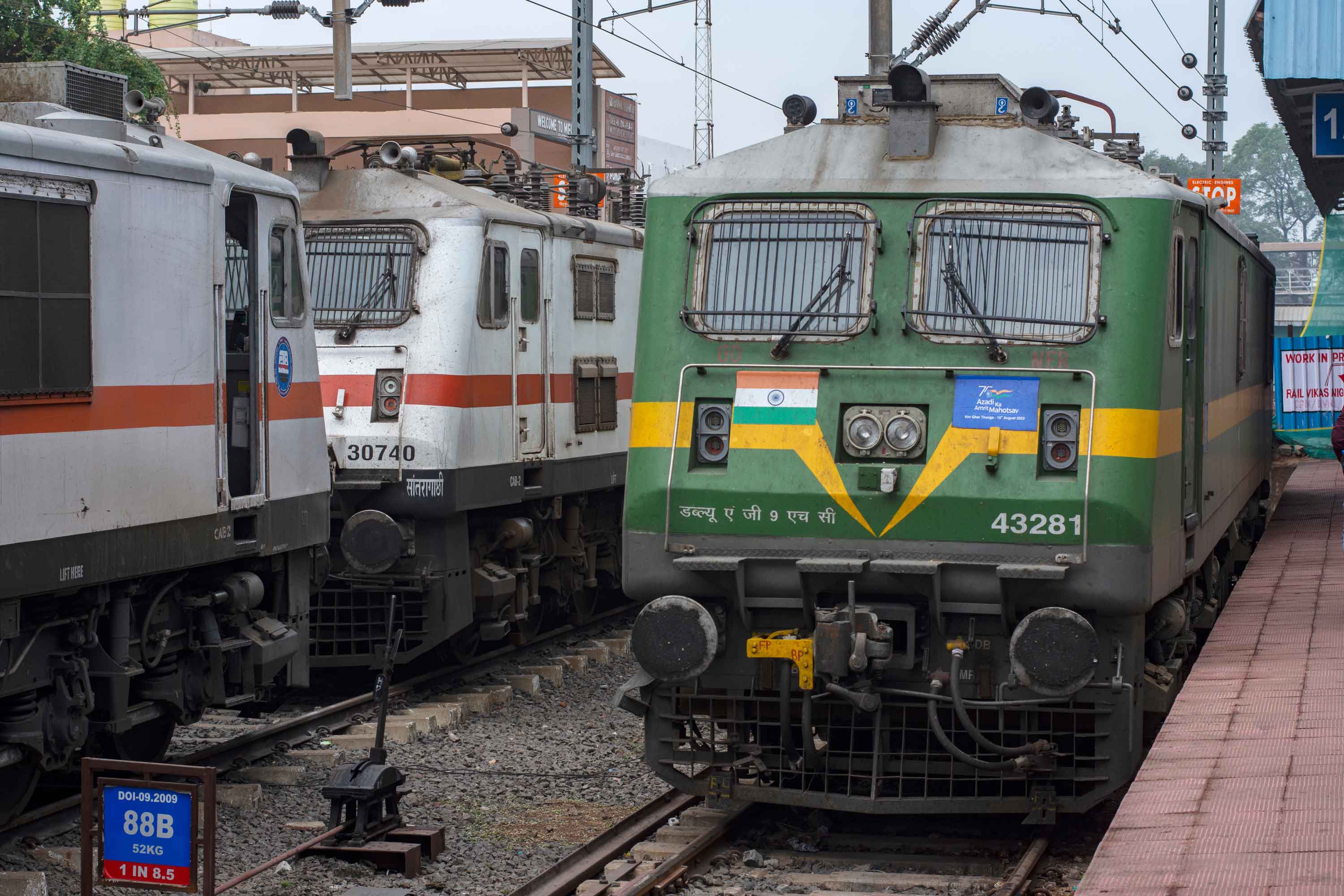
One of the most impactful safety measures has been the expansion of electronic interlocking systems at 6,671 railway stations — significantly reducing the scope for human error in signalling and train movement authorisation across the network.
- 4/6
Indian Railways has completely eliminated unmanned level crossings on the Broad Gauge network — removing one of the most dangerous accident-prone points on the railway system. Wider use of LHB coaches, which offer better protection during accidents, has also contributed significantly.
- 5/6
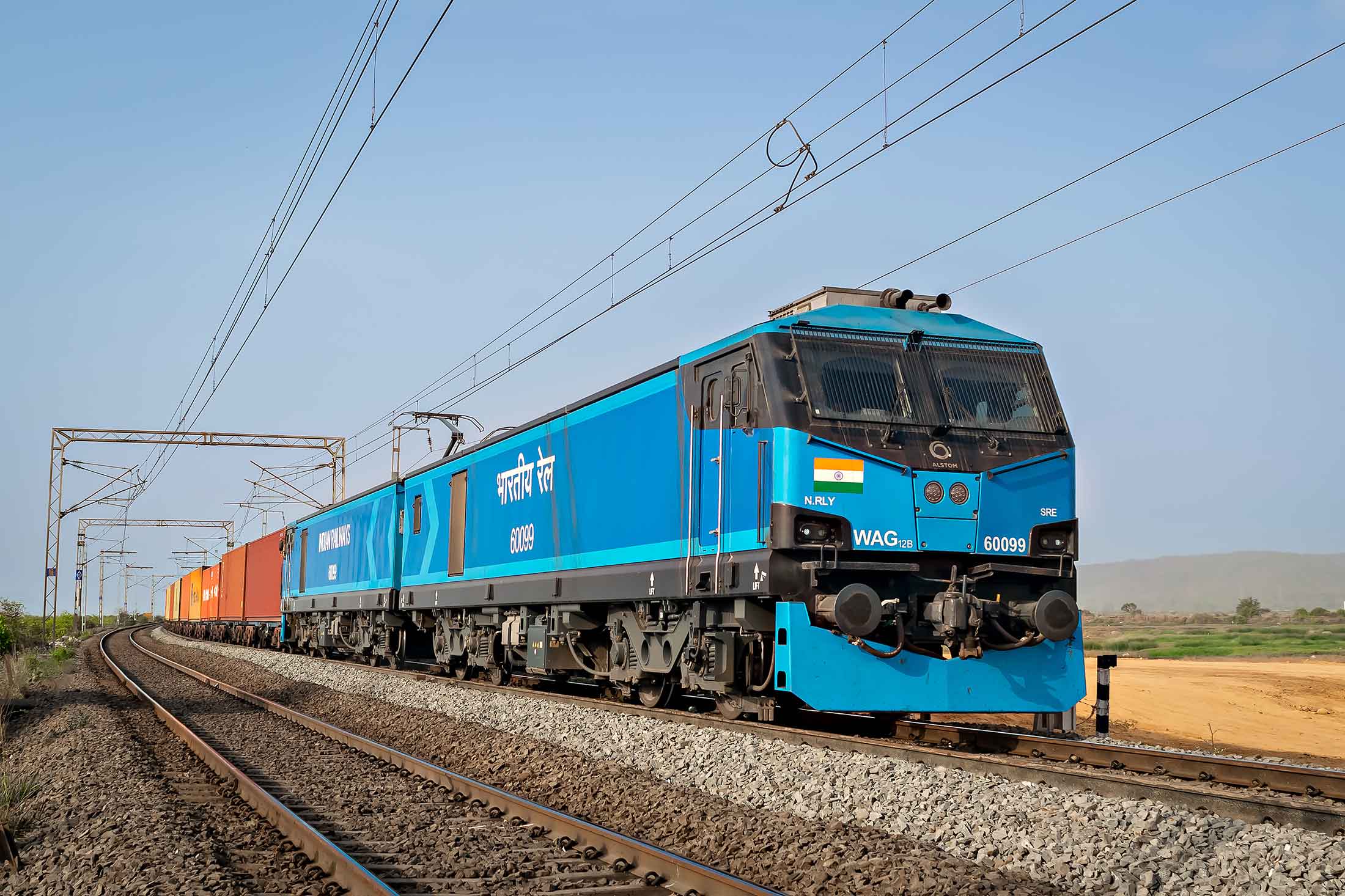
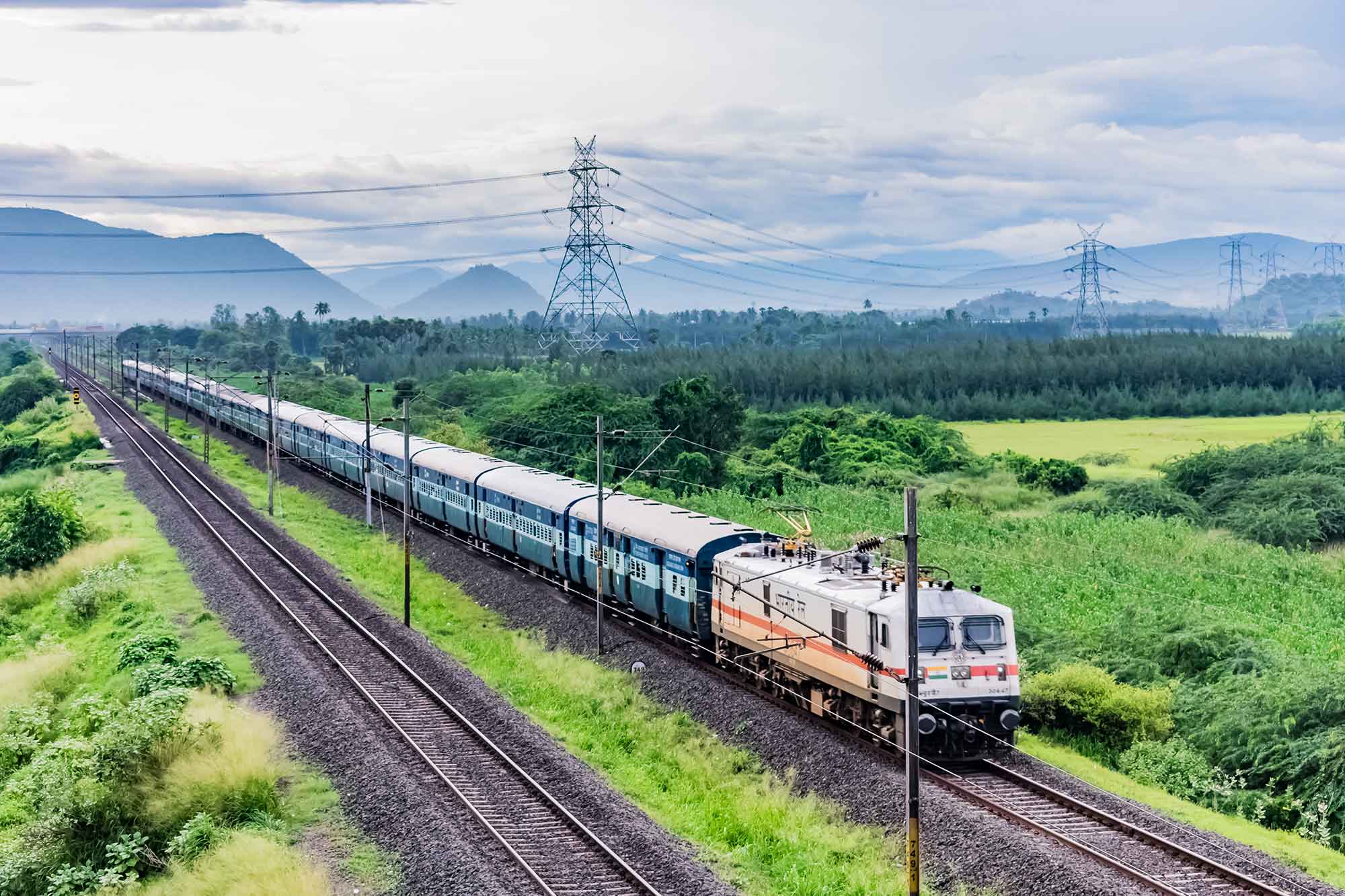
The indigenous Kavach 4.0 automatic train protection system has been commissioned on 2,490 route kilometres, covering parts of the high-density Delhi-Mumbai and Delhi-Howrah corridors. Implementation work is also under way on 21,937 route kilometres, with installation on 7,435 locomotives and 1,200 EMU/MEMU trains.
- 6/6
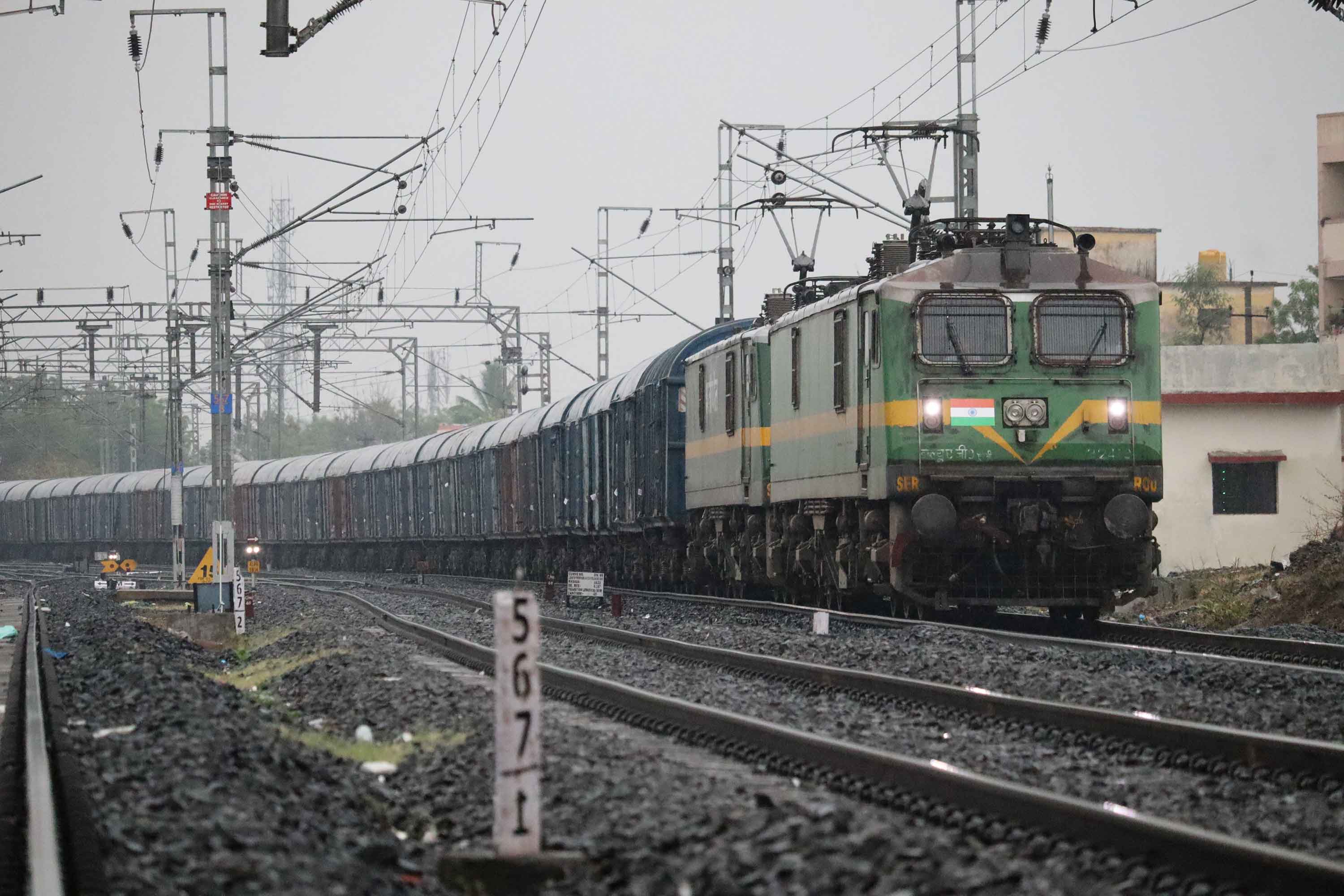
The Ministry said investments in track renewal, bridge upgrades, signalling systems and rolling stock have increased significantly over the past decade — alongside higher production of LHB coaches and a sharp reduction in weld failures as part of a comprehensive railway safety strategy.