
India's first bullet train will detect earthquakes and stop automatically — here's the full safety system explained
Mumbai-Ahmedabad bullet train electrification is underway — 2×25 kV system, 22,000 steel masts, 28 earthquake sensors and Made-in-India components powering India's first 320 kmph corridor.
- Jul 23, 2026,
- Updated Jul 24, 2026 8:53 AM IST
- 1/7
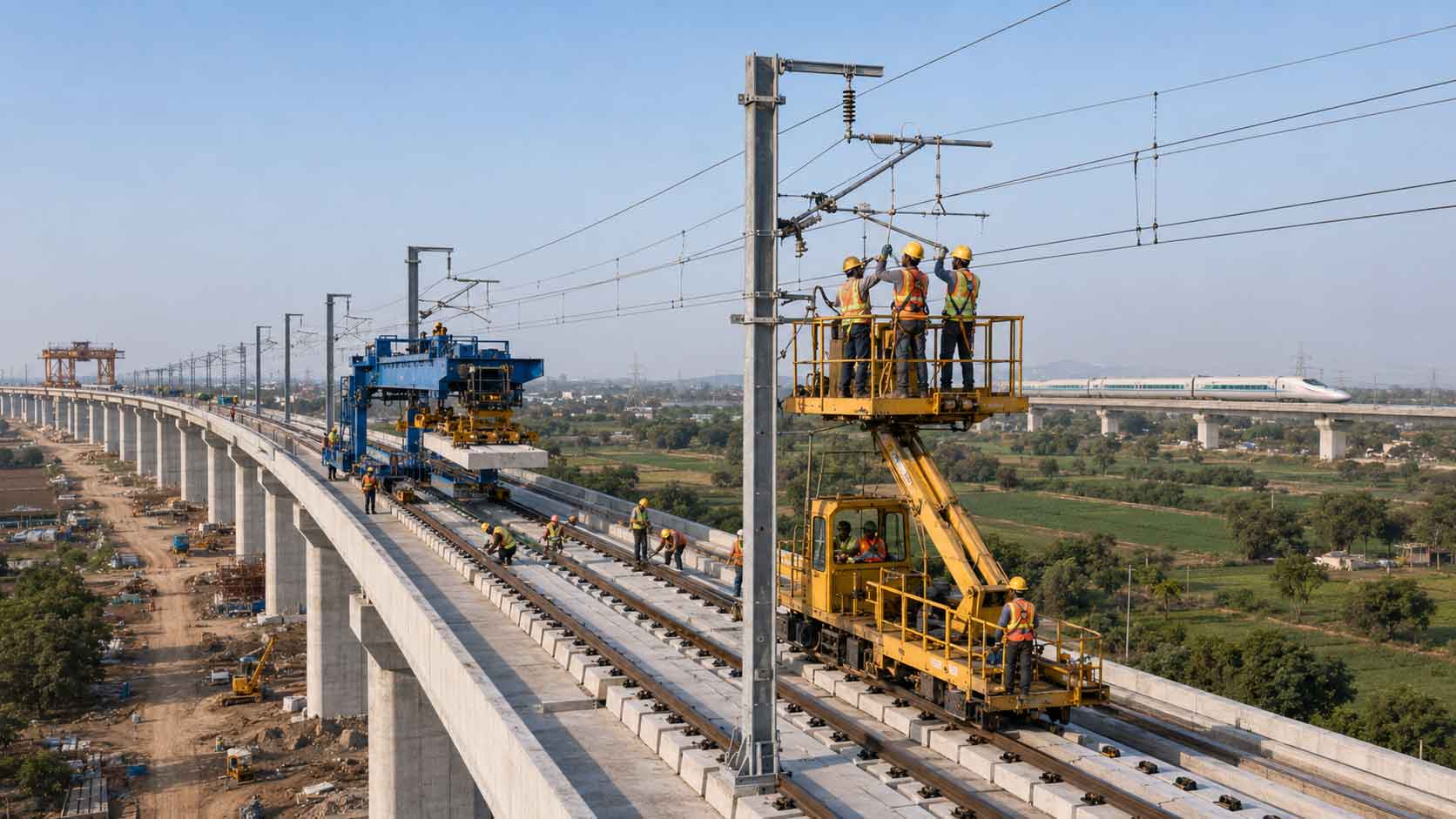
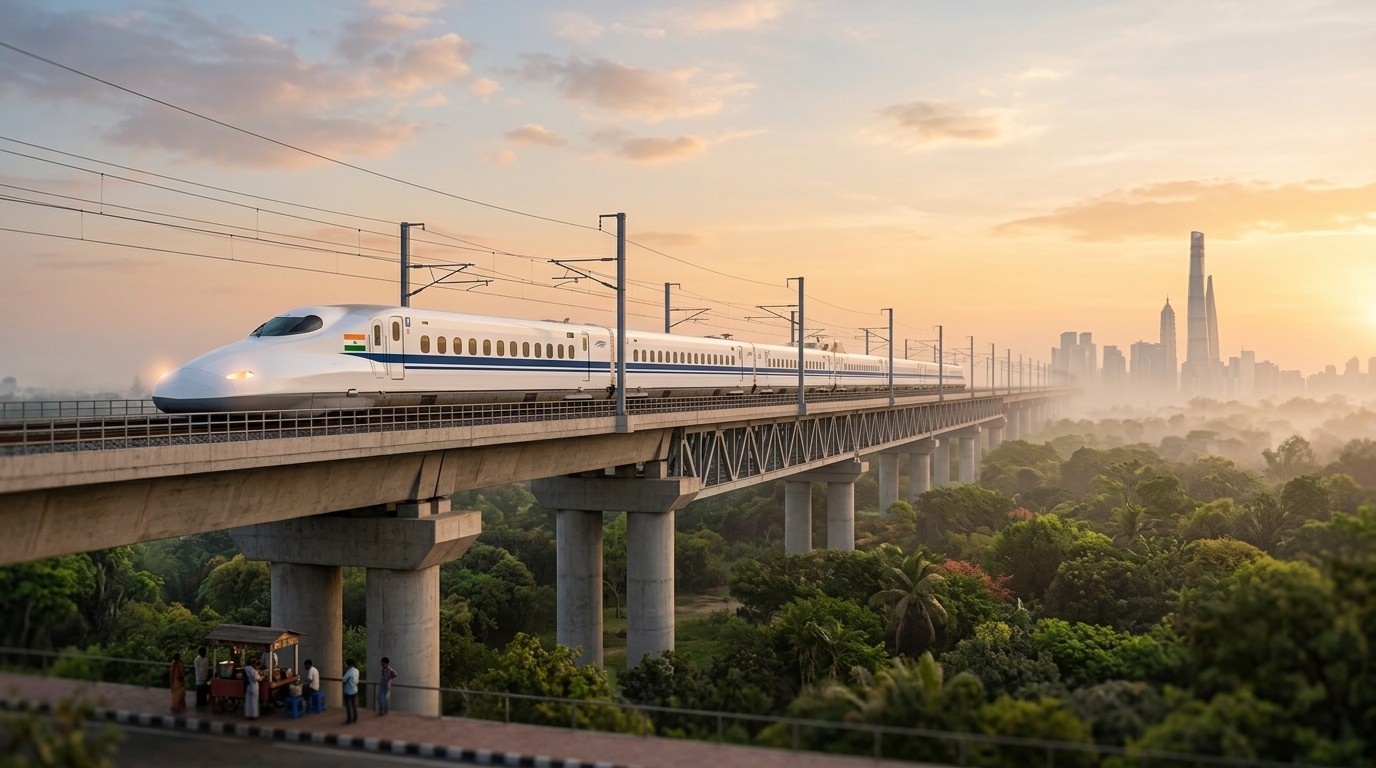
India's 508-km Mumbai-Ahmedabad High-Speed Rail corridor is being electrified. The system being installed has never been used in India before — a 2×25 kV overhead traction network designed to run trains at 320 kmph. Civil construction, track laying and electrification are all progressing simultaneously. (AI generated representative image)
- 2/7
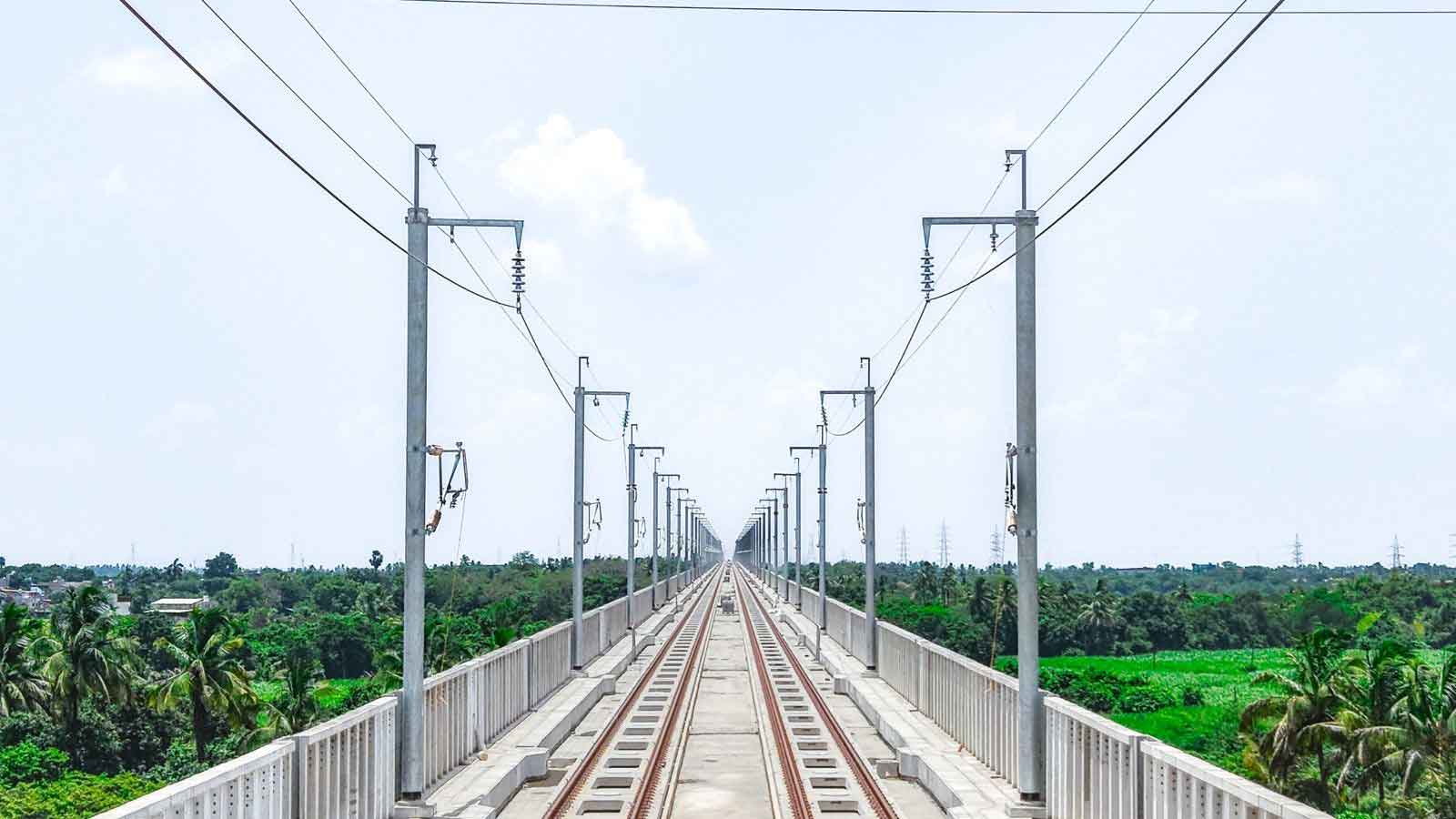
The 2×25 kV Overhead Traction System is one of the most sophisticated railway electrification technologies in the world. Power flows from the National Grid to 14 Traction Substations along the route — 5 in Maharashtra and 9 in Gujarat — ensuring stable power for trains doing 320 kmph.
- 3/7
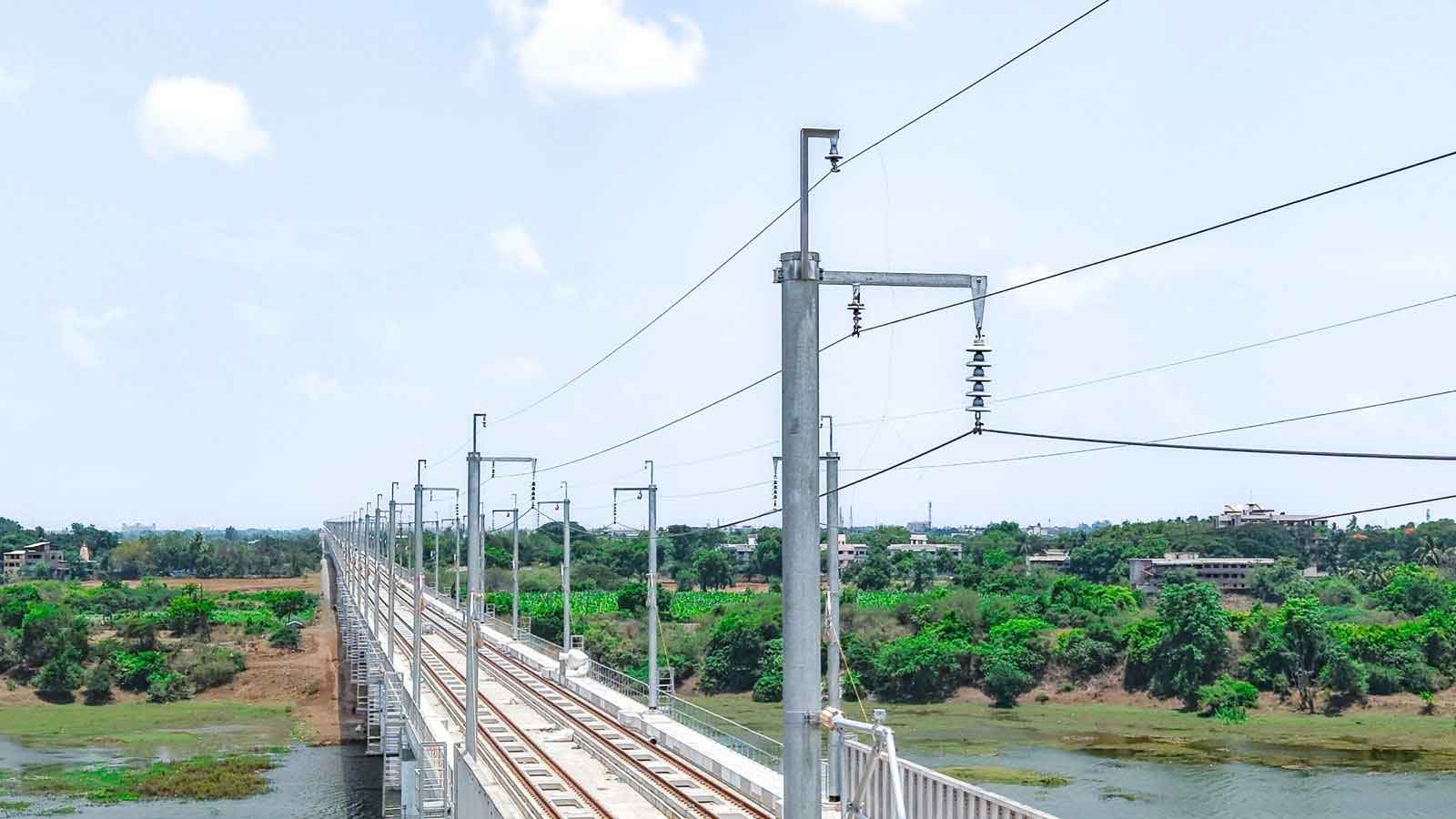
Nearly 22,000 steel masts between 10.5 and 14.5 metres tall will support the overhead wire system across 1,125 track kilometres, including depots. Over 25,700 cantilever assemblies will hold the catenary wire under precisely calculated tension — so it never sags even at 320 kmph.
- 4/7
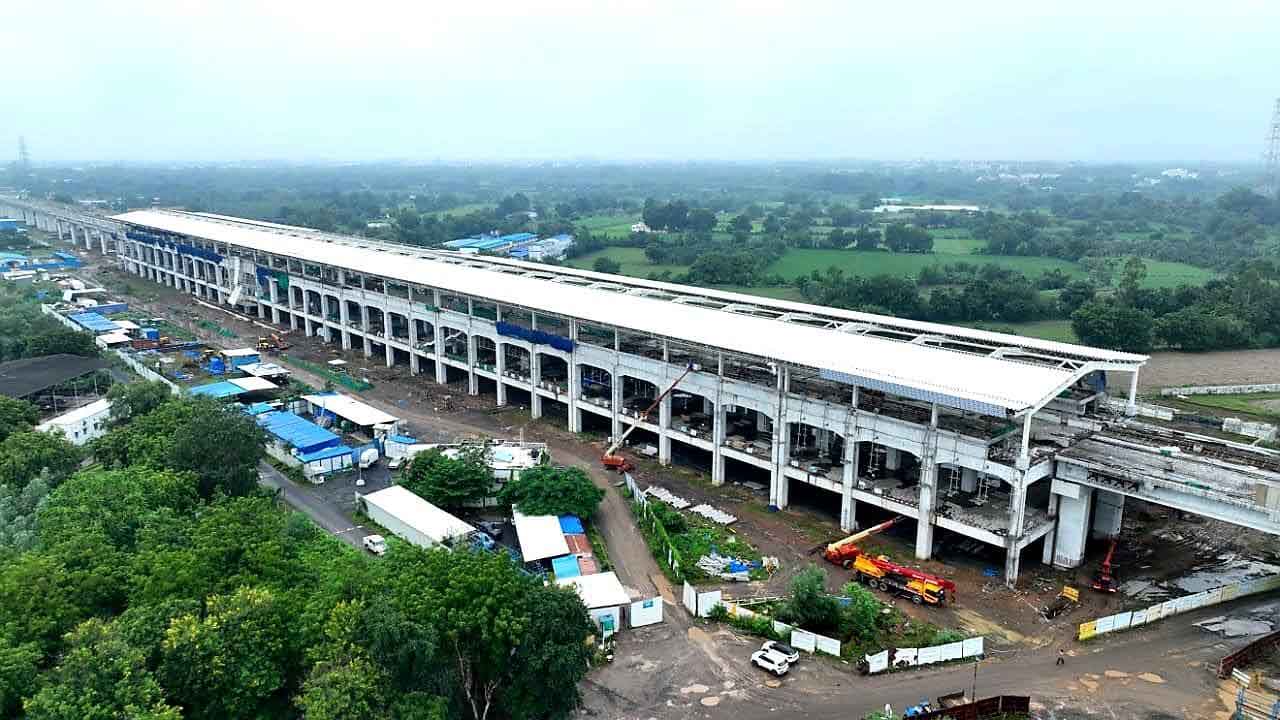
The corridor will have 28 seismometers — 22 along the route and 6 at inland stations in earthquake-prone zones. Each of the 14 traction substations is equipped with one. The moment seismic activity is detected, the system automatically triggers protective measures and stops the train — in seconds.
- 5/7
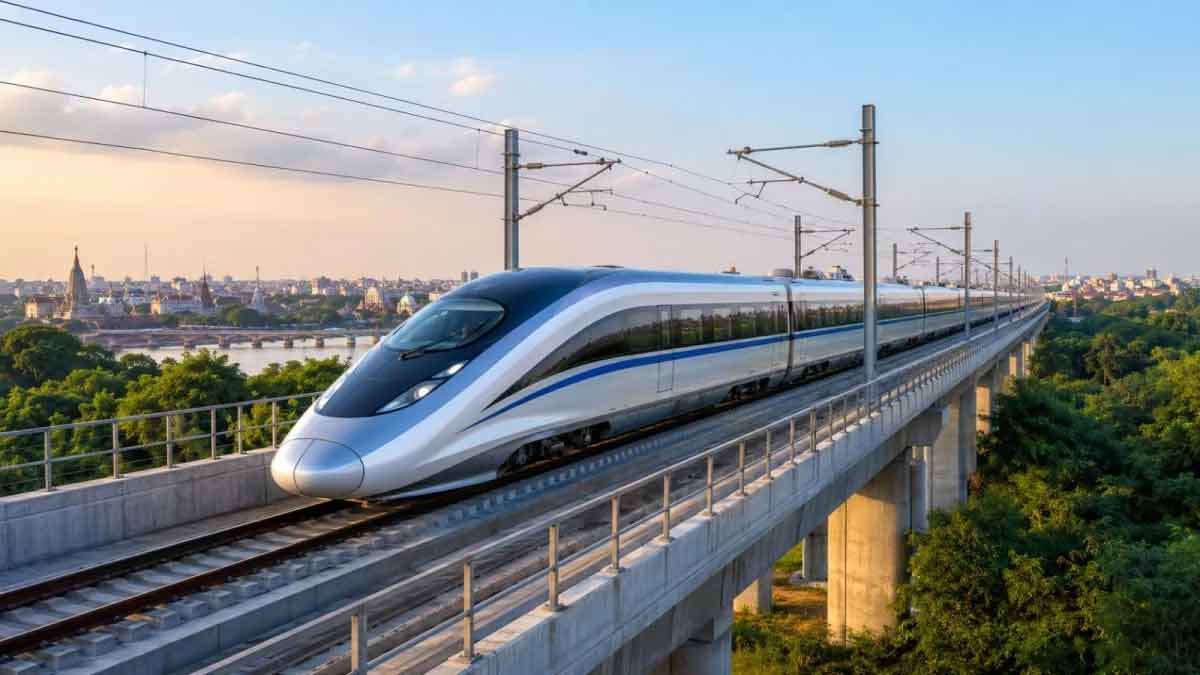
Key bullet train components now being made in India under Make in India: transformers, cross arms, ground wires, protection wires, feeder wires and traction power supply systems. Officials say this is a major technology transfer that builds domestic expertise and reduces import dependence for future rail projects. (AI generated representative image)
- 6/7
The entire 508-km electrical network will be monitored from a single centralised control centre. Automated protection systems can respond within fractions of a second to power faults, seismic events or technical failures — ensuring trains operating at 320 kmph are never at risk from a power system failure. (AI generated representative image)
- 7/7
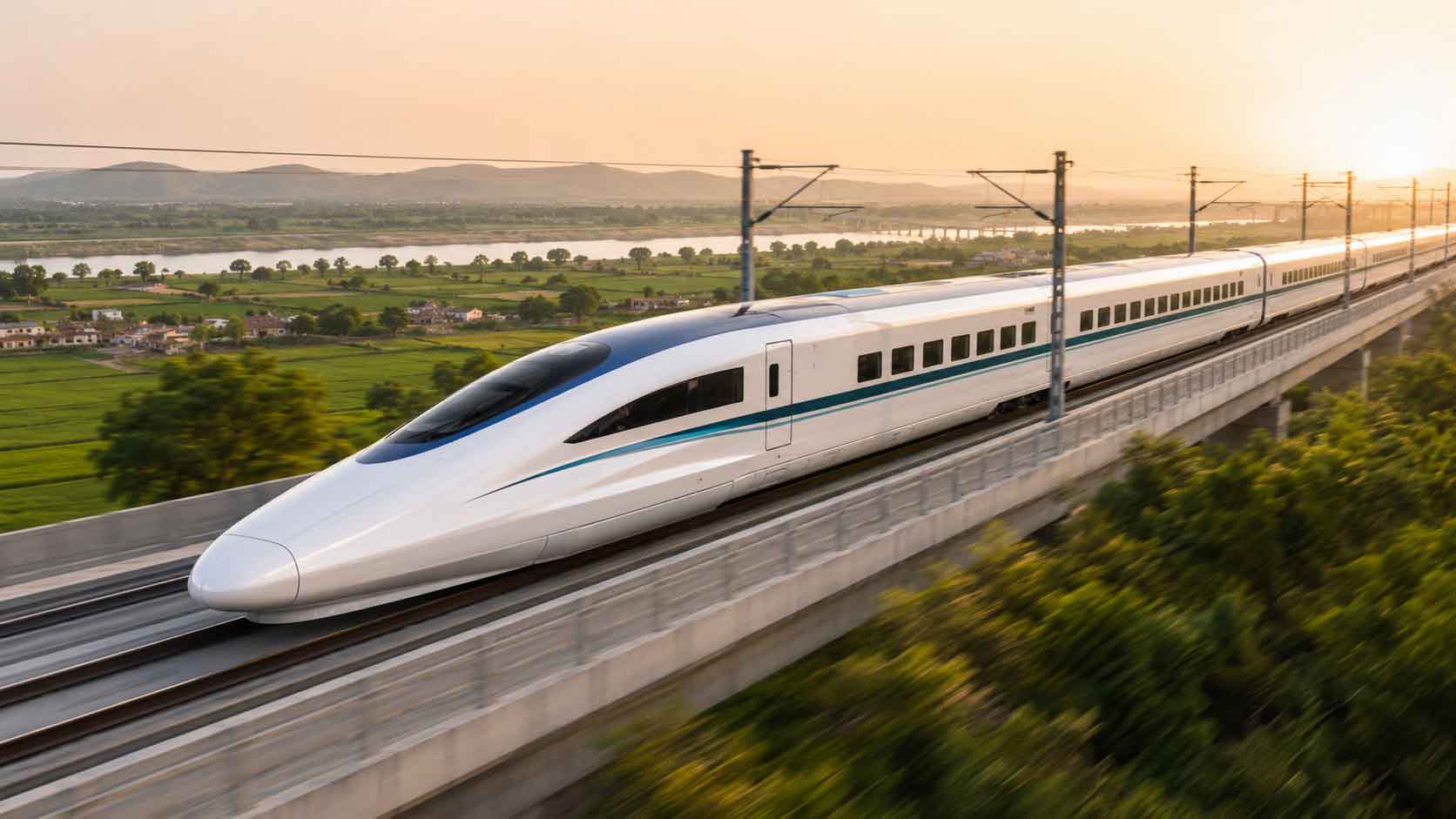
The electrification milestone joins civil construction (viaducts, tunnels) and track-laying already in progress. The Mumbai-Ahmedabad bullet train — when operational — will transform a 7-hour journey into under 2 hours. It will be India's first train to travel at 320 kmph — and it is being built right now. (AI generated representative image)