
Only three coaches and room for around 900 passengers: Why Delhi Metro is building a shorter train for this 8-km route
Delhi’s 8.385-km Lajpat Nagar–Saket G Block line will have eight elevated stations and planned three-coach trains. It is a Delhi first, not India’s first three-coach Metro service.
- Sep 15, 2026,
- Updated Sep 15, 2026 4:58 PM IST
- 1/6
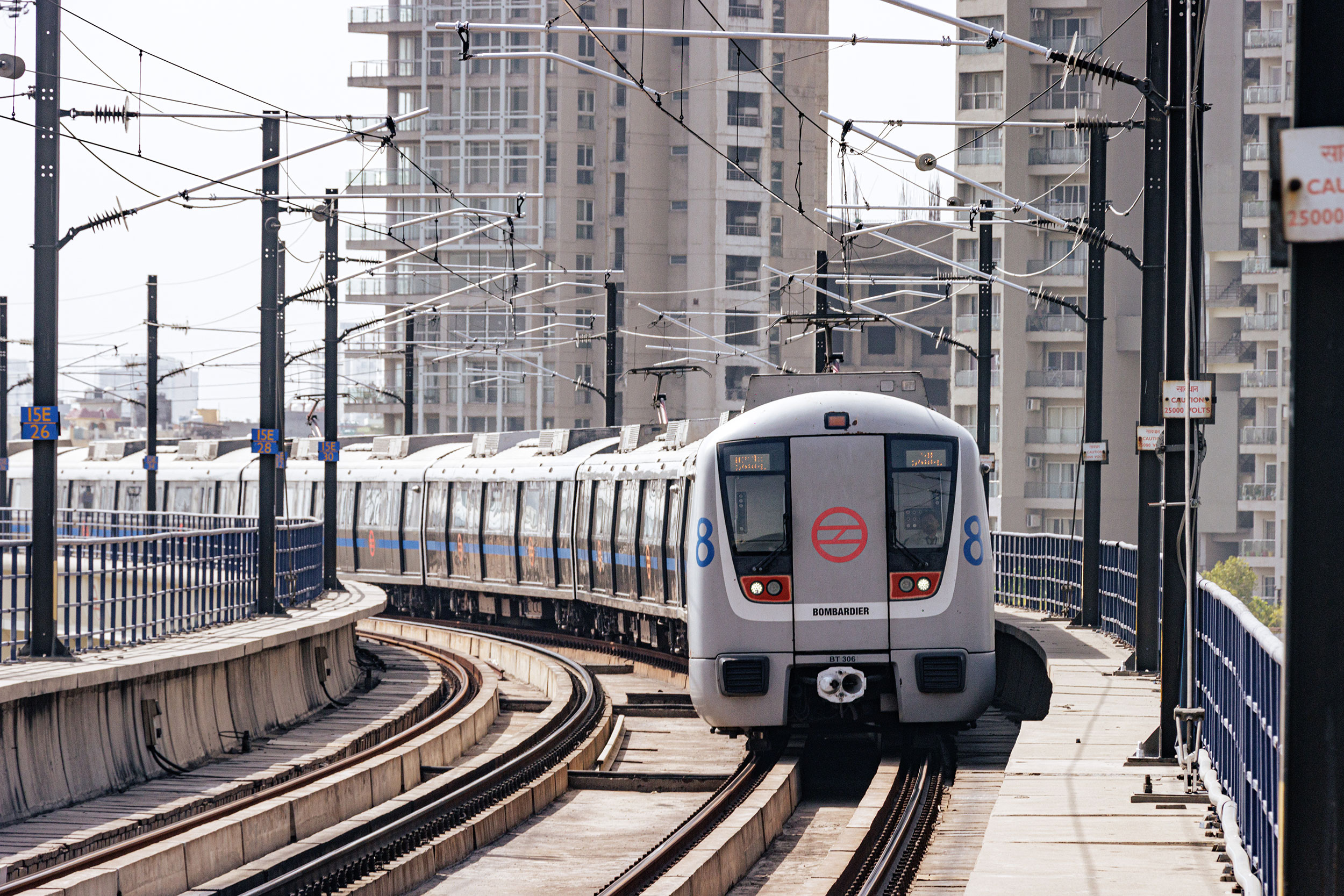
The approved corridor is 8.385 km and entirely elevated
The Union Cabinet approved the Lajpat Nagar–Saket G Block corridor in March 2024 as part of Delhi Metro Phase IV. The official approval puts its length at 8.385 km and specifies an entirely elevated alignment with eight stations. Physical construction began in December 2025.
- 2/6
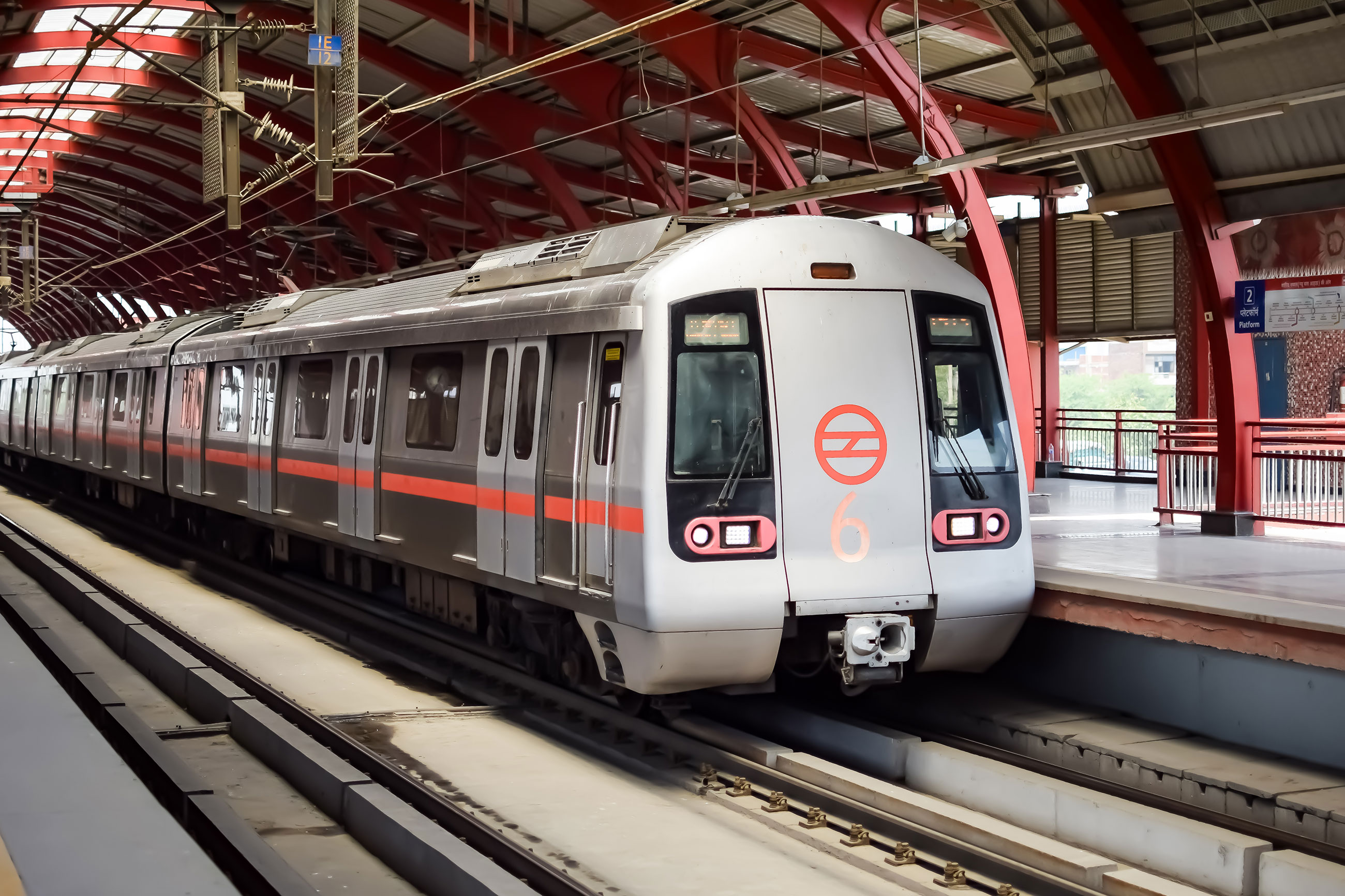
These are the eight planned stations
The route is planned to serve Lajpat Nagar, Andrews Ganj, Greater Kailash-I, Chirag Delhi, Pushpa Bhawan, Saket Court, Pushp Vihar and Saket G Block. The short corridor is designed to fill Metro gaps across dense residential, office, market and institutional areas in South Delhi.
- 3/6
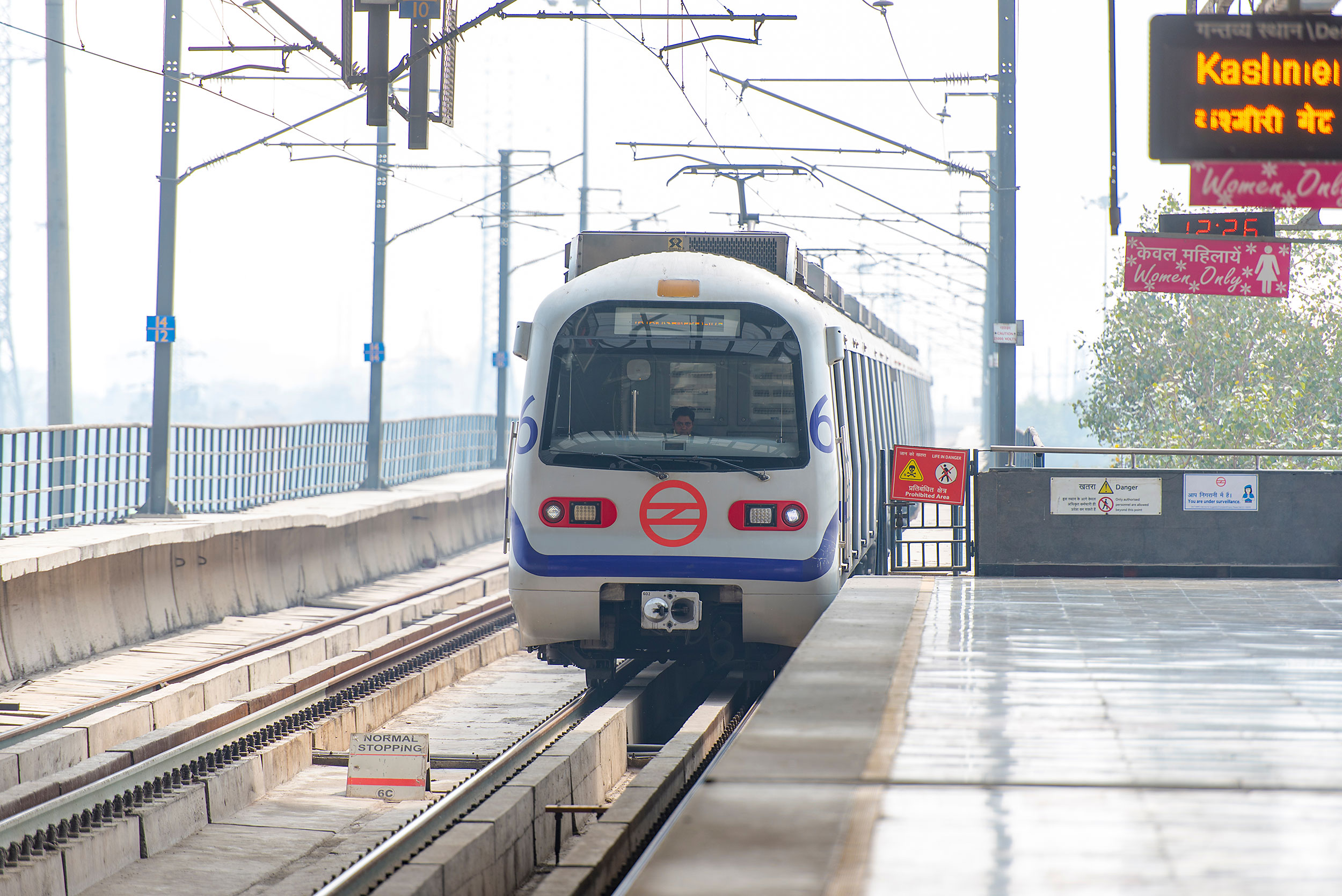
Three coaches are planned for demand on the short spur
DMRC plans three-coach trains with capacity for roughly 900 passengers per trip, or about 300 per coach. The compact formation is intended for this relatively short corridor; capacity can also be increased through frequency, rather than assuming every line needs six- or eight-coach trains.
- 4/6
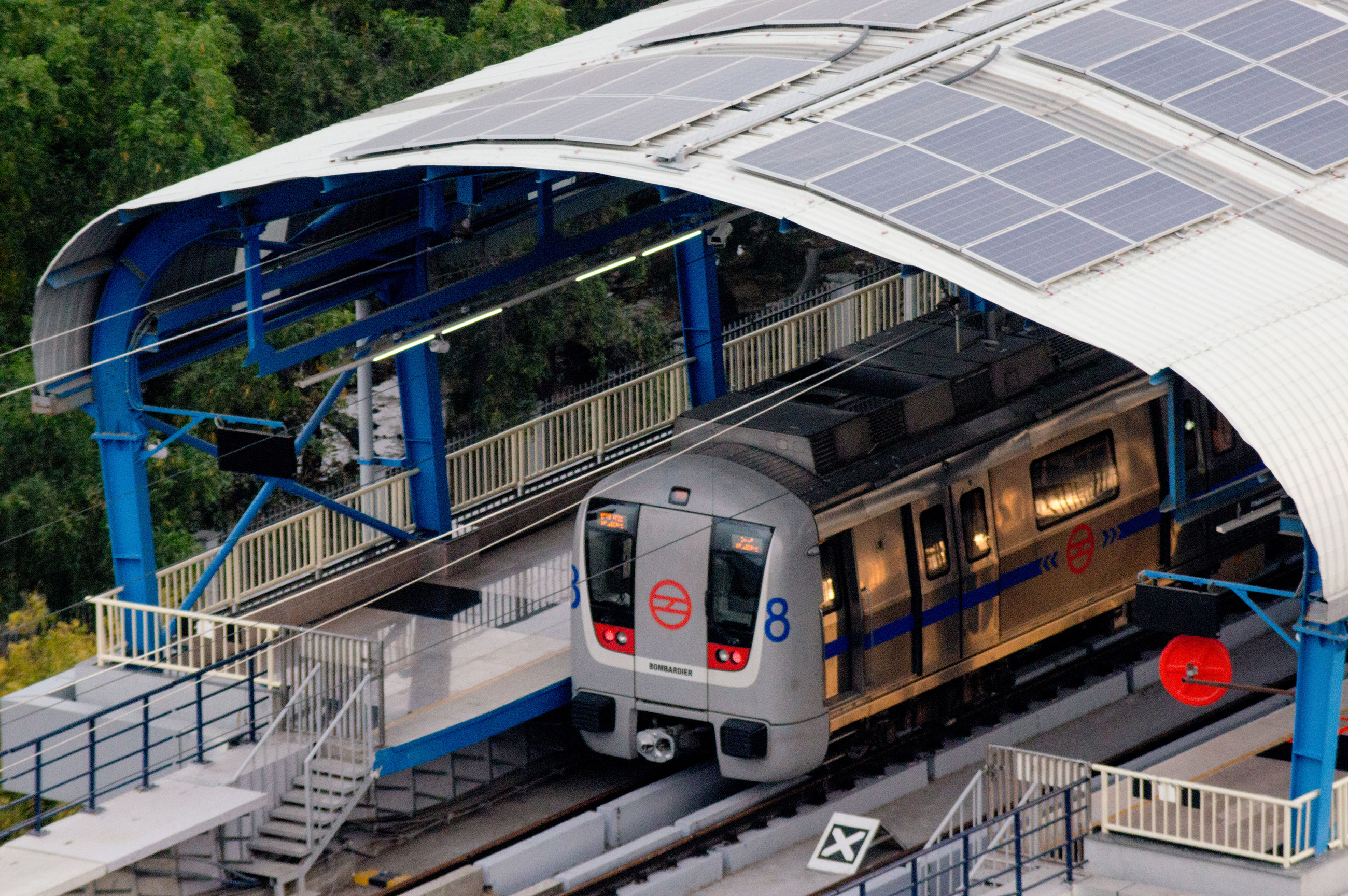
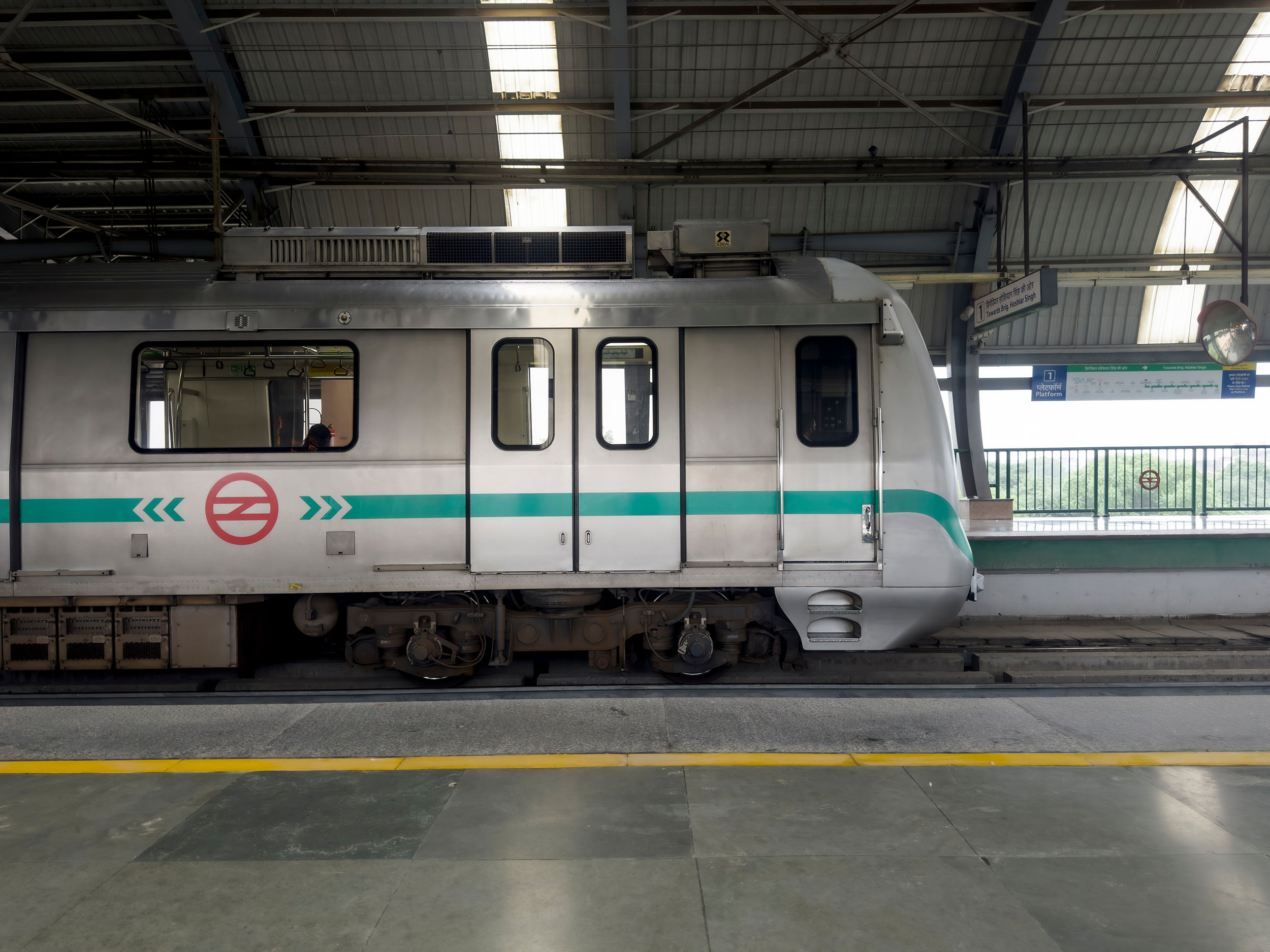
It would be Delhi’s first—not India’s first—three-coach Metro
Some reports call this India’s first three-coach Metro service. That description is incorrect: Kochi Metro’s official specifications list a train length of 66.55 metres comprising three coaches, with capacity for 975 passengers at crush load. The defensible claim is that the format is new for Delhi Metro.
- 5/6
Lajpat Nagar and Chirag Delhi provide the key interchanges
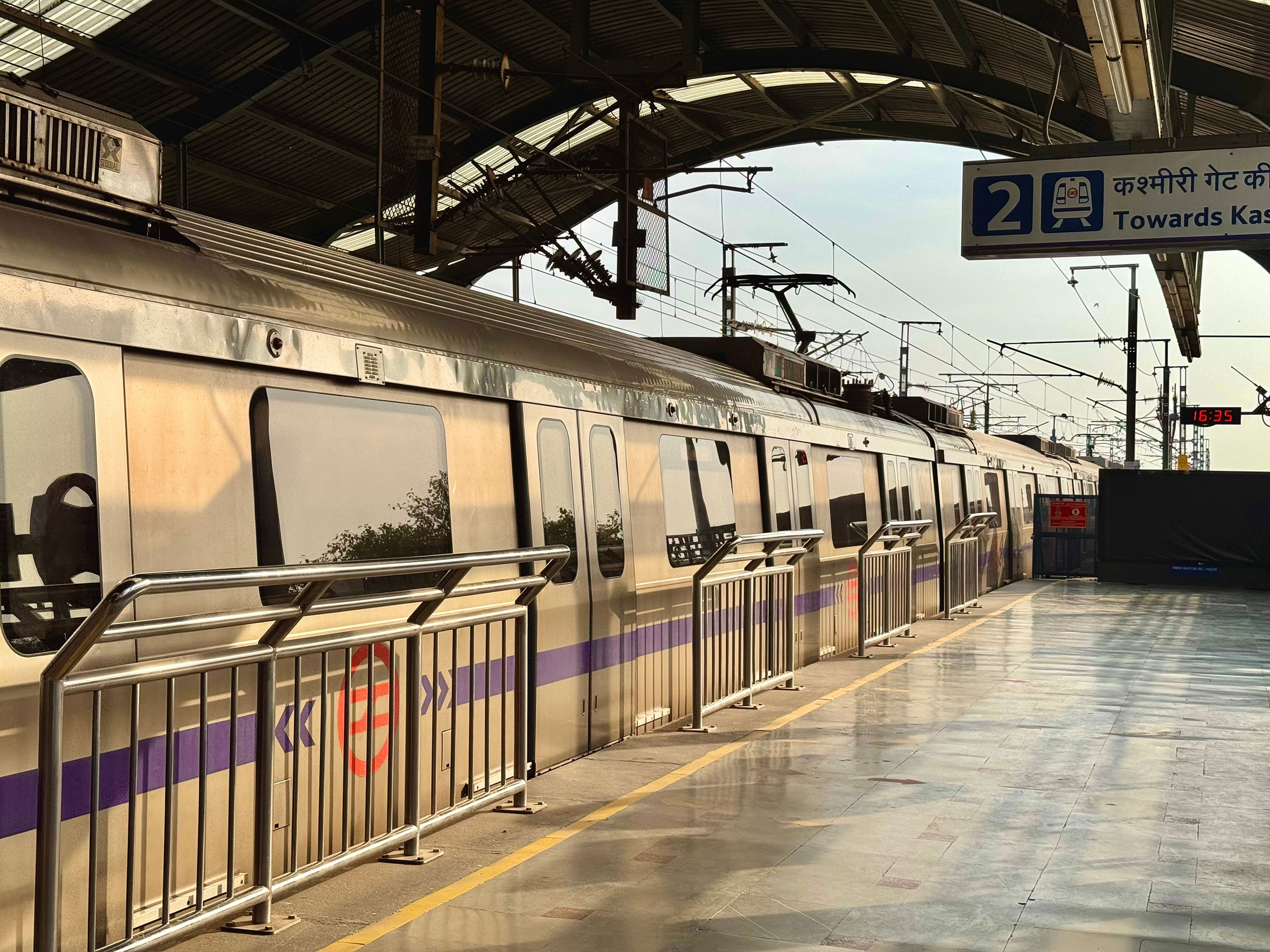
Lajpat Nagar is planned as a triple interchange connecting the new corridor with the Violet and Pink lines. Chirag Delhi will connect it with the Magenta Line, while Saket G Block is intended to link with the wider Golden Line corridor towards Aerocity and Tughlakabad.
- 6/6
Ridership figures are projections, not current passenger counts
DMRC has projected roughly 60,000–80,000 daily passengers initially and more than 1.2 lakh by 2041 after frequency enhancements. Those numbers help plan trains and signalling, but they should not be written as measured ridership before the corridor opens.