
Seeds wake up before you eat them—and that changes almost everything
Sprouts unlock nutrients through germination, aiding digestion and absorption while adding protein, vitamins and antioxidants that may support heart and blood sugar health at home.
- Jun 30, 2026,
- Updated Jun 30, 2026 3:15 PM IST
- 1/9
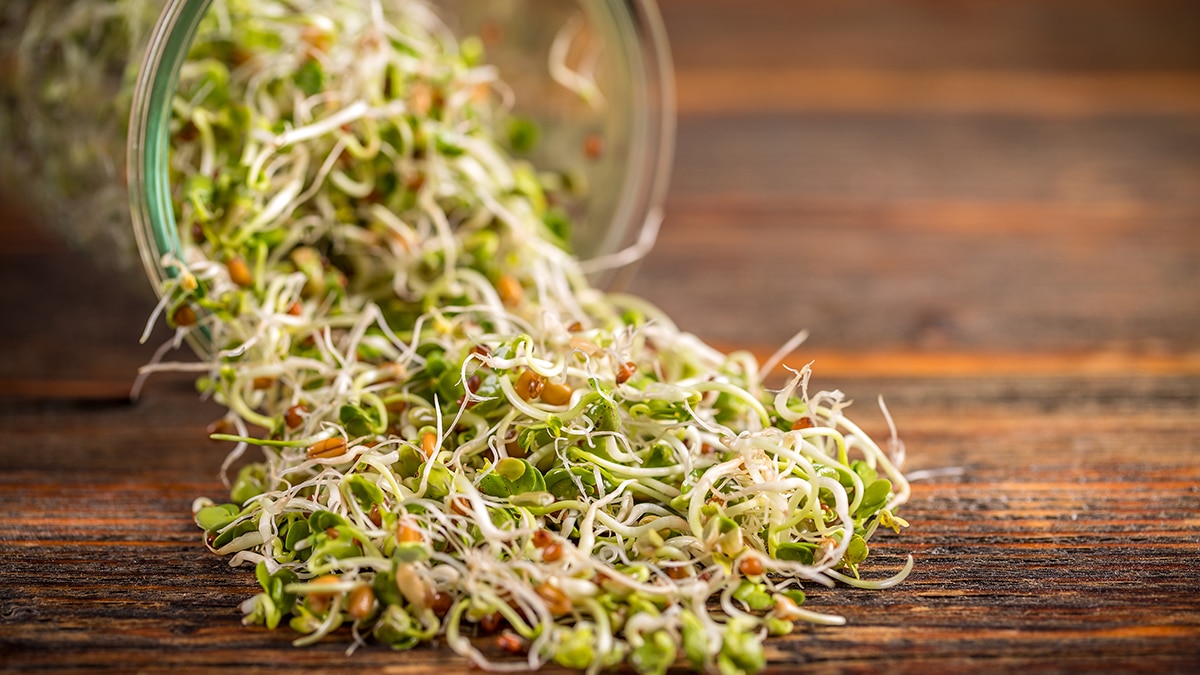
Seed awakening
Sprouts may look like an afterthought on the plate, but germination sets off a quiet nutritional transformation. Enzymes wake up, stored nutrients begin breaking into simpler forms, and an ordinary seed turns into something the body may digest and absorb more efficiently.
- 2/9
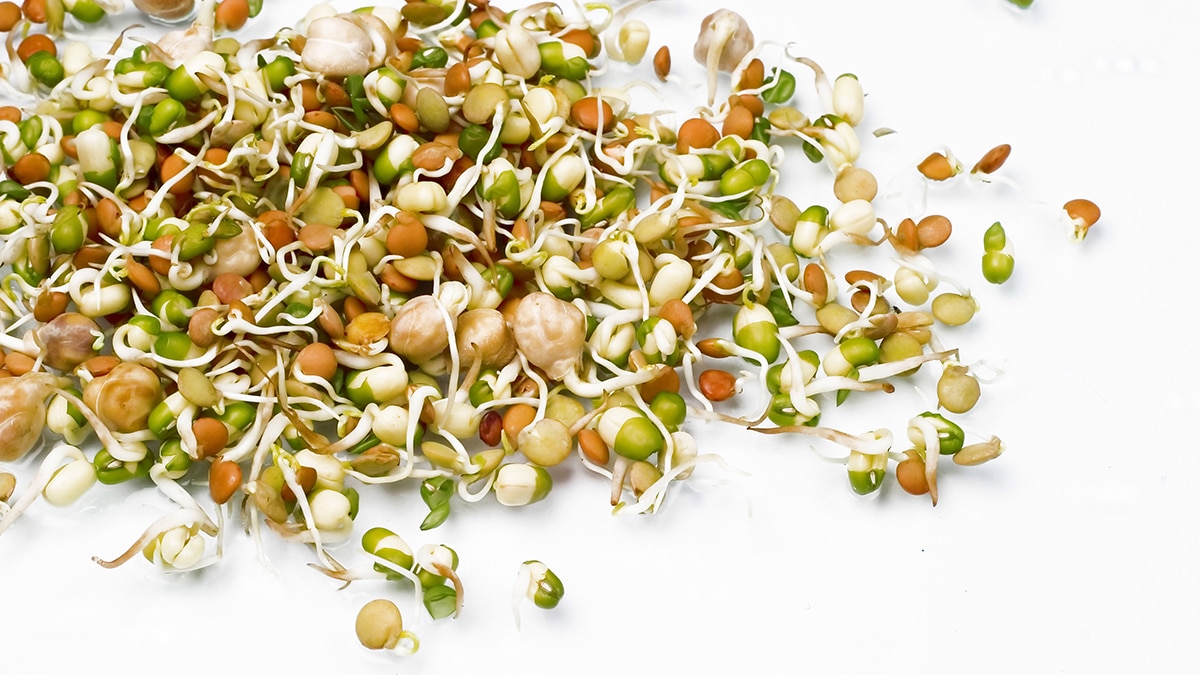
Nutrient jump
That tiny tangle of shoots can carry a surprising nutritional upgrade. Harvard Health notes that sprouted grains may offer more available folate, iron, vitamin C, zinc, magnesium and protein than mature grains, suggesting the real change begins long before the first bite.
- 3/9
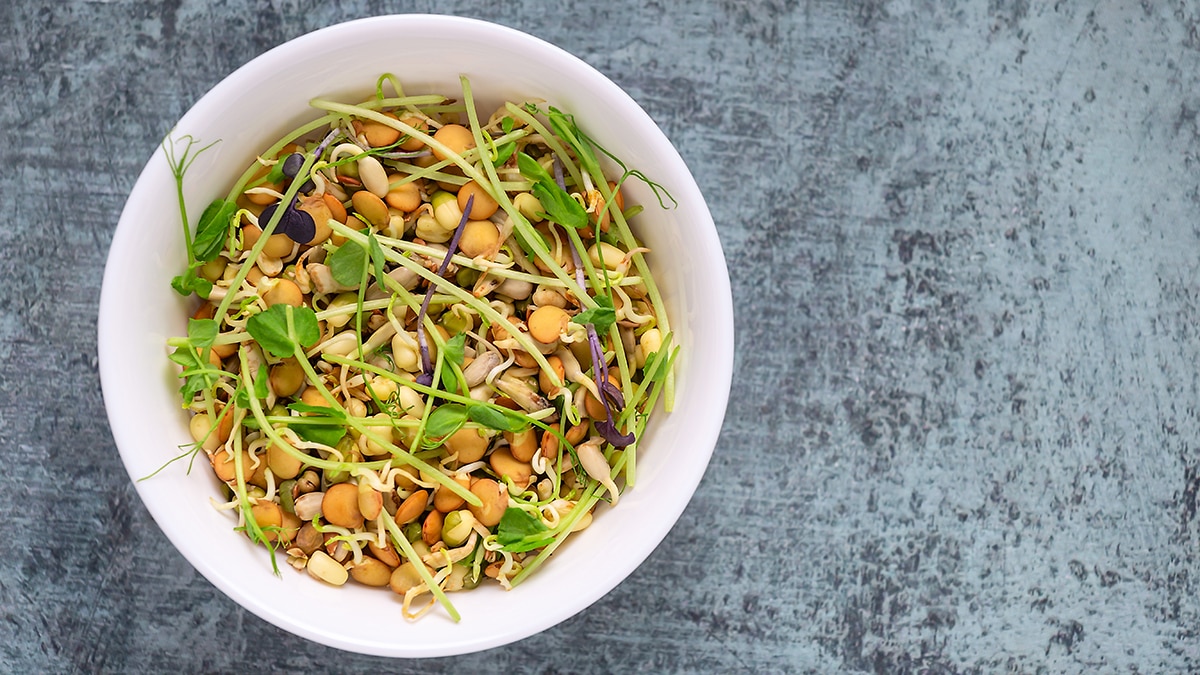
Mineral unlock
Some foods contain nutrients that remain partly trapped behind natural barriers. Sprouting begins breaking down phytic acid, a compound that can interfere with mineral absorption, meaning the body may get better access to nutrients that were already hiding inside the seed.
- 4/9
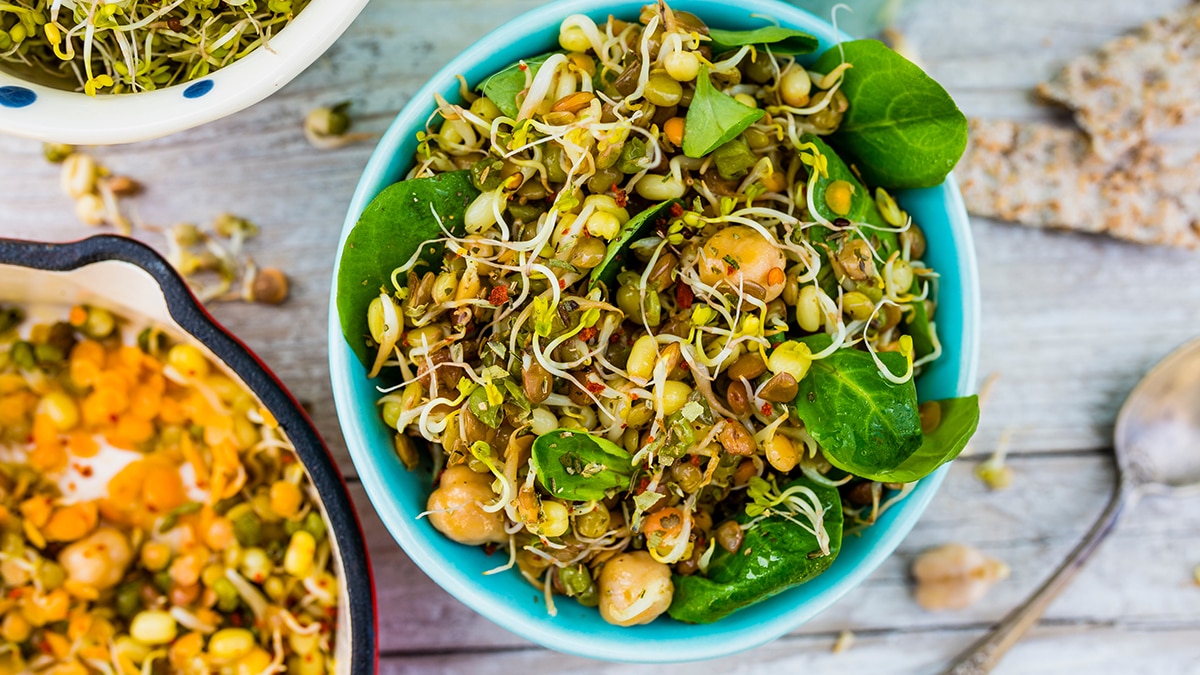
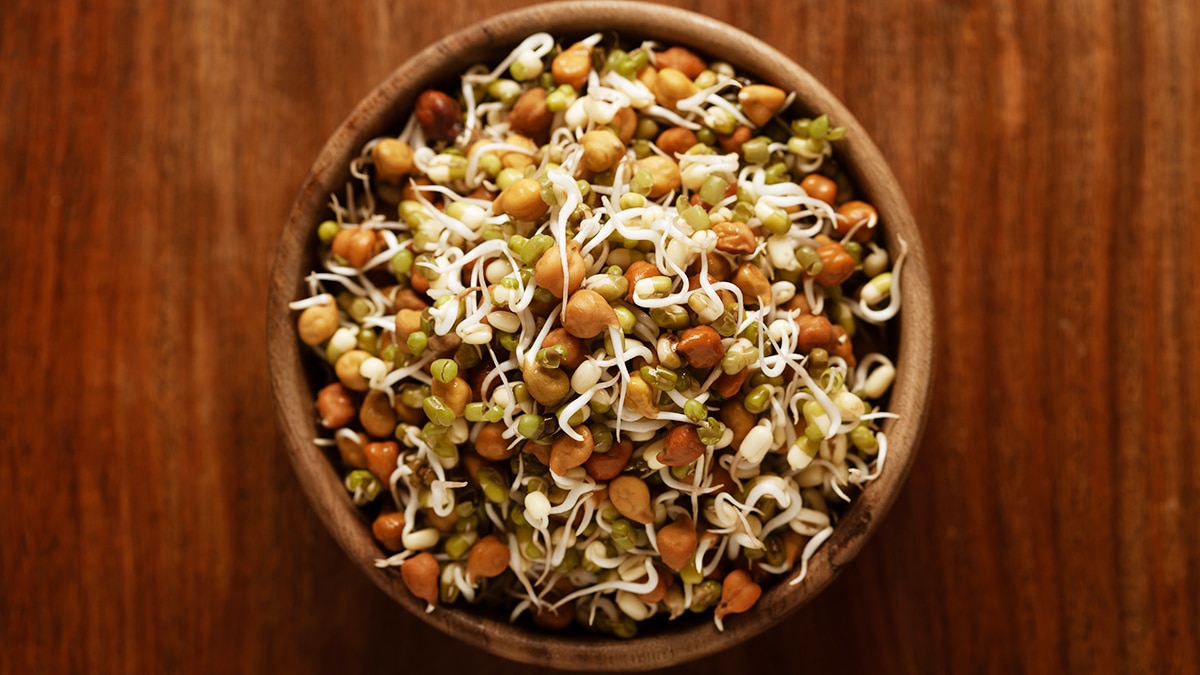
Stomach relief
A bowl of sprouts can feel far lighter than a plate of fully cooked legumes. Germination softens the seed’s structure and begins changing complex compounds, which is why sprouted lentils often deliver fullness and crunch without the dense, sluggish feeling some heavier meals leave behind.
- 5/9
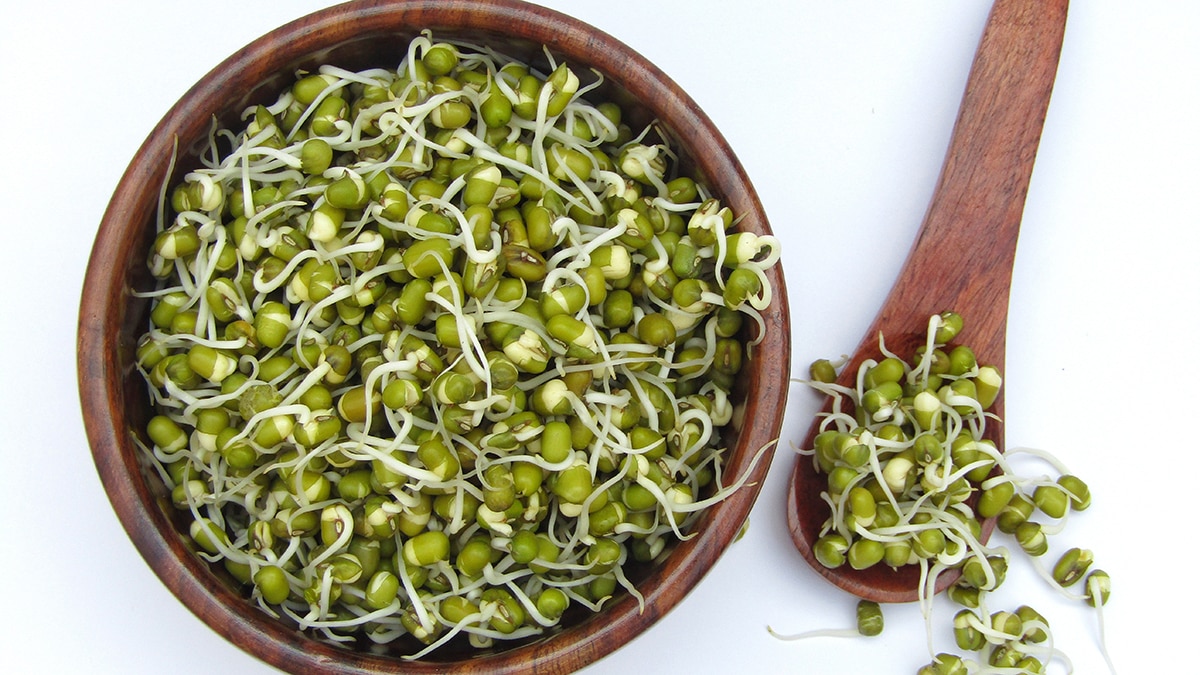
Antioxidant surge
Scientists are looking beyond the crunch. A 2021 review in Plants found that edible sprouts contain phytochemicals with antioxidant activity, including vitamin C, phenolic compounds and glucosinolate-related compounds that may help the body respond to oxidative stress.
- 6/9
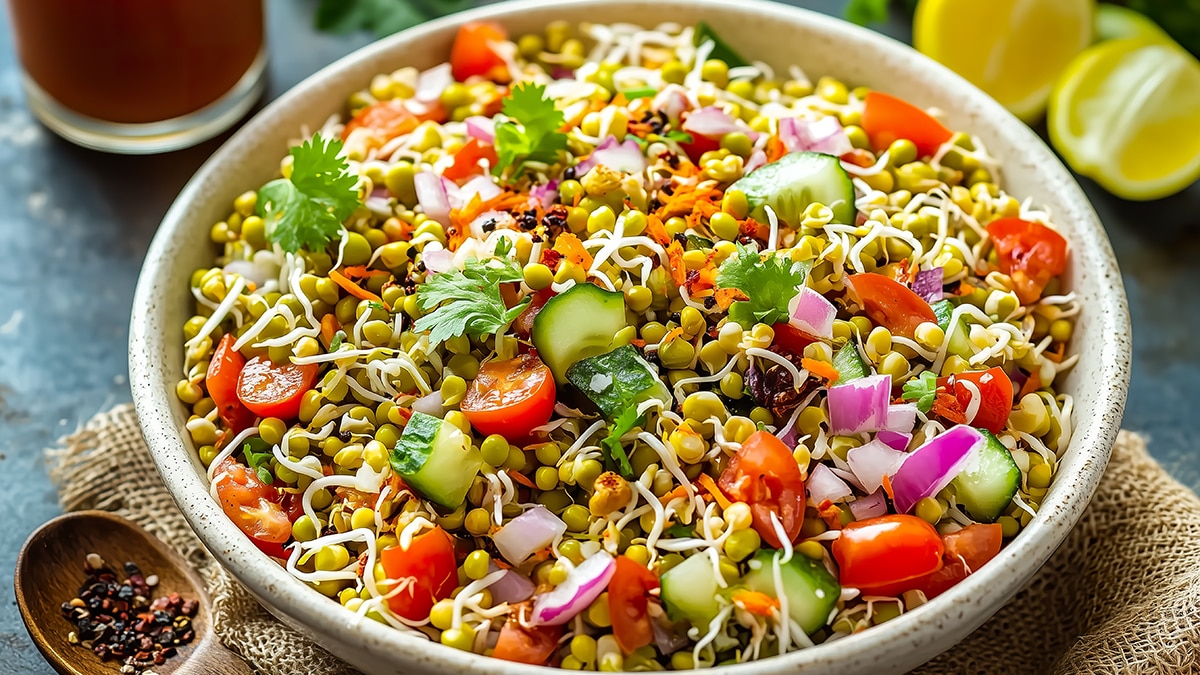
Sugar slowdown
Sprouts are not a diabetes treatment, but researchers are studying their role in blood-sugar-conscious diets. The Plants review found that compounds in sprouts may inhibit enzymes involved in breaking carbohydrates into simpler sugars, hinting at effects that go beyond basic nutrition.
- 7/9
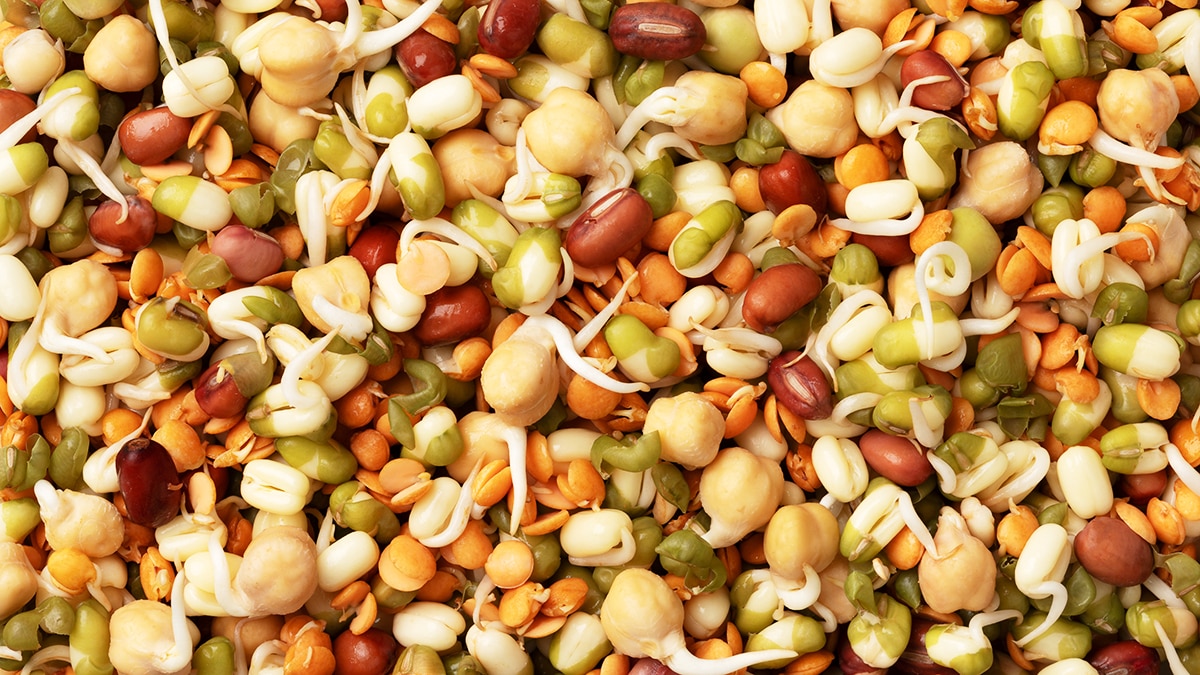
Cholesterol question
Could a handful of sprouts quietly support the heart? Some studies suggest sprouted seeds may have cholesterol-lowering effects, while research on cruciferous vegetables has linked higher intake with lower levels of calcified plaque—an intriguing signal, though not proof of disease prevention.
- 8/9
Protein crunch
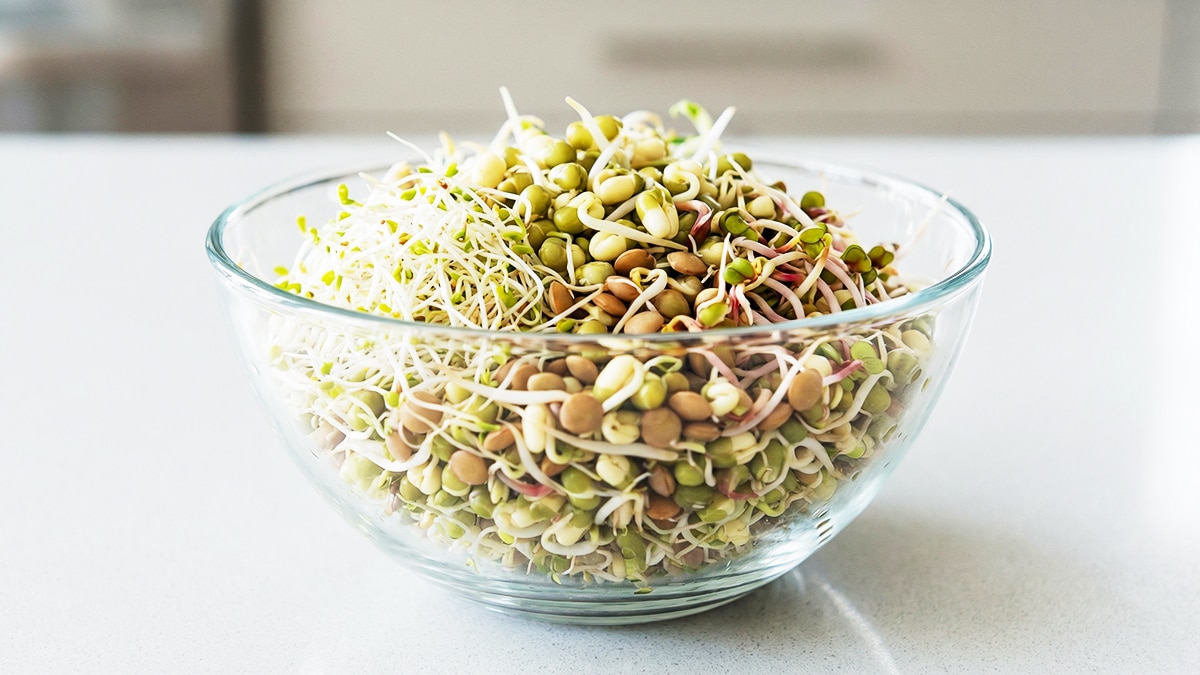
Sprouts can turn a plain salad or sandwich into something far more filling. Harvard’s sprouted lentil guidance notes that half a cup provides protein, fibre and potassium, making those crisp shoots a practical bridge between a light snack and a more complete meal.
- 9/9
Habit shortcut
The biggest benefit may be the easiest to overlook: sprouts fit almost anywhere. Toss them into chaat, sandwiches, grain bowls or stir-fries, and healthy eating suddenly requires less planning—often the difference between a food people admire and one they actually keep eating.