
Silver down 58% from its January peak: ₹1 lakh invested at the top is now worth about ₹41,700
MCX silver hit ₹4,07,456 a kg on 29 January. On 16 November it was ₹1,69,742. Here is what that 58% fall means for ₹1 lakh invested at the top, and how past crashes played out.
- Nov 17, 2026,
- Updated Nov 17, 2026 5:01 PM IST
- 1/7
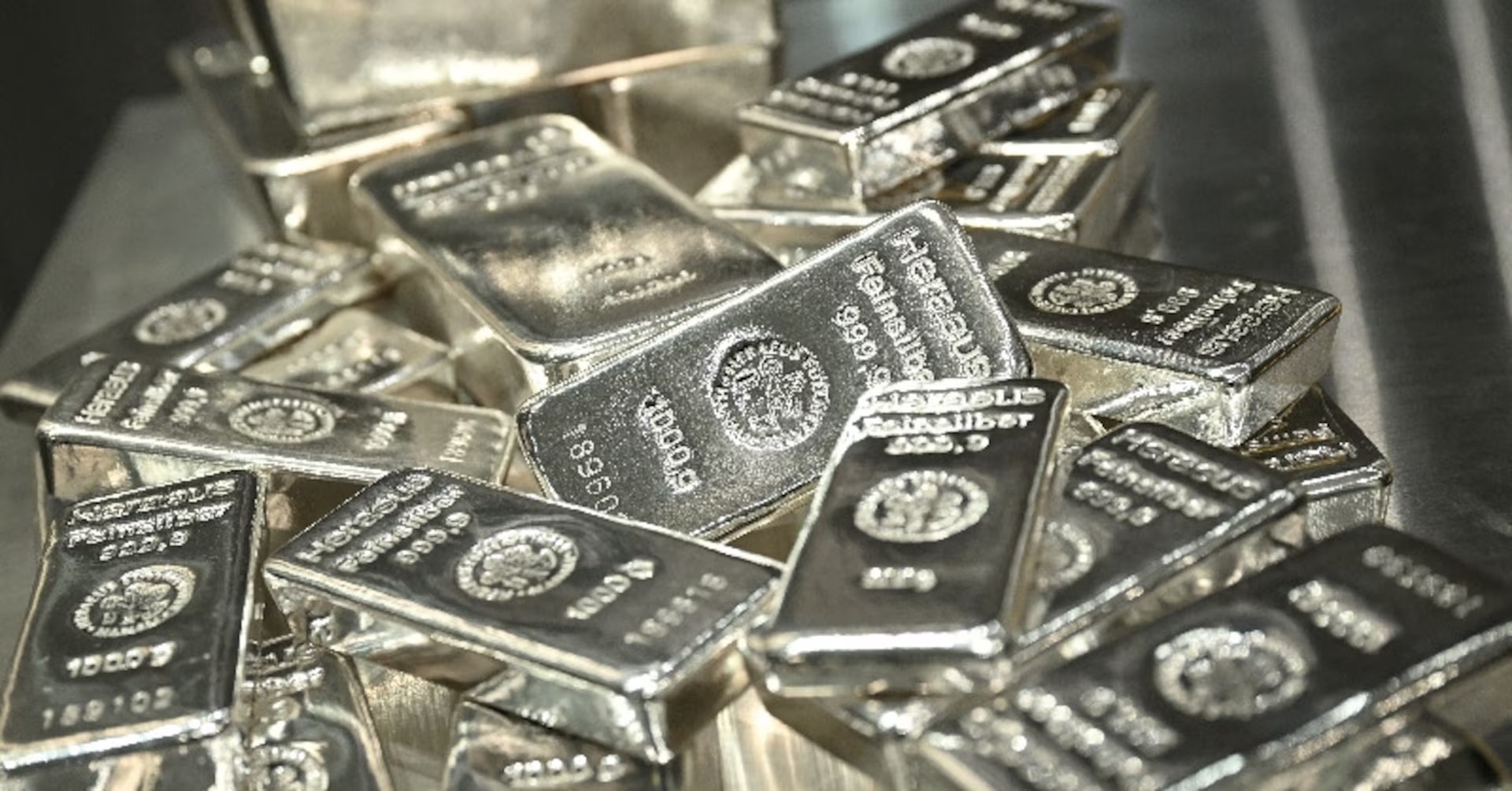
Suppose you put ₹1 lakh into silver at January’s peak price. At the 16 November price, it would be worth about ₹41,700. This compares two different MCX futures contracts and ignores taxes and trading costs, so treat it as an illustration, not a statement of anyone’s actual return.
- 2/7
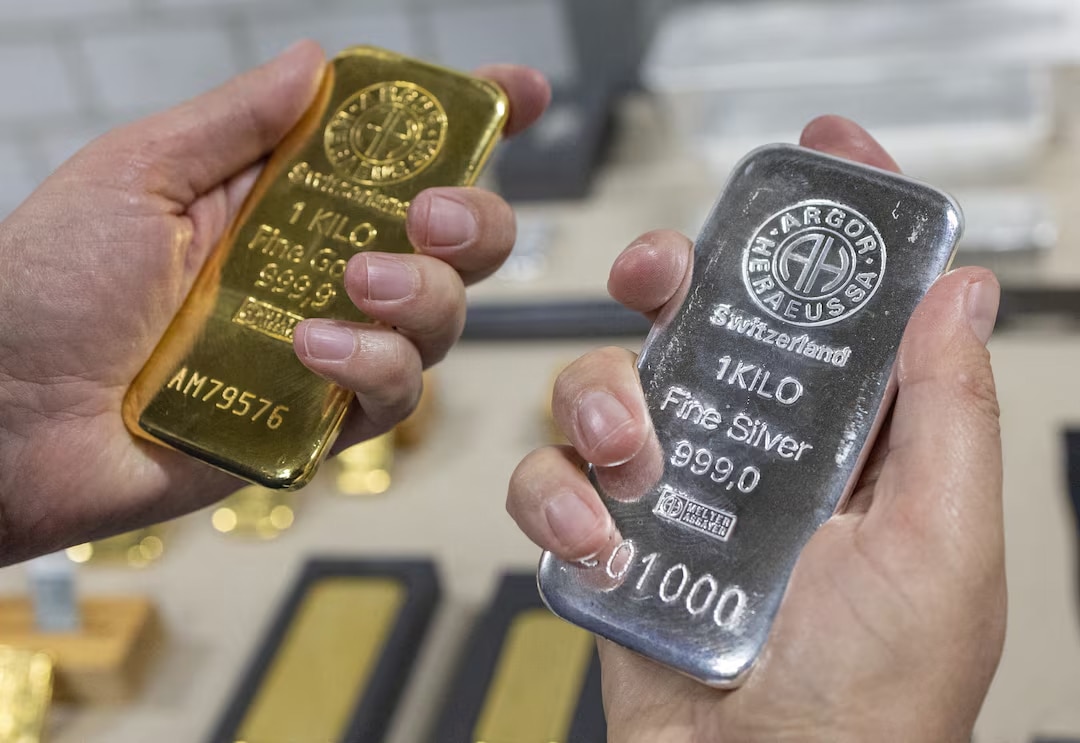
On 29 January 2026, silver futures for March delivery hit a lifetime high of ₹4,07,456 a kg on MCX. On 16 November, the December contract settled at ₹1,69,742 a kg, down ₹6,567 on the day. From that peak, silver has lost ₹2,37,714 a kg, or 58%.
- 3/7
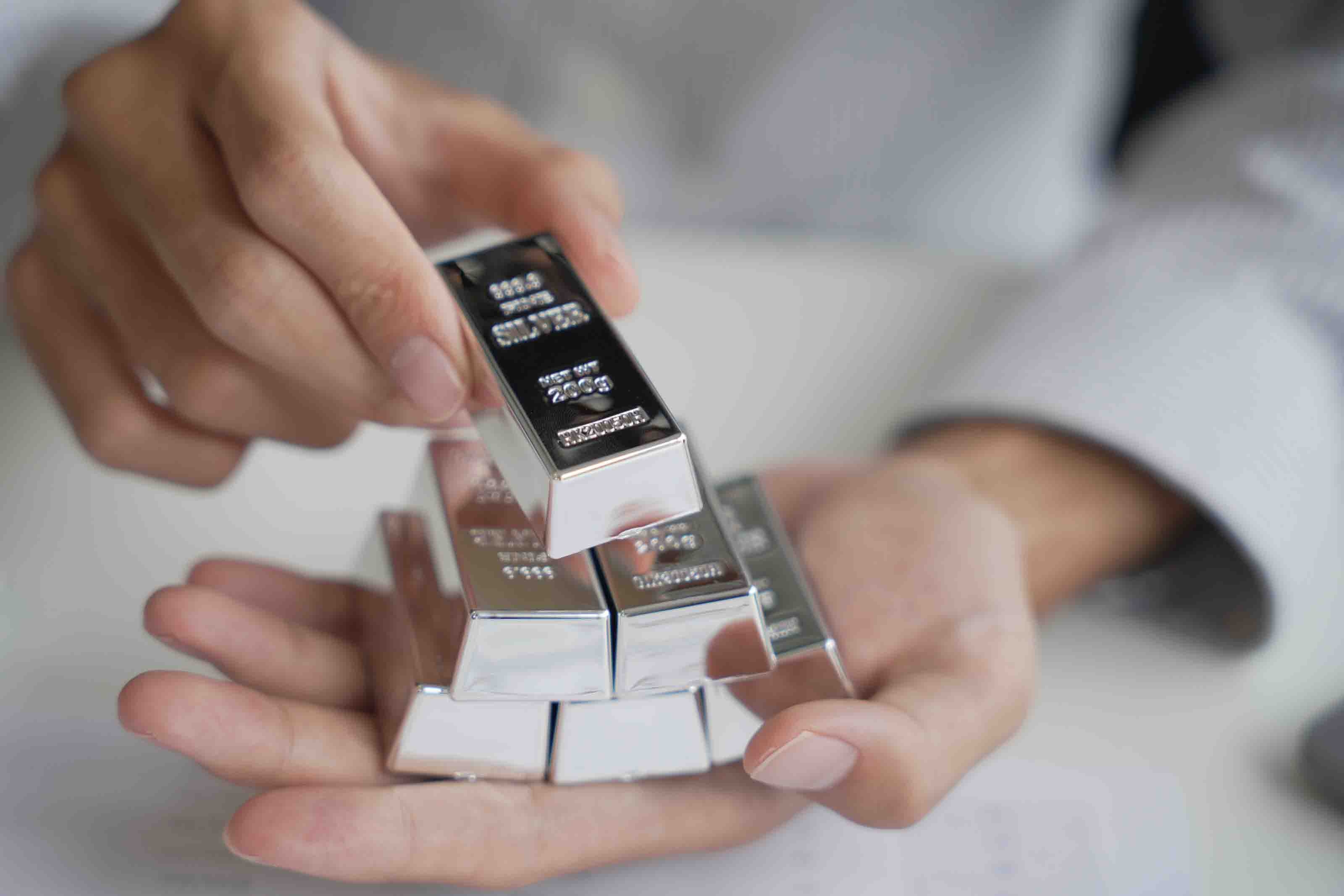
On COMEX in the US, silver touched a record $121.67 an ounce on 29 January 2026, the same day as the MCX peak. By 30 October it was around $51, a fall of about 58%, the Free Press Journal reported. The rupee and dollar falls match, so the crash came from global prices, not the currency.
- 4/7
The spike was quick. MCX silver crossed ₹3 lakh a kg for the first time in mid-January 2026, then touched ₹3,59,800 on 27 January, Business Today reported. Two days later it went past ₹4 lakh. The rise from ₹3 lakh to the peak took only about two weeks.
- 5/7
In April 2011, silver touched about $48.70 an ounce. By June 2013 it was near $18, and by November 2015 about $13, according to the Free Press Journal. That fall played out over four and a half years, not ten months.
- 6/7
Silver has done this before. In January 1980 it hit about $49.45 an ounce, then fell almost 90% over the following years, the Free Press Journal noted. That crash came after a famous attempt by the Hunt brothers to corner the market.
- 7/7
Past crashes don’t tell you where prices go next. If you hold silver, check whether you own physical metal, ETFs or futures, since each is taxed and priced differently. Compare prices on the day across sources, because MCX futures, IBJA rates and jewellers’ prices are not the same number.