
What happens if an earthquake strikes at 320 kmph? How 28 sensors will help stop the Mumbai–Ahmedabad bullet train
The Mumbai–Ahmedabad bullet train corridor will use 28 seismometers to detect early earthquake waves, cut traction power and trigger emergency braking. Here is how the safety chain works.
- Sep 21, 2026,
- Updated Sep 21, 2026 4:51 PM IST
- 1/6
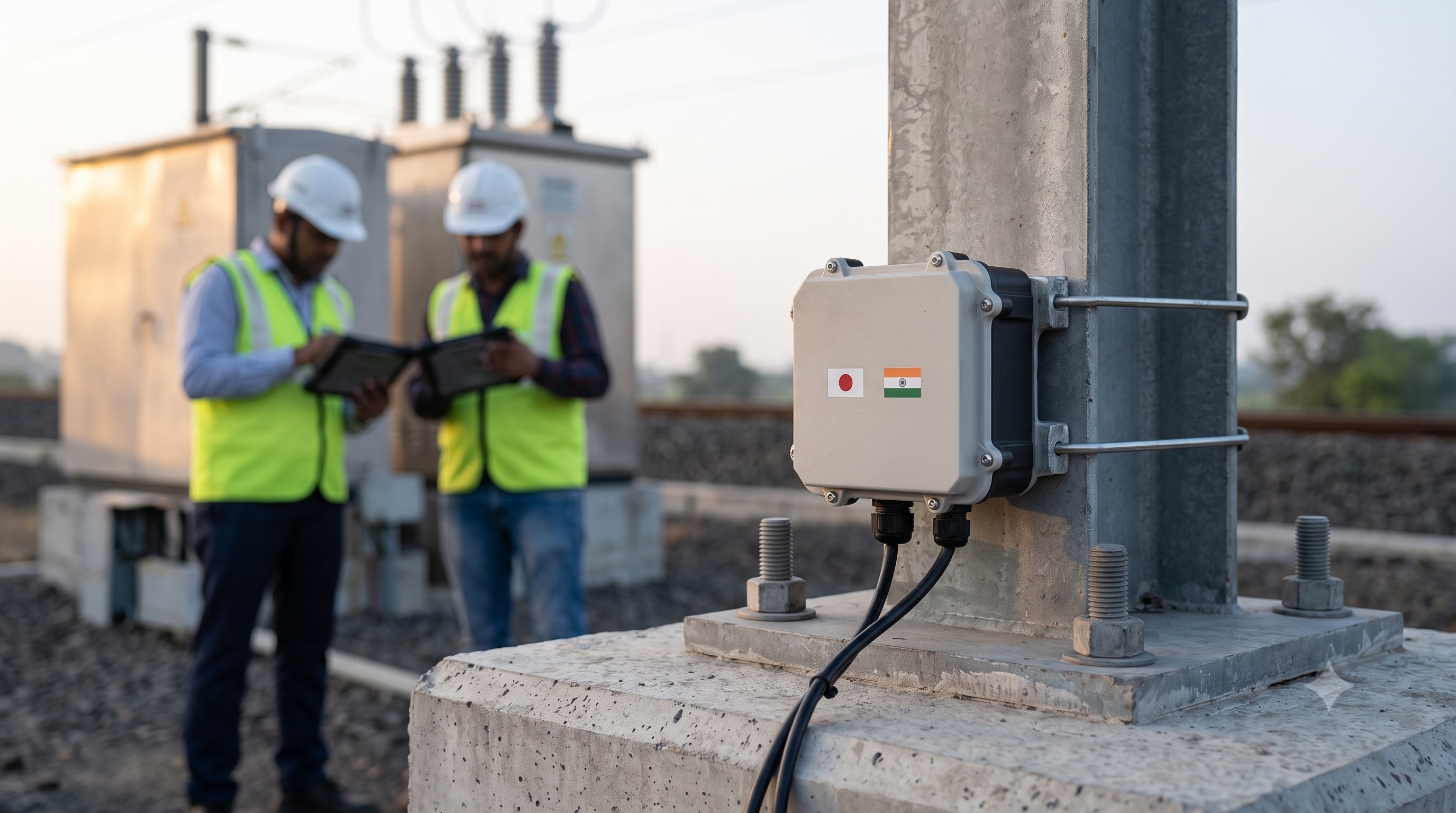
The Mumbai–Ahmedabad High-Speed Rail corridor is planned to have 28 seismometers. Twenty-two will sit along the railway alignment at traction substations and switching posts, while six inland sensors will monitor earthquake-prone areas away from the tracks. The network is intended to provide an early warning, not to predict earthquakes.
- 2/6
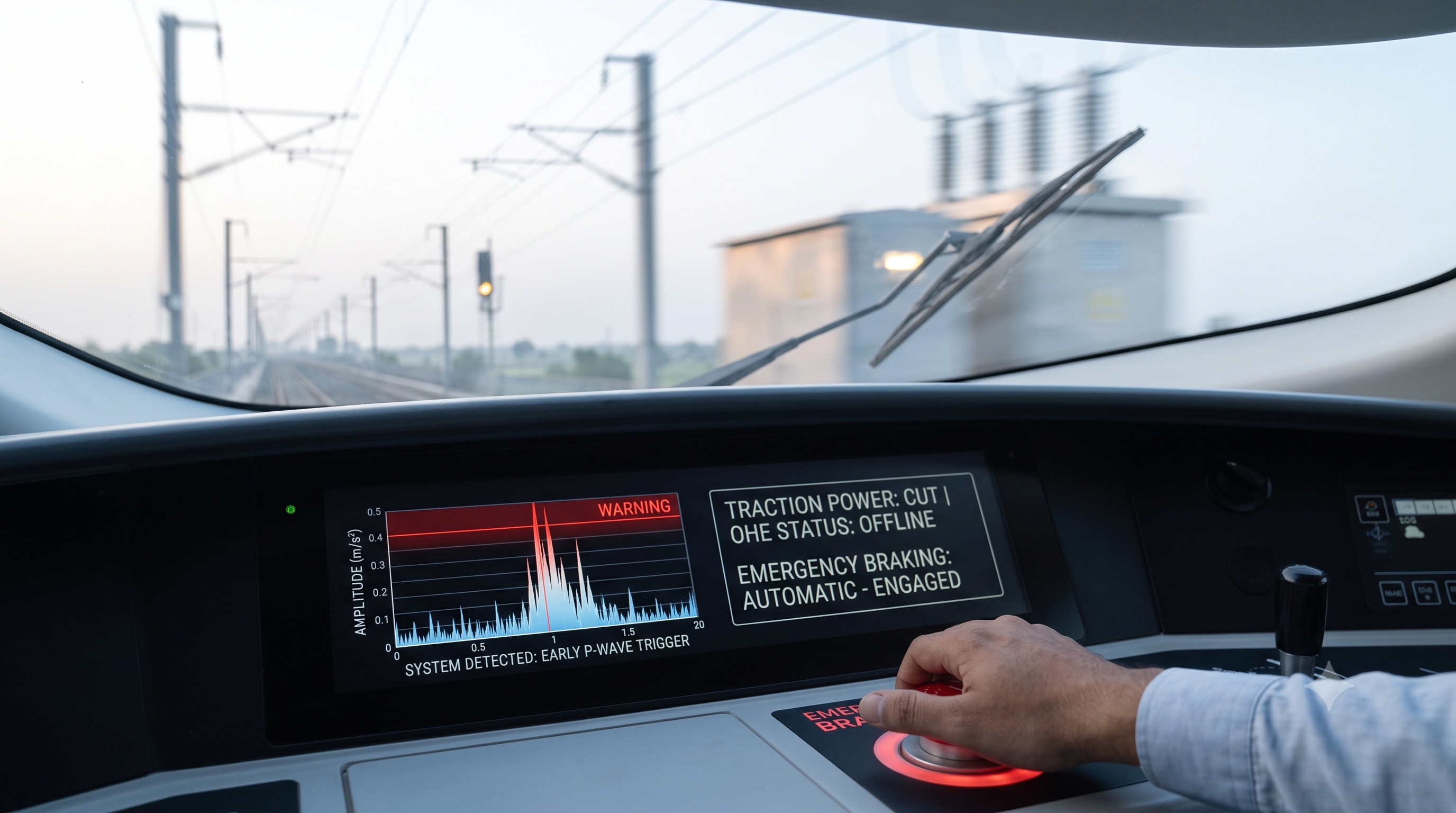
The Japanese Shinkansen-derived system is designed to detect an earthquake’s faster primary, or P, waves before the more damaging shaking arrives. If the measured activity crosses the operational threshold, the system will automatically cut traction power in the affected section.
- 3/6
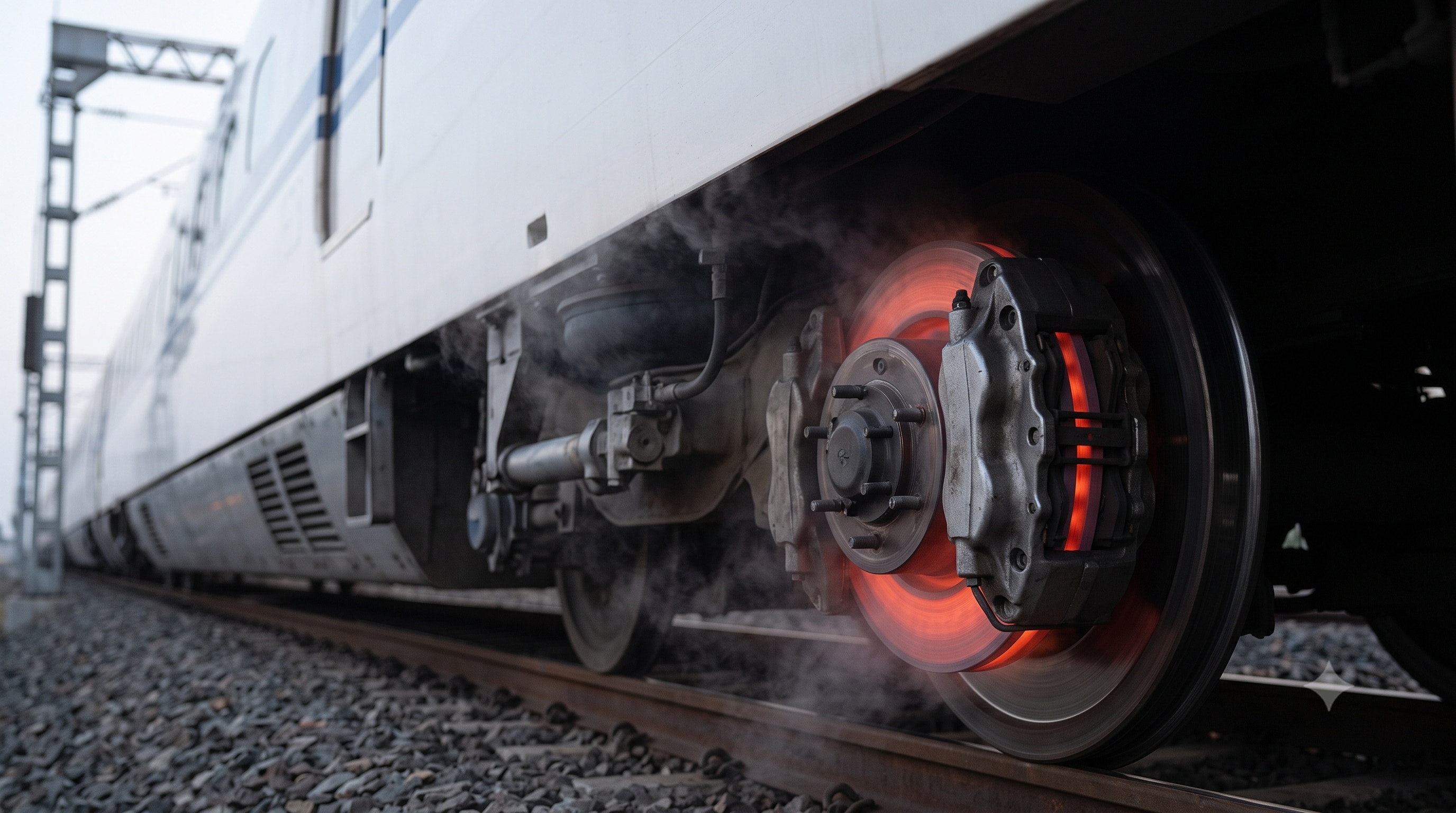
After traction power is shut down, trains in the affected zone are designed to detect the loss of power and apply emergency brakes. This automated chain shortens the response time, but it should not be described as making the railway “earthquake-proof”; stopping distance and shaking intensity still matter.
- 4/6
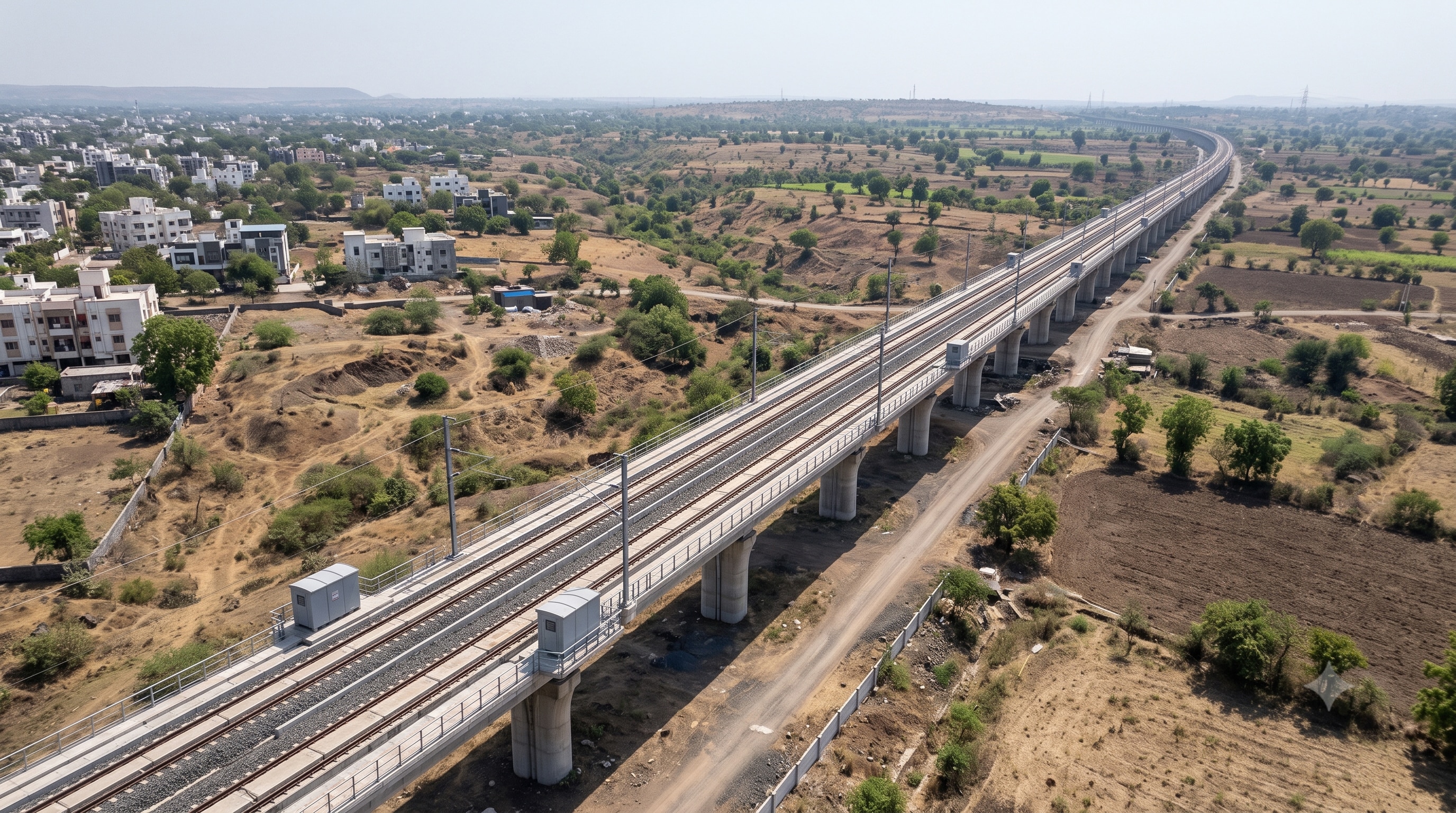
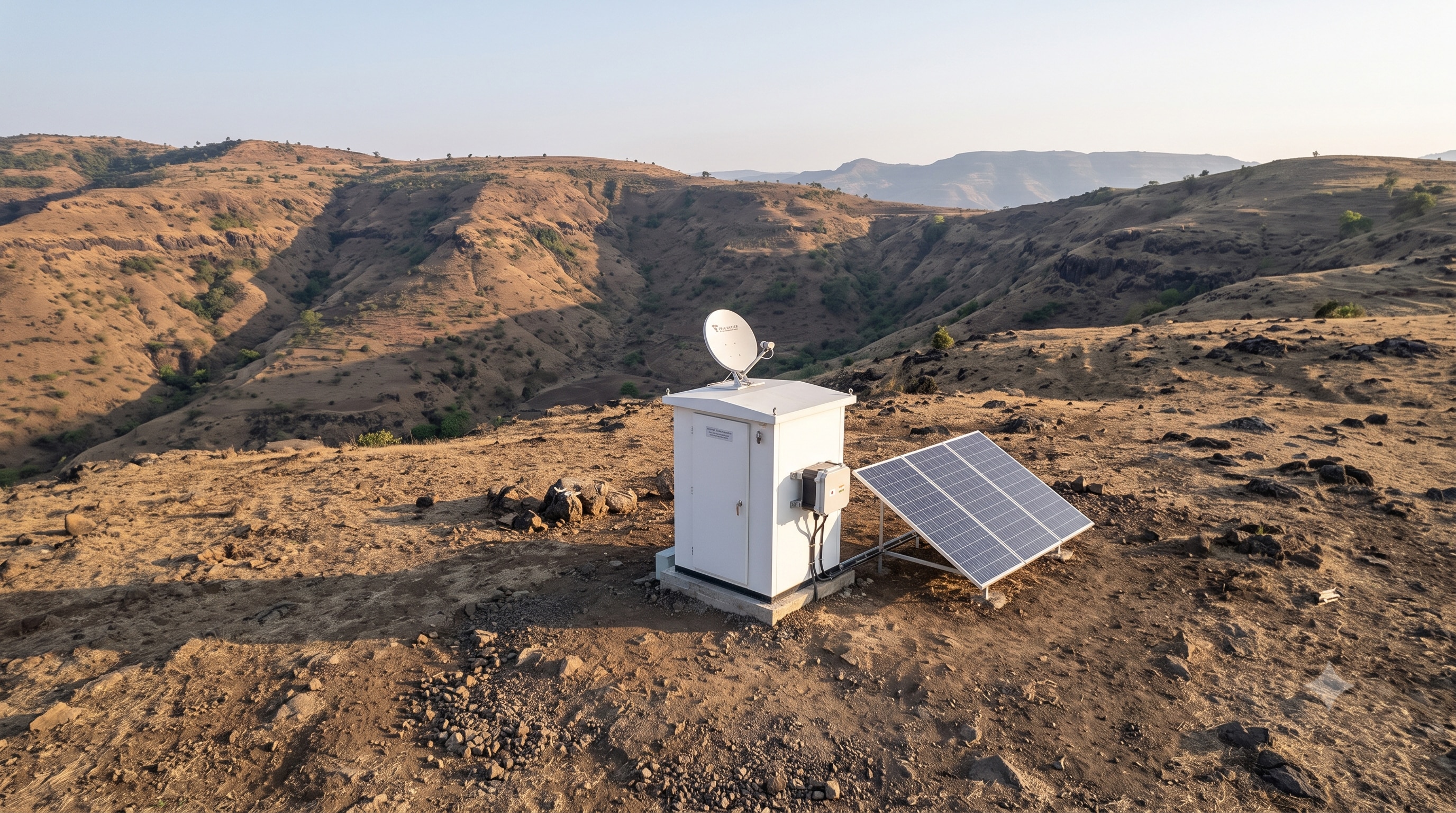
Eight alignment sensors are planned across Mumbai, Thane, Virar and Boisar in Maharashtra. Fourteen more will cover Vapi, Bilimora, Surat, Bharuch, Vadodara, Anand, Mahemdavad and Ahmedabad in Gujarat. They will be positioned at electrical installations that can quickly isolate a section.
- 5/6
The NHSRCL release lists four inland sites in Maharashtra—Khed, Ratnagiri, Latur and Pangri—and two in Gujarat—Adesar and Old Bhuj. Some later coverage changed Khed to “Kheda” and then incorrectly placed it in Maharashtra; the original release-based reporting says Khed.
- 6/6
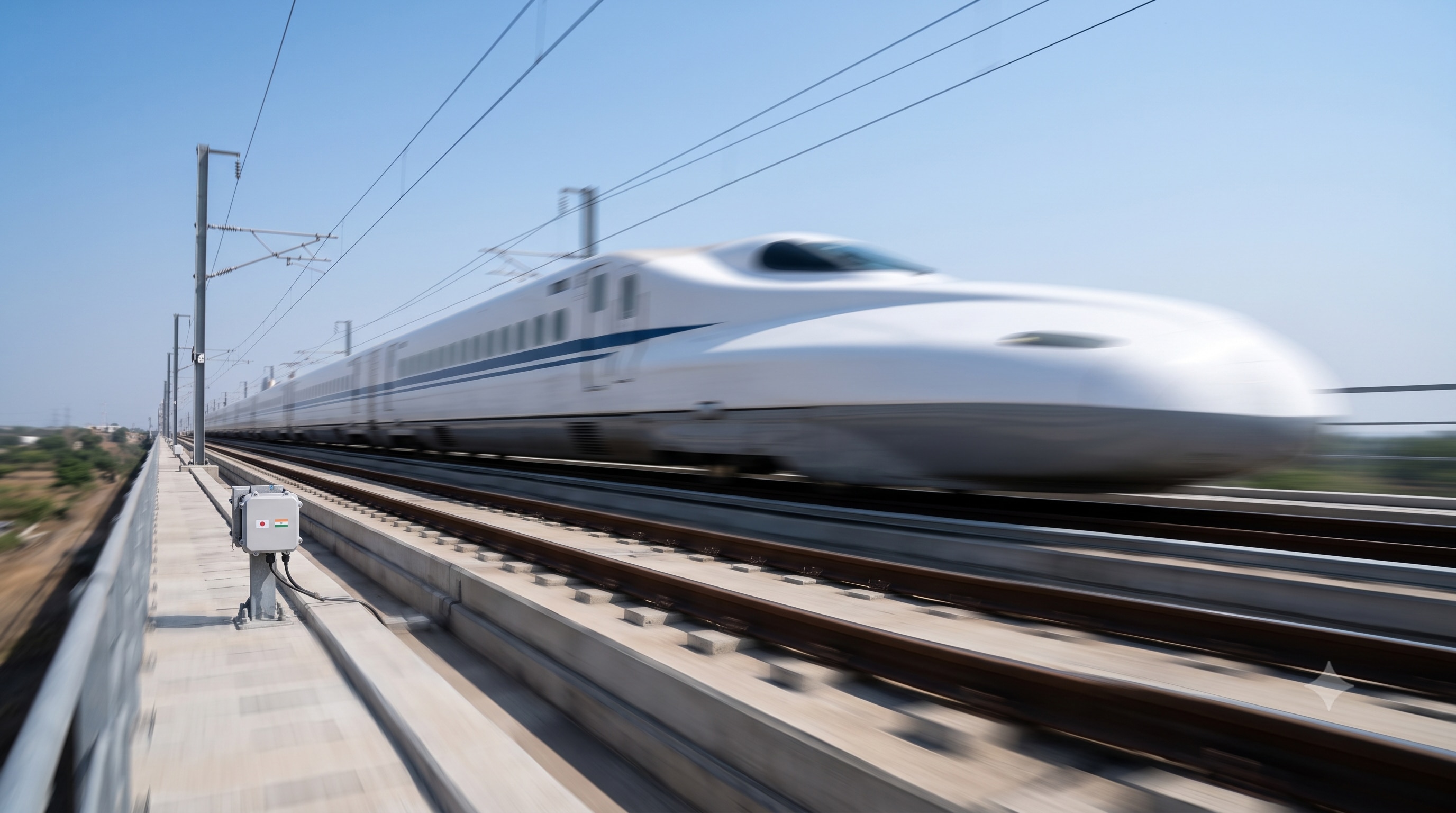
The locations were chosen after reviewing earthquakes above magnitude 5.5 recorded near the corridor during the previous 100 years. Japanese experts participated, and microtremor tests were used to assess ground conditions. The 508-km, 12-station corridor is designed for trains operating at up to 320 kmph.