
What is the G7 and why does it still matter In 2026? A complete guide
What is the G7 and why does it matter? A complete guide to the world's most powerful informal club — its history, members, 2026 agenda and global influence.
- Jun 17, 2026,
- Updated Jun 17, 2026 4:41 PM IST

- 1/9
The G7 was founded following the 1973 OPEC oil embargo as a forum for the richest nations to discuss crises affecting the world economy. Five decades later, the same club of wealthy democracies still gathers to confront the world's biggest emergencies — only the crises have changed, not the urgency. (Picture: National Archives and Records Administration)
- 2/9
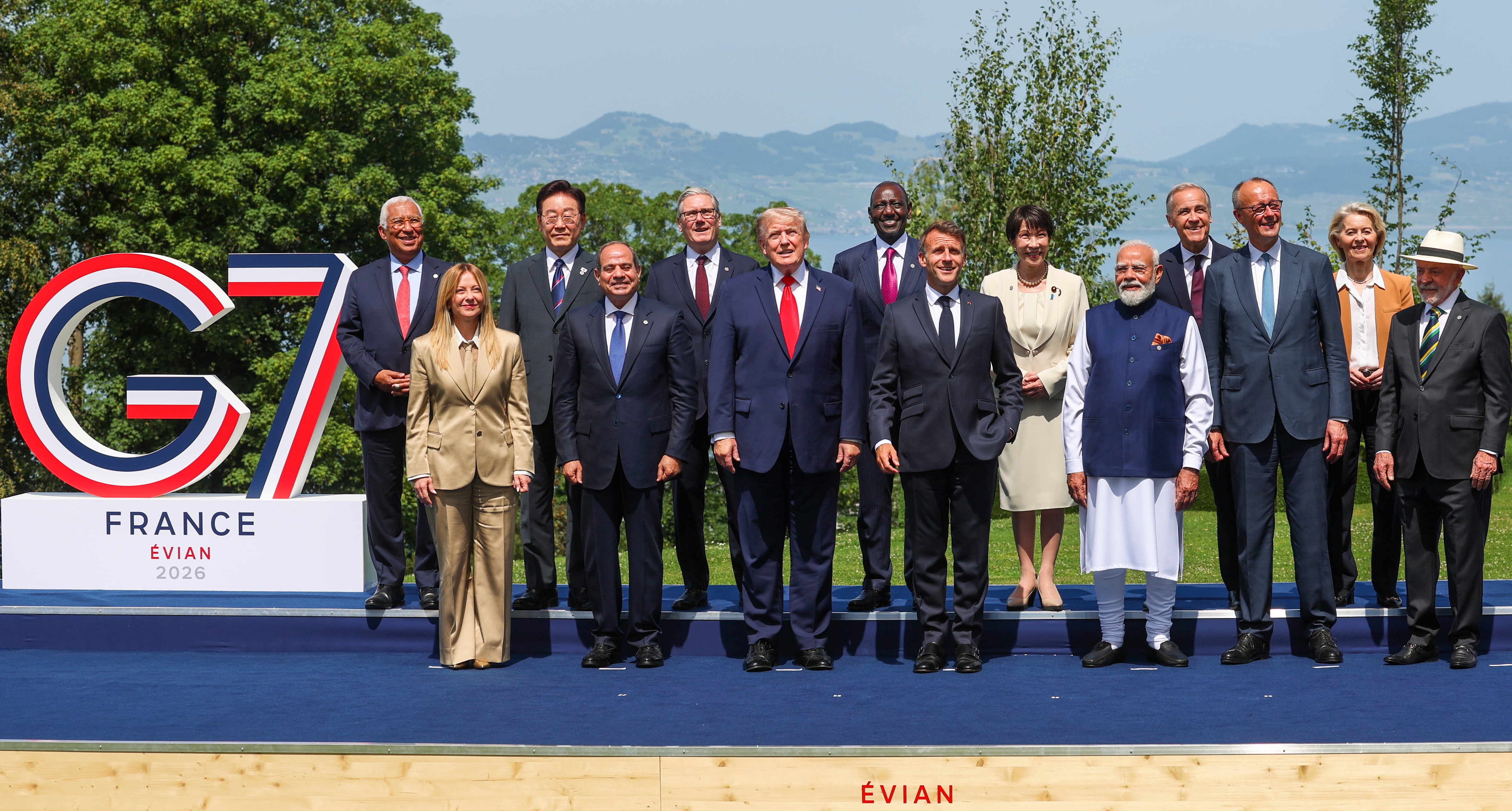
The G7 is an informal grouping of wealthy nations with no permanent secretariat or legal status. Its members are the US, Britain, Canada, France, Germany, Italy and Japan. No treaty binds them — yet their combined word can move markets, wars, and global policy overnight.
- 3/9
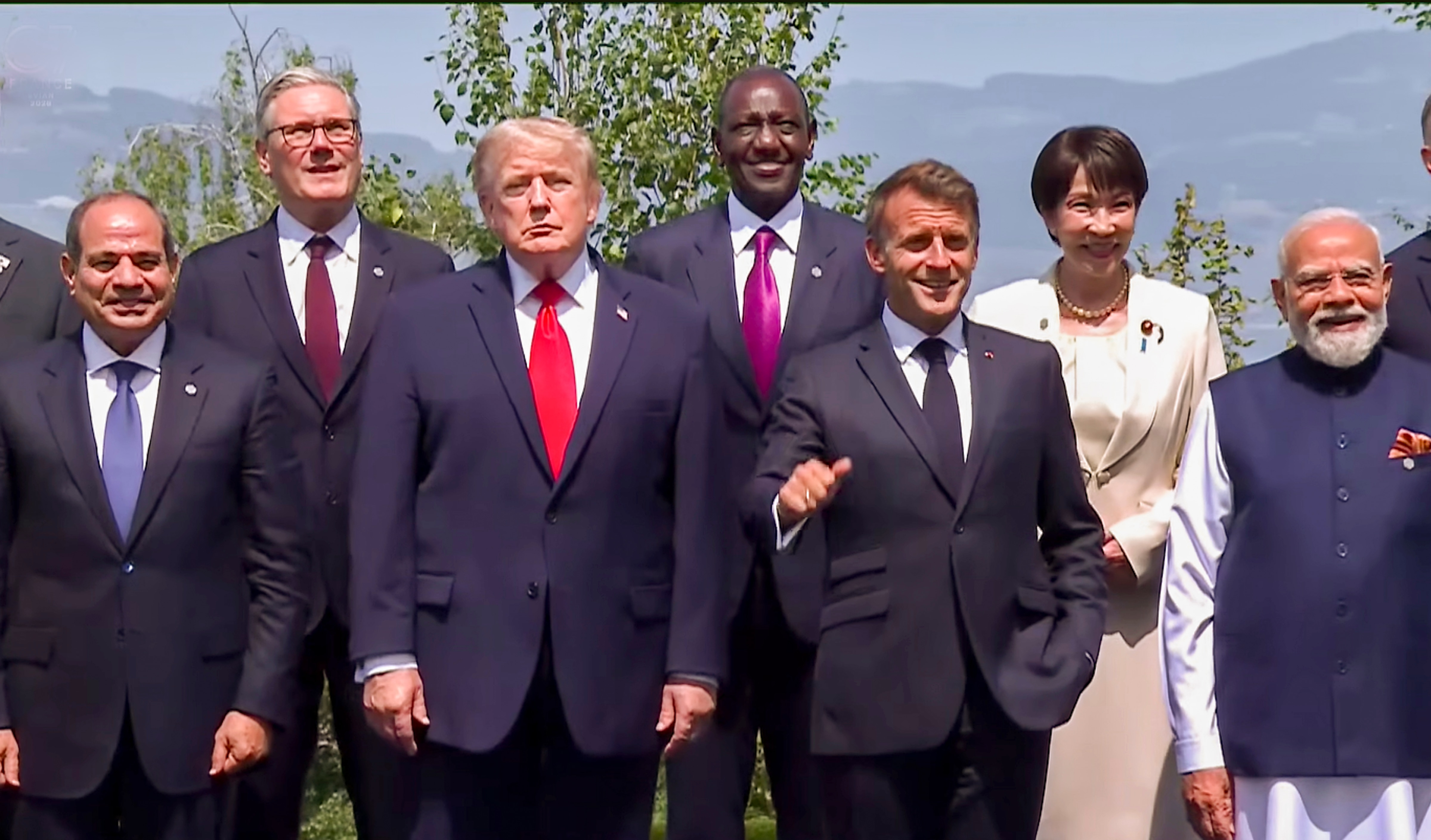
Member states have a combined annual GDP of more than $50 trillion — just under half the world economy. Seven nations, one room, and enough economic firepower to reshape trade routes, currencies, and supply chains for billions of people outside it.
- 4/9
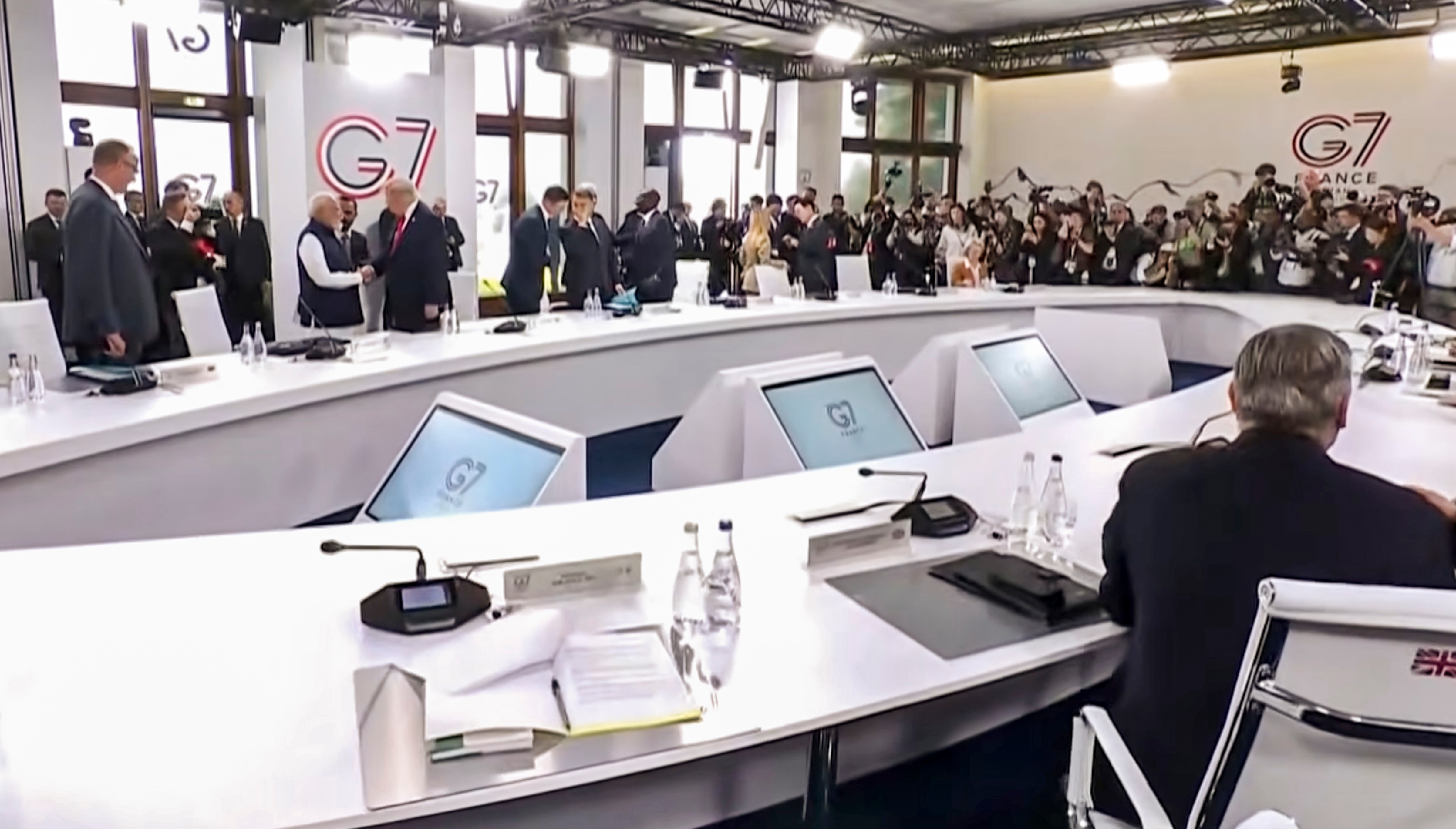
The scope of the G7 was expanded in the 1980s to include political issues. What began as a strictly economic summit evolved into a forum tackling wars, nuclear threats, pandemics, and now the unpredictable rise of artificial intelligence.
- 5/9
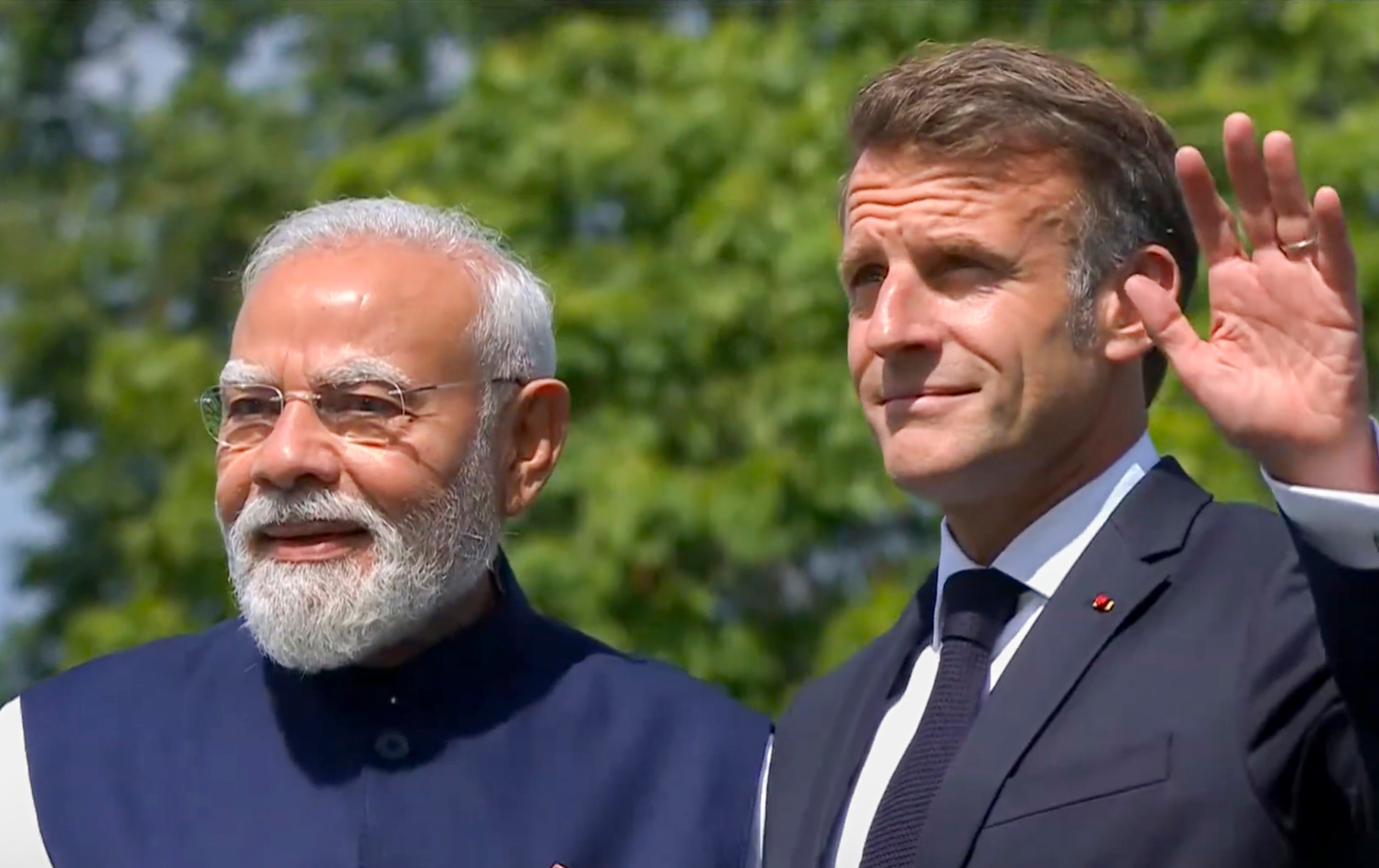
In recent years it has become customary to invite other nations. This year, the leaders of India, South Korea, Kenya and Brazil are among those invited. The exclusive club now leans on rising powers to stay relevant in a shifting world order.
- 6/9
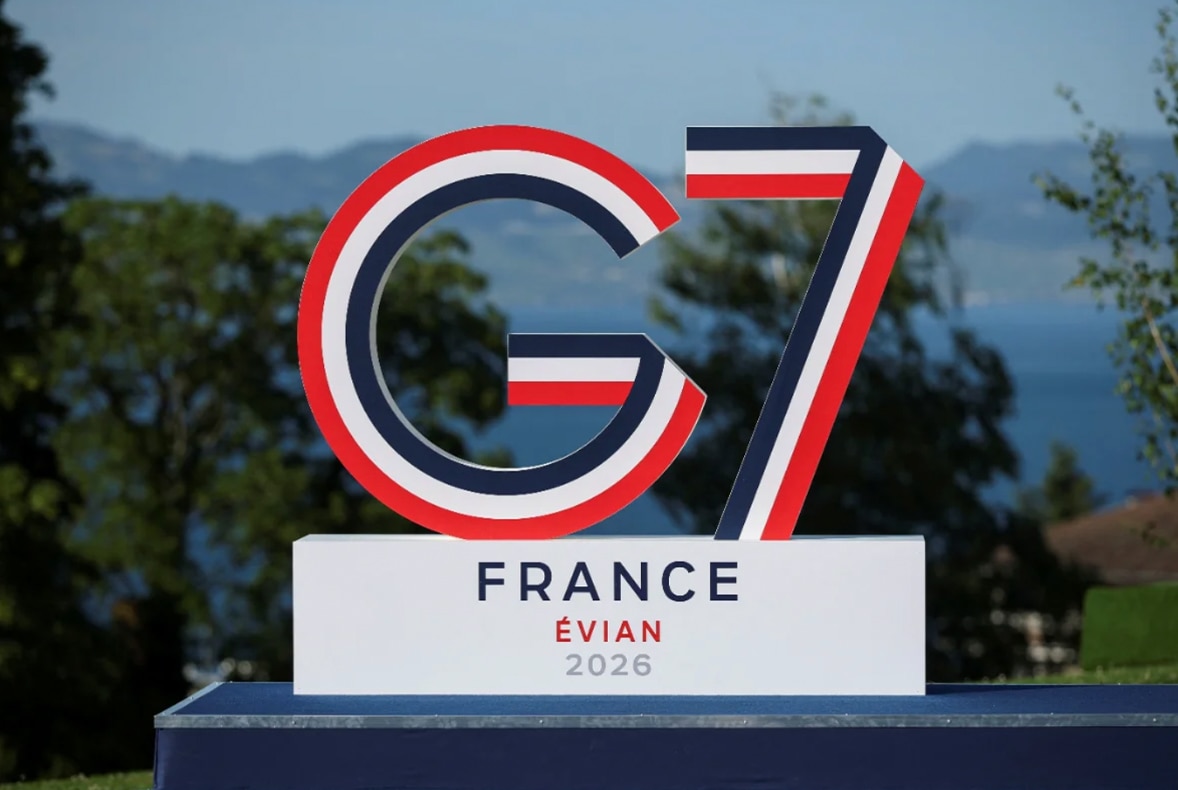
France took over the G7 presidency from Canada in 2026, hosting the summit at Évian-les-Bains. The lakeside resort previously hosted the G8 in 2003 — making this its long-awaited return to the global diplomatic spotlight.
- 7/9
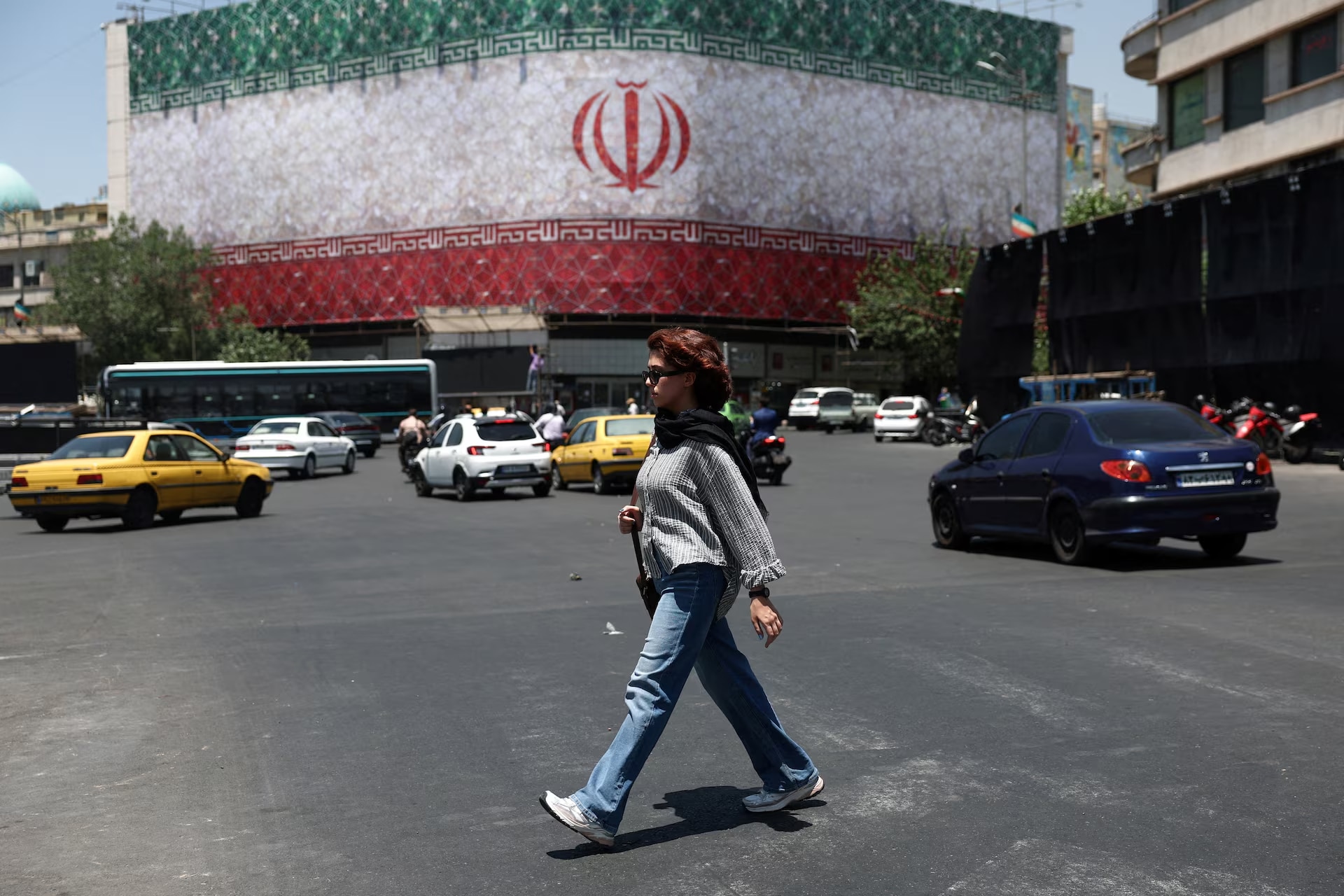
Leaders meeting in Evian-les-Bains are discussing wars in Ukraine and Iran, global economic imbalances that threaten financial stability, and the irrepressible rise of AI. Few summits in G7 history have carried this much simultaneous geopolitical weight.
- 8/9
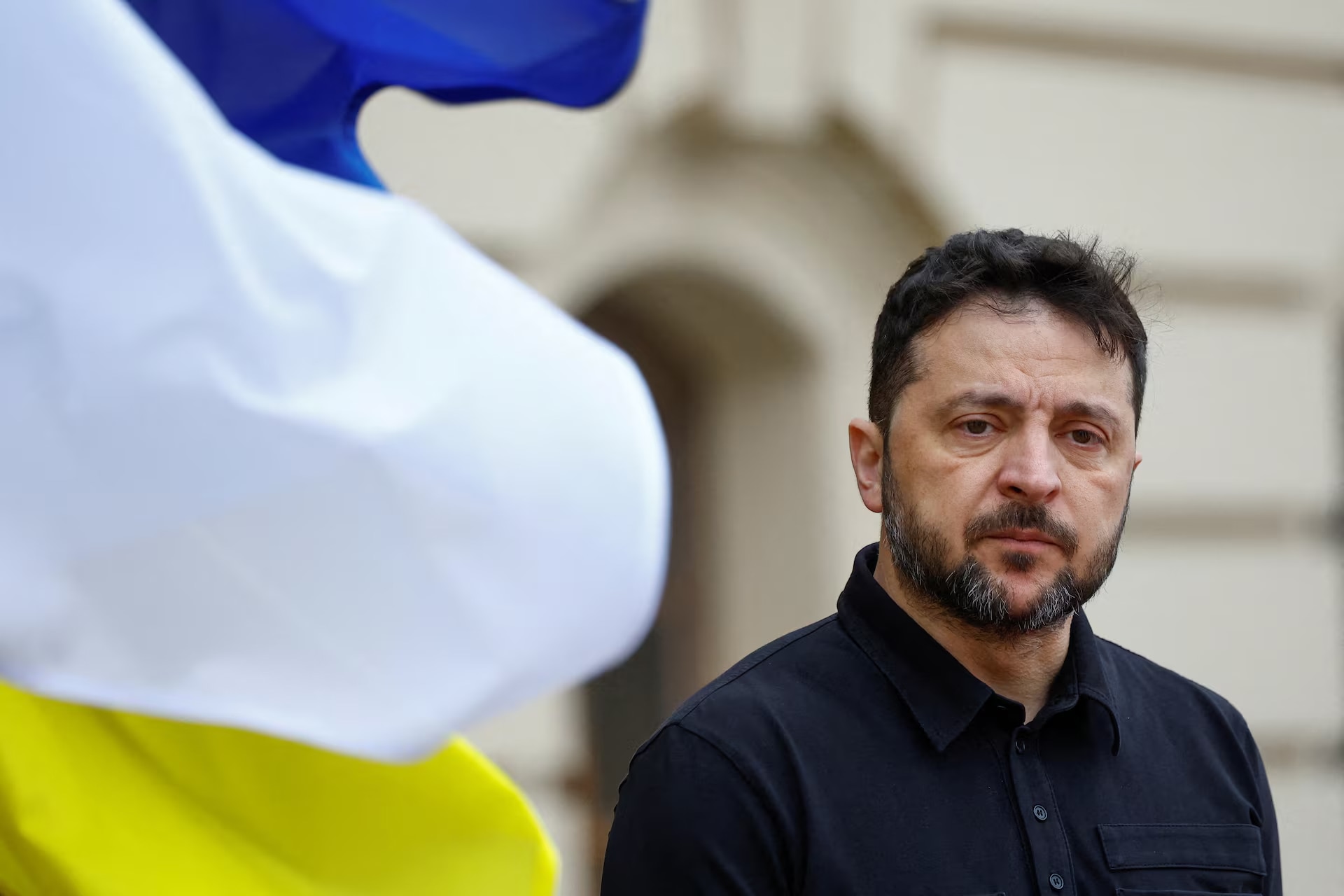
US allies worked to push the war in Ukraine back up Trump's agenda after more than four years of fighting, as the Iran conflict has recently overshadowed Russia's invasion. Macron pledged to push Trump to keep supporting Kyiv.
- 9/9
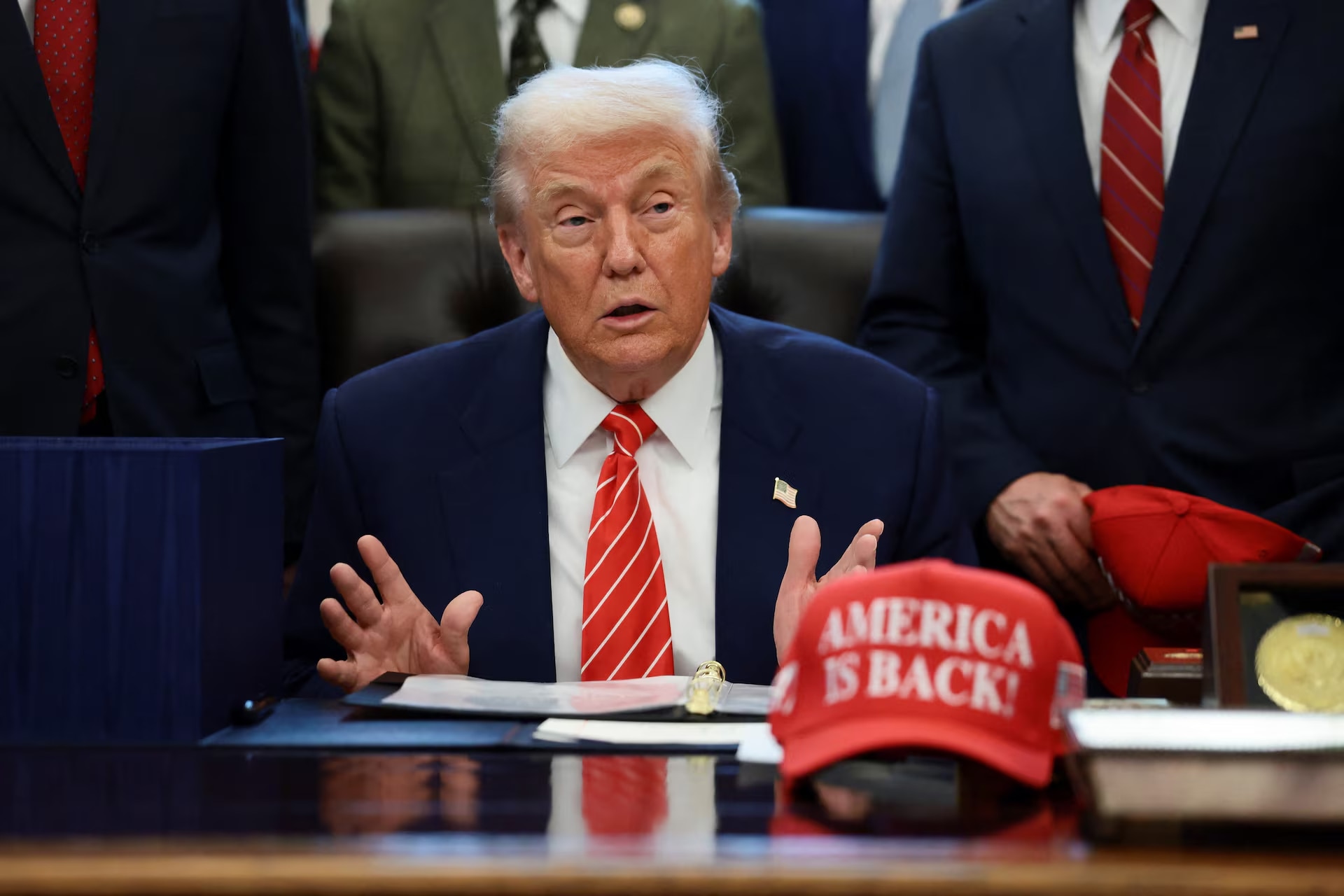
In its 50-year history, the G7 has faced geopolitical catastrophes — from the 1970s oil crisis to the fallout of Trump's military strikes against Iran — while facing growing questions about its relevance as multilateralism falters. Yet it endures, summit after summit.