
Why isn't China in the G7? The real history behind the world's most exclusive club
China has never been in the G7. Russia was — until 2014. Here's the real history of why the world's most powerful club excludes two of its biggest economies.
- Jun 17, 2026,
- Updated Jun 17, 2026 4:57 PM IST
- 1/8
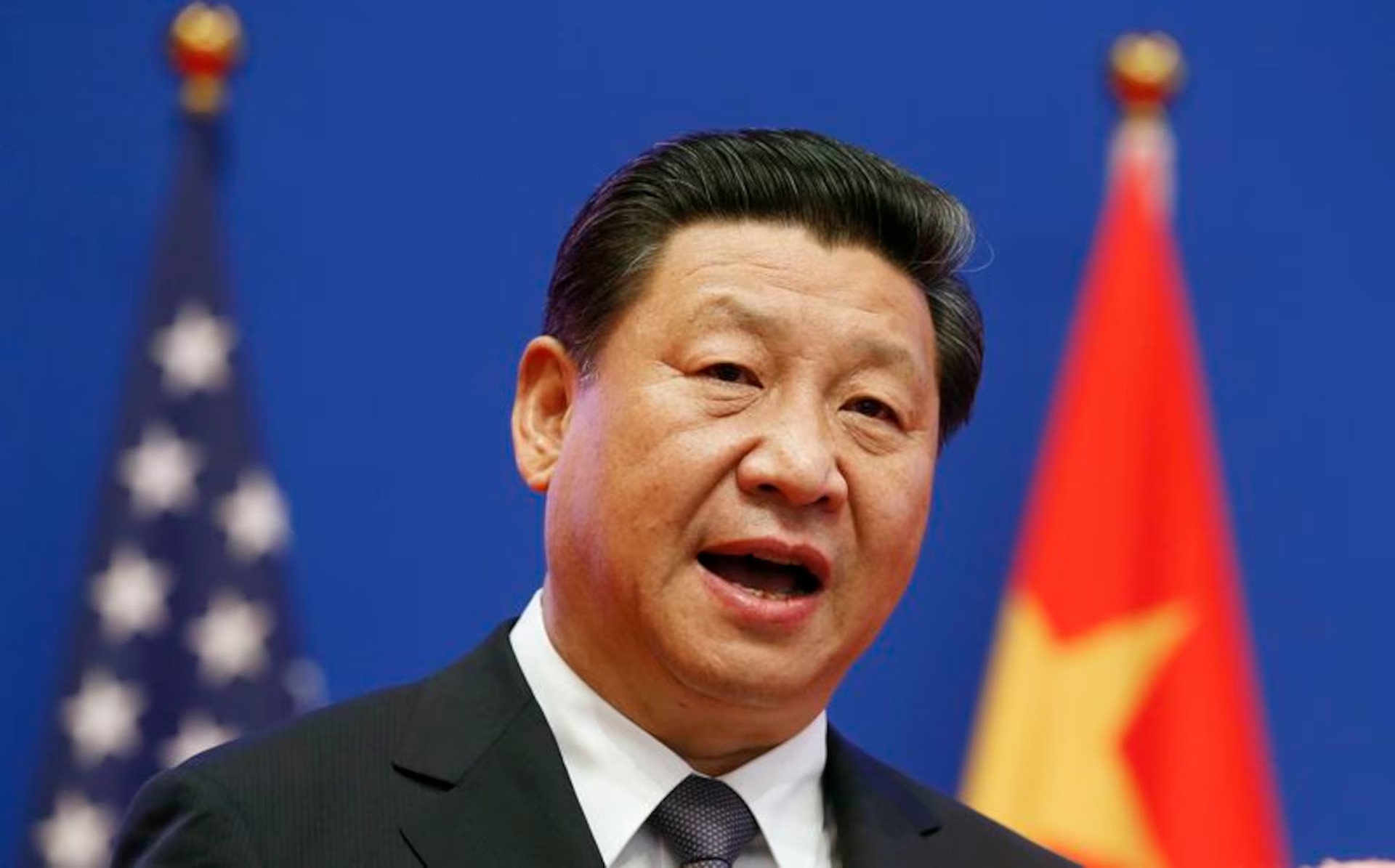
To answer why China has been excluded from G7 meetings, you have to understand the group's origin, history and purpose — a story that begins in 1975, amid the economic disruptions of the 1973 oil crisis.
- 2/8
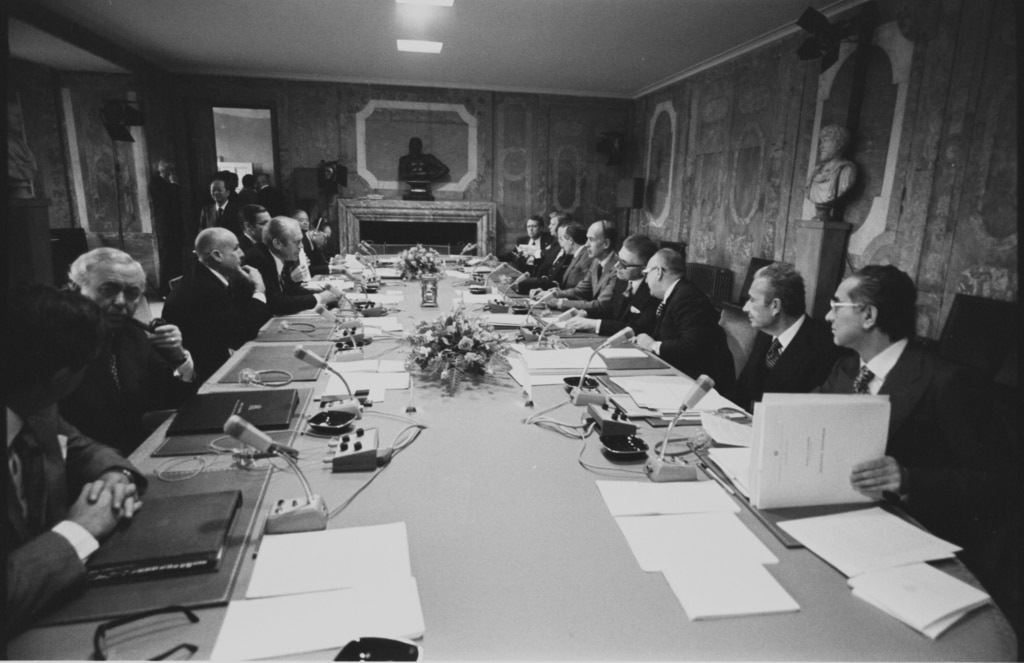
The group, originally called the G6, was established with six members — France, West Germany, Italy, Japan, the United Kingdom, and the United States — at a summit in Rambouillet, France. Canada joined in 1976. (Credit: The U.S. National Archives via Picryl.com)
- 3/8
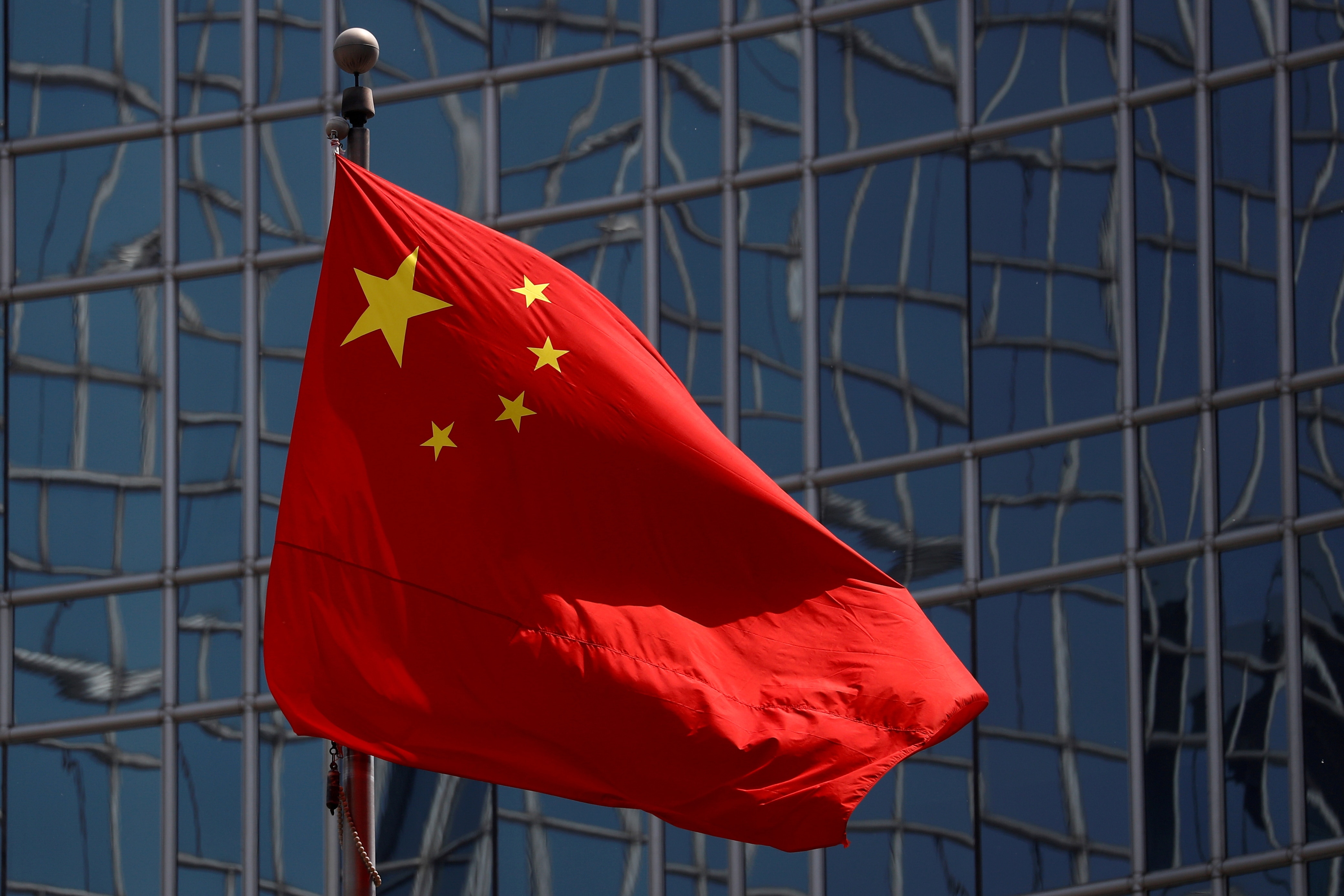
The G7's founding members were deliberately chosen as advanced industrial democracies. China, despite its economic size today, has never fit that founding criterion — a structural, not incidental, reason for its absence.
- 4/8
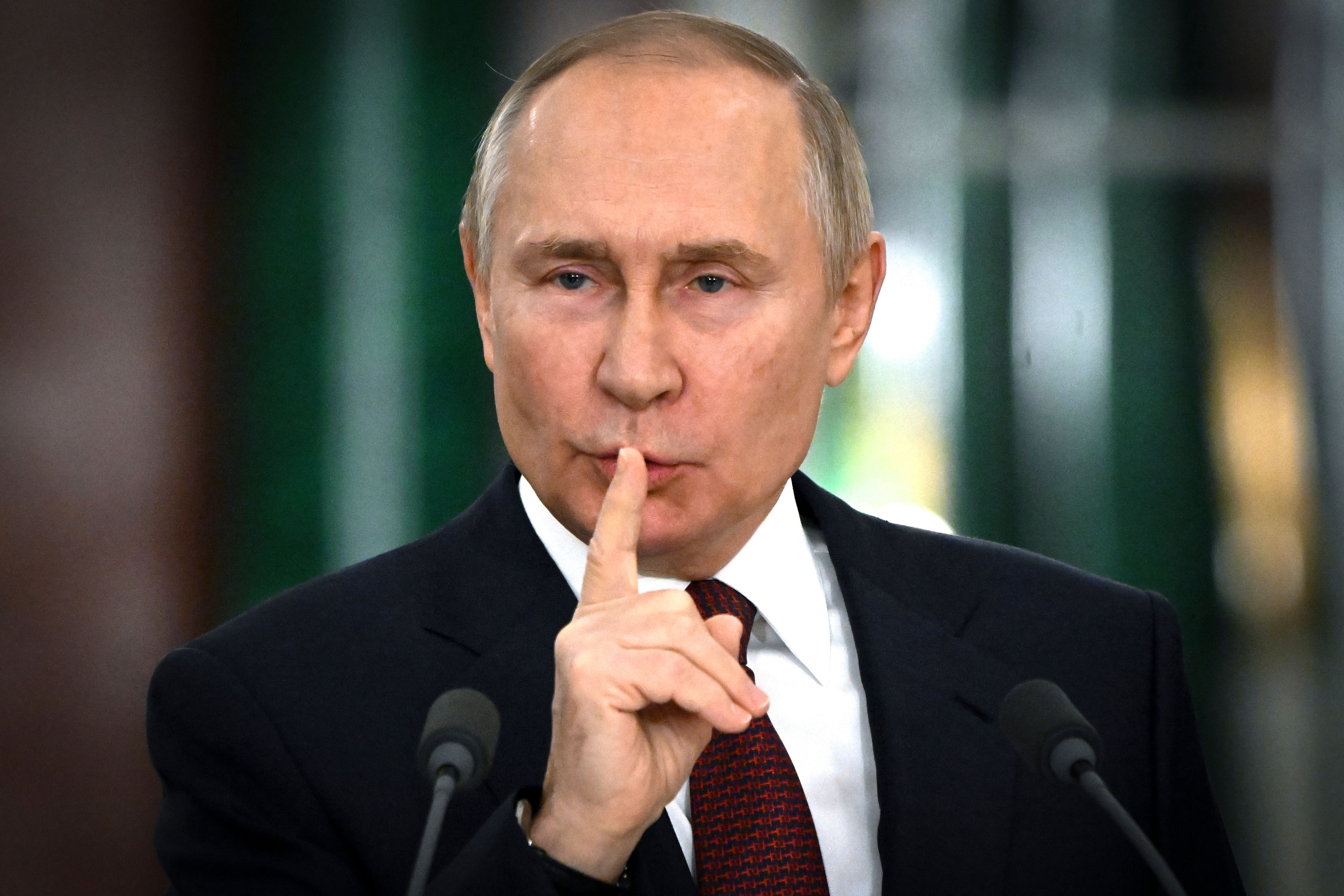
In 1997, Russia was admitted to the group, briefly making it the G8. However, Moscow's membership was suspended in 2014 after its annexation of Crimea, and the bloc returned to its G7 format.
- 5/8
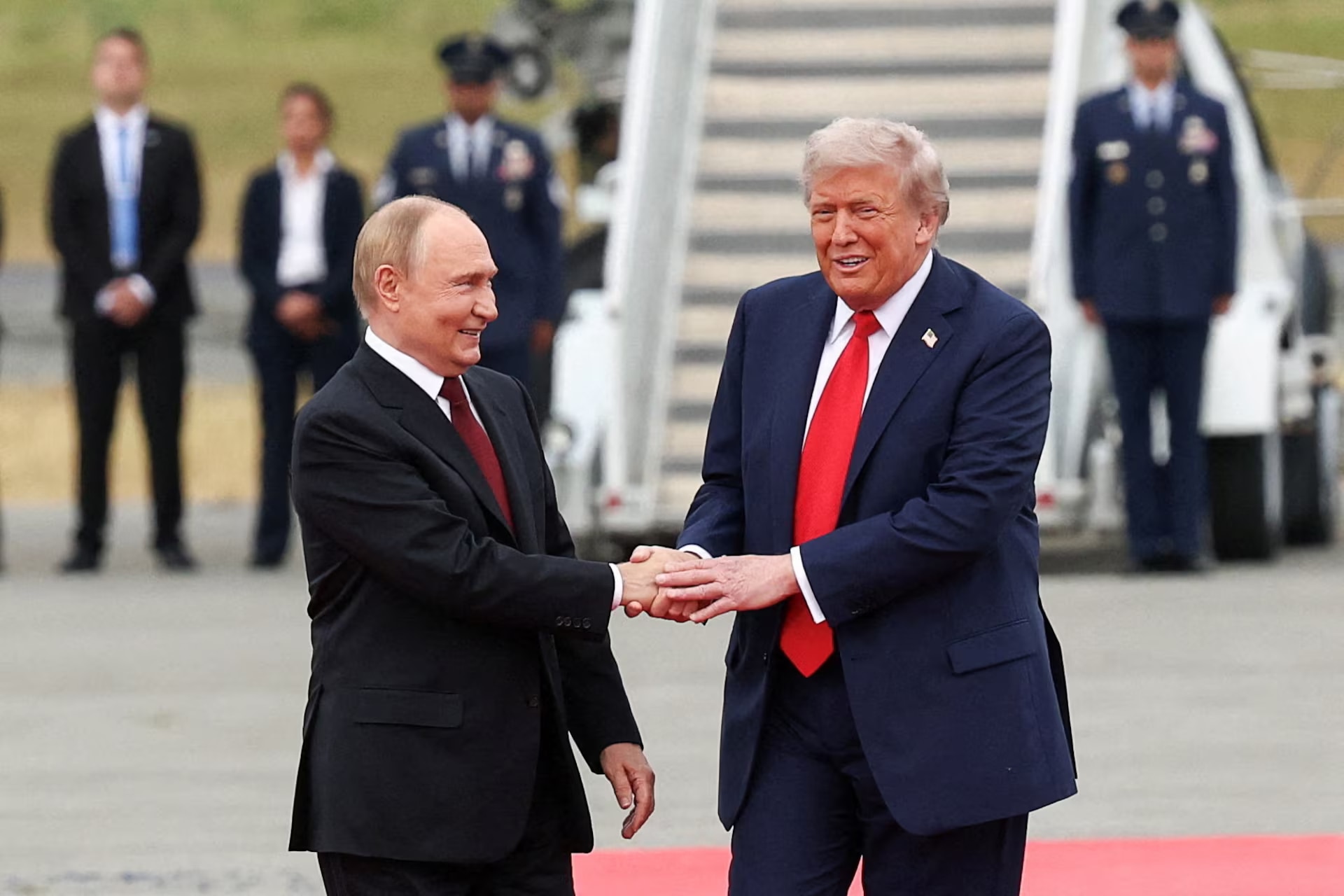
At the 2025 summit, Trump suggested Russia and possibly even China should be part of the organisation, saying he would rather have the G7 become the G8 or even the G9 — despite Russia and China being authoritarian governments in a bloc of democracies.
- 6/8
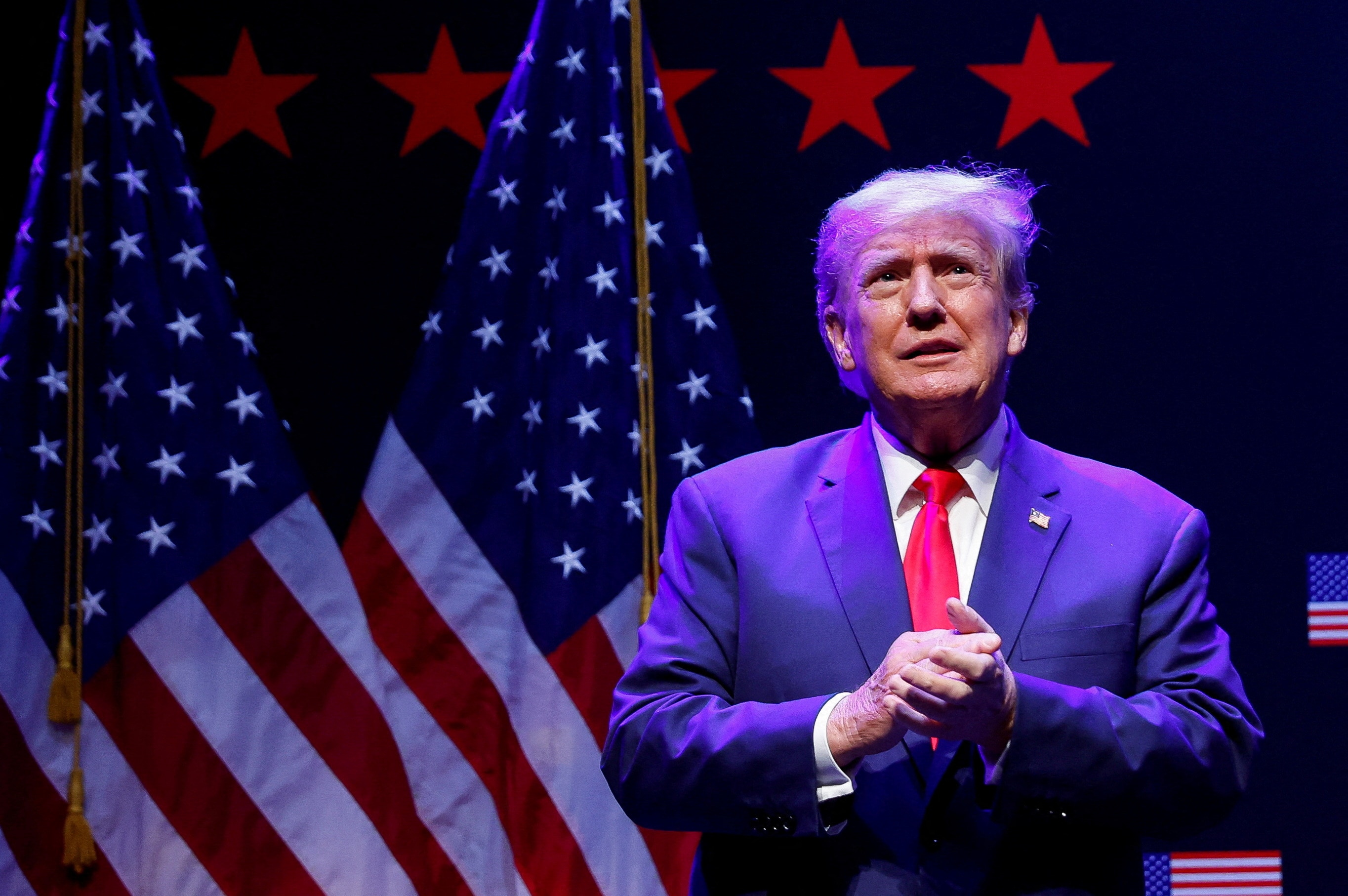
Trump called it a "very big mistake" to remove Russia in 2014, claiming "you wouldn't have a war right now if you had Russia in." He added that Putin "is no longer at the table, so it makes life more complicated."
- 7/8
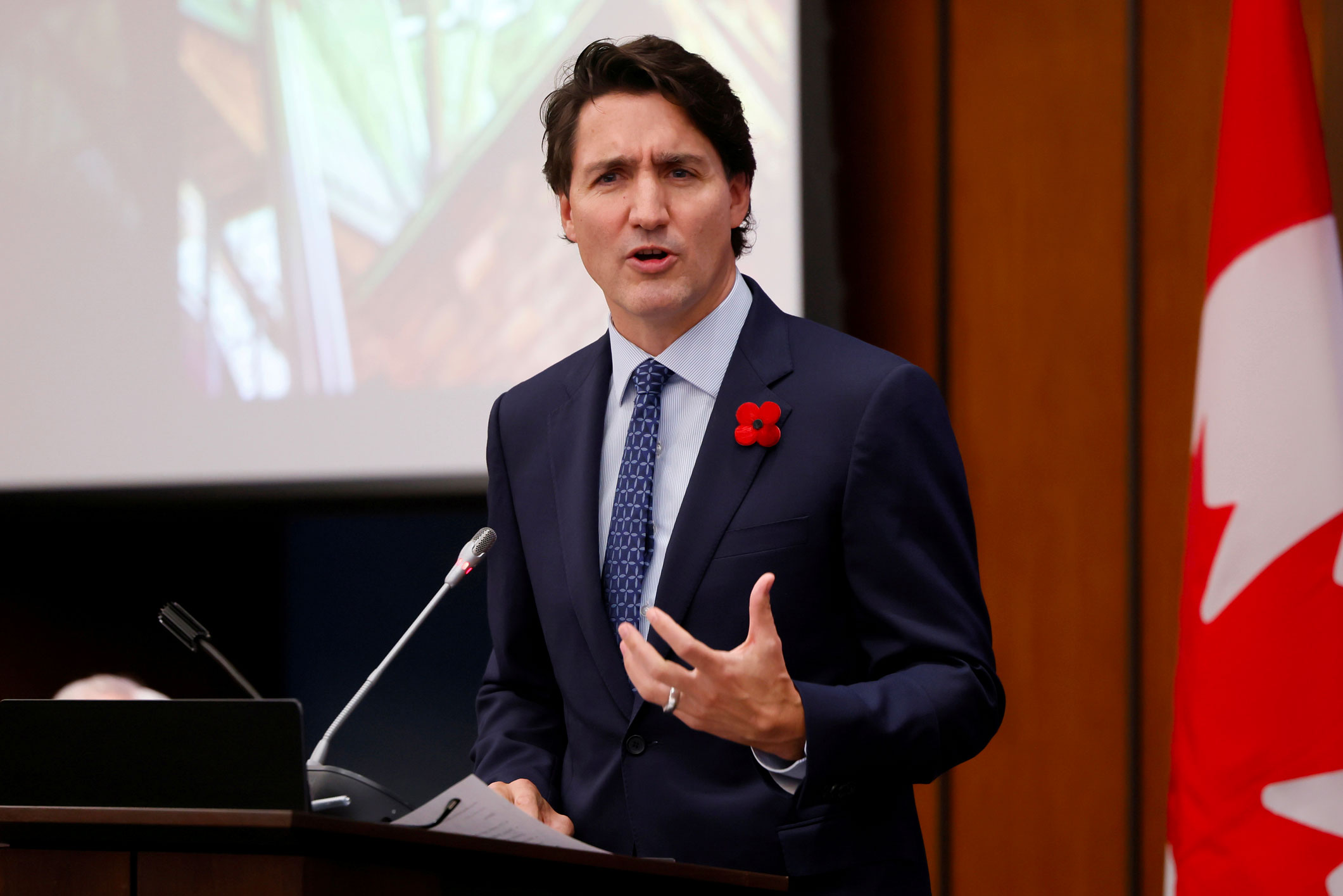
Canadian Prime Minister Justin Trudeau previously rejected Trump's call to readmit Russia, stating: "Its continued disrespect and flaunting of international rules and norms is why it remains outside of the G7 and why it will continue to remain out."
- 8/8
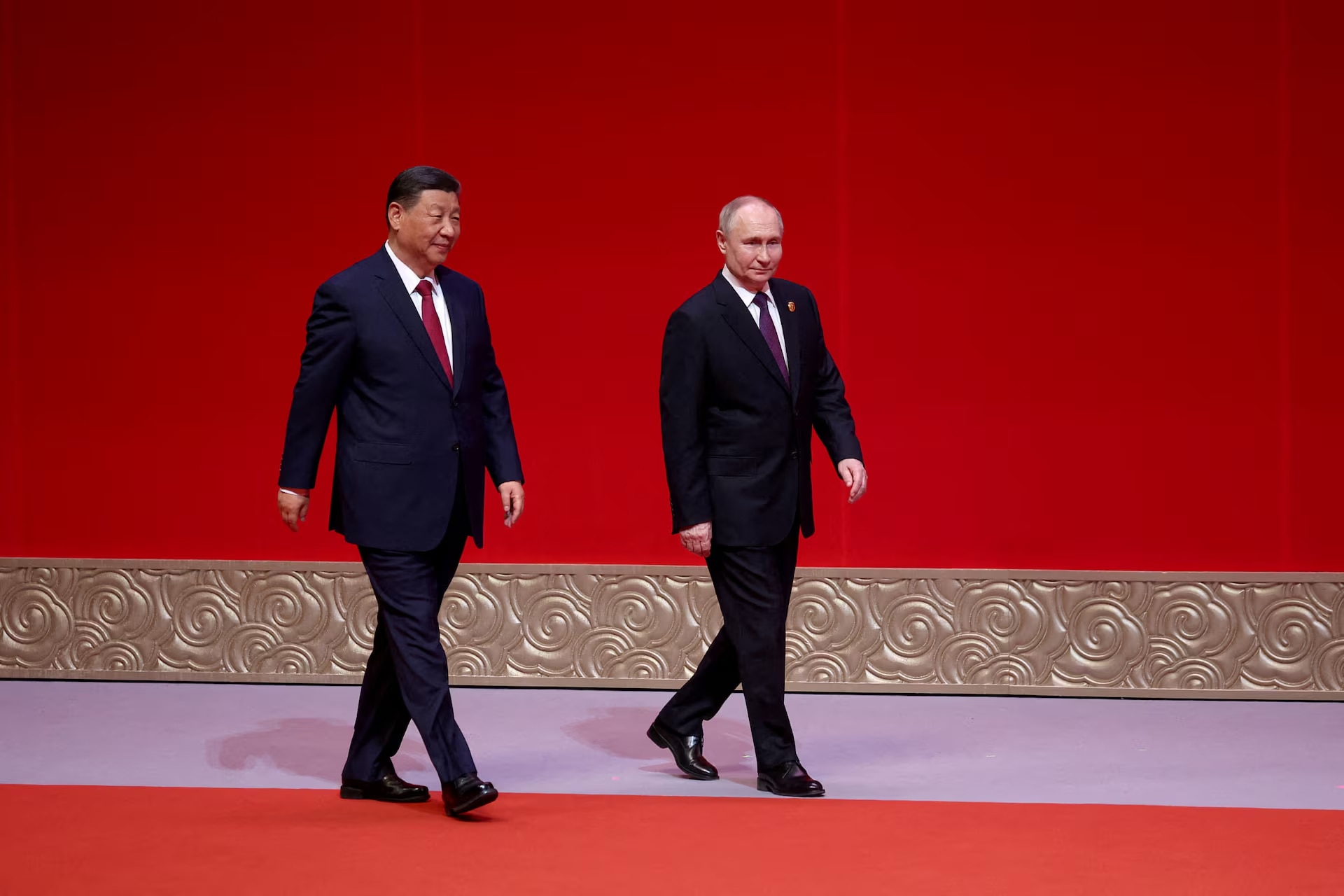
Even absent, China and Russia loom over every G7 discussion — from trade tariffs to the war in Ukraine. Every joint statement, sanction, and strategy debated inside the room is, in some way, a response to the two superpowers sitting outside it.