
150-year-old reason: Why your jeans has a tiny front pocket & what it was really made for
The survival of the pocket is a reminder that some of today's most familiar clothing details were created to solve practical problems faced by workers more than a century ago.
- Aug 8, 2026,
- Updated Aug 8, 2026 7:45 AM IST
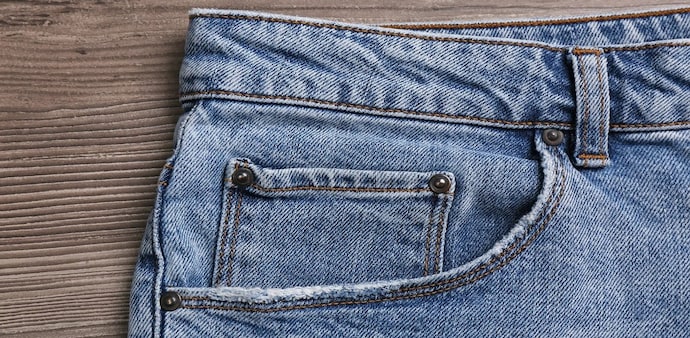
Take a close look at your favourite pair of jeans and you'll likely spot a tiny pocket stitched inside the larger front pocket. While many people use it for coins, keys, earbuds or nothing at all, the miniature pocket has a history dating back more than 150 years — long before smartphones and loose change became everyday essentials.
What appears to be a decorative feature today was originally designed with a very practical purpose in mind. The tiny pocket, often called the "watch pocket," was created to safely hold pocket watches, which were commonly carried by men in the late 19th century.
A design born in the 1870s
The pocket traces its origins to the early days of blue jeans. In 1873, when the first riveted denim work pants were introduced for miners, ranchers and labourers, pocket watches were among the most valuable possessions workers carried. Keeping them in a regular pocket made them vulnerable to scratches or damage during physically demanding work.
To solve this problem, a small reinforced pocket was stitched inside the front right pocket, providing a snug and secure place for the watch. The design quickly became a defining feature of classic denim jeans.
Why hasn't it disappeared?
Pocket watches gradually fell out of fashion as wristwatches became mainstream during the 20th century. Despite the original purpose becoming obsolete, the tiny pocket remained.
One reason is tradition. Denim manufacturers have largely preserved the original construction of classic five-pocket jeans, making the watch pocket part of the garment's identity. Removing it would alter one of the most recognisable elements of traditional denim.
Over the decades, the pocket has also found new uses. People now use it to store coins, guitar picks, rings, USB drives, lighters, folded currency, wireless earbuds and other small items that are easy to lose in larger pockets.
More than just a fashion detail
Although modern jeans are designed for a completely different era, many of their signature features — including copper rivets, contrast stitching and the tiny watch pocket — remain rooted in functionality rather than fashion.
The survival of the pocket is a reminder that some of today's most familiar clothing details were created to solve practical problems faced by workers more than a century ago. Even if it rarely holds a pocket watch anymore, the tiny front pocket continues to be one of denim's most enduring design features.
Take a close look at your favourite pair of jeans and you'll likely spot a tiny pocket stitched inside the larger front pocket. While many people use it for coins, keys, earbuds or nothing at all, the miniature pocket has a history dating back more than 150 years — long before smartphones and loose change became everyday essentials.
What appears to be a decorative feature today was originally designed with a very practical purpose in mind. The tiny pocket, often called the "watch pocket," was created to safely hold pocket watches, which were commonly carried by men in the late 19th century.
A design born in the 1870s
The pocket traces its origins to the early days of blue jeans. In 1873, when the first riveted denim work pants were introduced for miners, ranchers and labourers, pocket watches were among the most valuable possessions workers carried. Keeping them in a regular pocket made them vulnerable to scratches or damage during physically demanding work.
To solve this problem, a small reinforced pocket was stitched inside the front right pocket, providing a snug and secure place for the watch. The design quickly became a defining feature of classic denim jeans.
Why hasn't it disappeared?
Pocket watches gradually fell out of fashion as wristwatches became mainstream during the 20th century. Despite the original purpose becoming obsolete, the tiny pocket remained.
One reason is tradition. Denim manufacturers have largely preserved the original construction of classic five-pocket jeans, making the watch pocket part of the garment's identity. Removing it would alter one of the most recognisable elements of traditional denim.
Over the decades, the pocket has also found new uses. People now use it to store coins, guitar picks, rings, USB drives, lighters, folded currency, wireless earbuds and other small items that are easy to lose in larger pockets.
More than just a fashion detail
Although modern jeans are designed for a completely different era, many of their signature features — including copper rivets, contrast stitching and the tiny watch pocket — remain rooted in functionality rather than fashion.
The survival of the pocket is a reminder that some of today's most familiar clothing details were created to solve practical problems faced by workers more than a century ago. Even if it rarely holds a pocket watch anymore, the tiny front pocket continues to be one of denim's most enduring design features.