
Can landlords cut security deposits for repainting, routine cleaning? What tenants should know
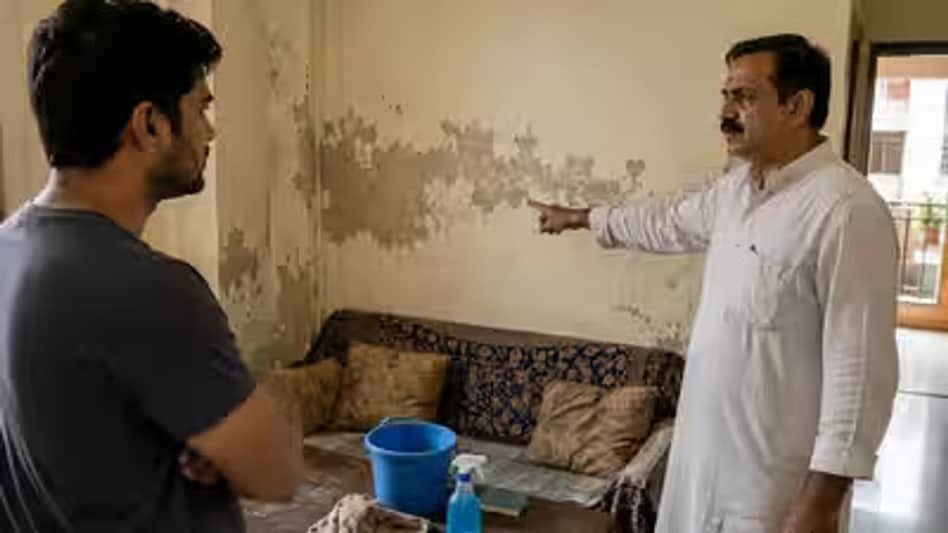
Security deposit deductions should be itemized and tied to legitimate liabilities such as unpaid rent, utility dues, or documented damage.
- Aug 7, 2026,
- Updated Aug 7, 2026 8:15 AM IST
Tenants moving out of rented homes often face a familiar dispute: how much of the security deposit can a landlord legally keep? According to recent reporting and court-backed tenancy principles in India, charges for faded paint, routine cleaning and ordinary aging of a property generally cannot be deducted from a tenant’s deposit. Instead, such costs are usually treated as normal wear and tear, which remains the landlord’s responsibility.
READ ALSO: Renting a flat? Who really bears housing society penalties for rule violations, tenant or landlord?
What the law says
Section 108(m) of the Transfer of Property Act, 1882, requires the tenant to keep the property in good condition during the tenure of the lease and restore the property to its original condition upon termination.
According to reports citing a Delhi High Court ruling, expenses arising from normal wear and tear — including routine whitewashing and painting — are ordinarily borne by the landlord. That means faded walls, minor scuffs and natural discolouration from everyday living should not automatically be deducted from a tenant’s deposit.
However, deductions can still be made for damage beyond normal use. Examples include broken fixtures, deep holes, severe wall damage, or negligence that leads to costly repairs, provided the landlord can justify the claim with proof and actual expense details.
Clauses mentioned in the rental agreement often determine conditions under which the landlord can make legitimate deductions from the security deposit. However, they also depend on the applicable law.
What tenants should know
The key distinction is between normal aging and tenant-caused damage. If a landlord wants to retain part of a security deposit, they must show that the damage was caused by the tenant, that it goes beyond ordinary wear and tear, and that the amount deducted matches the real repair cost.
Under the Model Tenancy Act framework, security deposit deductions should be itemised and tied to legitimate liabilities such as unpaid rent, utility dues, or documented damage. Arbitrary deductions for repainting or cleaning are not permitted simply because the tenant moved out.
If you are moving out, you should document the property condition with photos and keep a copy of the rental agreement. If the landlord deducts money for faded paint, routine cleaning, or normal ageing, the tenant can challenge the deduction by asking for a written breakdown and evidence of the claimed costs.
Tenants moving out of rented homes often face a familiar dispute: how much of the security deposit can a landlord legally keep? According to recent reporting and court-backed tenancy principles in India, charges for faded paint, routine cleaning and ordinary aging of a property generally cannot be deducted from a tenant’s deposit. Instead, such costs are usually treated as normal wear and tear, which remains the landlord’s responsibility.
READ ALSO: Renting a flat? Who really bears housing society penalties for rule violations, tenant or landlord?
What the law says
Section 108(m) of the Transfer of Property Act, 1882, requires the tenant to keep the property in good condition during the tenure of the lease and restore the property to its original condition upon termination.
According to reports citing a Delhi High Court ruling, expenses arising from normal wear and tear — including routine whitewashing and painting — are ordinarily borne by the landlord. That means faded walls, minor scuffs and natural discolouration from everyday living should not automatically be deducted from a tenant’s deposit.
However, deductions can still be made for damage beyond normal use. Examples include broken fixtures, deep holes, severe wall damage, or negligence that leads to costly repairs, provided the landlord can justify the claim with proof and actual expense details.
Clauses mentioned in the rental agreement often determine conditions under which the landlord can make legitimate deductions from the security deposit. However, they also depend on the applicable law.
What tenants should know
The key distinction is between normal aging and tenant-caused damage. If a landlord wants to retain part of a security deposit, they must show that the damage was caused by the tenant, that it goes beyond ordinary wear and tear, and that the amount deducted matches the real repair cost.
Under the Model Tenancy Act framework, security deposit deductions should be itemised and tied to legitimate liabilities such as unpaid rent, utility dues, or documented damage. Arbitrary deductions for repainting or cleaning are not permitted simply because the tenant moved out.
If you are moving out, you should document the property condition with photos and keep a copy of the rental agreement. If the landlord deducts money for faded paint, routine cleaning, or normal ageing, the tenant can challenge the deduction by asking for a written breakdown and evidence of the claimed costs.