
Quote of the Day by Azim Premji: ‘People have to take control of their own lives...’
Often referred to as the "Czar of the Indian IT Industry," he is best known for transforming Wipro Limited from a small family-run cooking oil business into a multi-billion-dollar global software and outsourcing giant.
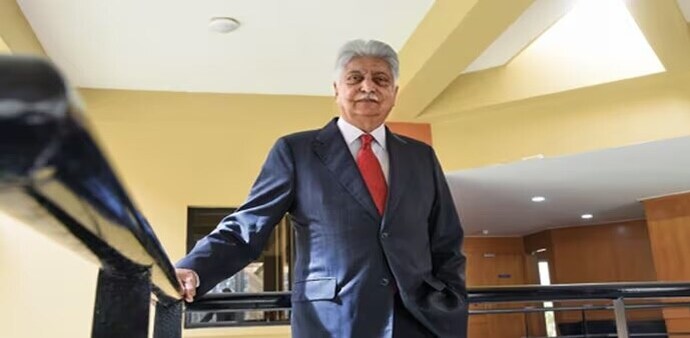
- Jul 19, 2026,
- Updated Jul 19, 2026 7:30 AM IST
“People have to take control of their own lives. Education is key because it also raises other social indicators like healthcare,” a quote by Azim Premji, Founding Chairman of Wipro.
That quote beautifully captures the core mission of the Azim Premji Foundation. By focusing on primary education in rural and historically disadvantaged areas, the foundation works to empower communities to take charge of their futures while simultaneously improving local healthcare and livelihoods.
Who is Azim Premji
Azim Premji is an Indian tech magnate, investor, and one of the world's most prominent living philanthropists. Often referred to as the "Czar of the Indian IT Industry," he is best known for transforming Wipro Limited from a small family-run cooking oil business into a multi-billion-dollar global software and outsourcing giant.
In 1966, at age 21, Premji was forced to drop out of Stanford University following his father’s sudden death. He returned to India to take control of the family firm, Western Indian Vegetable Products Ltd. He expanded the business from consumer care (shortening, soaps, and lighting) into industrial engineering. In 1977, he renamed the firm Wipro.
When the Indian government expelled IBM in 1979, Premji seized the opportunity, steering Wipro directly into the emerging computer hardware and software market.
Under his leadership across four decades, Wipro evolved into a premier global IT outsourcing enterprise spanning over 60 countries. In 2019, he stepped down as executive chairman, handing the leadership to his son, Rishad Premji.
When was this quote said by Azim Premji
Azim Premji said this during an extensive profile interview published by The Guardian on January 22, 2005.
He made these comments while explaining why he chose to focus his foundation’s immense resources strictly on rural primary education rather than corporate or tech-driven charity. He noted that real empowerment happens when people are given the tools to take control of their own lives.
What does this quote mean?
This quote means that true human empowerment begins with individuals taking responsibility for their own destinies rather than depending on external aid. Azim Premji argues that primary education is the ultimate catalyst for this self-reliance. When you educate a community, you do not just teach literacy; you fundamentally change how people live.
Education acts as a foundation that automatically triggers a domino effect across all other aspects of society. For example, literate individuals make informed health choices, practice better sanitation, and understand nutrition, which directly drives down disease and infant mortality rates.
“People have to take control of their own lives. Education is key because it also raises other social indicators like healthcare,” a quote by Azim Premji, Founding Chairman of Wipro.
That quote beautifully captures the core mission of the Azim Premji Foundation. By focusing on primary education in rural and historically disadvantaged areas, the foundation works to empower communities to take charge of their futures while simultaneously improving local healthcare and livelihoods.
Who is Azim Premji
Azim Premji is an Indian tech magnate, investor, and one of the world's most prominent living philanthropists. Often referred to as the "Czar of the Indian IT Industry," he is best known for transforming Wipro Limited from a small family-run cooking oil business into a multi-billion-dollar global software and outsourcing giant.
In 1966, at age 21, Premji was forced to drop out of Stanford University following his father’s sudden death. He returned to India to take control of the family firm, Western Indian Vegetable Products Ltd. He expanded the business from consumer care (shortening, soaps, and lighting) into industrial engineering. In 1977, he renamed the firm Wipro.
When the Indian government expelled IBM in 1979, Premji seized the opportunity, steering Wipro directly into the emerging computer hardware and software market.
Under his leadership across four decades, Wipro evolved into a premier global IT outsourcing enterprise spanning over 60 countries. In 2019, he stepped down as executive chairman, handing the leadership to his son, Rishad Premji.
When was this quote said by Azim Premji
Azim Premji said this during an extensive profile interview published by The Guardian on January 22, 2005.
He made these comments while explaining why he chose to focus his foundation’s immense resources strictly on rural primary education rather than corporate or tech-driven charity. He noted that real empowerment happens when people are given the tools to take control of their own lives.
What does this quote mean?
This quote means that true human empowerment begins with individuals taking responsibility for their own destinies rather than depending on external aid. Azim Premji argues that primary education is the ultimate catalyst for this self-reliance. When you educate a community, you do not just teach literacy; you fundamentally change how people live.
Education acts as a foundation that automatically triggers a domino effect across all other aspects of society. For example, literate individuals make informed health choices, practice better sanitation, and understand nutrition, which directly drives down disease and infant mortality rates.