
Oil, sanctions, and power: Why Venezuela’s reserves matter more than ever
A small group of countries controls most of the world’s proven oil reserves, shaping energy prices, geopolitics, and power. Here’s how the top oil-rich nations rank in 2024.
- Jan 5, 2026,
- Updated Jan 5, 2026 3:53 PM IST
- 1/9
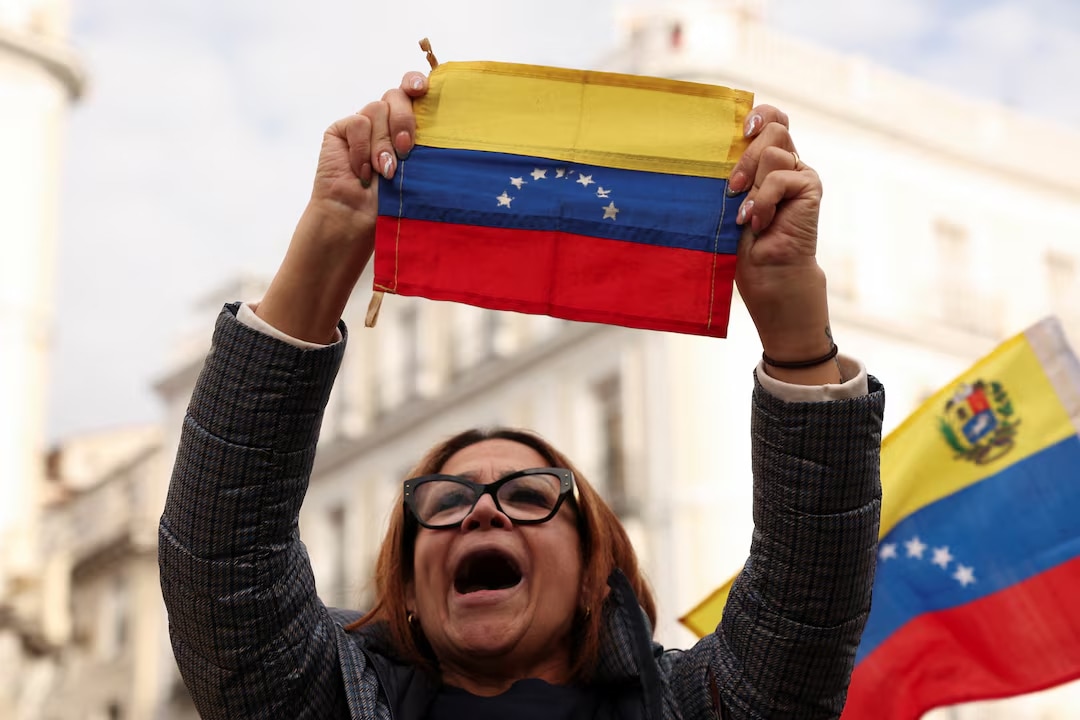
A tiny club controls the planet’s energy spine. Data shows just a handful of nations sit atop most proven crude reserves, giving them outsized power over prices, diplomacy, and supply shocks that ripple through every economy.
- 2/9
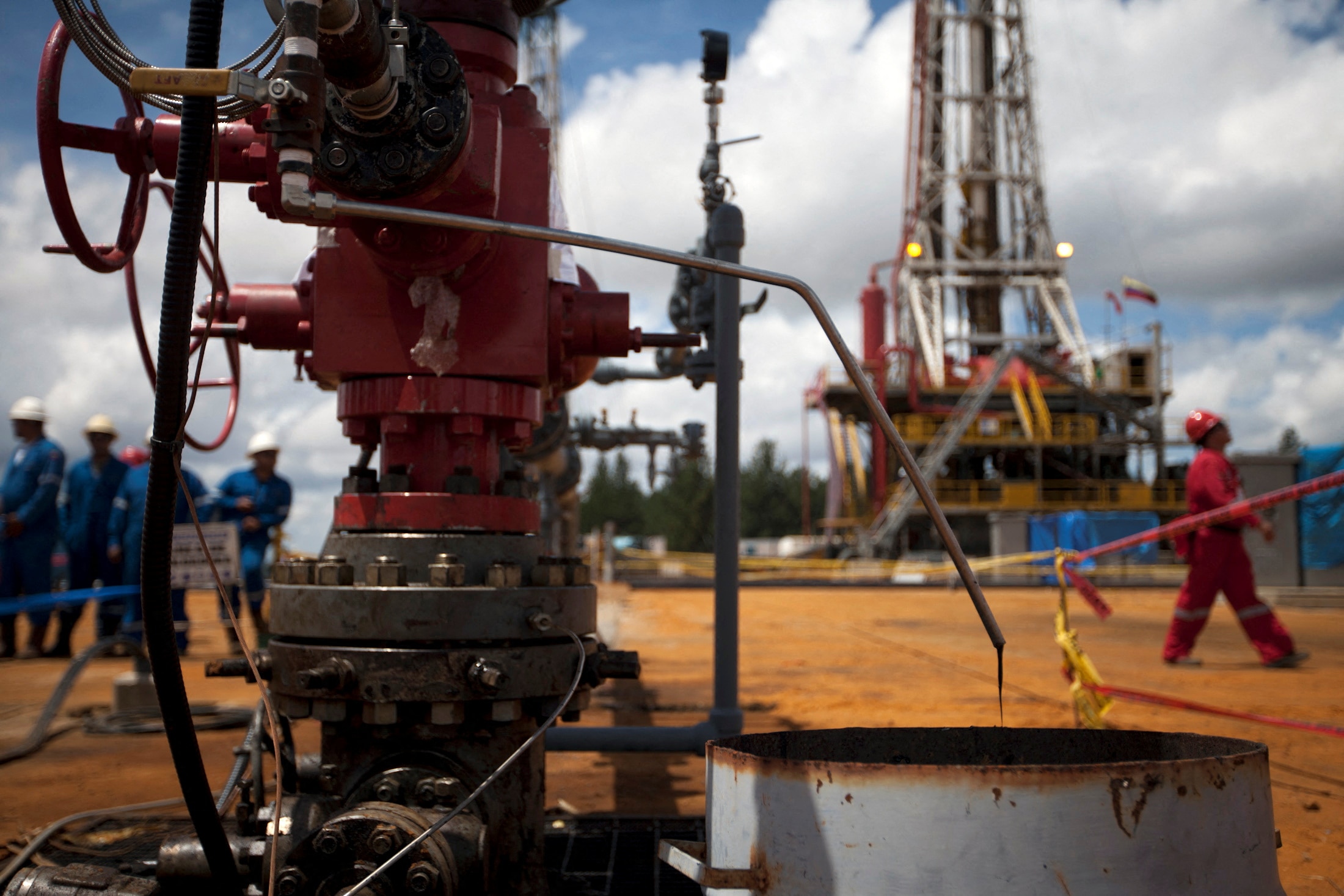
Venezuela holds the world’s largest oil reserves—over 300 billion barrels—yet sanctions and infrastructure decay mean much of this black gold stays underground, unusable, and politically explosive.
- 3/9
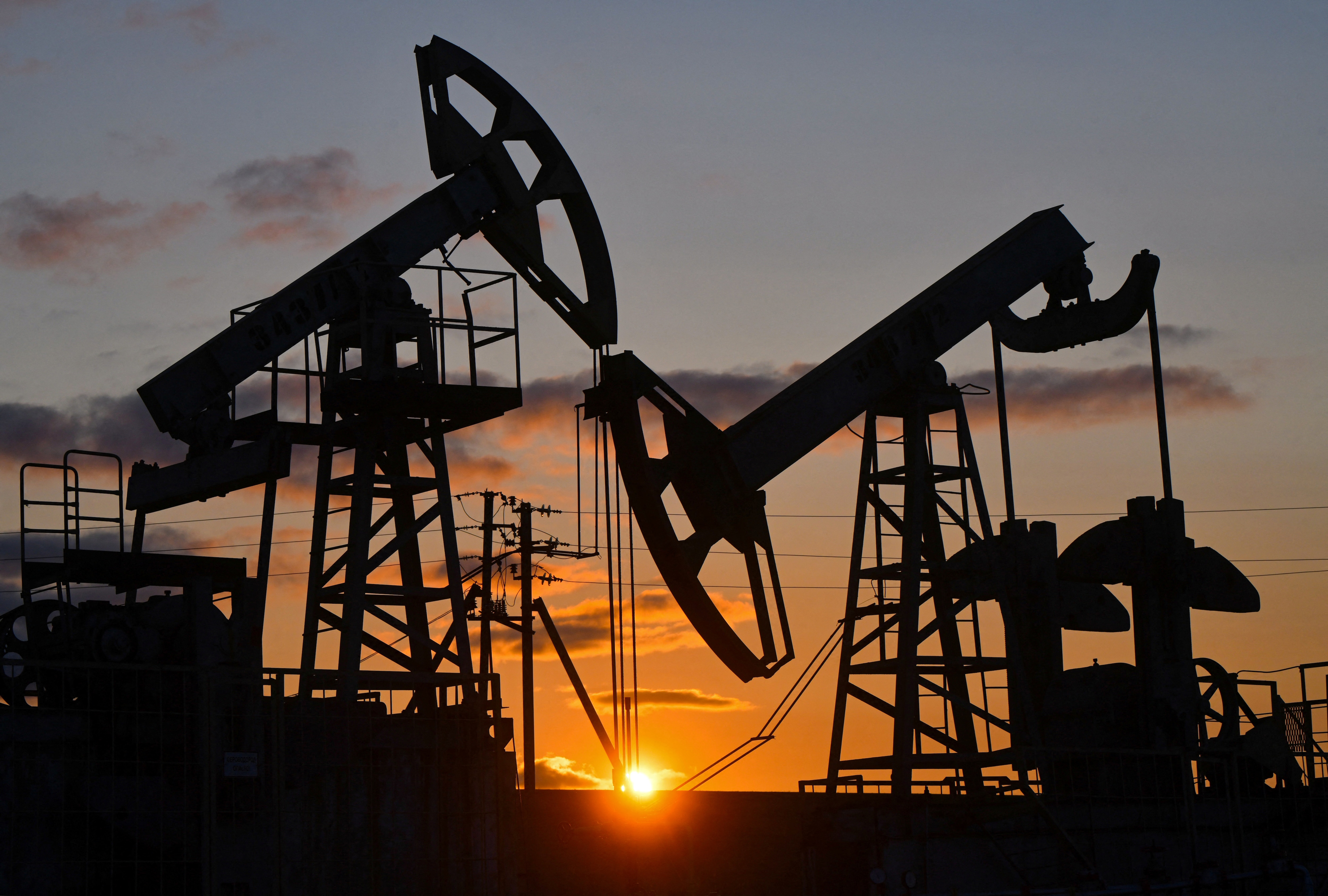
With more than 267 billion barrels, Saudi Arabia remains the market’s ultimate swing player, able to calm or ignite global oil prices with production decisions watched nervously by traders and governments alike.
- 4/9
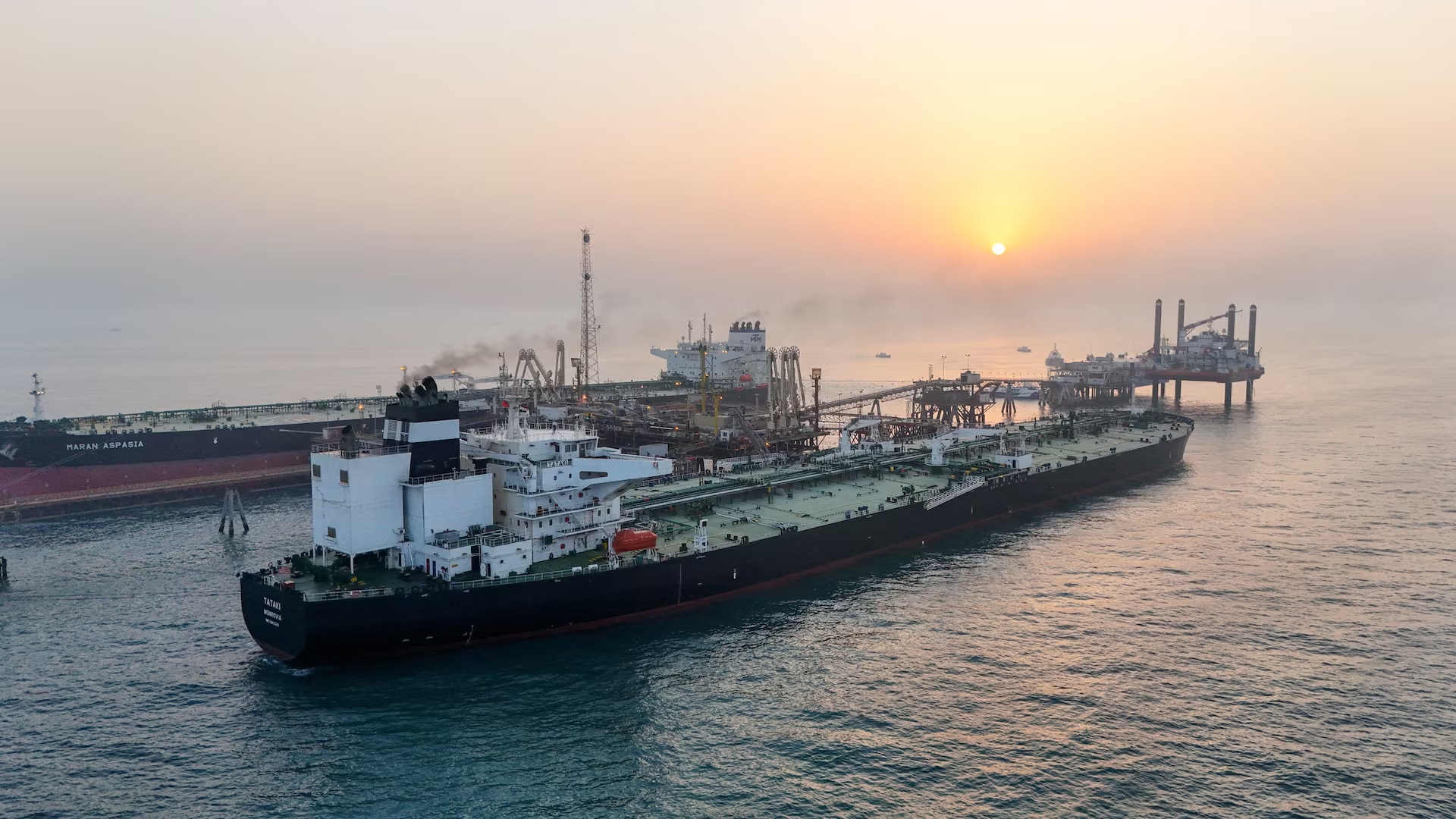
Oil wealth doesn’t always mean oil power. Restrictions on exports and finance have shown how geopolitics can freeze even the richest reserves, reshaping who benefits from energy—and who doesn’t.
- 5/9
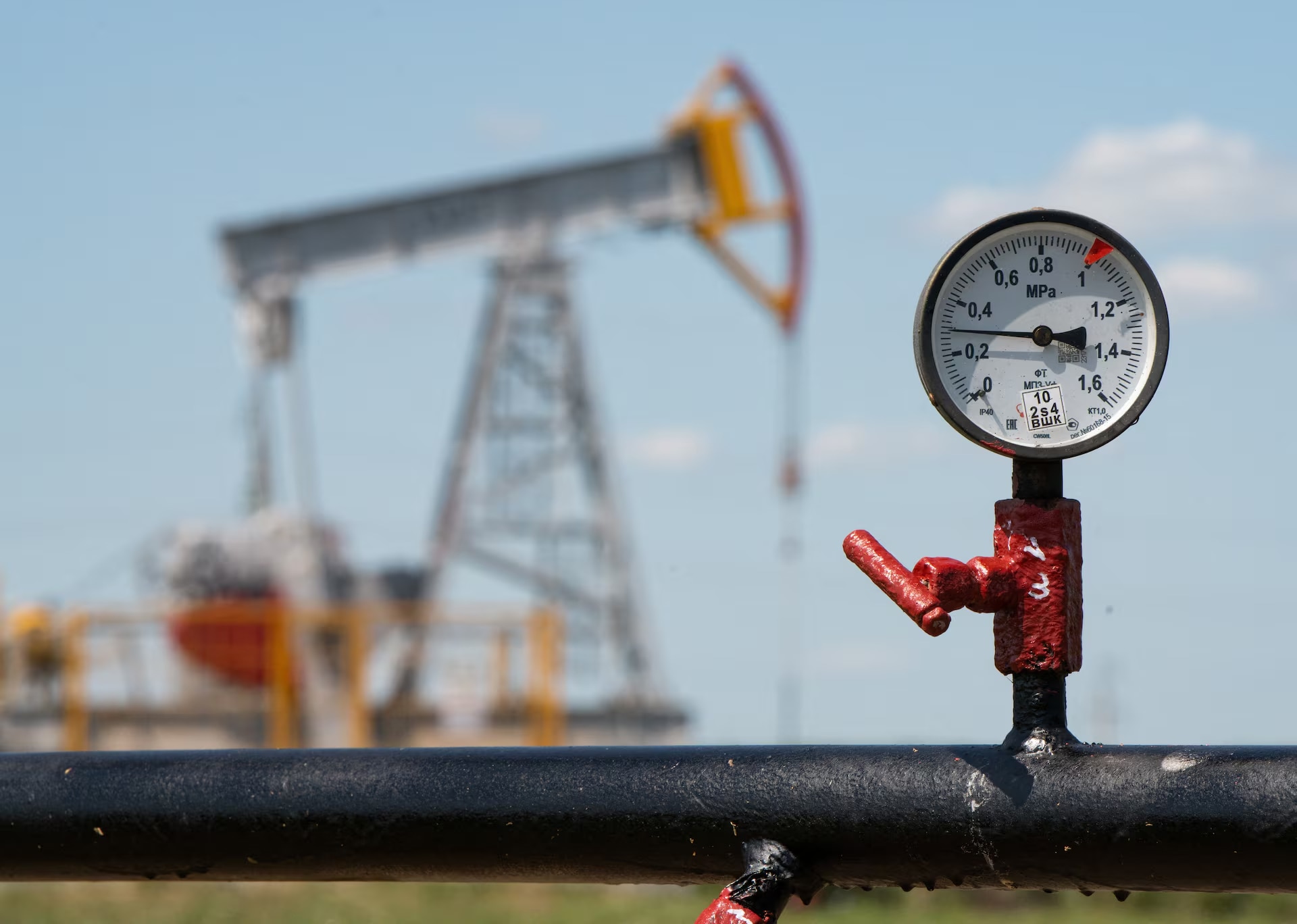
Iran, Iraq, Kuwait, and the UAE together form an energy corridor that anchors global supply. Any disruption here—political, military, or diplomatic—immediately echoes through fuel costs worldwide.
- 6/9
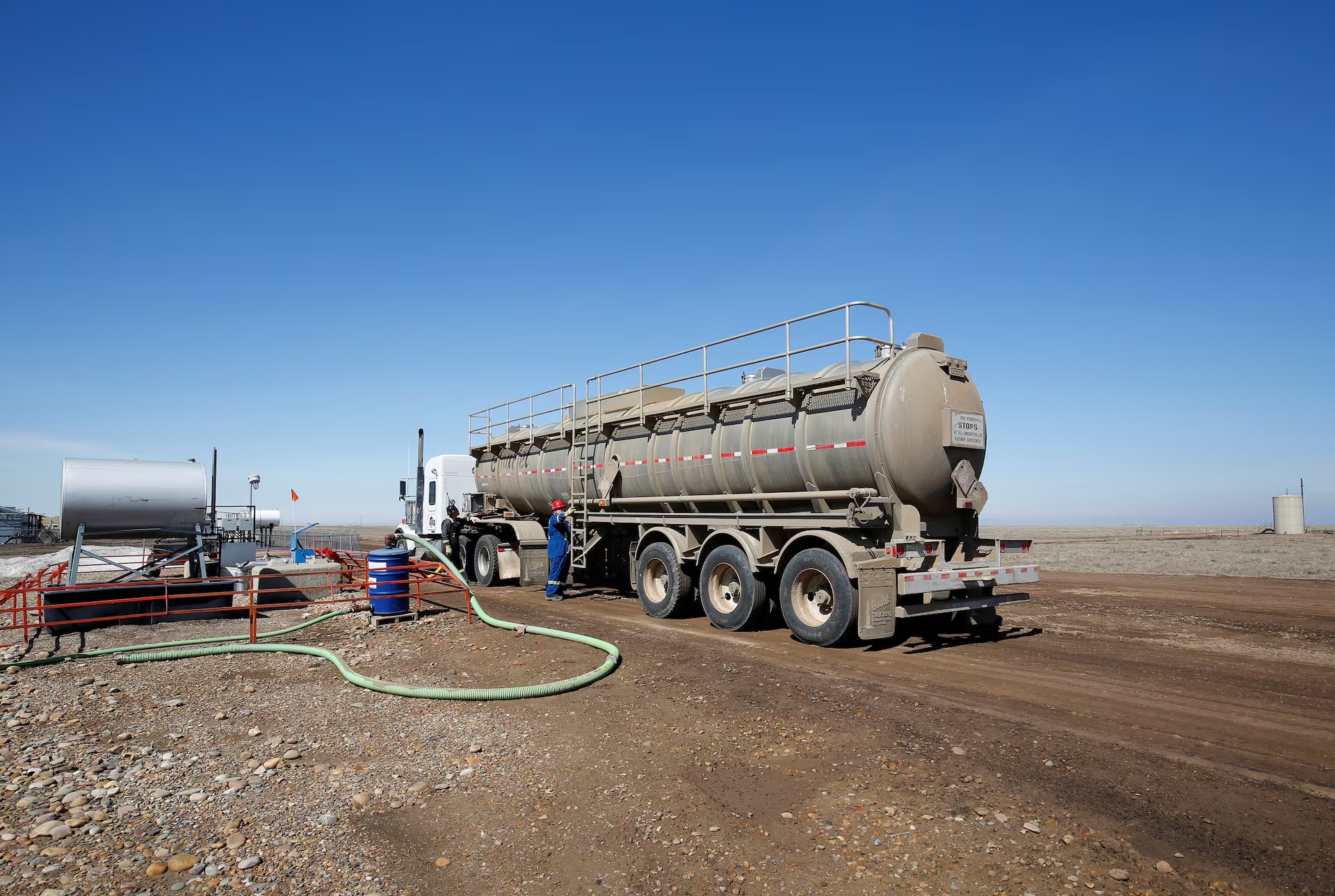
Often overlooked, Canada ranks fourth globally, thanks largely to oil sands. Its reserves rival Middle Eastern giants, yet environmental debates complicate how much can realistically be tapped.
- 7/9
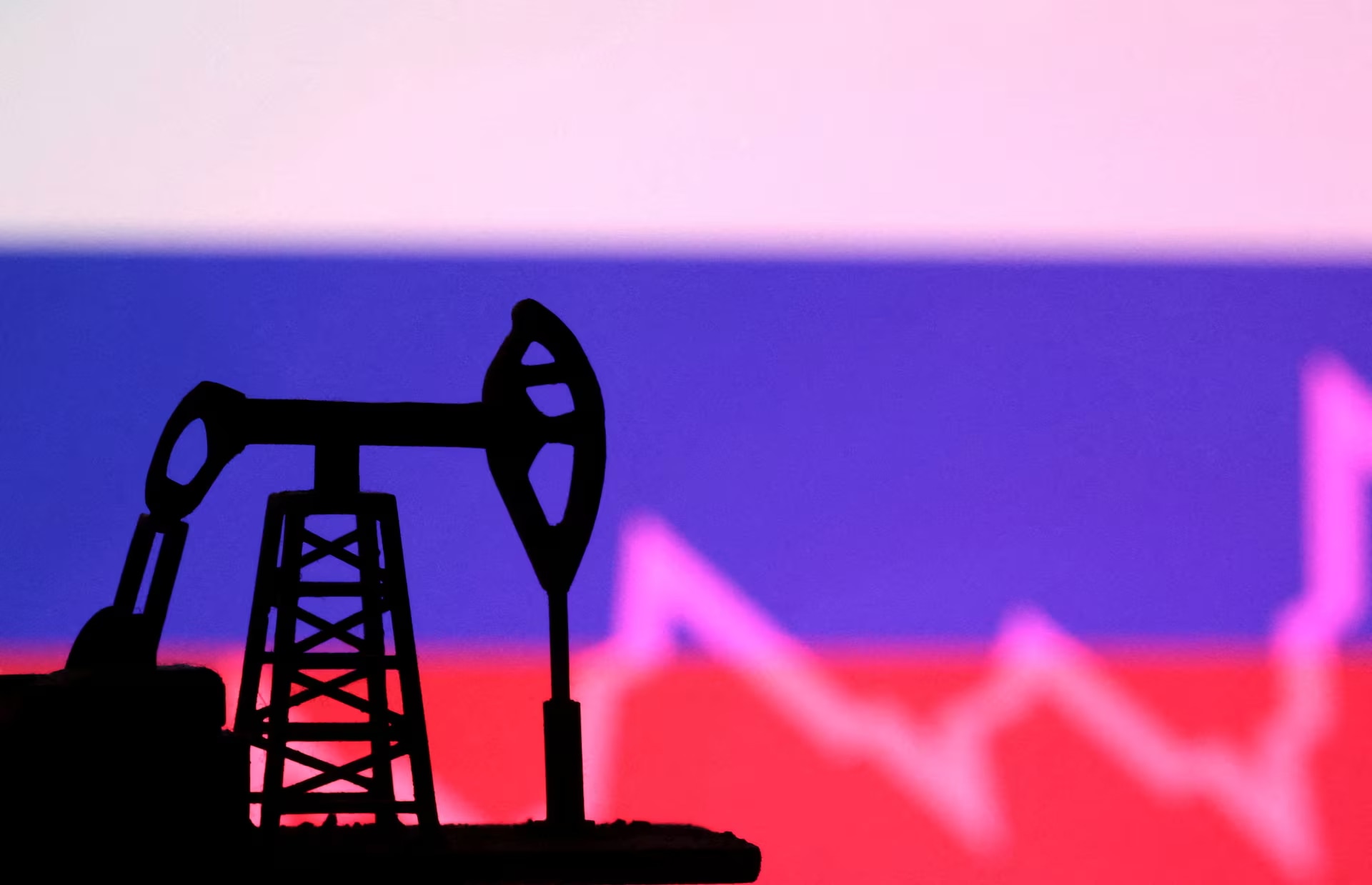
Despite sanctions and war-driven isolation, Russia still commands vast oil stockpiles, reminding markets that energy power doesn’t disappear overnight—even under pressure.
- 8/9
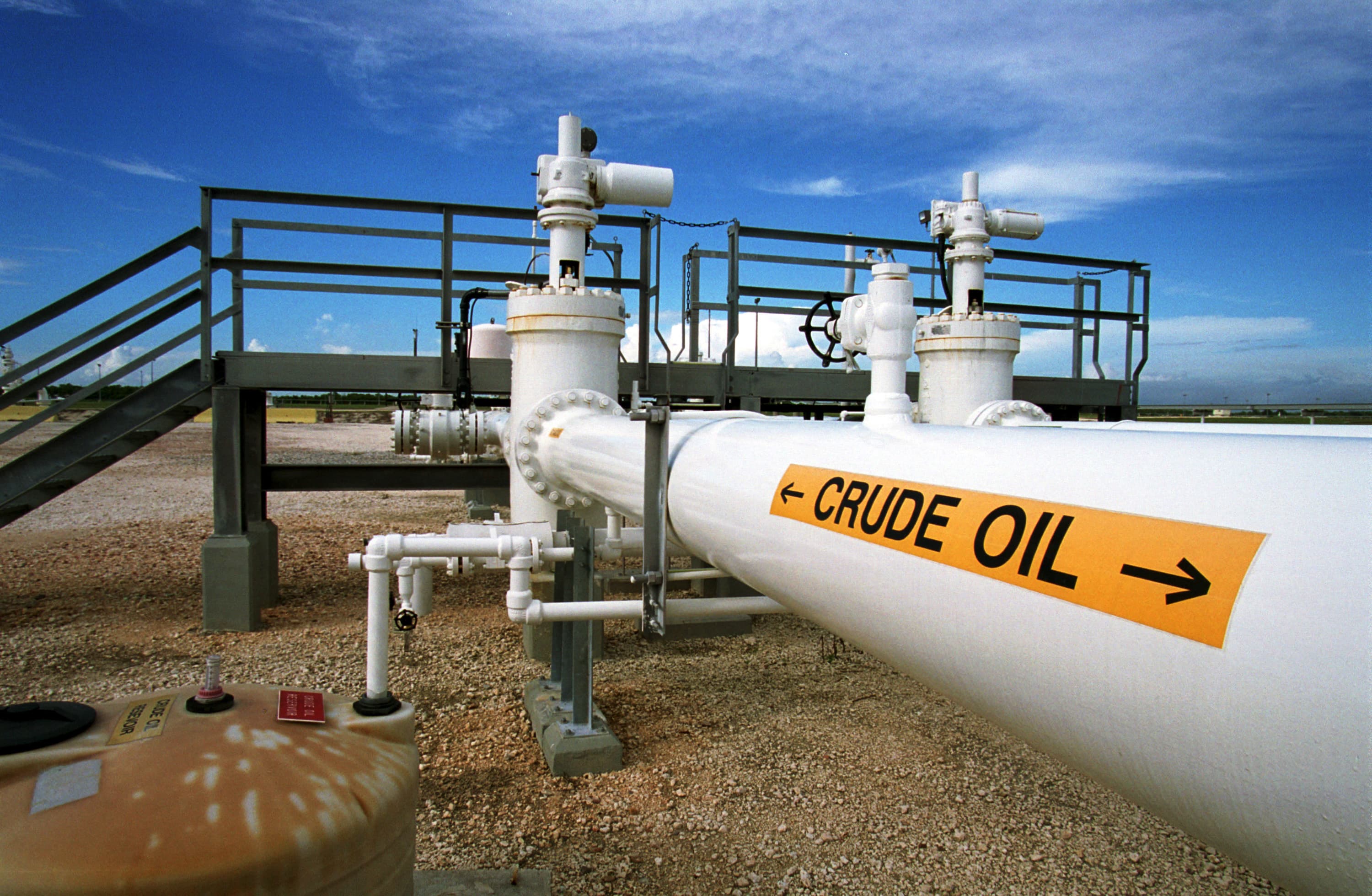
The United States may lead in production, but its proven reserves trail far behind global giants—highlighting the difference between pumping power and long-term resource depth.
- 9/9
These reserves aren’t just barrels—they’re leverage. From diplomacy to defense budgets, oil concentration continues to shape global power in ways renewables have yet to replace.