
Strait of Hormuz crisis: How a distant war is reshaping daily life in Asia
From empty gas cylinders in India to protests in the Philippines, the Iran war’s disruption of the Strait of Hormuz is reshaping daily life, fuel supply, and economies across Asia.
- Apr 7, 2026,
- Updated Apr 7, 2026 1:41 PM IST
- 1/9
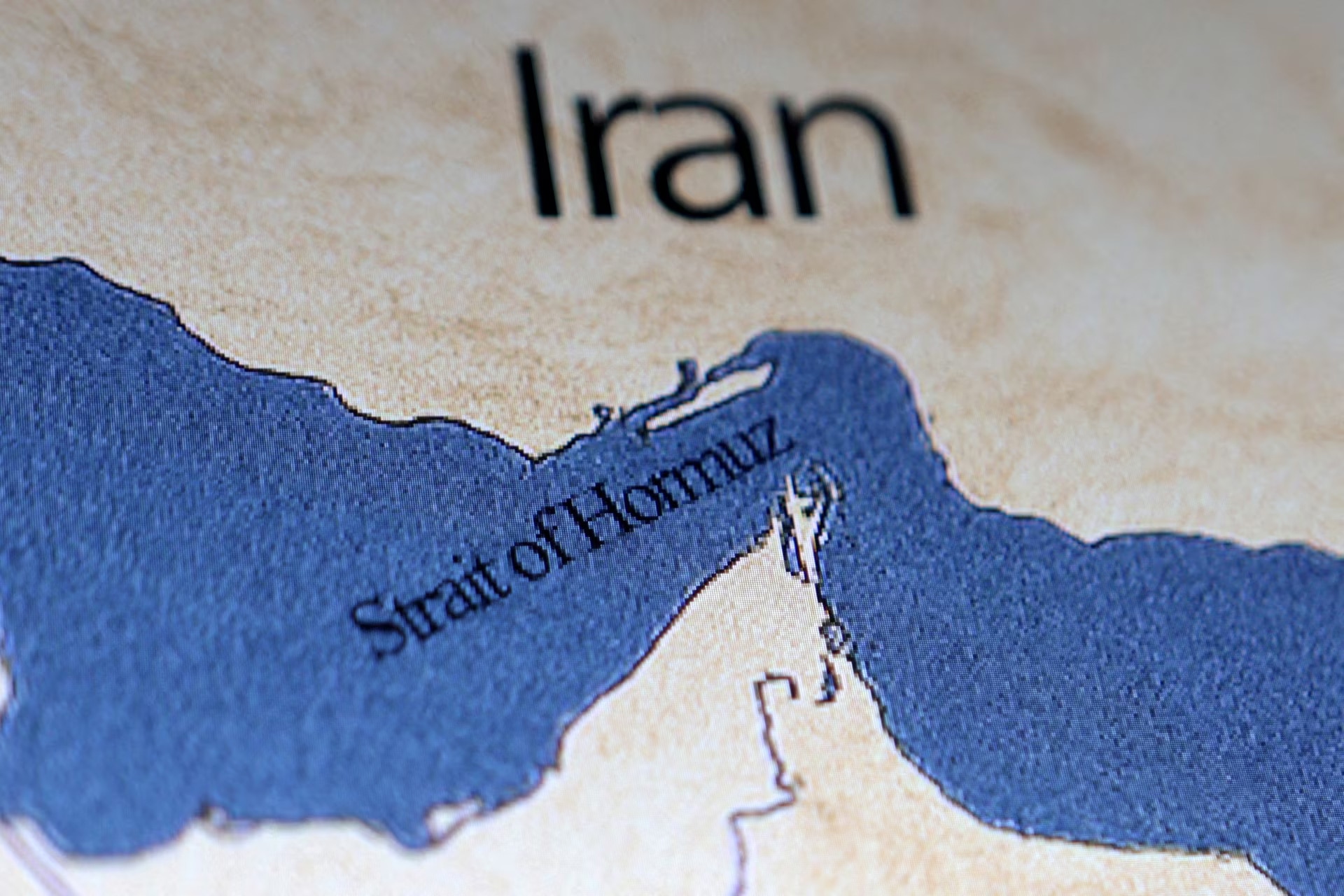
A narrow strip of water is shaking an entire continent. The Strait of Hormuz—through which roughly 20% of global oil supply passes—has been effectively disrupted, sending shockwaves across Asia where nearly 90% of shipments are destined. Tankers slowed, prices surged, and uncertainty spread faster than the conflict itself.
- 2/9
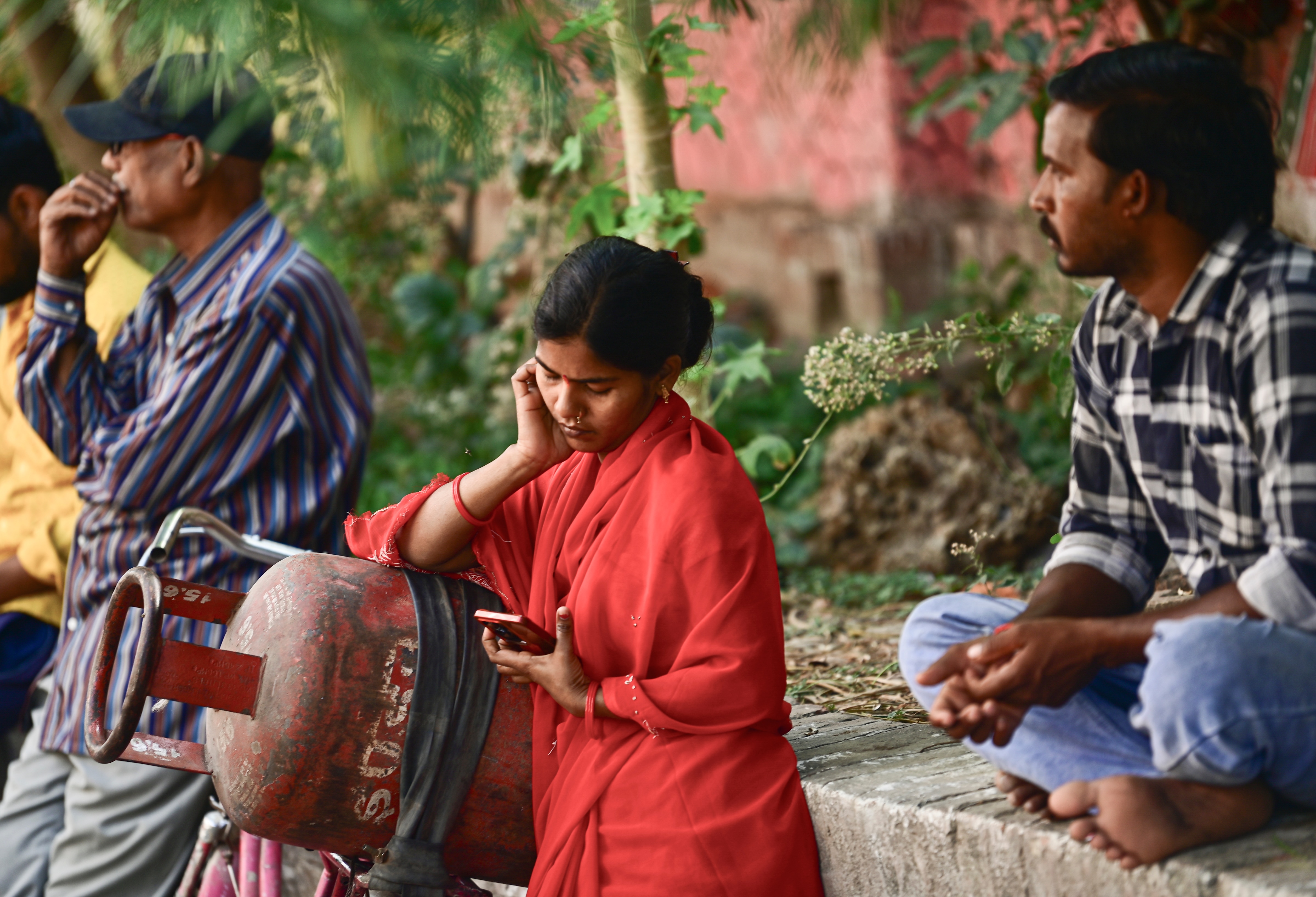
In India, the crisis is visible in the most basic object: an empty LPG cylinder. With around 60% of India’s LPG imported—and 90% routed via Hormuz, shortages are now affecting kitchens, restaurants, and factories alike. Long queues and partial shutdowns reveal how fragile energy dependence can be.
- 3/9
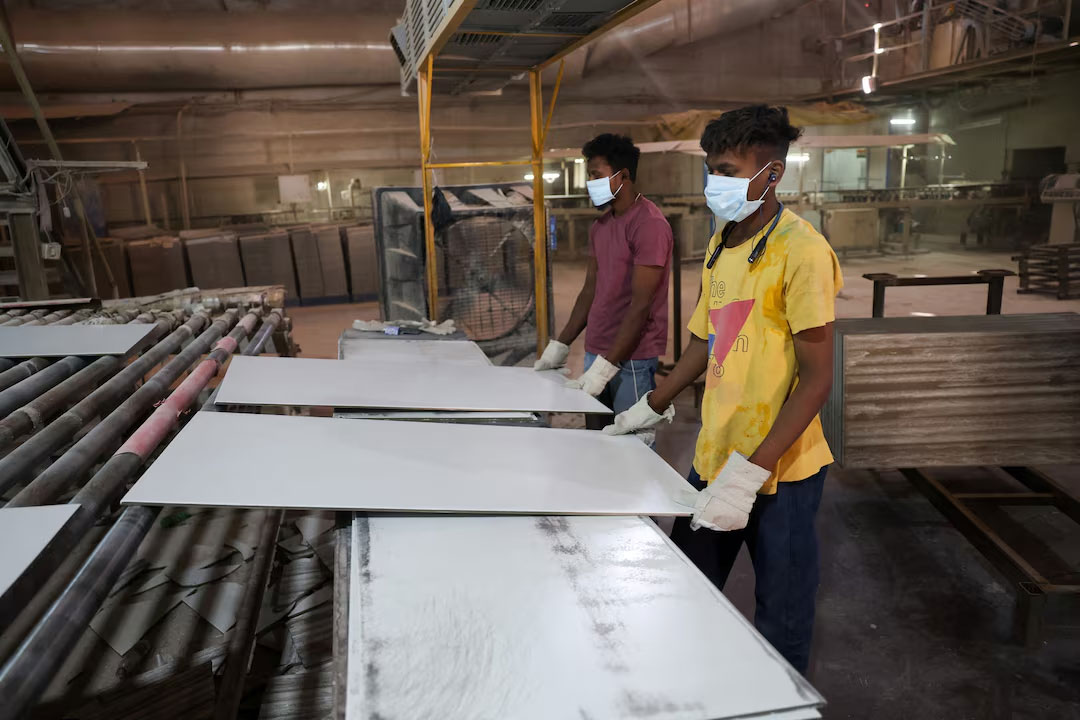
In Gujarat, industrial clusters are experiencing prolonged shutdowns, with the ceramics industry—employing nearly 400,000 workers—being hit hardest. For many migrant workers, the crisis isn’t abstract geopolitics—it’s the immediate fear of losing daily wages.
- 4/9
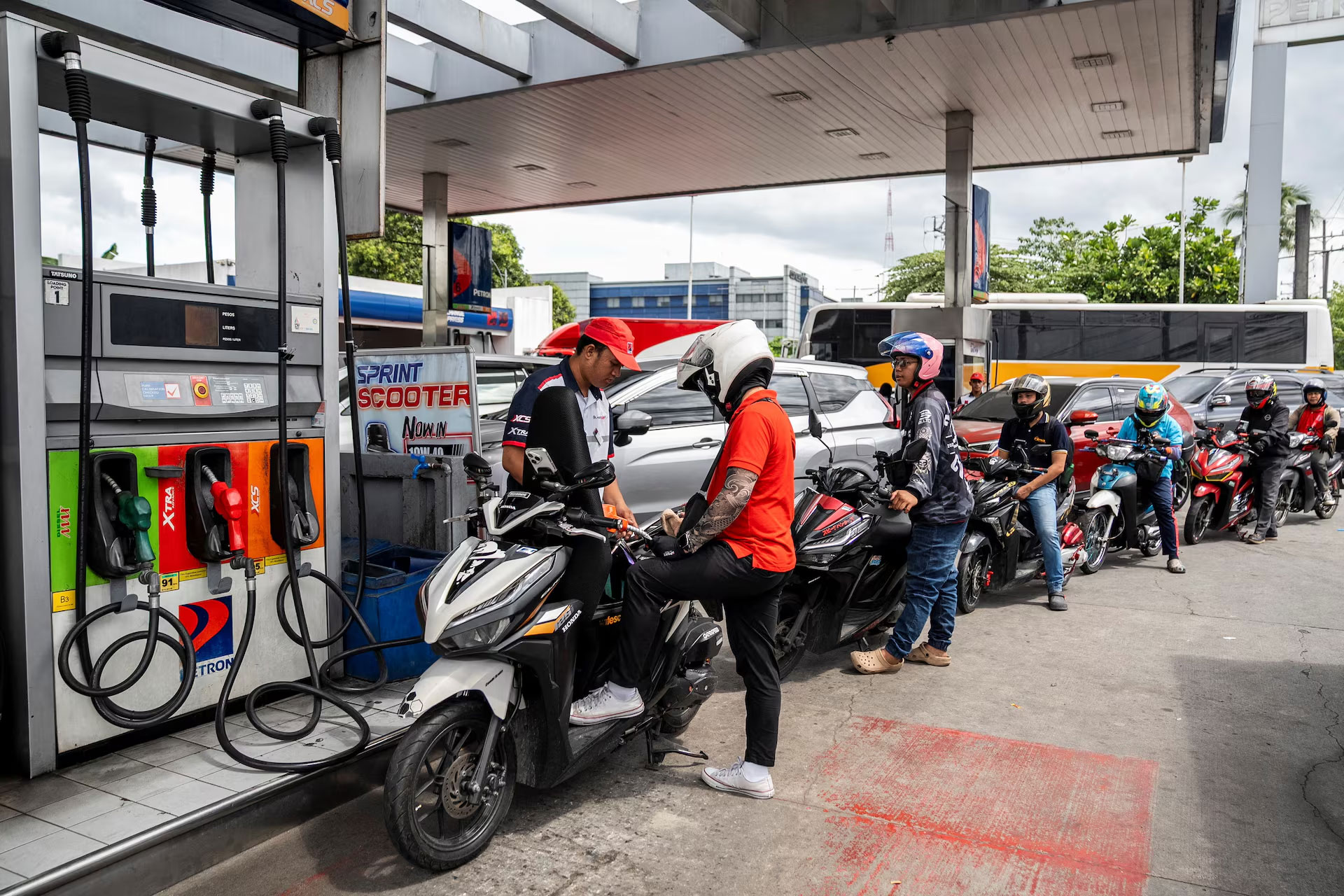
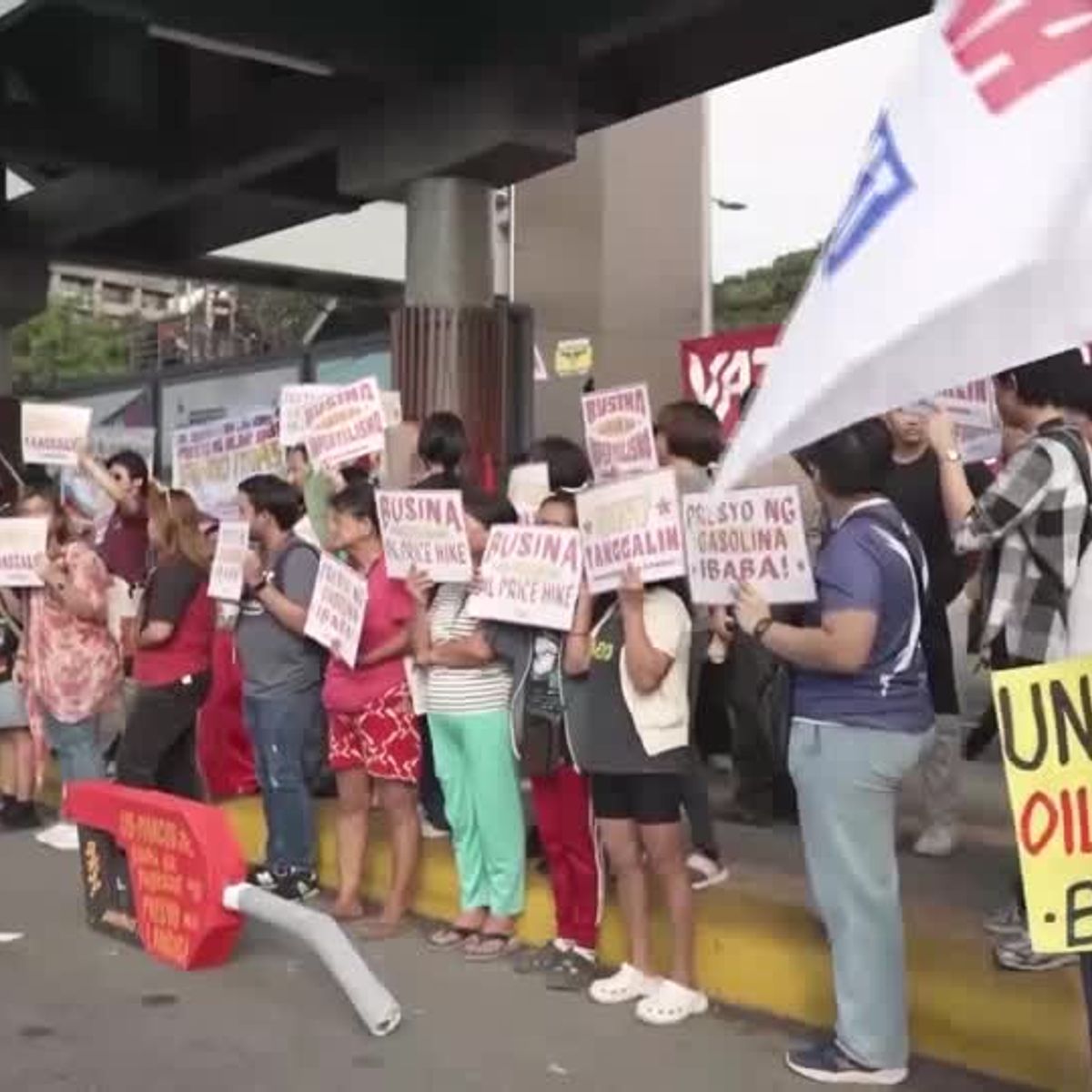
Thousands of kilometers away, jeepney drivers in the Philippines are watching incomes collapse. Daily earnings have dropped sharply as fuel costs soar, forcing some drivers to stop working altogether. The government has declared an energy emergency, but relief remains limited.
- 5/9
Fuel prices are no longer just an economic issue—they’re political. Protests have erupted in the Philippines, with transport workers striking against rising costs. Demonstrations highlight how quickly an energy shock can spill onto the streets.

- 6/9
In Thailand, the crisis has entered daily routine. Authorities have urged citizens to limit air conditioning to 26–27°C, adopt work-from-home policies, and conserve fuel. Even television anchors symbolically removed jackets on air to signal urgency. (Screenshot)
- 7/9
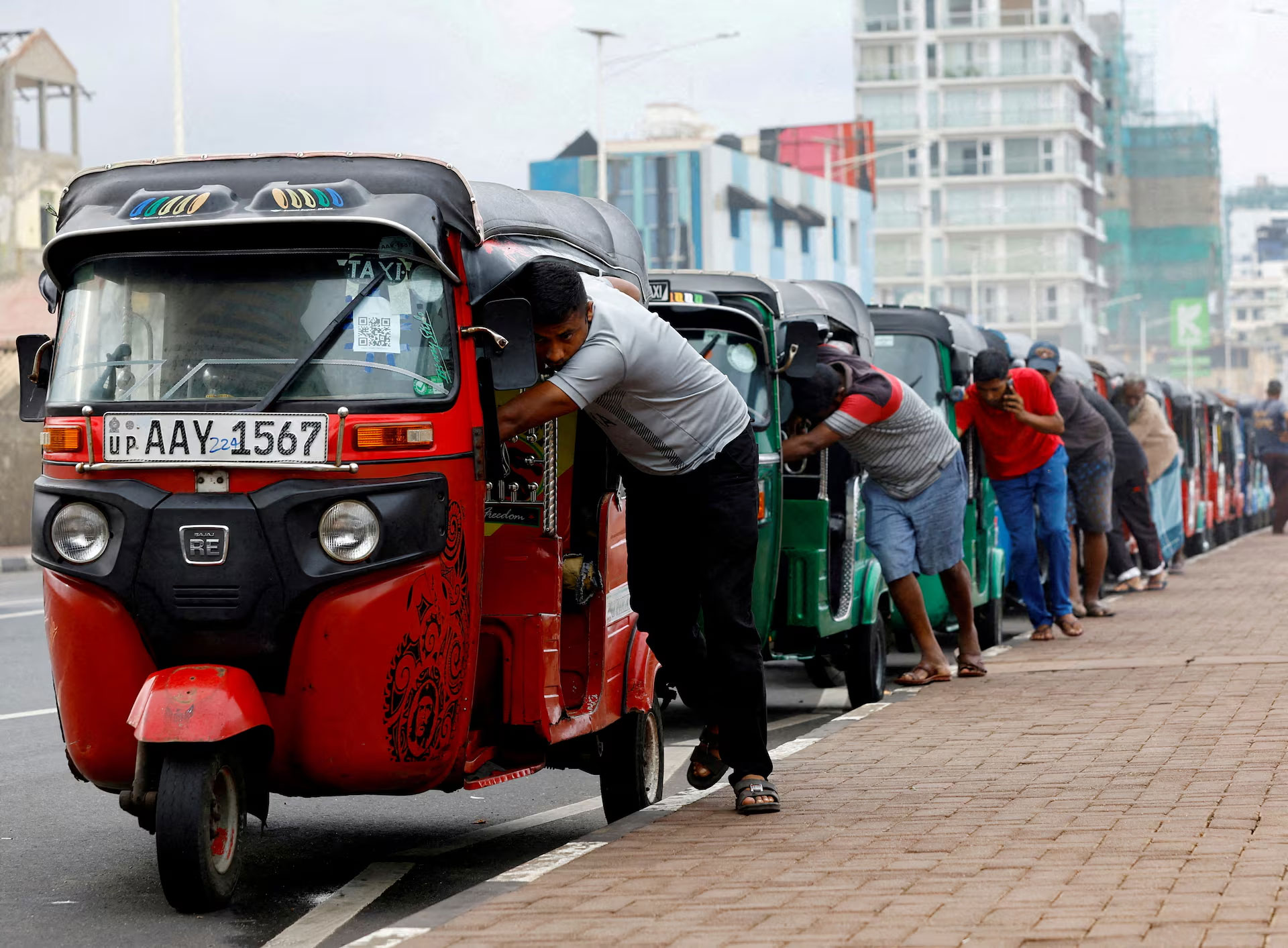
Sri Lanka, still recovering from its 2022 economic crisis, is once again facing fuel anxiety. Long queues at petrol stations have returned, with workers losing hours—sometimes days—just waiting for fuel. For many, the crisis feels like déjà vu.
- 8/9
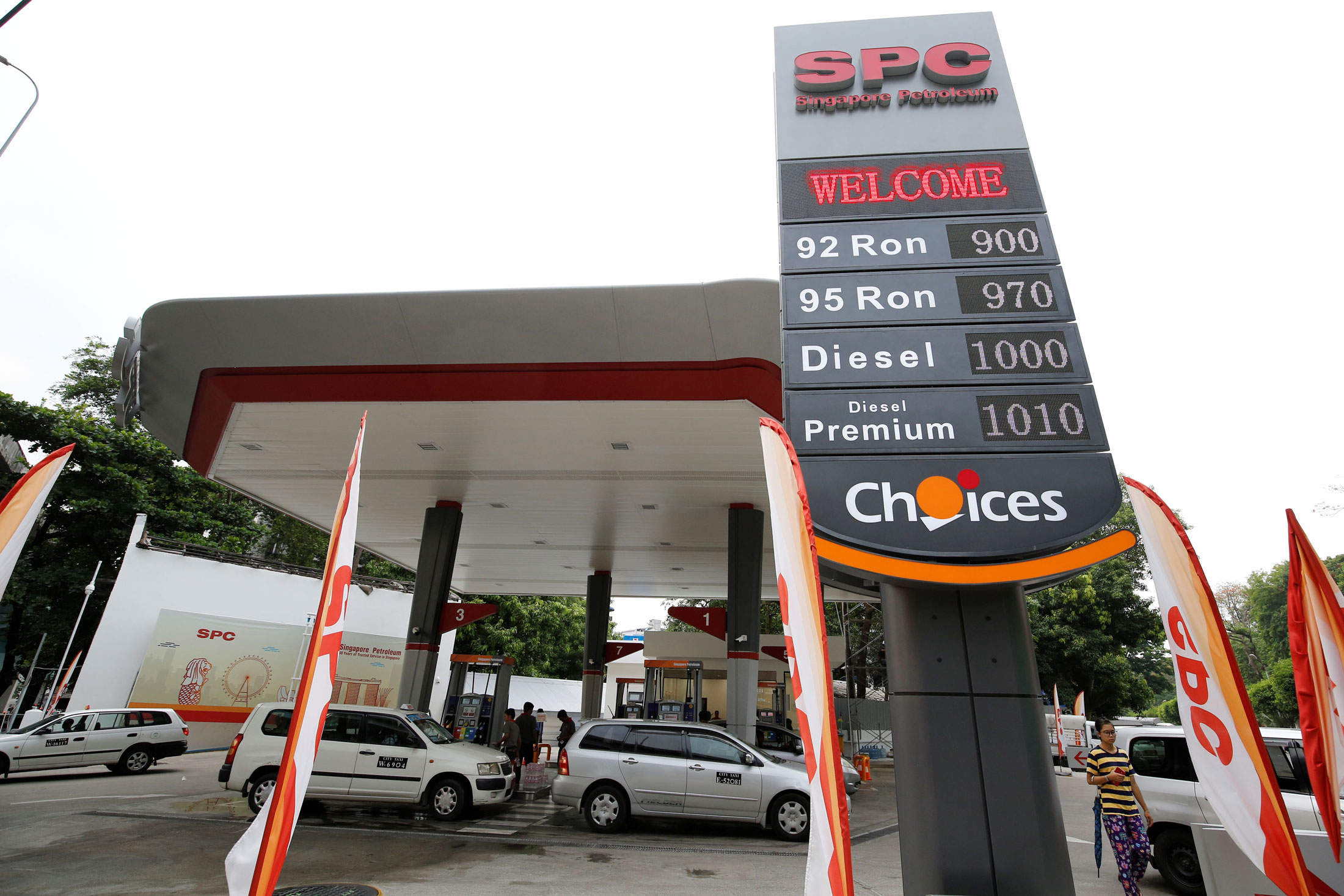
In Myanmar, authorities have introduced alternate-day fuel policies for private vehicles. Citizens now plan daily life around access to fuel, while fears of a growing black market add another layer of uncertainty.
- 9/9
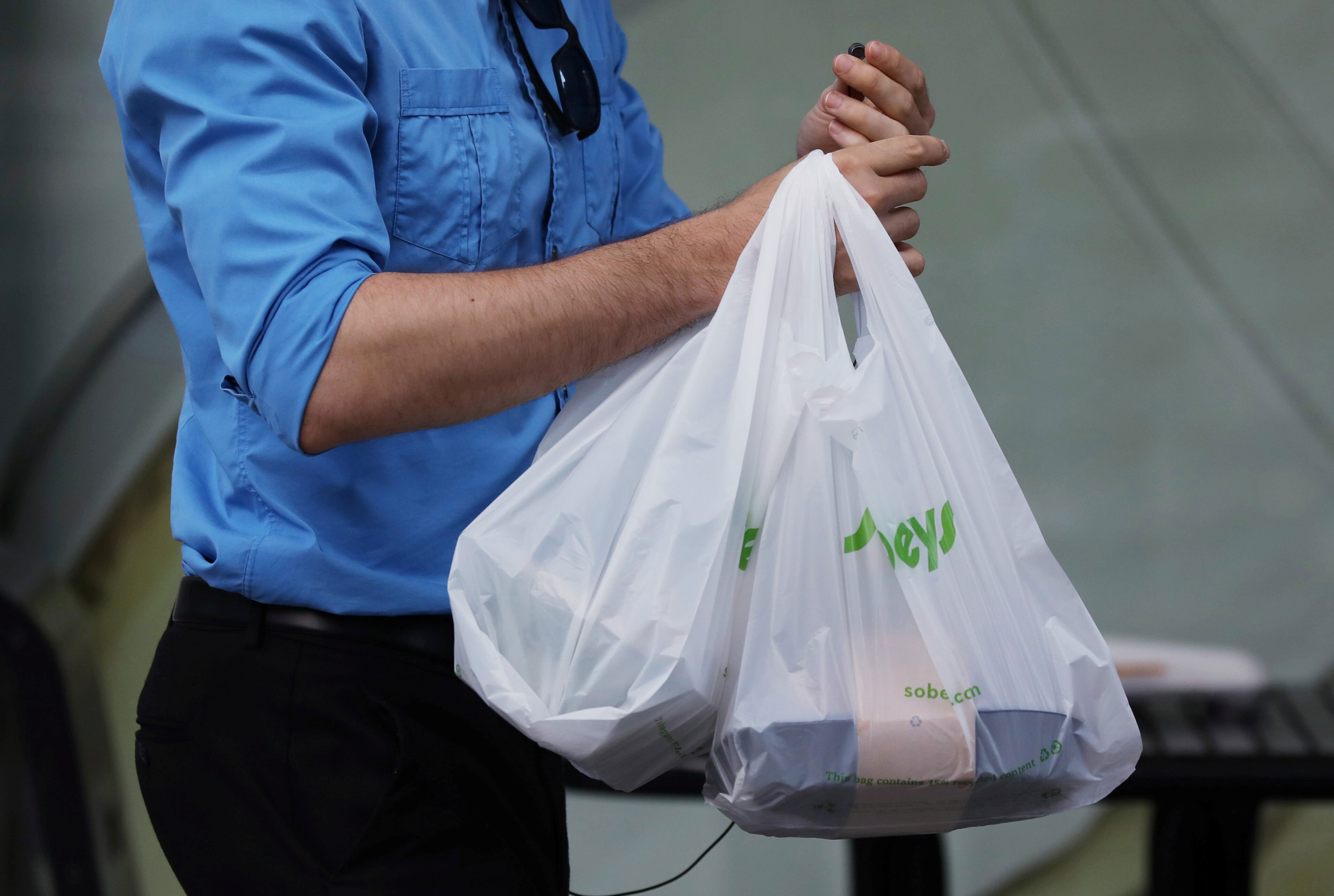
In South Korea and Japan, the crisis has taken an unexpected turn—plastic shortages. Disruptions in naphtha supply (a crude oil derivative) are triggering fears over essential items like garbage bags, medical supplies, and packaging, exposing hidden dependencies in modern economies.