
Afghanistan on brink of universal poverty; 97% Afghans at risk, says UN
United Nations Development Programme (UNDP) projected that Afghanistan's real GDP could shrink by as much as 13.2%, leading to an increase in the poverty rate of up to 25 percentage points
- Sep 10, 2021,
- Updated Sep 10, 2021 2:02 PM IST
Afghanistan is teetering on the brink of universal penury with 97% of its population at risk of falling below the poverty line by mid 2022, unless a quick response to its economic and political crises gets launched, according to United Nations Development Programme (UNDP).
The UN body projected that Afghanistan's real GDP could shrink by as much as 13.2%, leading to an increase in the poverty rate of up to 25 percentage points.
"We are facing a full-on development collapse on top of humanitarian and economic crises," said Kanni Wignaraja, UN Assistant Secretary-General and UNDP Director of the Regional Bureau for Asia and the Pacific.
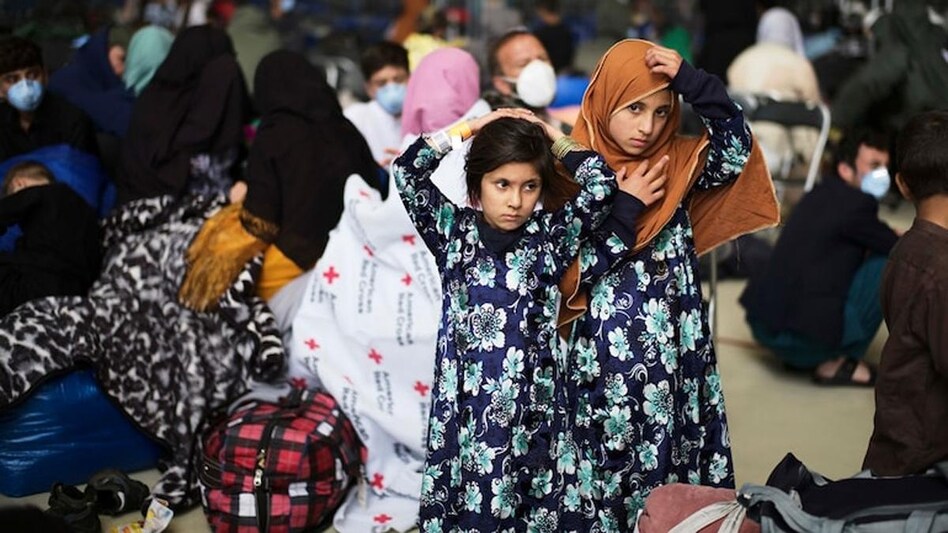
Also Read: Everything is finished, future uncertain: Evacuees from Afghanistan "Half of the population is already in need of humanitarian support. This analysis suggests that we are on course for rapid, catastrophic deterioration in the lives of Afghanistan's most vulnerable people," he added.
In addition to a prolonged drought and the effects of the COVID-19 pandemic, Afghanistan is contending with the upheaval caused by the current political transition: frozen foreign reserves, collapsing public finances, increasing pressure on the banking system, and rising poverty.
Thus, UNDP has proposed a package of interventions designed to help improve the immediate living conditions of the most vulnerable people and communities, prioritising safeguarding women and girls' rights.
The package focuses on essential services, local livelihoods, basic income and small infrastructure and aims to support close to nine million vulnerable people through a 24 month community development programme.
Also Read: Taliban again postpones formation of new government in Afghanistan
UNDP said the most vulnerable would benefit from a cash-for-work schemes, grants for small and medium enterprises, especially women-run businesses. Children, people with disabilities and elderly citizens would receive temporary basic income through monthly cash transfers.
Afghanistan is facing one of its biggest-ever crises post Taliban take over last month. The insurgent group's fighters stormed across the country, seizing control of all major cities in a matter of days after Afghan security forces, who were trained and equipped by the US and its allies, folded without putting up a fight.
Taliban has now formed its government promising to protect women's rights and reopening schools and colleges.
Afghanistan is teetering on the brink of universal penury with 97% of its population at risk of falling below the poverty line by mid 2022, unless a quick response to its economic and political crises gets launched, according to United Nations Development Programme (UNDP).
The UN body projected that Afghanistan's real GDP could shrink by as much as 13.2%, leading to an increase in the poverty rate of up to 25 percentage points.
"We are facing a full-on development collapse on top of humanitarian and economic crises," said Kanni Wignaraja, UN Assistant Secretary-General and UNDP Director of the Regional Bureau for Asia and the Pacific.
Also Read: Everything is finished, future uncertain: Evacuees from Afghanistan "Half of the population is already in need of humanitarian support. This analysis suggests that we are on course for rapid, catastrophic deterioration in the lives of Afghanistan's most vulnerable people," he added.
In addition to a prolonged drought and the effects of the COVID-19 pandemic, Afghanistan is contending with the upheaval caused by the current political transition: frozen foreign reserves, collapsing public finances, increasing pressure on the banking system, and rising poverty.
Thus, UNDP has proposed a package of interventions designed to help improve the immediate living conditions of the most vulnerable people and communities, prioritising safeguarding women and girls' rights.
The package focuses on essential services, local livelihoods, basic income and small infrastructure and aims to support close to nine million vulnerable people through a 24 month community development programme.
Also Read: Taliban again postpones formation of new government in Afghanistan
UNDP said the most vulnerable would benefit from a cash-for-work schemes, grants for small and medium enterprises, especially women-run businesses. Children, people with disabilities and elderly citizens would receive temporary basic income through monthly cash transfers.
Afghanistan is facing one of its biggest-ever crises post Taliban take over last month. The insurgent group's fighters stormed across the country, seizing control of all major cities in a matter of days after Afghan security forces, who were trained and equipped by the US and its allies, folded without putting up a fight.
Taliban has now formed its government promising to protect women's rights and reopening schools and colleges.