
Boeing urges inspection of B737 Max fleet; Akasa Air, SpiceJet, Air India Express impacted
Boeing has recommended airlines to inspect their B737 Max fleet after an international operator discovered a bolt with a missing nut while performing routine maintenance.
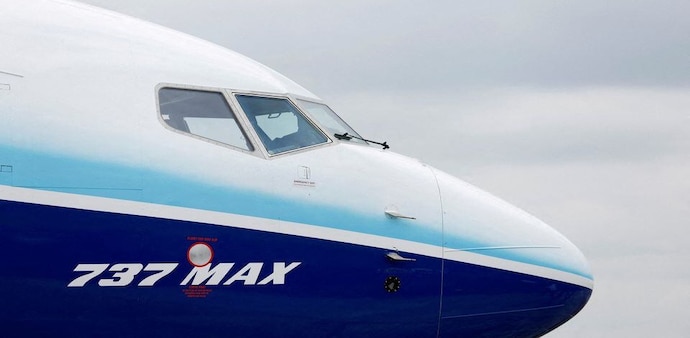
- Dec 30, 2023,
- Updated Dec 30, 2023 5:02 PM IST
Boeing has advised airlines to conduct thorough inspections of their B737 Max fleet following an alarming discovery during routine maintenance by an international operator. The incident involved a bolt found without a nut, prompting immediate action from the aircraft manufacturer.
In response to this issue, Boeing assured in a statement on Friday that the problem identified on the specific airplane has been rectified. This call for inspection impacts several Indian airlines, including Akasa Air, SpiceJet, and Air India Express, all of which operate B737 Max planes.
The US aviation authority, Federal Aviation Administration (FAA), issued a statement on Thursday, highlighting the "targeted inspection" of Boeing 737 Max planes to assess the possibility of loose bolts within the rudder control system.
Boeing, in its official statement, stated, "The issue identified on the particular airplane has been remedied. Out of an abundance of caution, we are recommending operators inspect their 737 MAX airplanes and inform us of any findings." The company emphasised its communication with the FAA and its commitment to keeping regulators informed of progress.
Queries directed to SpiceJet and Air India Express regarding the matter went unanswered, while Akasa Air addressed the issue, affirming that it had not affected their operations or aircraft deliveries thus far.
"Akasa will be following the same checks and procedures that the manufacturer or regulator recommends," stated an Akasa Air spokesperson on Saturday. They further assured that their operating fleet and deliveries had not been impacted at present.
The FAA, collaborating with Boeing, confirmed in its Thursday statement the issuance of a Multi-Operator Message (MOM) urging inspections of specific tie rods controlling rudder movement in newer single-aisle airplanes to detect potential loose hardware.
Continuing communication between the FAA, Boeing, and the airlines during the inspection process was emphasised by the regulator. It called upon airlines to utilise approved Safety Management Systems to identify any previous instances of loose hardware and furnish details regarding the completion timeline for these crucial two-hour inspections.
Moreover, the FAA indicated that any further discoveries of loose or missing hardware could prompt additional regulatory actions.
The FAA's recommendation for inspections arose after an international operator discovered a bolt without a corresponding nut during routine maintenance. Boeing revealed the identification of another undelivered aircraft with improperly tightened nuts, highlighting the seriousness of the issue.
Boeing has advised airlines to conduct thorough inspections of their B737 Max fleet following an alarming discovery during routine maintenance by an international operator. The incident involved a bolt found without a nut, prompting immediate action from the aircraft manufacturer.
In response to this issue, Boeing assured in a statement on Friday that the problem identified on the specific airplane has been rectified. This call for inspection impacts several Indian airlines, including Akasa Air, SpiceJet, and Air India Express, all of which operate B737 Max planes.
The US aviation authority, Federal Aviation Administration (FAA), issued a statement on Thursday, highlighting the "targeted inspection" of Boeing 737 Max planes to assess the possibility of loose bolts within the rudder control system.
Boeing, in its official statement, stated, "The issue identified on the particular airplane has been remedied. Out of an abundance of caution, we are recommending operators inspect their 737 MAX airplanes and inform us of any findings." The company emphasised its communication with the FAA and its commitment to keeping regulators informed of progress.
Queries directed to SpiceJet and Air India Express regarding the matter went unanswered, while Akasa Air addressed the issue, affirming that it had not affected their operations or aircraft deliveries thus far.
"Akasa will be following the same checks and procedures that the manufacturer or regulator recommends," stated an Akasa Air spokesperson on Saturday. They further assured that their operating fleet and deliveries had not been impacted at present.
The FAA, collaborating with Boeing, confirmed in its Thursday statement the issuance of a Multi-Operator Message (MOM) urging inspections of specific tie rods controlling rudder movement in newer single-aisle airplanes to detect potential loose hardware.
Continuing communication between the FAA, Boeing, and the airlines during the inspection process was emphasised by the regulator. It called upon airlines to utilise approved Safety Management Systems to identify any previous instances of loose hardware and furnish details regarding the completion timeline for these crucial two-hour inspections.
Moreover, the FAA indicated that any further discoveries of loose or missing hardware could prompt additional regulatory actions.
The FAA's recommendation for inspections arose after an international operator discovered a bolt without a corresponding nut during routine maintenance. Boeing revealed the identification of another undelivered aircraft with improperly tightened nuts, highlighting the seriousness of the issue.