
Iceland, Bhutan, Canada among top 10 countries with the most freshwater per person. Check full list here
The countries with the highest freshwater resources per person show a striking concentration among nations with abundant rainfall, glaciers, rivers, forests and relatively small populations
- Aug 13, 2026,
- Updated Aug 13, 2026 8:00 AM IST
Freshwater is one of the world’s most valuable natural resources, but its availability varies dramatically from one country to another. While many nations are increasingly dealing with water stress, droughts and declining freshwater supplies, some countries have an enormous amount of renewable freshwater available relative to their population.
The countries with the highest freshwater resources per person show a striking concentration among nations with abundant rainfall, glaciers, rivers, forests and relatively small populations. Iceland leads the ranking, followed by Guyana, Suriname and Bhutan, according to the Visual Capitalist ranking.
The figures underline how geography and population size can dramatically influence a country's freshwater availability. Importantly, having abundant freshwater resources does not automatically mean that every resident has easy access to safe drinking water, as infrastructure, geography and water management also play major roles. The ranking offers an interesting snapshot of the world's freshwater wealth and the countries where water resources are particularly abundant on a per-person basis.
Top 10 Countries with the most freshwater per person
1: Iceland
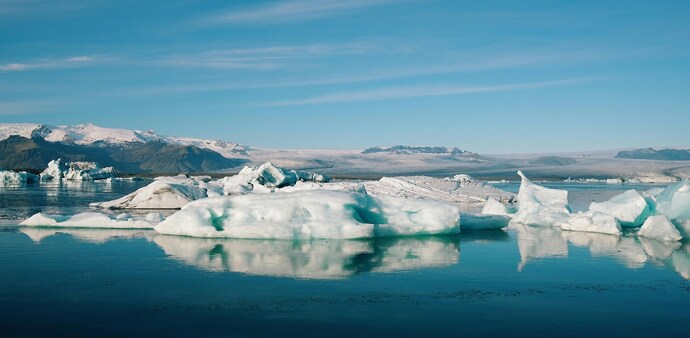
Freshwater per person: 15,715,042 Iceland tops the list, benefiting from glaciers, abundant precipitation, rivers and a relatively small population. Its position reflects the country's exceptionally high freshwater availability compared with its population.
2: Guyana
Freshwater per person: 10,357,802 Guyana's huge rainforest cover, heavy rainfall and low population density contribute to its exceptionally high freshwater availability per person.
3: Suriname
Freshwater per person: 5,611,506 More than 90% of Suriname is covered by tropical forest, while its relatively small population and high rainfall help give it one of the world's highest freshwater resources per capita.
4: Bhutan
Freshwater per person: 3,527,939 Located in the Himalayas, Bhutan benefits from glaciers, snowmelt and mountain-fed rivers. Its extensive forest cover also plays an important role in maintaining its water systems.
DON'T MISS: Top 10 unemployment rate countries in 2026: Check which nations have the highest jobless rates
5: Papua New Guinea Freshwater per person: 2,772,204 Papua New Guinea's tropical climate, heavy rainfall and extensive river systems give it substantial freshwater resources relative to its population.
6: Canada
Freshwater per person: 2,585,036 Canada possesses some of the world's largest freshwater reserves, including vast lakes, rivers, glaciers and groundwater resources. Its enormous landmass and relatively low population density contribute to high per-person availability.
7: Norway Freshwater per person: 2,472,029 Norway's mountainous landscape, glaciers, lakes, rivers and high precipitation levels make it one of the world's most water-rich countries.
8: Gabon Freshwater per person: 2,383,742 Gabon's tropical climate and extensive rainforest ecosystem provide significant freshwater resources, while its comparatively small population increases the amount available per person.
9: New Zealand Freshwater per person: 2,270,735 New Zealand has abundant rainfall, numerous rivers and lakes, snow-fed waterways and relatively low population density, contributing to its strong freshwater availability.
ALSO READ: Mumbai breaks into the world's Top 15 data centre markets: Can it enter the Top 10?
10: Solomon Islands Freshwater per person: 2,020,001 The Solomon Islands' tropical climate and high rainfall support substantial freshwater resources, particularly when measured against its relatively small population.
Why these countries have so much water
The ranking shows a clear geographical pattern. Many of the countries in the top 10 have high rainfall, extensive forests, glaciers, mountain ranges or large river systems. Another major factor is population. A country can have a large overall freshwater supply, but if it has a comparatively small population, its freshwater resources per person can be extremely high.
Freshwater is one of the world’s most valuable natural resources, but its availability varies dramatically from one country to another. While many nations are increasingly dealing with water stress, droughts and declining freshwater supplies, some countries have an enormous amount of renewable freshwater available relative to their population.
The countries with the highest freshwater resources per person show a striking concentration among nations with abundant rainfall, glaciers, rivers, forests and relatively small populations. Iceland leads the ranking, followed by Guyana, Suriname and Bhutan, according to the Visual Capitalist ranking.
The figures underline how geography and population size can dramatically influence a country's freshwater availability. Importantly, having abundant freshwater resources does not automatically mean that every resident has easy access to safe drinking water, as infrastructure, geography and water management also play major roles. The ranking offers an interesting snapshot of the world's freshwater wealth and the countries where water resources are particularly abundant on a per-person basis.
Top 10 Countries with the most freshwater per person
1: Iceland
Freshwater per person: 15,715,042 Iceland tops the list, benefiting from glaciers, abundant precipitation, rivers and a relatively small population. Its position reflects the country's exceptionally high freshwater availability compared with its population.
2: Guyana
Freshwater per person: 10,357,802 Guyana's huge rainforest cover, heavy rainfall and low population density contribute to its exceptionally high freshwater availability per person.
3: Suriname
Freshwater per person: 5,611,506 More than 90% of Suriname is covered by tropical forest, while its relatively small population and high rainfall help give it one of the world's highest freshwater resources per capita.
4: Bhutan
Freshwater per person: 3,527,939 Located in the Himalayas, Bhutan benefits from glaciers, snowmelt and mountain-fed rivers. Its extensive forest cover also plays an important role in maintaining its water systems.
DON'T MISS: Top 10 unemployment rate countries in 2026: Check which nations have the highest jobless rates
5: Papua New Guinea Freshwater per person: 2,772,204 Papua New Guinea's tropical climate, heavy rainfall and extensive river systems give it substantial freshwater resources relative to its population.
6: Canada
Freshwater per person: 2,585,036 Canada possesses some of the world's largest freshwater reserves, including vast lakes, rivers, glaciers and groundwater resources. Its enormous landmass and relatively low population density contribute to high per-person availability.
7: Norway Freshwater per person: 2,472,029 Norway's mountainous landscape, glaciers, lakes, rivers and high precipitation levels make it one of the world's most water-rich countries.
8: Gabon Freshwater per person: 2,383,742 Gabon's tropical climate and extensive rainforest ecosystem provide significant freshwater resources, while its comparatively small population increases the amount available per person.
9: New Zealand Freshwater per person: 2,270,735 New Zealand has abundant rainfall, numerous rivers and lakes, snow-fed waterways and relatively low population density, contributing to its strong freshwater availability.
ALSO READ: Mumbai breaks into the world's Top 15 data centre markets: Can it enter the Top 10?
10: Solomon Islands Freshwater per person: 2,020,001 The Solomon Islands' tropical climate and high rainfall support substantial freshwater resources, particularly when measured against its relatively small population.
Why these countries have so much water
The ranking shows a clear geographical pattern. Many of the countries in the top 10 have high rainfall, extensive forests, glaciers, mountain ranges or large river systems. Another major factor is population. A country can have a large overall freshwater supply, but if it has a comparatively small population, its freshwater resources per person can be extremely high.