
What is the Monkeypox virus, detected in Europe? All you need to know
The outbreaks are raising concerns among virologists because the disease mostly occurs in west and central Africa, and only very occasionally spreads elsewhere.
- May 19, 2022,
- Updated May 19, 2022 9:56 AM IST
Monkeypox cases are on the rise in the United Kingdom, Portugal and Spain and the World Health Organisation (WHO) has issued a warning against the virus. The outbreaks are raising concerns among virologists because the disease mostly occurs in west and central Africa, and only very occasionally spreads elsewhere.
Experts believe monkeypox is likely to be a sexually transmissible virus, however, studies are underway to understand how much it is circulating and the possible risk factors.
Monkeypox is a rare infection, caught from infected wild animals in parts of Africa. Earlier it was believed that the monkeypox virus could only spread by close contact including with lesions or via an infected person's exhaled respiratory droplets.
SYMPTOMS
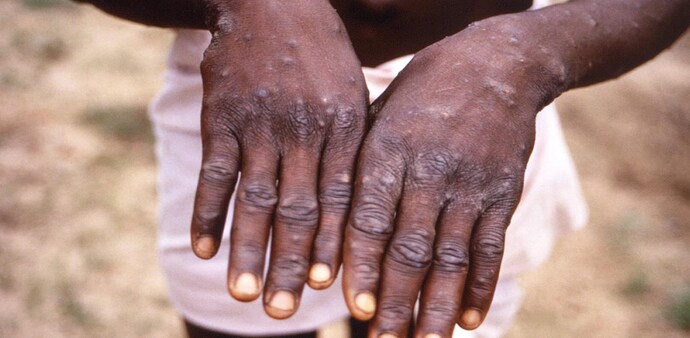
The disease is a relative of smallpox, causing a rash that often begins on the face. Symptoms include fever, headache, muscle aches, backache, swollen lymph nodes, chills and exhaustion.
It produces a distinctive rash that spreads across the body, including the genitals.
Monkeypox, known as a mild infection, typically caught from infected wild animals in parts of Africa. The disease's other symptoms include swollen lymph nodes, nausea and diarrhea.
It is usually mild, although there are two main strains: the Congo strain, which is more severe – with up to 10 per cent mortality – and the West African strain, which has a fatality rate of more like 1 per cent of cases.
As such, experts have warned of wider transmission if cases have gone unreported.
The UK Health Security Agency's alert also highlighted that the recent cases were predominantly among men who self-identified as gay, bisexual or men who have sex with men, and advised those groups to be alert
Monkeypox cases are on the rise in the United Kingdom, Portugal and Spain and the World Health Organisation (WHO) has issued a warning against the virus. The outbreaks are raising concerns among virologists because the disease mostly occurs in west and central Africa, and only very occasionally spreads elsewhere.
Experts believe monkeypox is likely to be a sexually transmissible virus, however, studies are underway to understand how much it is circulating and the possible risk factors.
Monkeypox is a rare infection, caught from infected wild animals in parts of Africa. Earlier it was believed that the monkeypox virus could only spread by close contact including with lesions or via an infected person's exhaled respiratory droplets.
SYMPTOMS
The disease is a relative of smallpox, causing a rash that often begins on the face. Symptoms include fever, headache, muscle aches, backache, swollen lymph nodes, chills and exhaustion.
It produces a distinctive rash that spreads across the body, including the genitals.
Monkeypox, known as a mild infection, typically caught from infected wild animals in parts of Africa. The disease's other symptoms include swollen lymph nodes, nausea and diarrhea.
It is usually mild, although there are two main strains: the Congo strain, which is more severe – with up to 10 per cent mortality – and the West African strain, which has a fatality rate of more like 1 per cent of cases.
As such, experts have warned of wider transmission if cases have gone unreported.
The UK Health Security Agency's alert also highlighted that the recent cases were predominantly among men who self-identified as gay, bisexual or men who have sex with men, and advised those groups to be alert