
From Seoul to the streets of India: Decoding the authenticity of K-food wave with Seoul Dak's Sean Lee
As Seoul Dak prepares to serve thousands of customers in Bengaluru, one thing is certain: the appetite for Korea in India is insatiable.
- Dec 1, 2025,
- Updated Dec 1, 2025 7:46 AM IST
If you’ve walked through a bustling Indian metro recently, you’ve likely noticed a shift in the culinary air. Between the dominance of burger chains and the ubiquity of pizza, a new contender has entered the ring, armed with gochujang, corndogs, and an undeniable cultural cachet. The "Hallyu" or Korean Wave, which first crashed onto our shores via K-Dramas and K-Pop, has officially conquered our palates.
But as with any imported trend, the line between appreciation and appropriation can get blurry. How much of the "Korean" food in India is the real deal, and how much is just ketchup masquerading as kimchi?
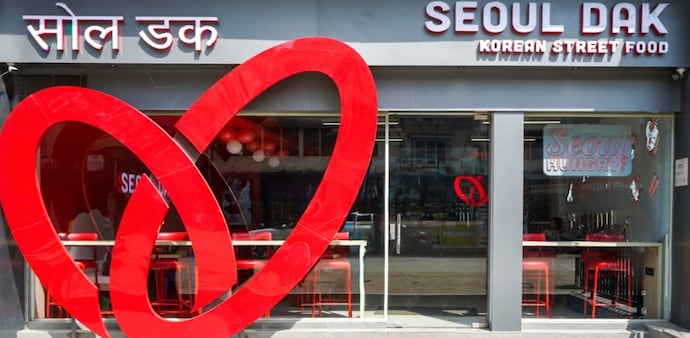
I sat down with Sean Lee, the driving force behind Seoul Dak, India’s first authentic Korean Quick Service Restaurant (QSR) brand. Born and raised in South Korea and a veteran of scaling F&B brands globally, Sean is on a mission to bring the true flavours of Seoul’s streets to India. Fresh off successful launches in Mumbai and Pune, he is now turning his gaze toward the garden city of Bengaluru.
The Quest for the "Real" Experience
When we began our conversation, Sean was quick to address the elephant in the room: the gap between demand and supply when it comes to authenticity.
"Obviously, globally we see this huge wave of Korean food, Korean culture, and we are very much invested in it and we do see this rising," Sean observed, noting the specific intensity of the trend in the subcontinent. "Especially a place like India, I see huge popularity, there is huge demand, but there still lacks this authentic Korean experience here."
For a purist like Sean, the current landscape is a mix of excitement and frustration. "There are a lot of restaurants or QSRs that are claiming to be Korean, and when I visit and when I try it, I don't see anything Korean about it," he said candidly. "Obviously what we are trying to do is we are trying to deliver this authentic experience for all of our guests. And I think this trend will continue, but what will eventually stay will be those that are delivering the authentic experience for the customers."
Why Bengaluru is the Next Frontier
Seoul Dak has already made waves in the West, establishing a foothold in Mumbai and Pune. But for Sean, Bengaluru represents a vital piece of the puzzle. It isn’t just another pin on the map; it’s a strategic choice driven by the city's unique demographic.
"Bengaluru is our third city after Mumbai and Pune," Sean explained. "Bengaluru being very young, energetic, international customer base, we believe it very much vibes with our brand and our core target customer. But also, Bengaluru is one of the international food capitals of India. I see a lot of great concepts, great brands here in Bengaluru that are much more diverse. So definitely for us, this is where we have to be present in India."
Strategically, the city also serves as a gateway. "We are planning to be a Pan-Indian brand... so Bengaluru in a large sense is our springboard into the further Southern India market."
The "Make it Indian" Myth
Perhaps the most fascinating part of scaling an international cuisine in India is the inevitable pressure to "localise." For decades, the playbook for foreign brands entering India was simple: add masala, add paneer, and lower the spice to a specific profile. Sean, however, is betting on a changing India.
"Before we came here, everybody told me that to be in India you need to make it Indian. So like Aloo Tikki Masala of McDonald's and Paneer menus," Sean recalled. "But what we are seeing today is that the younger [generation], the Gen Zs and much more diverse, well-travelled customer base of India, they are craving for that authentic experience."
This shift in consumer behaviour will define the next decade of dining. The younger demographic doesn't want a diluted version of the world; they want the truth. However, Sean admits there was one specific calibration required—and it wasn’t what you’d expect.
"We’re not adding any garam masalas or Indian spices," he asserted, but noted a surprise regarding heat levels. "We generally feel that the spice level tolerance and the spice level expectations are quite higher. In the beginning, we had a lot of menu items that are named spicy this, spicy that, and a lot of consumers said, ‘Hey, this is not spicy at all for us.’ So we had to increase the spice levels. But that we had to do it with the same ingredients that we are using."
The Korean "Idli"
Introducing a new culture also means educating the palate. While Korean Fried Chicken needs little introduction, other staples of Seoul street food require a bit of translation. I asked Sean about the reception of lesser-known preparations, specifically Tteokbokki (simmered rice cakes), a dish beloved in Korea but, texture-wise, a novelty for many Indians.
Sean has found a clever local analogy.
"Currently from our menu what we serve, probably the most traditional dish is what we call Tteokbokki... there are a lot of people who are not familiar with it," he said. "Just for the simplicity, I explain that it is like a Korean Idli because it is a rice-based product... being 100% rice-based, this is how we are explaining it to them. Obviously, the chewiness, people are having difficulty getting used to some of the guests, but we said once they try it, the acceptance rate is quite high."
The Road Ahead
As our conversation wound down, it was clear that Seoul Dak is just getting started. The brand isn't just dipping a toe in; they are diving into the deep end of the Indian market.
"Next 3 to 5 years we are targeting at least 80 to 100 stores across Pan India," Sean revealed.
For those in the capital waiting for their fix, good news is on the horizon. "Delhi specifically, we are coming next year. There are a lot of people from Delhi in our team and they are constantly pushing for Delhi opening. So Delhi is definitely in the bag next year."
But before new cities, the goal is density in the current ones. "We are going to go deeper in these markets," he said. "Bengaluru we see in the next 12 to 18 months we are seeing 15 to 20 outlets just in Bengaluru itself... Pune also we definitely see 7 to 10 stores opening in the next 18 months."
As Seoul Dak prepares to serve thousands of customers in Bengaluru, one thing is certain: the appetite for Korea in India is insatiable. And thanks to Sean Lee, it’s about to get a whole lot more authentic.
If you’ve walked through a bustling Indian metro recently, you’ve likely noticed a shift in the culinary air. Between the dominance of burger chains and the ubiquity of pizza, a new contender has entered the ring, armed with gochujang, corndogs, and an undeniable cultural cachet. The "Hallyu" or Korean Wave, which first crashed onto our shores via K-Dramas and K-Pop, has officially conquered our palates.
But as with any imported trend, the line between appreciation and appropriation can get blurry. How much of the "Korean" food in India is the real deal, and how much is just ketchup masquerading as kimchi?
I sat down with Sean Lee, the driving force behind Seoul Dak, India’s first authentic Korean Quick Service Restaurant (QSR) brand. Born and raised in South Korea and a veteran of scaling F&B brands globally, Sean is on a mission to bring the true flavours of Seoul’s streets to India. Fresh off successful launches in Mumbai and Pune, he is now turning his gaze toward the garden city of Bengaluru.
The Quest for the "Real" Experience
When we began our conversation, Sean was quick to address the elephant in the room: the gap between demand and supply when it comes to authenticity.
"Obviously, globally we see this huge wave of Korean food, Korean culture, and we are very much invested in it and we do see this rising," Sean observed, noting the specific intensity of the trend in the subcontinent. "Especially a place like India, I see huge popularity, there is huge demand, but there still lacks this authentic Korean experience here."
For a purist like Sean, the current landscape is a mix of excitement and frustration. "There are a lot of restaurants or QSRs that are claiming to be Korean, and when I visit and when I try it, I don't see anything Korean about it," he said candidly. "Obviously what we are trying to do is we are trying to deliver this authentic experience for all of our guests. And I think this trend will continue, but what will eventually stay will be those that are delivering the authentic experience for the customers."
Why Bengaluru is the Next Frontier
Seoul Dak has already made waves in the West, establishing a foothold in Mumbai and Pune. But for Sean, Bengaluru represents a vital piece of the puzzle. It isn’t just another pin on the map; it’s a strategic choice driven by the city's unique demographic.
"Bengaluru is our third city after Mumbai and Pune," Sean explained. "Bengaluru being very young, energetic, international customer base, we believe it very much vibes with our brand and our core target customer. But also, Bengaluru is one of the international food capitals of India. I see a lot of great concepts, great brands here in Bengaluru that are much more diverse. So definitely for us, this is where we have to be present in India."
Strategically, the city also serves as a gateway. "We are planning to be a Pan-Indian brand... so Bengaluru in a large sense is our springboard into the further Southern India market."
The "Make it Indian" Myth
Perhaps the most fascinating part of scaling an international cuisine in India is the inevitable pressure to "localise." For decades, the playbook for foreign brands entering India was simple: add masala, add paneer, and lower the spice to a specific profile. Sean, however, is betting on a changing India.
"Before we came here, everybody told me that to be in India you need to make it Indian. So like Aloo Tikki Masala of McDonald's and Paneer menus," Sean recalled. "But what we are seeing today is that the younger [generation], the Gen Zs and much more diverse, well-travelled customer base of India, they are craving for that authentic experience."
This shift in consumer behaviour will define the next decade of dining. The younger demographic doesn't want a diluted version of the world; they want the truth. However, Sean admits there was one specific calibration required—and it wasn’t what you’d expect.
"We’re not adding any garam masalas or Indian spices," he asserted, but noted a surprise regarding heat levels. "We generally feel that the spice level tolerance and the spice level expectations are quite higher. In the beginning, we had a lot of menu items that are named spicy this, spicy that, and a lot of consumers said, ‘Hey, this is not spicy at all for us.’ So we had to increase the spice levels. But that we had to do it with the same ingredients that we are using."
The Korean "Idli"
Introducing a new culture also means educating the palate. While Korean Fried Chicken needs little introduction, other staples of Seoul street food require a bit of translation. I asked Sean about the reception of lesser-known preparations, specifically Tteokbokki (simmered rice cakes), a dish beloved in Korea but, texture-wise, a novelty for many Indians.
Sean has found a clever local analogy.
"Currently from our menu what we serve, probably the most traditional dish is what we call Tteokbokki... there are a lot of people who are not familiar with it," he said. "Just for the simplicity, I explain that it is like a Korean Idli because it is a rice-based product... being 100% rice-based, this is how we are explaining it to them. Obviously, the chewiness, people are having difficulty getting used to some of the guests, but we said once they try it, the acceptance rate is quite high."
The Road Ahead
As our conversation wound down, it was clear that Seoul Dak is just getting started. The brand isn't just dipping a toe in; they are diving into the deep end of the Indian market.
"Next 3 to 5 years we are targeting at least 80 to 100 stores across Pan India," Sean revealed.
For those in the capital waiting for their fix, good news is on the horizon. "Delhi specifically, we are coming next year. There are a lot of people from Delhi in our team and they are constantly pushing for Delhi opening. So Delhi is definitely in the bag next year."
But before new cities, the goal is density in the current ones. "We are going to go deeper in these markets," he said. "Bengaluru we see in the next 12 to 18 months we are seeing 15 to 20 outlets just in Bengaluru itself... Pune also we definitely see 7 to 10 stores opening in the next 18 months."
As Seoul Dak prepares to serve thousands of customers in Bengaluru, one thing is certain: the appetite for Korea in India is insatiable. And thanks to Sean Lee, it’s about to get a whole lot more authentic.