
Luxury maisons and Indian brands are rekindling the scent of desire
As global maisons and homegrown labels compete for attention, India's underpenetrated luxury fragrance market is turning into a billion-dollar opportunity.
Palak Agarwal and Aastha Chopra
- Oct 14, 2025,
- Updated Oct 16, 2025 3:04 PM IST
When lady macbeth hopelessly proclaimed that all the opulent scents of Arabia—symbols of luxury and sensual excess—were not enough to rid her of her guilt in Macbeth, fragrance came to assume more significance in Shakespeare’s dramatic universe. It became a metaphor for power, identity, and the burden of memory. In a world far from the Scottish moors and Arabian souks, that same metaphor finds new meaning in India, where the ancient art of perfumery is witnessing a revival. Here, in the land of attars—Kannauj has been distilling scent for generations—the aromatic opulence once invoked by Shakespeare is both alive and evolving.
Advertisement
Luxury fragrances, once reserved for the elites and film stars, are now being claimed by a growing tribe of Indian consumers. Advisory and consulting firm Basic Roots pegs Indian fragrance industry at $2.5-billion, growing at a robust 15% compound annual growth rate (CAGR), at an inflection point. From Parisian maisons to homegrown labels, India’s perfume story is being reshaped by an aspirational shift toward luxury.
Within India’s fragrance industry, the luxury segment alone is a $1-billion opportunity, expanding at 9% annually, according to a report by Basic Roots. Unsurprisingly, global powerhouses are rushing in. Over the past few years, labels such as Kilian Paris and Essential Parfums have made their entry, joining established names like Bvlgari, Gucci, and Davidoff that already cater to India’s rising appetite for fine scents.
Advertisement
“Luxury fragrance in India is no longer about access—it’s about shaping culture and creating experiences,” says Rajiv Bahety, founder of Beauty Concepts, one of the country’s largest distributors of luxury perfumes, representing houses such as Hermès, Guerlain, Bvlgari, LVMH, L’Oréal, and Coty.
What makes these perfumes stand apart? Unlike mass-produced scents, luxury fragrances are crafted in smaller batches with rare ingredients, master perfumery skills, and layered compositions that evolve over hours. Their appeal extends beyond the olfactory; exquisite packaging and exclusivity turn them into statements of artistry and identity.
While rising disposable incomes are fuelling demand, aspiration is the bigger driver. Social media, celebrity endorsements, and democratisation of luxury cues have amplified the desire for statement-making scents. “Consumption growth is coming from aspiration across all socioeconomic segments, not just Tier-I cities. Tier-II buyers and even Gen Z consumers are driving growth, influenced by global exposure and cultural trends,” notes Abhay Gupta, luxury strategist and founder of Luxury Connect Business School.
Advertisement
This maturity is reflected in spending patterns. According to Bahety, Indian customers are comfortable paying $120–150 (Rs 10,000–Rs 12,000) for luxury fragrances. For first-time buyers, discovery sets, or smaller bottles priced at $50–150 (Rs 5,000–Rs 12,000), serve as accessible entry points. Once they find a scent they love, they often upgrade to larger bottles—signalling a market that is learning, experimenting and evolving.
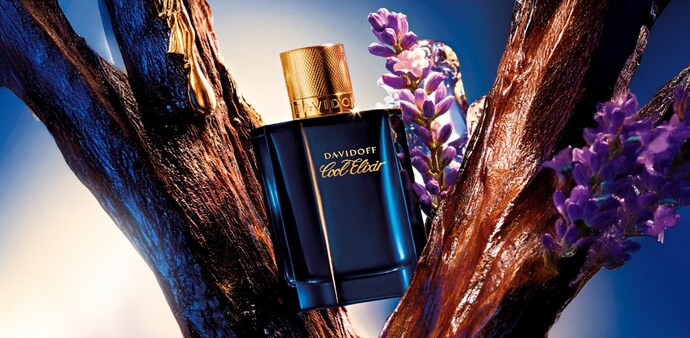
Global players are already seeing results. “India is one of the most exciting growth markets globally,” says Vishal Gurtu, Managing Director, Tarz Distribution, distributor partner for Davidoff perfume. “A good example is Davidoff Cool Elixir, which, despite premium pricing of around Rs 6,000 for 50 ml, has exceeded expectations (demand) in India.”
Consumers are willing to trade up when a brand resonates with their aspirations. Gurtu believes that by understanding their preferences and social touchpoints, the company can engage them more meaningfully and build lasting resonance.
Alongside global maisons that sell more expensive perfumes, homegrown players are claiming their space in luxury with products that are more pocket friendly. From Lucknow’s ISAK Fragrances to Gurugram-based Naso Profumi, New Delhi’s Olfa Originals, Mumbai-born design atelier Good Earth, and Ayurveda-inspired Forest Essentials, Indian brands are creating distinctive blends that fuse tradition with modernity.
Advertisement
Rati Tandon, co-founder of Boond Fragrances—a luxury attar label from Kannauj—believes the two categories can coexist. “Consumers may wear natural oils during festivals or certain occasions while reserving a Chanel for work. It’s not an either-or choice,” she says. Boond’s handcrafted attars start at Rs 1,699 for 6 ml.
Yet, perception remains a challenge. “In Europe, buyers pay a premium for sustainable, handcrafted products. In India, such craftsmanship is undervalued, not due to price but perception,” Tandon adds.
Adding to that perspective, Rishi Verma, founder of NEESH Perfumes—headquartered in Paris and India—draws a parallel with fashion. He says that just as Indian couture now stands alongside Parisian and Italian houses, Indian luxury perfume brands rooted in centuries-old olfactory traditions have the potential to command global recognition.
“India has historically been the cradle of perfumery—Kannauj, attars, and botanicals are world-renowned. If positioned with the right storytelling, craftsmanship, and consistency, Indian fragrance brands can redefine the global niche category,” he says. The luxury brand from India is selling across the US, Europe, India, Malaysia, Singapore, Paris, and the UAE.
Advertisement
Platforms like Tira, Reliance Retail’s omnichannel beauty venture, suggest the divide between global and Indian luxury brands is narrowing. Infusing Indian notes like mogra (jasmine), saffron, and cardamom with global accords such as oud and Amberwood, homegrown perfumers are creating an “Indianised” palette with global appeal. Consumers, they note, are increasingly open to experimenting with both.
The numbers reaffirm the momentum. Kotak Securities estimates that India’s fragrance user base will reach 121 million, with penetration increasing from 6.2% in 2025 to 8.2% by 2029. The overall beauty and personal care (BPC) industry is projected to touch $34 billion.
This underpenetration is also India’s biggest advantage. Consumers are moving from occasional to daily use, experimenting with layering, collecting multiple scents, and participating in experiential journeys such as “scent rooms” and perfumer masterclasses. Prestige and luxury dominate growth, while niche labels are fast emerging as the new frontier.
At Tira’s flagship in Mumbai’s Jio World Plaza, niche houses like Diptyque have already sparked strong consumer interest. The retailer is now expanding its portfolio with names such as Comme des Garçons and Amouage—brands once reserved for select global capitals, are now within reach of Indian buyers.
Advertisement
“The adoption curve has accelerated dramatically. Consumers are valuing fragrance as an integral part of self-expression and are willing to invest in luxury much earlier in their journey,” says Bahety.
For global brands, the message is clear: India is not yet saturated, but it is swiftly maturing. The country is no longer just a market for consumption but a trendsetter in the making. With its heritage of attars, its growing appetite for experimentation, and its aspiration-driven buyers, India could well define the next chapter in the global fragrance story.
@PalakAgarwal64 | @AASTHACHOPRA13
When lady macbeth hopelessly proclaimed that all the opulent scents of Arabia—symbols of luxury and sensual excess—were not enough to rid her of her guilt in Macbeth, fragrance came to assume more significance in Shakespeare’s dramatic universe. It became a metaphor for power, identity, and the burden of memory. In a world far from the Scottish moors and Arabian souks, that same metaphor finds new meaning in India, where the ancient art of perfumery is witnessing a revival. Here, in the land of attars—Kannauj has been distilling scent for generations—the aromatic opulence once invoked by Shakespeare is both alive and evolving.
Advertisement
Luxury fragrances, once reserved for the elites and film stars, are now being claimed by a growing tribe of Indian consumers. Advisory and consulting firm Basic Roots pegs Indian fragrance industry at $2.5-billion, growing at a robust 15% compound annual growth rate (CAGR), at an inflection point. From Parisian maisons to homegrown labels, India’s perfume story is being reshaped by an aspirational shift toward luxury.
Within India’s fragrance industry, the luxury segment alone is a $1-billion opportunity, expanding at 9% annually, according to a report by Basic Roots. Unsurprisingly, global powerhouses are rushing in. Over the past few years, labels such as Kilian Paris and Essential Parfums have made their entry, joining established names like Bvlgari, Gucci, and Davidoff that already cater to India’s rising appetite for fine scents.
Advertisement
“Luxury fragrance in India is no longer about access—it’s about shaping culture and creating experiences,” says Rajiv Bahety, founder of Beauty Concepts, one of the country’s largest distributors of luxury perfumes, representing houses such as Hermès, Guerlain, Bvlgari, LVMH, L’Oréal, and Coty.
What makes these perfumes stand apart? Unlike mass-produced scents, luxury fragrances are crafted in smaller batches with rare ingredients, master perfumery skills, and layered compositions that evolve over hours. Their appeal extends beyond the olfactory; exquisite packaging and exclusivity turn them into statements of artistry and identity.
While rising disposable incomes are fuelling demand, aspiration is the bigger driver. Social media, celebrity endorsements, and democratisation of luxury cues have amplified the desire for statement-making scents. “Consumption growth is coming from aspiration across all socioeconomic segments, not just Tier-I cities. Tier-II buyers and even Gen Z consumers are driving growth, influenced by global exposure and cultural trends,” notes Abhay Gupta, luxury strategist and founder of Luxury Connect Business School.
Advertisement
This maturity is reflected in spending patterns. According to Bahety, Indian customers are comfortable paying $120–150 (Rs 10,000–Rs 12,000) for luxury fragrances. For first-time buyers, discovery sets, or smaller bottles priced at $50–150 (Rs 5,000–Rs 12,000), serve as accessible entry points. Once they find a scent they love, they often upgrade to larger bottles—signalling a market that is learning, experimenting and evolving.
Global players are already seeing results. “India is one of the most exciting growth markets globally,” says Vishal Gurtu, Managing Director, Tarz Distribution, distributor partner for Davidoff perfume. “A good example is Davidoff Cool Elixir, which, despite premium pricing of around Rs 6,000 for 50 ml, has exceeded expectations (demand) in India.”
Consumers are willing to trade up when a brand resonates with their aspirations. Gurtu believes that by understanding their preferences and social touchpoints, the company can engage them more meaningfully and build lasting resonance.
Alongside global maisons that sell more expensive perfumes, homegrown players are claiming their space in luxury with products that are more pocket friendly. From Lucknow’s ISAK Fragrances to Gurugram-based Naso Profumi, New Delhi’s Olfa Originals, Mumbai-born design atelier Good Earth, and Ayurveda-inspired Forest Essentials, Indian brands are creating distinctive blends that fuse tradition with modernity.
Advertisement
Rati Tandon, co-founder of Boond Fragrances—a luxury attar label from Kannauj—believes the two categories can coexist. “Consumers may wear natural oils during festivals or certain occasions while reserving a Chanel for work. It’s not an either-or choice,” she says. Boond’s handcrafted attars start at Rs 1,699 for 6 ml.
Yet, perception remains a challenge. “In Europe, buyers pay a premium for sustainable, handcrafted products. In India, such craftsmanship is undervalued, not due to price but perception,” Tandon adds.
Adding to that perspective, Rishi Verma, founder of NEESH Perfumes—headquartered in Paris and India—draws a parallel with fashion. He says that just as Indian couture now stands alongside Parisian and Italian houses, Indian luxury perfume brands rooted in centuries-old olfactory traditions have the potential to command global recognition.
“India has historically been the cradle of perfumery—Kannauj, attars, and botanicals are world-renowned. If positioned with the right storytelling, craftsmanship, and consistency, Indian fragrance brands can redefine the global niche category,” he says. The luxury brand from India is selling across the US, Europe, India, Malaysia, Singapore, Paris, and the UAE.
Advertisement
Platforms like Tira, Reliance Retail’s omnichannel beauty venture, suggest the divide between global and Indian luxury brands is narrowing. Infusing Indian notes like mogra (jasmine), saffron, and cardamom with global accords such as oud and Amberwood, homegrown perfumers are creating an “Indianised” palette with global appeal. Consumers, they note, are increasingly open to experimenting with both.
The numbers reaffirm the momentum. Kotak Securities estimates that India’s fragrance user base will reach 121 million, with penetration increasing from 6.2% in 2025 to 8.2% by 2029. The overall beauty and personal care (BPC) industry is projected to touch $34 billion.
This underpenetration is also India’s biggest advantage. Consumers are moving from occasional to daily use, experimenting with layering, collecting multiple scents, and participating in experiential journeys such as “scent rooms” and perfumer masterclasses. Prestige and luxury dominate growth, while niche labels are fast emerging as the new frontier.
At Tira’s flagship in Mumbai’s Jio World Plaza, niche houses like Diptyque have already sparked strong consumer interest. The retailer is now expanding its portfolio with names such as Comme des Garçons and Amouage—brands once reserved for select global capitals, are now within reach of Indian buyers.
Advertisement
“The adoption curve has accelerated dramatically. Consumers are valuing fragrance as an integral part of self-expression and are willing to invest in luxury much earlier in their journey,” says Bahety.
For global brands, the message is clear: India is not yet saturated, but it is swiftly maturing. The country is no longer just a market for consumption but a trendsetter in the making. With its heritage of attars, its growing appetite for experimentation, and its aspiration-driven buyers, India could well define the next chapter in the global fragrance story.
@PalakAgarwal64 | @AASTHACHOPRA13
Read more!