
Rajan wants govt to bite the bullet on fiscal consolidation
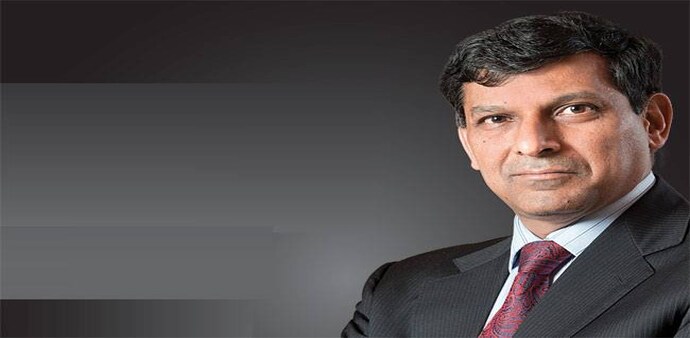
RBI Governor Raghuram Rajan, a celebrated economist, believes any deviation from fiscal deficit target would damage the government's credibility overseas and also impact the macro-economic stability.
- Feb 11, 2016,
- Updated Feb 15, 2016 4:59 PM IST
It doesn't happen often. Several experts are advocating that the government should boost public investments instead of pushing ahead with its fiscal consolidation road map. The reason is obvious: a sluggish domestic economy and a global slowdown.
Aditya Puri, MD of HDFC Bank, India's second largest private bank, is advocating a delay in fiscal consolidation. "We have low inflation with negative WPI," he points out. Concurs Kaku Nakhate , President and country head of Bank of America. "We can live with higher fiscal deficit," she says. Maintaining the deficit at around 3.9 per cent of GDP, instead of lowering it to the targeted 3.5 per cent, will give the finance minister headroom to increase public spending and also provide an economic stimulus by accepting Seventh Pay Commission recommendations, adds Nakhate.
In last year's Budget (2015/16), the first full year budget of the Modi government, Finance Minister Arun Jaitley deferred the 3 per cent fiscal deficit target by a year to 2017/18. According to the fiscal consolidation road map, the target for 2016/17 is 3.5 per cent - many commentators are suggesting a slight deviation to 3.7 per cent in the fiscal year, given the ground realities.
But the Reserve Bank of India (RBI) Governor Raghuram Rajan disagrees. A celebrated economist, he believes any deviation would damage the government's credibility overseas and also impact the macro-economic stability. "The consolidated fiscal deficit of the states and centre is by far the largest among countries we like to compare ourselves with. Presently only Brazil, a country in difficulty, rivals us on this measure," he said, recently in New Delhi. Rajan is himself running a tight ship - he has not only set an inflation target for the RBI but is also goading banks to rein in mounting bad loans.
Already, the RBI Governor expects some expansion in the fiscal deficit of states post the implementation of UDAY, the scheme for revival of power distribution companies (discoms). UDAY entails the states taking over 75 per cent debt of discoms. Rajan is worried about the consolidated fiscal deficit of the states and Centre creeping up - it has gone up from 7 per cent in 2014 to 7.2 per cent in 2015. "So we actually expanded the aggregate deficit in the last calendar year. With UDAY coming into operation in the next fiscal, it is unlikely that states will be shrinking their deficits, which puts pressure on the Centre to adjust more,"says Rajan.
So what is Jaitley's take? Jaitley has said on record that the government is committed to 3.0 per cent for 2017/18 without specifically commenting on the target for 2016/17. There are pros and cons of boosting growth by higher spending, he observed recently. Indeed, there are challenges both on the expenditure as well as revenue side.
The finance minister, for example, will have to make full year provision for Seventh Pay Commission, which has recommended a 23.6 per cent hike for government employees. In fact, the RBI Governor is also waiting for the Pay Commission allocation, especially for inflation guidance. "RBI will adjust the inflation forecast path as and when more clarity emerges on the timing of Pay Commission," said Rajan.
There are challenges on the revenue front as well. Meeting the disinvestment targets is turning out to be extremely challenging. In fact, the government is unlikely to meet its 2015/16 target of close to `70,000 crore. Jaitley has to lower expectations drastically in 2016/17 because of the stock market turbulence. The benchmark BSE Sensex has plummeted 20 per cent to 24,000 levels in the past year. The PSU index, which tracks more than 50 performing government companies, has fallen sharply - it is down by a massive 30 per cent. "This window looks completely shut for the next year," says an analyst.
All said and done, it will be a challenge for the finance minister to stick to the fiscal consolidation target when he is expected to give a booster dose to the economy through increased spending. But any slippage may put the government on a collision course with Rajan. Over to Jaitley.
It doesn't happen often. Several experts are advocating that the government should boost public investments instead of pushing ahead with its fiscal consolidation road map. The reason is obvious: a sluggish domestic economy and a global slowdown.
Aditya Puri, MD of HDFC Bank, India's second largest private bank, is advocating a delay in fiscal consolidation. "We have low inflation with negative WPI," he points out. Concurs Kaku Nakhate , President and country head of Bank of America. "We can live with higher fiscal deficit," she says. Maintaining the deficit at around 3.9 per cent of GDP, instead of lowering it to the targeted 3.5 per cent, will give the finance minister headroom to increase public spending and also provide an economic stimulus by accepting Seventh Pay Commission recommendations, adds Nakhate.
In last year's Budget (2015/16), the first full year budget of the Modi government, Finance Minister Arun Jaitley deferred the 3 per cent fiscal deficit target by a year to 2017/18. According to the fiscal consolidation road map, the target for 2016/17 is 3.5 per cent - many commentators are suggesting a slight deviation to 3.7 per cent in the fiscal year, given the ground realities.
But the Reserve Bank of India (RBI) Governor Raghuram Rajan disagrees. A celebrated economist, he believes any deviation would damage the government's credibility overseas and also impact the macro-economic stability. "The consolidated fiscal deficit of the states and centre is by far the largest among countries we like to compare ourselves with. Presently only Brazil, a country in difficulty, rivals us on this measure," he said, recently in New Delhi. Rajan is himself running a tight ship - he has not only set an inflation target for the RBI but is also goading banks to rein in mounting bad loans.
Already, the RBI Governor expects some expansion in the fiscal deficit of states post the implementation of UDAY, the scheme for revival of power distribution companies (discoms). UDAY entails the states taking over 75 per cent debt of discoms. Rajan is worried about the consolidated fiscal deficit of the states and Centre creeping up - it has gone up from 7 per cent in 2014 to 7.2 per cent in 2015. "So we actually expanded the aggregate deficit in the last calendar year. With UDAY coming into operation in the next fiscal, it is unlikely that states will be shrinking their deficits, which puts pressure on the Centre to adjust more,"says Rajan.
So what is Jaitley's take? Jaitley has said on record that the government is committed to 3.0 per cent for 2017/18 without specifically commenting on the target for 2016/17. There are pros and cons of boosting growth by higher spending, he observed recently. Indeed, there are challenges both on the expenditure as well as revenue side.
The finance minister, for example, will have to make full year provision for Seventh Pay Commission, which has recommended a 23.6 per cent hike for government employees. In fact, the RBI Governor is also waiting for the Pay Commission allocation, especially for inflation guidance. "RBI will adjust the inflation forecast path as and when more clarity emerges on the timing of Pay Commission," said Rajan.
There are challenges on the revenue front as well. Meeting the disinvestment targets is turning out to be extremely challenging. In fact, the government is unlikely to meet its 2015/16 target of close to `70,000 crore. Jaitley has to lower expectations drastically in 2016/17 because of the stock market turbulence. The benchmark BSE Sensex has plummeted 20 per cent to 24,000 levels in the past year. The PSU index, which tracks more than 50 performing government companies, has fallen sharply - it is down by a massive 30 per cent. "This window looks completely shut for the next year," says an analyst.
All said and done, it will be a challenge for the finance minister to stick to the fiscal consolidation target when he is expected to give a booster dose to the economy through increased spending. But any slippage may put the government on a collision course with Rajan. Over to Jaitley.