
PepsiCo posts mid-single-digit growth in India market in 2023 amid global challenges
Despite the revenue decline in AMESA, PepsiCo reported a significant 21 per cent growth in operating profit, showcasing the company's ability to navigate challenges and maintain profitability.
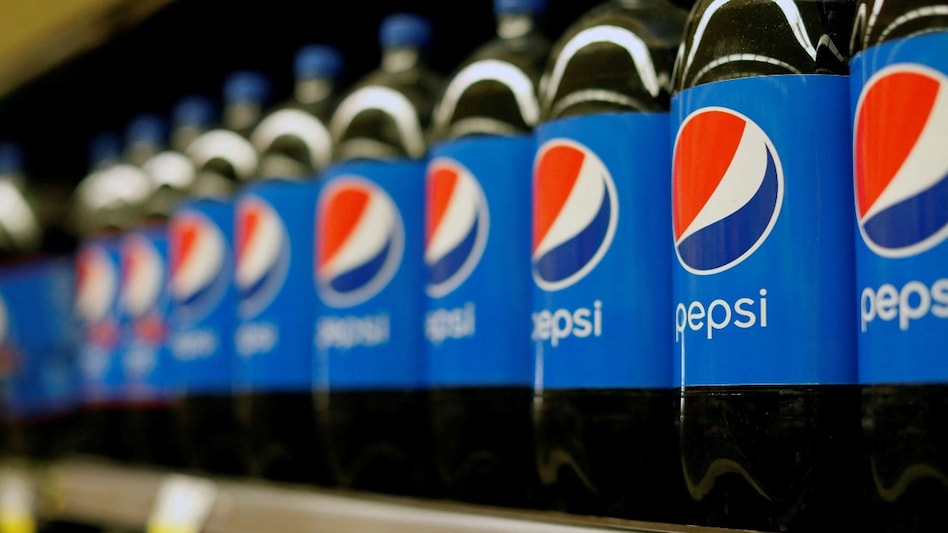
- Feb 9, 2024,
- Updated Feb 9, 2024 9:32 PM IST
Global beverage and food giant PepsiCo announced its financial results for 2023, revealing a "mid-single-digit" growth in the Indian market amidst a complex global landscape. According to the latest earnings report, PepsiCo achieved a net revenue of USD 91.47 billion globally, marking a 5.9 per cent increase.
PepsiCo highlighted the performance of developing and emerging markets, with both China and India delivering mid-single-digit growth for the full year. However, the company faced challenges in its Africa, the Middle East, South Asia (AMESA) division, including India, where net revenue declined to USD 6.14 billion, a drop of 4.64 per cent.
The decline in the AMESA division was primarily attributed to adverse foreign exchange effects, particularly the weakening of the Egyptian pound, and a net organic volume decrease, partially offset by effective net pricing strategies.
Despite these challenges, PepsiCo observed positive trends in its beverage unit volumes, which grew by 2 per cent in the region. India stood out with double-digit growth, while the Middle East also contributed to the increase with low-single-digit growth.
However, the convenient foods unit experienced a decline in volume, particularly in South Africa, partially offset by growth in the Middle East and Pakistan. India also witnessed a low-single-digit decline in this segment.
Despite the revenue decline in AMESA, PepsiCo reported a significant 21 per cent growth in operating profit, showcasing the company's ability to navigate challenges and maintain profitability.
Looking ahead to 2024, PepsiCo expressed confidence in its performance, anticipating at least 4 per cent organic revenue growth. Chairman and CEO Ramon Laguarta underscored the company's readiness to adapt to evolving market conditions, noting the normalisation of category growth rates and the expected moderation of inflationary pressures.
Global beverage and food giant PepsiCo announced its financial results for 2023, revealing a "mid-single-digit" growth in the Indian market amidst a complex global landscape. According to the latest earnings report, PepsiCo achieved a net revenue of USD 91.47 billion globally, marking a 5.9 per cent increase.
PepsiCo highlighted the performance of developing and emerging markets, with both China and India delivering mid-single-digit growth for the full year. However, the company faced challenges in its Africa, the Middle East, South Asia (AMESA) division, including India, where net revenue declined to USD 6.14 billion, a drop of 4.64 per cent.
The decline in the AMESA division was primarily attributed to adverse foreign exchange effects, particularly the weakening of the Egyptian pound, and a net organic volume decrease, partially offset by effective net pricing strategies.
Despite these challenges, PepsiCo observed positive trends in its beverage unit volumes, which grew by 2 per cent in the region. India stood out with double-digit growth, while the Middle East also contributed to the increase with low-single-digit growth.
However, the convenient foods unit experienced a decline in volume, particularly in South Africa, partially offset by growth in the Middle East and Pakistan. India also witnessed a low-single-digit decline in this segment.
Despite the revenue decline in AMESA, PepsiCo reported a significant 21 per cent growth in operating profit, showcasing the company's ability to navigate challenges and maintain profitability.
Looking ahead to 2024, PepsiCo expressed confidence in its performance, anticipating at least 4 per cent organic revenue growth. Chairman and CEO Ramon Laguarta underscored the company's readiness to adapt to evolving market conditions, noting the normalisation of category growth rates and the expected moderation of inflationary pressures.