
India could raise ₹2 lakh crore through IPOs; 55% of FY27 proceeds already fresh capital: SEBI Chairman
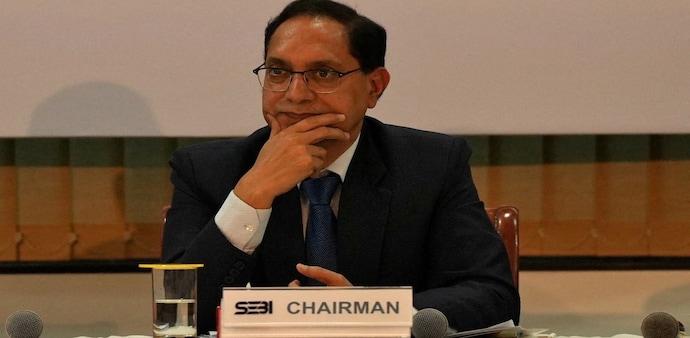
India could potentially raise around ₹2 lakh crore through IPOs going ahead, with the primary market already raising ₹60,000 crore in FY2026-27, SEBI Chairman Tuhin Kanta Pandey said.
- Sep 22, 2026,
- Updated Sep 22, 2026 8:31 PM IST
India could potentially raise around ₹2 trillion through initial public offerings (IPOs) going ahead, Securities and Exchange Board of India (SEBI) Chairman Tuhin Kanta Pandey said on September 22, highlighting the continuing depth of the country’s primary capital market.
Addressing the 11th J.P. Morgan India Conference, Pandey said around ₹600 billion had already been raised through IPOs in FY2026-27. Importantly, around 55% of the proceeds represented fresh capital flowing to companies.
“Going ahead, potentially, around ₹2 trillion can be raised through IPOs,” Pandey said.
The SEBI Chairman placed the potential IPO pipeline against the broader expansion of India’s capital markets. He said the country’s equity market currently has a market capitalisation of around $5 trillion, while more than ₹100 trillion has been raised through equity and debt issuances over the past decade.
“India continues to demonstrate resilience,” Pandey said, noting that real GDP grew 7.8% in the first quarter of FY2026-27 despite a difficult global environment.
MUST READ: NSE IPO listing on September 24: How 5 largest IPOs fared on market debuts
55% of IPO proceeds represent fresh capital
The composition of IPO fundraising is also significant, with around 55% of the ₹600 billion raised so far representing fresh capital for companies. This means a majority of the proceeds have gone towards capital formation rather than being entirely linked to existing shareholders selling their holdings.
The development comes amid a broader expansion in market participation. India now has around 149 million unique securities-market investors, while mutual fund assets have nearly tripled over five years, rising from around ₹37 trillion to ₹87 trillion.
Pandey said the changing structure of household financial savings was also visible through systematic investment plans (SIPs), with SIP assets now accounting for more than one-fifth of mutual fund assets under management.
Corporate bond market also expands
The debt market has expanded alongside equities. Outstanding corporate bonds have increased from around ₹20 trillion in FY2015-16 to approximately ₹61 trillion currently. More than ₹4.3 trillion has already been raised through corporate bonds in FY2026-27.
ALSO READ: Snapdeal-parent AceVector to launch IPO on September 25; check price band & other key details
Pandey said SEBI’s regulatory approach was aimed at supporting capital formation while reducing unnecessary friction.
“Our approach has been to make access to public markets simpler and faster,” he said.
He added that the regulator was seeking to remove requirements that add time or cost without providing “commensurate protection”, while simplifying disclosures and calibrating requirements according to the size and nature of issuers.
SEBI focuses on deeper capital markets
Pandey said SEBI’s broader objective was to deepen markets while retaining investor safeguards.
“Our task is to translate these strengths into productive investment,” he said.
“At SEBI, our objective is clear: reduce unnecessary friction, deepen markets and strengthen safeguards where risks are real - so that Indian markets remain accessible, resilient and trusted by domestic and global investors.”
DO READ: Abakkus Asset Manager IPO: Sunil Singhania-promoted firm files DRHP with SEBI; check key details
India could potentially raise around ₹2 trillion through initial public offerings (IPOs) going ahead, Securities and Exchange Board of India (SEBI) Chairman Tuhin Kanta Pandey said on September 22, highlighting the continuing depth of the country’s primary capital market.
Addressing the 11th J.P. Morgan India Conference, Pandey said around ₹600 billion had already been raised through IPOs in FY2026-27. Importantly, around 55% of the proceeds represented fresh capital flowing to companies.
“Going ahead, potentially, around ₹2 trillion can be raised through IPOs,” Pandey said.
The SEBI Chairman placed the potential IPO pipeline against the broader expansion of India’s capital markets. He said the country’s equity market currently has a market capitalisation of around $5 trillion, while more than ₹100 trillion has been raised through equity and debt issuances over the past decade.
“India continues to demonstrate resilience,” Pandey said, noting that real GDP grew 7.8% in the first quarter of FY2026-27 despite a difficult global environment.
MUST READ: NSE IPO listing on September 24: How 5 largest IPOs fared on market debuts
55% of IPO proceeds represent fresh capital
The composition of IPO fundraising is also significant, with around 55% of the ₹600 billion raised so far representing fresh capital for companies. This means a majority of the proceeds have gone towards capital formation rather than being entirely linked to existing shareholders selling their holdings.
The development comes amid a broader expansion in market participation. India now has around 149 million unique securities-market investors, while mutual fund assets have nearly tripled over five years, rising from around ₹37 trillion to ₹87 trillion.
Pandey said the changing structure of household financial savings was also visible through systematic investment plans (SIPs), with SIP assets now accounting for more than one-fifth of mutual fund assets under management.
Corporate bond market also expands
The debt market has expanded alongside equities. Outstanding corporate bonds have increased from around ₹20 trillion in FY2015-16 to approximately ₹61 trillion currently. More than ₹4.3 trillion has already been raised through corporate bonds in FY2026-27.
ALSO READ: Snapdeal-parent AceVector to launch IPO on September 25; check price band & other key details
Pandey said SEBI’s regulatory approach was aimed at supporting capital formation while reducing unnecessary friction.
“Our approach has been to make access to public markets simpler and faster,” he said.
He added that the regulator was seeking to remove requirements that add time or cost without providing “commensurate protection”, while simplifying disclosures and calibrating requirements according to the size and nature of issuers.
SEBI focuses on deeper capital markets
Pandey said SEBI’s broader objective was to deepen markets while retaining investor safeguards.
“Our task is to translate these strengths into productive investment,” he said.
“At SEBI, our objective is clear: reduce unnecessary friction, deepen markets and strengthen safeguards where risks are real - so that Indian markets remain accessible, resilient and trusted by domestic and global investors.”
DO READ: Abakkus Asset Manager IPO: Sunil Singhania-promoted firm files DRHP with SEBI; check key details