
Harvard scores major win as court blocks $2.6 billion research fund freeze by Trump admin
The ruling, issued Wednesday by Judge Allison D. Burroughs of the US District Court, found that the funding restrictions were retaliatory, infringing on Harvard’s First Amendment rights
- Sep 5, 2025,
- Updated Sep 5, 2025 9:56 AM IST
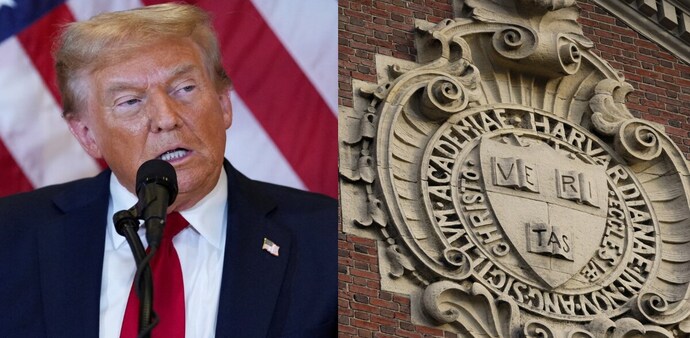
A federal court has delivered a major legal victory to Harvard University, ruling that the Trump administration’s decision to freeze over $2.6 billion in research grants was unconstitutional. The ruling, issued Wednesday by Judge Allison D. Burroughs of the US District Court, found that the funding restrictions were retaliatory, infringing on Harvard’s First Amendment rights, and violated procedural safeguards under Title VI of the Civil Rights Act.
Judge Burroughs annulled both the freeze orders and related termination notices, while issuing a permanent injunction to stop the government from imposing unlawful conditions on Harvard’s federal funding. “A review of the administrative record makes it difficult to conclude anything other than that Defendants used antisemitism as a smokescreen for a targeted, ideologically-motivated assault on this country’s premier universities,” Burroughs wrote.
The dispute traces back to March, when the Trump administration tied multiyear grants to demands for changes in Harvard’s governance, hiring policies, and disciplinary procedures. Harvard refused to comply, prompting the government to freeze $2.2 billion, a figure that later grew by several hundred million dollars. Harvard challenged the decision in court, arguing that the move was politically motivated.
Burroughs described the government’s actions as “arbitrary and capricious,” noting that no evidence of antisemitism at Harvard had been presented before the funding freeze. She further highlighted that the report cited to justify the government’s decision had been published after the freeze was already in effect.
The White House swiftly criticised the ruling. Spokesperson Liz Huston stated, “We will immediately move to appeal this egregious decision, and we are confident we will ultimately prevail in our efforts to hold Harvard accountable.”
President Trump also indicated he would contest the judgment, declaring he would “IMMEDIATELY appeal, and WIN,” hinting at extended legal proceedings. Pending any appeals, federal agencies are required to resume the normal processing of Harvard’s frozen grants.
Harvard President Alan M. Garber responded positively to the court’s decision, telling affiliates, “This important decision affirms our First Amendment and procedural rights, upholds the principles of academic freedom, and validates our arguments in defence of critical scientific research and the core values of American higher education.”
Despite siding with Harvard on the funding issue, Burroughs criticised the university for insufficiently addressing antisemitism on campus. She wrote that the institution “could (and should) have done a better job of dealing with the issue” and cautioned that suppressing speech under the guise of combating antisemitism could create a troubling precedent.
A federal court has delivered a major legal victory to Harvard University, ruling that the Trump administration’s decision to freeze over $2.6 billion in research grants was unconstitutional. The ruling, issued Wednesday by Judge Allison D. Burroughs of the US District Court, found that the funding restrictions were retaliatory, infringing on Harvard’s First Amendment rights, and violated procedural safeguards under Title VI of the Civil Rights Act.
Judge Burroughs annulled both the freeze orders and related termination notices, while issuing a permanent injunction to stop the government from imposing unlawful conditions on Harvard’s federal funding. “A review of the administrative record makes it difficult to conclude anything other than that Defendants used antisemitism as a smokescreen for a targeted, ideologically-motivated assault on this country’s premier universities,” Burroughs wrote.
The dispute traces back to March, when the Trump administration tied multiyear grants to demands for changes in Harvard’s governance, hiring policies, and disciplinary procedures. Harvard refused to comply, prompting the government to freeze $2.2 billion, a figure that later grew by several hundred million dollars. Harvard challenged the decision in court, arguing that the move was politically motivated.
Burroughs described the government’s actions as “arbitrary and capricious,” noting that no evidence of antisemitism at Harvard had been presented before the funding freeze. She further highlighted that the report cited to justify the government’s decision had been published after the freeze was already in effect.
The White House swiftly criticised the ruling. Spokesperson Liz Huston stated, “We will immediately move to appeal this egregious decision, and we are confident we will ultimately prevail in our efforts to hold Harvard accountable.”
President Trump also indicated he would contest the judgment, declaring he would “IMMEDIATELY appeal, and WIN,” hinting at extended legal proceedings. Pending any appeals, federal agencies are required to resume the normal processing of Harvard’s frozen grants.
Harvard President Alan M. Garber responded positively to the court’s decision, telling affiliates, “This important decision affirms our First Amendment and procedural rights, upholds the principles of academic freedom, and validates our arguments in defence of critical scientific research and the core values of American higher education.”
Despite siding with Harvard on the funding issue, Burroughs criticised the university for insufficiently addressing antisemitism on campus. She wrote that the institution “could (and should) have done a better job of dealing with the issue” and cautioned that suppressing speech under the guise of combating antisemitism could create a troubling precedent.