
Microsoft job, US dream cut short: How an H-1B rejection turned Kunal Bahl into an entrepreneur
The H-1B petition of an Indian employee was rejected while he was working at Microsoft in the US. However, he chose to start his own business and build Snapdeal.
- Nov 17, 2026,
- Updated Nov 17, 2026 2:41 PM IST
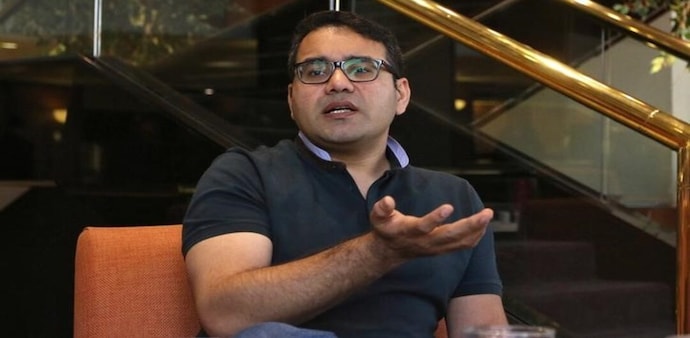
A rejected H-1B visa petition in 2007 forced Kunal Bahl, then a Microsoft employee in the US, to return to India—a setback that ultimately pushed him towards entrepreneurship and led to the creation of e-commerce firm Snapdeal and investment firm Titan Capital. Bahl recounted the episode in a recent interview with Business Insider.
Bahl said he was working at Microsoft in the US and nearing the end of his temporary work authorisation when the company’s legal department filed his H-1B petition. In June or July 2007, he received an email informing him that the application had been rejected. “I remember vividly that, in June or July of 2007, I got an email that said my H-1B petition had been rejected,” Bahl said.
After speaking with Microsoft’s team, Bahl said he understood that the decision was final. The company offered him the option of relocating to its India office, continuing to work there and reapplying for an H-1B visa after 12 months.
“The company was very nice about the situation, suggesting that I work in the Microsoft India office and try again for the H-1B after a year,” Bahl recalled.
Bahl said he had not considered returning to India at the time. Instead, he decided to use the situation as an opportunity to pursue entrepreneurship. “At no point had I considered moving back to India. But I gathered myself up and decided that if I go back to my country, I’d work for myself, not for Microsoft,” he said.
How H-1B rejection led to Snapdeal
Bahl returned to India in 2007 and contacted his high-school friend Rohit Bansal, who was then working at a financial institution. The two had previously discussed entrepreneurship and soon decided to start a business together.
Their company was incorporated on September 12, 2007, shortly before Bahl arrived in India. According to Bahl’s Business Insider interview, the founders pooled around $60,000 from their personal savings to get the business off the ground.
They initially started with a physical coupon-book business before shifting online and eventually building Snapdeal into one of India’s early major e-commerce platforms. Bahl said starting a company in India in 2007 was challenging, with limited internet penetration and smartphone adoption, digital payments still in their early stages and fundraising difficult.
The founders initially operated from a small office in the basement of a residential building in Delhi’s furniture market. They also stayed with their families to keep accommodation and food expenses low.
DO CHECKOUT: Trump visa crackdown and proposed $70,000 work fees drive foreign students away from US: Report
From Snapdeal to Titan Capital
Bahl and Bansal later expanded their entrepreneurial journey into startup investing. In 2011, they established Titan Capital, which has since backed more than 320 startups, according to his Business Insider interview. Its investments include companies such as Ola and Urban Company.
The founders also went on to build businesses that eventually became two publicly listed companies. Bahl is now associated with AceVector, the parent company of Snapdeal, Unicommerce and Stellaro Brands.
He is also a judge on Shark Tank India, where entrepreneurs pitch their businesses to investors.