
BT Explainer: Rajpal Yadav to return to jail as Delhi HC upholds conviction - what is a cheque bounce?
The Delhi High Court is set to rule on Bollywood actor Rajpal Yadav's petitions in multiple cheque bounce cases, bringing renewed focus to India's cheque dishonour law. Here's what a cheque bounce means, when it becomes a criminal offence, and the legal process under Section 138 of the Negotiable Instruments Act.
- Jul 10, 2026,
- Updated Jul 10, 2026 2:47 PM IST
The Delhi High Court on Friday upheld Bollywood actor Rajpal Yadav's conviction in multiple cheque bounce cases under the Negotiable Instruments Act and directed him to surrender, effectively sending him back to jail. The court also described Yadav's conduct as "dubious" while dismissing his challenge to the conviction.
The case stems from multiple cheque dishonour complaints filed by M/s Murli Projects Pvt. Ltd. against Rajpal Yadav under Section 138 of the Negotiable Instruments Act. Yadav was convicted and sentenced by the trial court in 2024, following which he challenged the conviction before the Delhi High Court through criminal revision petitions.
During the proceedings, the High Court granted Yadav interim suspension of his sentence after he deposited part of the outstanding amount. His counsel informed the court that around Rs 4.25 crore had already been paid to the complainant, including a demand draft of Rs 25 lakh submitted before the court. The complainant, however, opposed the plea, arguing that substantial dues remained unpaid and that completion of the sentence would not extinguish Yadav's financial liability arising from the dishonoured cheques.
The High Court also attempted to facilitate an amicable settlement between the parties. The complainant agreed to accept Rs 6 crore as a full-and-final settlement on the court's suggestion, but no agreement could be reached.
What is a cheque bounce?
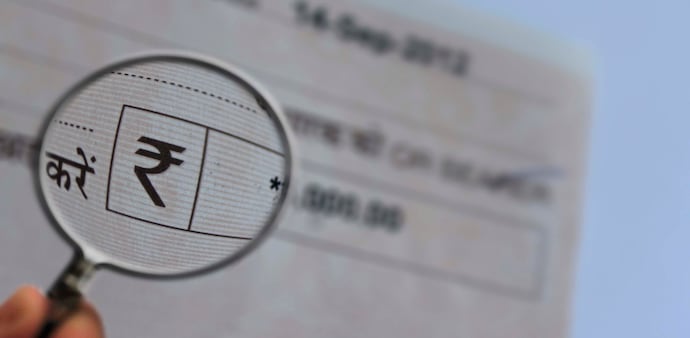
A cheque bounce occurs when a bank refuses to honour a cheque, most commonly because the issuer's account does not have sufficient funds. Under Section 138 of the Negotiable Instruments Act, 1881, cheque dishonour due to insufficient funds is a criminal offence that can attract imprisonment of up to two years, a fine of up to twice the cheque amount, or both. After the cheque is returned unpaid, the bank issues a return memo, enabling the payee to initiate legal proceedings.
Common reasons why cheques are dishonoured
While insufficient funds are the most common reason, cheques may also bounce because they have expired, contain a signature mismatch, have overwriting or physical damage, or show discrepancies between the amount written in words and figures. However, criminal liability under Section 138 generally applies only when the cheque is dishonoured due to insufficient funds or because it exceeds the arrangement with the bank.
Issuing a cheque bounce notice
The first legal step is issuing a cheque bounce notice to the drawer within 30 days of receiving the bank's return memo. The notice must demand payment of the exact cheque amount within 15 days. Even a minor discrepancy between the amount mentioned on the cheque and the amount stated in the notice can render the notice invalid and weaken proceedings under Section 138.
What happens if payment is not made?
If the drawer fails to make payment within 15 days of receiving the notice, the payee can file a criminal complaint before the appropriate court within the prescribed time limit. Importantly, Section 138 applies only when the cheque was issued to discharge a legally enforceable debt or liability, and not for gifts, donations or other non-enforceable obligations.
MUST READ: NPS rules changed for Central Autonomous Body employees: Here's what's new from July 2026
How to handle a cheque bounce case
A cheque bounce case formally begins when the drawer does not make payment within the 15-day statutory period. The payee can then file a criminal complaint before the appropriate Magistrate within 30 days. Depending on the applicable legal provisions, the complaint may be filed before the court having jurisdiction over the place where the cheque was presented, dishonoured, drawn, where payment was due, or where the statutory notice was served.
Court process and penalties
Once the complaint is filed, the Magistrate examines the complainant's submissions and supporting documents. If a prima facie case is established, the court issues summons to the drawer. The accused may admit or deny the allegations, after which both sides present evidence and arguments. If found guilty, the drawer may face imprisonment of up to two years, a fine of up to twice the cheque amount, or both.
MUST READ: EPS 2026 replaces EPS-95: Is the minimum EPS pension still ₹1,000? Here's what has changed
Civil recovery and settlement options
Apart from criminal proceedings, the payee may also file a civil suit to recover the outstanding amount. Unlike proceedings under Section 138, a civil recovery suit does not require a cheque bounce notice and is aimed solely at recovering the debt rather than imposing criminal punishment. Many cheque bounce disputes are also resolved through immediate repayment, reissuing a valid cheque in cases of technical errors, or an amicable settlement between the parties.
Liability of companies and directors
Where the dishonoured cheque is issued by a company, both the company and the responsible directors or officers may face liability under the Negotiable Instruments Act if the statutory conditions are met. However, if the drawer pays the cheque amount within 15 days of receiving the legal notice, no offence is deemed to have been committed under Section 138, preventing further criminal proceedings. Banks may also levy cheque bounce charges, making timely payment and proper cheque issuance essential to avoid legal and financial consequences.
MUST READ: Insurance commission overhaul: IRDAI's proposal can boost customer trust, curb mis-selling: Experts
The Delhi High Court on Friday upheld Bollywood actor Rajpal Yadav's conviction in multiple cheque bounce cases under the Negotiable Instruments Act and directed him to surrender, effectively sending him back to jail. The court also described Yadav's conduct as "dubious" while dismissing his challenge to the conviction.
The case stems from multiple cheque dishonour complaints filed by M/s Murli Projects Pvt. Ltd. against Rajpal Yadav under Section 138 of the Negotiable Instruments Act. Yadav was convicted and sentenced by the trial court in 2024, following which he challenged the conviction before the Delhi High Court through criminal revision petitions.
During the proceedings, the High Court granted Yadav interim suspension of his sentence after he deposited part of the outstanding amount. His counsel informed the court that around Rs 4.25 crore had already been paid to the complainant, including a demand draft of Rs 25 lakh submitted before the court. The complainant, however, opposed the plea, arguing that substantial dues remained unpaid and that completion of the sentence would not extinguish Yadav's financial liability arising from the dishonoured cheques.
The High Court also attempted to facilitate an amicable settlement between the parties. The complainant agreed to accept Rs 6 crore as a full-and-final settlement on the court's suggestion, but no agreement could be reached.
What is a cheque bounce?
A cheque bounce occurs when a bank refuses to honour a cheque, most commonly because the issuer's account does not have sufficient funds. Under Section 138 of the Negotiable Instruments Act, 1881, cheque dishonour due to insufficient funds is a criminal offence that can attract imprisonment of up to two years, a fine of up to twice the cheque amount, or both. After the cheque is returned unpaid, the bank issues a return memo, enabling the payee to initiate legal proceedings.
Common reasons why cheques are dishonoured
While insufficient funds are the most common reason, cheques may also bounce because they have expired, contain a signature mismatch, have overwriting or physical damage, or show discrepancies between the amount written in words and figures. However, criminal liability under Section 138 generally applies only when the cheque is dishonoured due to insufficient funds or because it exceeds the arrangement with the bank.
Issuing a cheque bounce notice
The first legal step is issuing a cheque bounce notice to the drawer within 30 days of receiving the bank's return memo. The notice must demand payment of the exact cheque amount within 15 days. Even a minor discrepancy between the amount mentioned on the cheque and the amount stated in the notice can render the notice invalid and weaken proceedings under Section 138.
What happens if payment is not made?
If the drawer fails to make payment within 15 days of receiving the notice, the payee can file a criminal complaint before the appropriate court within the prescribed time limit. Importantly, Section 138 applies only when the cheque was issued to discharge a legally enforceable debt or liability, and not for gifts, donations or other non-enforceable obligations.
MUST READ: NPS rules changed for Central Autonomous Body employees: Here's what's new from July 2026
How to handle a cheque bounce case
A cheque bounce case formally begins when the drawer does not make payment within the 15-day statutory period. The payee can then file a criminal complaint before the appropriate Magistrate within 30 days. Depending on the applicable legal provisions, the complaint may be filed before the court having jurisdiction over the place where the cheque was presented, dishonoured, drawn, where payment was due, or where the statutory notice was served.
Court process and penalties
Once the complaint is filed, the Magistrate examines the complainant's submissions and supporting documents. If a prima facie case is established, the court issues summons to the drawer. The accused may admit or deny the allegations, after which both sides present evidence and arguments. If found guilty, the drawer may face imprisonment of up to two years, a fine of up to twice the cheque amount, or both.
MUST READ: EPS 2026 replaces EPS-95: Is the minimum EPS pension still ₹1,000? Here's what has changed
Civil recovery and settlement options
Apart from criminal proceedings, the payee may also file a civil suit to recover the outstanding amount. Unlike proceedings under Section 138, a civil recovery suit does not require a cheque bounce notice and is aimed solely at recovering the debt rather than imposing criminal punishment. Many cheque bounce disputes are also resolved through immediate repayment, reissuing a valid cheque in cases of technical errors, or an amicable settlement between the parties.
Liability of companies and directors
Where the dishonoured cheque is issued by a company, both the company and the responsible directors or officers may face liability under the Negotiable Instruments Act if the statutory conditions are met. However, if the drawer pays the cheque amount within 15 days of receiving the legal notice, no offence is deemed to have been committed under Section 138, preventing further criminal proceedings. Banks may also levy cheque bounce charges, making timely payment and proper cheque issuance essential to avoid legal and financial consequences.
MUST READ: Insurance commission overhaul: IRDAI's proposal can boost customer trust, curb mis-selling: Experts