
BT Explainer: What is Paytm Pocket Money and how does it work?
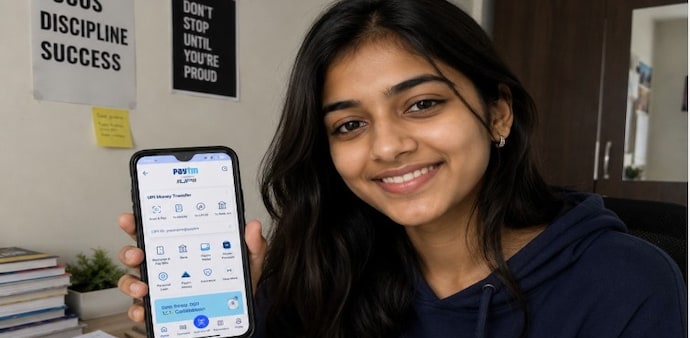
Paytm has launched a new feature called Pocket Money that lets teenagers make UPI payments even without having their own bank account. Parents can also track spending, set limits and stay in control through the app.
- May 19, 2026,
- Updated May 19, 2026 9:05 AM IST
Paytm has launched a new feature called Pocket Money, aimed at enabling teenagers to make digital payments through UPI even if they do not have their own bank account. The feature is designed to give young users greater payment independence while ensuring parents remain in control of spending and oversight.
Built on the UPI Circle framework developed by the National Payments Corporation of India (NPCI), Paytm Pocket Money allows a parent or trusted family member to extend UPI access to a teenager through a linked setup within the Paytm app.
The launch reflects a broader trend in India's digital payments ecosystem where companies are trying to create supervised financial tools for younger users while maintaining safety checks and spending controls.
What exactly is Paytm Pocket Money?
Paytm Pocket Money is a supervised UPI payment system that lets teenagers make everyday digital payments without opening or operating their own bank account.
MUST READ: What does Bajaj Life Smart Secure ROP offer for insurance buyers?
Instead of requiring a separate bank account, the feature works through UPI Circle, which allows a primary user—typically a parent—to authorise another user to make transactions within predefined limits.
This means teenagers can make payments independently while the parent retains control over how much can be spent and where the money goes.
MUST READ: 30% Indians face loan rejection without knowing why. Can AI solve this credit awareness gap?
How does it work?
The process begins with a parent or guardian initiating access through the Paytm app.
The parent can invite a teenager and connect them through the UPI Circle framework. Once the setup and verification process are complete, the teenager receives access to Paytm UPI for making payments at merchants that accept UPI transactions.
Teenagers can use it for routine and small-ticket spending such as:
Transport or cab fares School or college canteen payments Mobile recharges Grocery purchases Small retail spending Daily expenses and allowances
The idea is to create a digital version of traditional pocket money while giving parents visibility into usage.
What controls do parents get?
One of the central features of Paytm Pocket Money is parental oversight.
MUST READ: Why are idle gold ornaments in lockers returning to market? Expert explains shift
Parents can:
Set monthly spending limits Track transactions in real time View spending summaries Categorise payment activity Modify limits when required Revoke access at any time
The app also provides spending summaries to help families monitor where money is being used and manage allowance habits.
What safety measures are included?
Paytm has introduced multiple safeguards around usage.
These include:
Limits on individual transaction values Monthly spending caps Lower transaction thresholds during initial usage Device verification requirements UPI PIN authentication for payments
These restrictions are intended to prevent misuse and provide an additional layer of security.
How can users activate it?
To enable Pocket Money:
Update the Paytm app Open “To Mobile / Contact” Select “Pocket Money” Add the teenager's contact details Scan QR code or enter UPI ID Complete verification Set a monthly limit Select the linked bank account and authenticate with UPI PIN
The feature becomes active only after both the parent and teenager complete the process within the app.
As digital payments continue expanding in India, supervised payment tools like Pocket Money could create a middle ground between financial independence and parental control.
Paytm has launched a new feature called Pocket Money, aimed at enabling teenagers to make digital payments through UPI even if they do not have their own bank account. The feature is designed to give young users greater payment independence while ensuring parents remain in control of spending and oversight.
Built on the UPI Circle framework developed by the National Payments Corporation of India (NPCI), Paytm Pocket Money allows a parent or trusted family member to extend UPI access to a teenager through a linked setup within the Paytm app.
The launch reflects a broader trend in India's digital payments ecosystem where companies are trying to create supervised financial tools for younger users while maintaining safety checks and spending controls.
What exactly is Paytm Pocket Money?
Paytm Pocket Money is a supervised UPI payment system that lets teenagers make everyday digital payments without opening or operating their own bank account.
MUST READ: What does Bajaj Life Smart Secure ROP offer for insurance buyers?
Instead of requiring a separate bank account, the feature works through UPI Circle, which allows a primary user—typically a parent—to authorise another user to make transactions within predefined limits.
This means teenagers can make payments independently while the parent retains control over how much can be spent and where the money goes.
MUST READ: 30% Indians face loan rejection without knowing why. Can AI solve this credit awareness gap?
How does it work?
The process begins with a parent or guardian initiating access through the Paytm app.
The parent can invite a teenager and connect them through the UPI Circle framework. Once the setup and verification process are complete, the teenager receives access to Paytm UPI for making payments at merchants that accept UPI transactions.
Teenagers can use it for routine and small-ticket spending such as:
Transport or cab fares School or college canteen payments Mobile recharges Grocery purchases Small retail spending Daily expenses and allowances
The idea is to create a digital version of traditional pocket money while giving parents visibility into usage.
What controls do parents get?
One of the central features of Paytm Pocket Money is parental oversight.
MUST READ: Why are idle gold ornaments in lockers returning to market? Expert explains shift
Parents can:
Set monthly spending limits Track transactions in real time View spending summaries Categorise payment activity Modify limits when required Revoke access at any time
The app also provides spending summaries to help families monitor where money is being used and manage allowance habits.
What safety measures are included?
Paytm has introduced multiple safeguards around usage.
These include:
Limits on individual transaction values Monthly spending caps Lower transaction thresholds during initial usage Device verification requirements UPI PIN authentication for payments
These restrictions are intended to prevent misuse and provide an additional layer of security.
How can users activate it?
To enable Pocket Money:
Update the Paytm app Open “To Mobile / Contact” Select “Pocket Money” Add the teenager's contact details Scan QR code or enter UPI ID Complete verification Set a monthly limit Select the linked bank account and authenticate with UPI PIN
The feature becomes active only after both the parent and teenager complete the process within the app.
As digital payments continue expanding in India, supervised payment tools like Pocket Money could create a middle ground between financial independence and parental control.