
From metals to markets: Sandeep Bagla on where investors should turn post-2025 rally in gold, silver
Gold, silver, international, and multi-asset allocation funds have delivered strong returns in the ongoing calendar year. Gold mutual funds, on an average, have gained nearly 59% so far in 2025, while silver-oriented funds outperformed all other investment options with an impressive 76% return.
- Oct 9, 2025,
- Updated Oct 9, 2025 4:13 PM IST
Gold, silver, international, and multi-asset allocation funds have delivered strong returns in the ongoing calendar year. Gold mutual funds, on an average, have gained nearly 59% so far in 2025, while silver-oriented funds outperformed all other investment options with an impressive 76% return. The international and multi-asset allocation categories also posted healthy gains of over 28% and 11%, respectively, on a year-to-date basis.
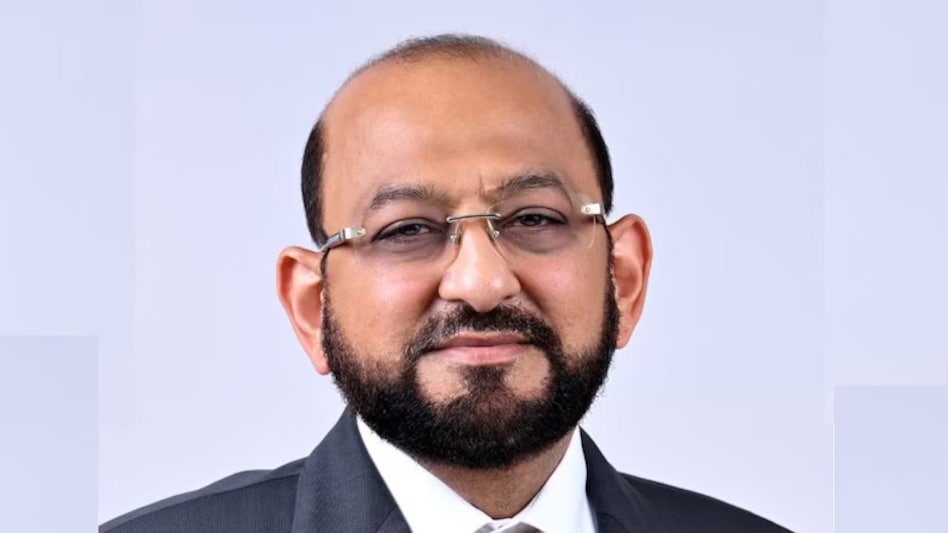
So, what lies ahead for mutual fund investors? Will precious metals continue to deliver robust returns going forward? In an interaction with Business Today, Sandeep Bagla, CEO, TRUST Mutual Fund, shared his insights. Edited excerpts:
BT: What factors are driving the strong performance of gold, silver, international, and multi-asset allocation funds?
Bagla: Precious metals have gained from global uncertainty, weakening dollar, high inflation expectations, and geopolitical risks. International and multi-asset funds are also benefiting from diversification and the global equity rebound. Investors are increasingly looking at these categories to balance domestic equity exposure. It reflects a growing awareness of cross-asset allocation benefits. BT: Among equity-oriented schemes, flexi-cap funds have attracted nearly 20% of inflows in 2025 so far. What could be the key reasons behind this trend?
Bagla: Flexi-cap funds have struck the right balance between growth and stability this year. Investors appreciate the fund’s ability to shift across large, mid, and small caps depending on market conditions. Individually, mid and small caps have seen a lot of volatility this year. Thus, in an environment of uncertainty, that flexibility helps capture upside returns while containing risk. The category’s consistent performance and suitability for long-term wealth creation have made it a natural choice for SIP inflows. BT: Sectoral and thematic funds, after being among the top two in terms of net inflows during 2023 and 2024, are now seeing some slowdown. Why do you think this is happening?
Bagla: We’ve seen a healthy pause in thematic fund flows after a very strong two-year run. As valuations in several areas like manufacturing and PSU elevated, investors started rotating towards diversified equity strategies. The focus now is on risk-adjusted returns rather than concentrated bets. It’s a sign of maturing investor behaviour, requiring broader exposure, rather than reduced interest. BT: Do you think sectoral funds will remain on the back seat for some time now?
Bagla: In the short term, yes--we expect sectoral funds to consolidate as investors reassess valuations and narratives. The rotation towards diversified funds like flexi-cap and balanced advantage schemes shows a preference for stability. That said, selective opportunities, which arise from domestic and global themes in certain sectors, will always attract tactical investors. It’s more of a cooling-off phase than a structural slowdown. BT: For sector-specific investors, which sectors look attractive to invest in now? Why?
Bagla: Banking and financials look promising given strong credit growth and improving asset quality. Infrastructure and capital goods are also gaining traction, supported by sustained government and private capex. Consumption themes look set to benefit from improving rural demand and policy tailwinds. We also believe that defence could be a multi-year opportunity, although there could be periods of increased volatility. BT: PSU funds were strong performers over the past few years, but they have started underperforming recently. What explains this reversal?
Bagla: PSU funds had a great run led by value unlocking, policy push, and strong earnings. But after a significant re-rating, sector is experiencing profit-taking and investor rotation. Slower execution risks with competition from the private sector is leading to re-thinking of investment in certain funds. The segment may now consolidate before the next step of growth emerges. BT: What is your outlook on the banking and pharma sectors?
Bagla: Banking continues to look strong — balance sheets are clean, credit growth is steady, and margins remain healthy. Pharma, after a muted phase, appears poised for a turnaround but we continue to monitor how the tariff policies play out. Both sectors offer earnings stability and make sense as core allocations in diversified portfolios. Within pharma and healthcare, we are bullish on domestic growth stories in hospitals and diagnostics companies. BT: Do you think consumption-related funds may outperform, especially after the recent cut in GST?
Bagla: A GST cut can act as a direct catalyst for consumption revival, especially in discretionary categories. Coupled with festive demand and improving rural sentiment, we could see a pickup in volumes across consumer-facing sectors. Earnings growth could surprise positively over the next few quarters. So yes, we see potential outperformance in consumption-oriented funds. BT: How do you view the IT and energy sectors from an investment perspective?
Bagla: We are underweight on the broader IT sector as they have been under-invested in the AI domain and struggling to compete with global players and returning capital to investors. Smaller players have higher performance potential in our view. Energy, meanwhile, is well-positioned to benefit from rising demand and ongoing transition investments. Select names in integrated and renewables space look particularly interesting with healthy order books. We expect government policies to further add momentum to these sectors. BT: How do you read the market at present? What is your view on large-cap, mid-cap and small-cap?
Bagla: Markets are consolidating after a robust rally, and valuations are near the upper band of historical ranges. Large caps provide relative comfort with earnings visibility, while mid-caps offer selective growth at reasonable valuations. Small caps have seen strong momentum but could remain volatile in the near term. A staggered, disciplined allocation approach works best in this phase, but it depends on the investor’s risk appetite. One must ensure sufficiently long investment horizon, to tide over interim volatility and to benefit from the structural Indian growth story.
Gold, silver, international, and multi-asset allocation funds have delivered strong returns in the ongoing calendar year. Gold mutual funds, on an average, have gained nearly 59% so far in 2025, while silver-oriented funds outperformed all other investment options with an impressive 76% return. The international and multi-asset allocation categories also posted healthy gains of over 28% and 11%, respectively, on a year-to-date basis.
So, what lies ahead for mutual fund investors? Will precious metals continue to deliver robust returns going forward? In an interaction with Business Today, Sandeep Bagla, CEO, TRUST Mutual Fund, shared his insights. Edited excerpts:
BT: What factors are driving the strong performance of gold, silver, international, and multi-asset allocation funds?
Bagla: Precious metals have gained from global uncertainty, weakening dollar, high inflation expectations, and geopolitical risks. International and multi-asset funds are also benefiting from diversification and the global equity rebound. Investors are increasingly looking at these categories to balance domestic equity exposure. It reflects a growing awareness of cross-asset allocation benefits. BT: Among equity-oriented schemes, flexi-cap funds have attracted nearly 20% of inflows in 2025 so far. What could be the key reasons behind this trend?
Bagla: Flexi-cap funds have struck the right balance between growth and stability this year. Investors appreciate the fund’s ability to shift across large, mid, and small caps depending on market conditions. Individually, mid and small caps have seen a lot of volatility this year. Thus, in an environment of uncertainty, that flexibility helps capture upside returns while containing risk. The category’s consistent performance and suitability for long-term wealth creation have made it a natural choice for SIP inflows. BT: Sectoral and thematic funds, after being among the top two in terms of net inflows during 2023 and 2024, are now seeing some slowdown. Why do you think this is happening?
Bagla: We’ve seen a healthy pause in thematic fund flows after a very strong two-year run. As valuations in several areas like manufacturing and PSU elevated, investors started rotating towards diversified equity strategies. The focus now is on risk-adjusted returns rather than concentrated bets. It’s a sign of maturing investor behaviour, requiring broader exposure, rather than reduced interest. BT: Do you think sectoral funds will remain on the back seat for some time now?
Bagla: In the short term, yes--we expect sectoral funds to consolidate as investors reassess valuations and narratives. The rotation towards diversified funds like flexi-cap and balanced advantage schemes shows a preference for stability. That said, selective opportunities, which arise from domestic and global themes in certain sectors, will always attract tactical investors. It’s more of a cooling-off phase than a structural slowdown. BT: For sector-specific investors, which sectors look attractive to invest in now? Why?
Bagla: Banking and financials look promising given strong credit growth and improving asset quality. Infrastructure and capital goods are also gaining traction, supported by sustained government and private capex. Consumption themes look set to benefit from improving rural demand and policy tailwinds. We also believe that defence could be a multi-year opportunity, although there could be periods of increased volatility. BT: PSU funds were strong performers over the past few years, but they have started underperforming recently. What explains this reversal?
Bagla: PSU funds had a great run led by value unlocking, policy push, and strong earnings. But after a significant re-rating, sector is experiencing profit-taking and investor rotation. Slower execution risks with competition from the private sector is leading to re-thinking of investment in certain funds. The segment may now consolidate before the next step of growth emerges. BT: What is your outlook on the banking and pharma sectors?
Bagla: Banking continues to look strong — balance sheets are clean, credit growth is steady, and margins remain healthy. Pharma, after a muted phase, appears poised for a turnaround but we continue to monitor how the tariff policies play out. Both sectors offer earnings stability and make sense as core allocations in diversified portfolios. Within pharma and healthcare, we are bullish on domestic growth stories in hospitals and diagnostics companies. BT: Do you think consumption-related funds may outperform, especially after the recent cut in GST?
Bagla: A GST cut can act as a direct catalyst for consumption revival, especially in discretionary categories. Coupled with festive demand and improving rural sentiment, we could see a pickup in volumes across consumer-facing sectors. Earnings growth could surprise positively over the next few quarters. So yes, we see potential outperformance in consumption-oriented funds. BT: How do you view the IT and energy sectors from an investment perspective?
Bagla: We are underweight on the broader IT sector as they have been under-invested in the AI domain and struggling to compete with global players and returning capital to investors. Smaller players have higher performance potential in our view. Energy, meanwhile, is well-positioned to benefit from rising demand and ongoing transition investments. Select names in integrated and renewables space look particularly interesting with healthy order books. We expect government policies to further add momentum to these sectors. BT: How do you read the market at present? What is your view on large-cap, mid-cap and small-cap?
Bagla: Markets are consolidating after a robust rally, and valuations are near the upper band of historical ranges. Large caps provide relative comfort with earnings visibility, while mid-caps offer selective growth at reasonable valuations. Small caps have seen strong momentum but could remain volatile in the near term. A staggered, disciplined allocation approach works best in this phase, but it depends on the investor’s risk appetite. One must ensure sufficiently long investment horizon, to tide over interim volatility and to benefit from the structural Indian growth story.