
Gold, property — and what’s next: Client Associates’ Himanshu Kohli on how India’s HNIs are investing smarter
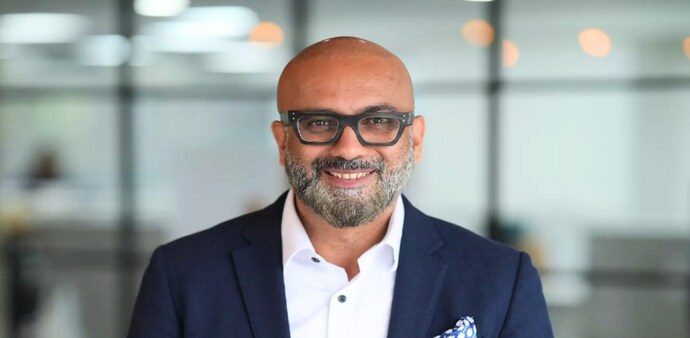
Himanshu Kohli, Co-founder of Client Associates, shares how high-net-worth individuals (HNIs) and ultra-HNIs (UHNIs) in India are navigating today’s market uncertainties, evolving investment preferences, and embracing both traditional and modern asset classes
- Jul 29, 2025,
- Updated Jul 29, 2025 4:57 PM IST
Amid rising inflation, global tensions, and market volatility, wealthy investors in India are changing how they manage their money. In this exclusive conversation with BT, Himanshu Kohli, Co-founder of Client Associates, shares how high-net-worth individuals (HNIs) and ultra-HNIs (UHNIs) in India are navigating today’s market uncertainties, evolving investment preferences, and embracing both traditional and modern asset classes. He also shares insights on the growing role of family offices, the popularity of luxury real estate, and how investors are planning for long-term wealth. Edited excerpts:
Q: With global uncertainty—ranging from inflation to geopolitical tensions—how do you currently view India as an investment destination for HNIs?
Himanshu Kohli: Despite global turmoil from inflation, tariffs, and geopolitical instability, India stands out as a strong long-term investment opportunity. Investors with a long-term horizon can benefit from India’s macroeconomic and microeconomic strength. Over the next decade, Indian equities could potentially deliver double-digit compounded returns.
Short-term investors, especially those looking at horizons under five years, may face higher volatility. But India’s fundamentals—fiscal discipline, manageable inflation, controlled deficits, and a stable currency—remain supportive. With RBI easing rates, leveraged companies stand to gain, which can uplift equity markets. Our internal model even shows a 5% undervaluation in equities right now, indicating a favourable time to consider exposure.
Moreover, the entrepreneurial ecosystem in India continues to thrive. Concerns around corporate governance are being gradually addressed, especially as institutional investors enter the fray and bring stronger practices. This trend is vital for long-term wealth creation and sustainable growth.
Q: Are Indian HNIs and UHNIs changing how they invest amid high interest rates and market volatility?
Kohli: Yes, and the shift has been significant. Earlier, volatility would trigger panic and withdrawals. Now, HNIs see it as a buying opportunity. They have become more mature in their approach towards investments and become more strategic in building long-term portfolios. Notably, both foreign and domestic investors are actively participating. In June 2025 alone, FIIs bought equities worth Rs 14,590 crore, while DIIs purchased Rs 45,519 crore. This confidence is encouraging.
On the fixed income side, high interest rates are seen as opportunities too. If rates ease in the future, bond yields could fall, leading to capital gains in debt portfolios. So, HNIs are not shying away from volatility—they are embracing it with a strategic mindset.
Q: Family offices are gaining popularity. What are the major shifts you see in how they operate and invest today?
Kohli: The family office ecosystem in India is growing rapidly—nearly one new family office emerges every week. This trend has picked up over the past 3–5 years as HNIs unlock value from traditional businesses via IPOs, strategic exits, or PE deals. Today, these families are investing their surplus wealth into diversified portfolios—not just equities and fixed income, but also alternates, real estate, and global markets. Family offices are being used as structured vehicles to curate long-term, growth-oriented portfolios. It’s a more institutional and disciplined approach to personal wealth.
Q: What is your 12–18-month outlook for Indian equities?
Kohli: It is very difficult to predict the short-term movement of the market. We believe that over the next twelve to eighteen months, there is a high probability that markets will deliver positive returns. During this time frame, we expect a mean annual return of 12% per annum from equities. However, it is important to note that over a short time period, typically 1 to 2 years, the range of returns can vary significantly, ranging from a positive 30% to a negative 20%.
Q: Which sectors are poised for strong long-term growth in your view?
Kohli: Sectors like consumer discretionary, healthcare, banking, and infrastructure are promising. Government initiatives and private investment in these areas are creating vibrant opportunities. These sectors offer both short-term momentum and long-term structural growth.
Q: How are wealthy investors balancing risk and return in today’s complex markets?
Kohli: Diversification is the key strategy. HNIs are investing across geographies and asset classes—including public equities, private markets, real estate, and even private credit. This approach ensures their portfolios are resilient and not overly reliant on any single asset class.
They’re also increasingly investing in REITs and InvITs for real estate exposure, along with traditional property investments. This broad diversification helps manage risk while optimizing returns.
Q: Are new-age options like private equity, startups, and international markets becoming mainstream among wealthy investors?
Kohli: Definitely. We’re seeing growing interest in alternates and global assets. Traditionally, portfolios focused on business income, gold, and property. But today, with larger portfolios, HNIs are turning to international investments, unlisted equities, and startup ecosystems.
There’s a psychological shift too—business is increasingly seen as just another asset class rather than an identity. This allows for a more rational, disciplined investment approach. It also fosters professionalization, which boosts long-term value creation.
Q: Is real estate still a significant part of wealthy investors’ portfolios, especially with changing interest rates and property cycles?
Kohli: The property cycle has performed exceptionally well in India, especially in the luxury segment. In the last two years, we have observed that many of the HNIs have unlocked their values in businesses and are investing the surplus in luxurious properties. The luxury properties being launched are fully subscribed, and this vast liquidity provided by the HNI & UHNI segments is leading to a massive price appreciation for these kinds of apartments.
Earlier, property was considered as the main asset class, but it has now emerged as one of the main asset classes in the core portfolio. If interest rates come down, then the cost of borrowing will also decline, which will positively impact the real estate market. Lower yields in real estate could also lead to rentals being converted into EMIs, potentially increasing demand for properties and, in this way, leading to positive momentum in the sector.
Q: Are new-age investment options like start-ups, private credit, and unlisted shares becoming more mainstream among the UHNIs?
Kohli: HNIs/UHNIs are still building new-age investment options, such as startups, private credit, and unlisted shares, as satellite portfolios. There is a small percentage of this client segment with immense knowledge and conviction who have begun to include these as a part of their core portfolio. This percentage is likely to be in single digits.
However, a large portion of these clients remain in the knowledge accumulation stage, and they have not developed a firm conviction on these investment options. Therefore, they continue to treat these investments as part of their satellite portfolios rather than incorporating them into their core portfolios.
Q: With growing competition and technology in wealth management, what separates the best firms from the rest?
Kohli: The best firms have one thing in common: a client-first, advisory-driven approach. Instead of chasing commissions, they focus on what’s best for the client. These firms act more like trusted advisors or even private CFOs—offering customized advice across asset classes.
As more players enter this space, competition is increasing, and technology is being used to enhance efficiency and improve outcomes for clients. Although technological advancements help improve productivity and performance, human capital remains a critical component
Amid rising inflation, global tensions, and market volatility, wealthy investors in India are changing how they manage their money. In this exclusive conversation with BT, Himanshu Kohli, Co-founder of Client Associates, shares how high-net-worth individuals (HNIs) and ultra-HNIs (UHNIs) in India are navigating today’s market uncertainties, evolving investment preferences, and embracing both traditional and modern asset classes. He also shares insights on the growing role of family offices, the popularity of luxury real estate, and how investors are planning for long-term wealth. Edited excerpts:
Q: With global uncertainty—ranging from inflation to geopolitical tensions—how do you currently view India as an investment destination for HNIs?
Himanshu Kohli: Despite global turmoil from inflation, tariffs, and geopolitical instability, India stands out as a strong long-term investment opportunity. Investors with a long-term horizon can benefit from India’s macroeconomic and microeconomic strength. Over the next decade, Indian equities could potentially deliver double-digit compounded returns.
Short-term investors, especially those looking at horizons under five years, may face higher volatility. But India’s fundamentals—fiscal discipline, manageable inflation, controlled deficits, and a stable currency—remain supportive. With RBI easing rates, leveraged companies stand to gain, which can uplift equity markets. Our internal model even shows a 5% undervaluation in equities right now, indicating a favourable time to consider exposure.
Moreover, the entrepreneurial ecosystem in India continues to thrive. Concerns around corporate governance are being gradually addressed, especially as institutional investors enter the fray and bring stronger practices. This trend is vital for long-term wealth creation and sustainable growth.
Q: Are Indian HNIs and UHNIs changing how they invest amid high interest rates and market volatility?
Kohli: Yes, and the shift has been significant. Earlier, volatility would trigger panic and withdrawals. Now, HNIs see it as a buying opportunity. They have become more mature in their approach towards investments and become more strategic in building long-term portfolios. Notably, both foreign and domestic investors are actively participating. In June 2025 alone, FIIs bought equities worth Rs 14,590 crore, while DIIs purchased Rs 45,519 crore. This confidence is encouraging.
On the fixed income side, high interest rates are seen as opportunities too. If rates ease in the future, bond yields could fall, leading to capital gains in debt portfolios. So, HNIs are not shying away from volatility—they are embracing it with a strategic mindset.
Q: Family offices are gaining popularity. What are the major shifts you see in how they operate and invest today?
Kohli: The family office ecosystem in India is growing rapidly—nearly one new family office emerges every week. This trend has picked up over the past 3–5 years as HNIs unlock value from traditional businesses via IPOs, strategic exits, or PE deals. Today, these families are investing their surplus wealth into diversified portfolios—not just equities and fixed income, but also alternates, real estate, and global markets. Family offices are being used as structured vehicles to curate long-term, growth-oriented portfolios. It’s a more institutional and disciplined approach to personal wealth.
Q: What is your 12–18-month outlook for Indian equities?
Kohli: It is very difficult to predict the short-term movement of the market. We believe that over the next twelve to eighteen months, there is a high probability that markets will deliver positive returns. During this time frame, we expect a mean annual return of 12% per annum from equities. However, it is important to note that over a short time period, typically 1 to 2 years, the range of returns can vary significantly, ranging from a positive 30% to a negative 20%.
Q: Which sectors are poised for strong long-term growth in your view?
Kohli: Sectors like consumer discretionary, healthcare, banking, and infrastructure are promising. Government initiatives and private investment in these areas are creating vibrant opportunities. These sectors offer both short-term momentum and long-term structural growth.
Q: How are wealthy investors balancing risk and return in today’s complex markets?
Kohli: Diversification is the key strategy. HNIs are investing across geographies and asset classes—including public equities, private markets, real estate, and even private credit. This approach ensures their portfolios are resilient and not overly reliant on any single asset class.
They’re also increasingly investing in REITs and InvITs for real estate exposure, along with traditional property investments. This broad diversification helps manage risk while optimizing returns.
Q: Are new-age options like private equity, startups, and international markets becoming mainstream among wealthy investors?
Kohli: Definitely. We’re seeing growing interest in alternates and global assets. Traditionally, portfolios focused on business income, gold, and property. But today, with larger portfolios, HNIs are turning to international investments, unlisted equities, and startup ecosystems.
There’s a psychological shift too—business is increasingly seen as just another asset class rather than an identity. This allows for a more rational, disciplined investment approach. It also fosters professionalization, which boosts long-term value creation.
Q: Is real estate still a significant part of wealthy investors’ portfolios, especially with changing interest rates and property cycles?
Kohli: The property cycle has performed exceptionally well in India, especially in the luxury segment. In the last two years, we have observed that many of the HNIs have unlocked their values in businesses and are investing the surplus in luxurious properties. The luxury properties being launched are fully subscribed, and this vast liquidity provided by the HNI & UHNI segments is leading to a massive price appreciation for these kinds of apartments.
Earlier, property was considered as the main asset class, but it has now emerged as one of the main asset classes in the core portfolio. If interest rates come down, then the cost of borrowing will also decline, which will positively impact the real estate market. Lower yields in real estate could also lead to rentals being converted into EMIs, potentially increasing demand for properties and, in this way, leading to positive momentum in the sector.
Q: Are new-age investment options like start-ups, private credit, and unlisted shares becoming more mainstream among the UHNIs?
Kohli: HNIs/UHNIs are still building new-age investment options, such as startups, private credit, and unlisted shares, as satellite portfolios. There is a small percentage of this client segment with immense knowledge and conviction who have begun to include these as a part of their core portfolio. This percentage is likely to be in single digits.
However, a large portion of these clients remain in the knowledge accumulation stage, and they have not developed a firm conviction on these investment options. Therefore, they continue to treat these investments as part of their satellite portfolios rather than incorporating them into their core portfolios.
Q: With growing competition and technology in wealth management, what separates the best firms from the rest?
Kohli: The best firms have one thing in common: a client-first, advisory-driven approach. Instead of chasing commissions, they focus on what’s best for the client. These firms act more like trusted advisors or even private CFOs—offering customized advice across asset classes.
As more players enter this space, competition is increasing, and technology is being used to enhance efficiency and improve outcomes for clients. Although technological advancements help improve productivity and performance, human capital remains a critical component