
Silver price surge: Expert breaks down wild rally and why investors should be careful
Kirttan explained that when people buy silver through an ETF, the fund usually has to purchase real physical silver in the backend.
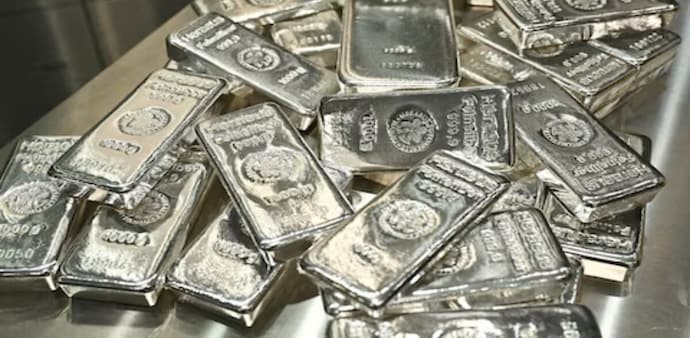
- Jan 27, 2026,
- Updated Jan 27, 2026 5:07 PM IST
Silver prices registered a sharp surge in today’s session, with MCX silver decisively breaching the ₹3.6 lakh per kg milestone. The contract opened on a firm note at ₹3,39,824 per kg, compared with the previous close of ₹3,34,699. As the session progressed, prices rallied strongly to hit a fresh lifetime high of ₹3,64,820 per kg. At the latest count, MCX silver was trading at ₹3,63,613 per kg, up 8.64 per cent on the day.
The rally reflects an extraordinary upswing in global silver prices over the past year. Silver has climbed from around $30 per ounce in January 2025 to nearly $111 per ounce in January 2026, marking a staggering 270 per cent increase in just 12 months. The momentum has continued into 2026, with prices already up about 50 per cent year-to-date.
So far in January, silver prices have gained nearly 18 per cent, supported by accelerating safe-haven demand amid global economic and geopolitical uncertainties. The combination of constrained supply, robust industrial usage and heightened risk aversion has reinforced bullish sentiment for the white metal, keeping silver firmly on an upward trajectory in both domestic and international markets.
Explaining the recent surge in prices, Kirttan Shah, Co-Founder of FPA Edutech and Founder of Truvanta Wealth, cautioned investors about the risks of chasing the rally during a podcast with entrepreneur Raj Shamani.
“Media commentary generally says that silver is going up because the requirement for silver has increased significantly. Why? Because AI needs silver, semiconductors need silver, solar needs silver, batteries need silver—everything needs silver,” Shah said. However, he cautioned that silver is largely a by-product of other mining activities such as zinc, meaning supply cannot be ramped up quickly.
Shah referred to a Silver Institute report released on November 15, 2025. According to the report, silver demand from industrial users and miners fell by 4 per cent, while silver demand in the ETF market surged 225 per cent. “What is the ETF market? Investment demand,” Shah explained.
He outlined two key drivers of rising silver prices. The first is genuine industrial demand from companies involved in batteries, technology and manufacturing, which stockpile silver to ensure uninterrupted production. “That’s industrial demand,” Shah said.
The second driver, he noted, is investment demand. Shah explained that when investors buy silver through exchange-traded funds (ETFs), the funds typically purchase physical silver in the backend. As a result, rising ETF inflows directly increase demand for physical silver.
He added that silver ETF demand over the last 90 days has doubled, while inverse ETF positions—bets that silver prices will fall—are nearly five times higher than normal. This has forced short-sellers to buy silver to cover losses, further pushing prices higher. Shah described the situation as “madness.”
Despite the rally, Shah warned investors of silver’s downside risks. “Silver has a history—when it falls, it can wipe out 80–90 per cent of its value, and this has happened twice in history. While I may hold my positions, I would not buy new silver at these prices today,” he said.
He concluded that while industrial demand exists, the current surge is largely investment-driven. “It’s more bubble demand than genuine industrial demand. Investors need to be very careful with silver as an instrument,” Shah added.
Silver prices registered a sharp surge in today’s session, with MCX silver decisively breaching the ₹3.6 lakh per kg milestone. The contract opened on a firm note at ₹3,39,824 per kg, compared with the previous close of ₹3,34,699. As the session progressed, prices rallied strongly to hit a fresh lifetime high of ₹3,64,820 per kg. At the latest count, MCX silver was trading at ₹3,63,613 per kg, up 8.64 per cent on the day.
The rally reflects an extraordinary upswing in global silver prices over the past year. Silver has climbed from around $30 per ounce in January 2025 to nearly $111 per ounce in January 2026, marking a staggering 270 per cent increase in just 12 months. The momentum has continued into 2026, with prices already up about 50 per cent year-to-date.
So far in January, silver prices have gained nearly 18 per cent, supported by accelerating safe-haven demand amid global economic and geopolitical uncertainties. The combination of constrained supply, robust industrial usage and heightened risk aversion has reinforced bullish sentiment for the white metal, keeping silver firmly on an upward trajectory in both domestic and international markets.
Explaining the recent surge in prices, Kirttan Shah, Co-Founder of FPA Edutech and Founder of Truvanta Wealth, cautioned investors about the risks of chasing the rally during a podcast with entrepreneur Raj Shamani.
“Media commentary generally says that silver is going up because the requirement for silver has increased significantly. Why? Because AI needs silver, semiconductors need silver, solar needs silver, batteries need silver—everything needs silver,” Shah said. However, he cautioned that silver is largely a by-product of other mining activities such as zinc, meaning supply cannot be ramped up quickly.
Shah referred to a Silver Institute report released on November 15, 2025. According to the report, silver demand from industrial users and miners fell by 4 per cent, while silver demand in the ETF market surged 225 per cent. “What is the ETF market? Investment demand,” Shah explained.
He outlined two key drivers of rising silver prices. The first is genuine industrial demand from companies involved in batteries, technology and manufacturing, which stockpile silver to ensure uninterrupted production. “That’s industrial demand,” Shah said.
The second driver, he noted, is investment demand. Shah explained that when investors buy silver through exchange-traded funds (ETFs), the funds typically purchase physical silver in the backend. As a result, rising ETF inflows directly increase demand for physical silver.
He added that silver ETF demand over the last 90 days has doubled, while inverse ETF positions—bets that silver prices will fall—are nearly five times higher than normal. This has forced short-sellers to buy silver to cover losses, further pushing prices higher. Shah described the situation as “madness.”
Despite the rally, Shah warned investors of silver’s downside risks. “Silver has a history—when it falls, it can wipe out 80–90 per cent of its value, and this has happened twice in history. While I may hold my positions, I would not buy new silver at these prices today,” he said.
He concluded that while industrial demand exists, the current surge is largely investment-driven. “It’s more bubble demand than genuine industrial demand. Investors need to be very careful with silver as an instrument,” Shah added.