
Silver shines bright: Prices hit decade-high as demand surges ahead of festive season, imports face curbs
The white metal touched close to $44 an ounce in international markets and Rs 134,089 per kilogram (kg) in domestic markets — its highest return in a decade. By comparison, gold has risen about 49 per cent to Rs 113,129 per 10 grams, underscoring silver’s sharper rally.
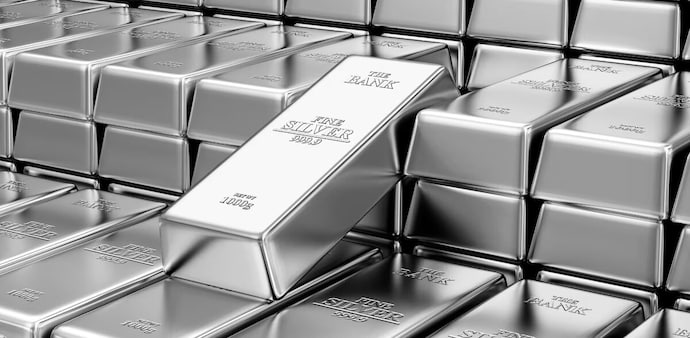
- Sep 25, 2025,
- Updated Sep 25, 2025 1:42 PM IST
Silver has emerged as the standout performer in global commodities this year, with prices soaring nearly 56 per cent in calendar year 2025 (CY25). The white metal touched close to $44 an ounce in international markets and Rs 134,089 per kilogram (kg) in domestic markets — its highest return in a decade. By comparison, gold has risen about 49 per cent to Rs 113,129 per 10 grams, underscoring silver’s sharper rally.
The last time silver posted such robust gains was in 2020, when prices surged 44 per cent to Rs 67,383/kg in India. Gold then advanced 27.9 per cent year-on-year to Rs 50,001/10 grams.
Demand and supply dynamics
Silver prices have shown similar strength as gold, thanks to demand from industrial and ornamental uses, as well as a collapse in global supplies. In India, the current price is approximately Rs 135,267 per kilogram, reflecting a noticeable increase from levels earlier this month.
“The rally has been supported by a combination of factors, including pressure from currency moves, strengthening international silver benchmarks, and more domestic purchases as buying surged on the potential for further increases. Nevertheless, silver is usually more volatile than gold; it is always possible that an unexpected drop in global industrial demand or two or three negative macroeconomic reports could create a short-term correction. All of the prevailing conditions suggest that silver should remain generally firm in the near term,” said Aksha Kamboj, Vice President, India Bullion & Jewellers Association (IBJA) and Executive Chairperson, Aspect Global Ventures.
Industrial demand drives rally
Analysts attribute silver’s sustained rally to a structural shift in demand patterns over the past five years. Between 2010 and 2020, the market experienced weak demand and oversupply, resulting in subdued prices. However, industrial demand began accelerating from 2021, particularly from renewable energy, electric vehicles (EVs), and electronics.
According to Nomura, global industrial demand for silver hit a record 680.5 million ounces (Moz) in 2024, lifting total demand to 1,164.1Moz against a supply of just 1,015.1Moz. This resulted in a market deficit of 148.9Moz. Above-ground inventories also shrank sharply, falling from 22 months of supply in December 2020 to 13 months by the end of 2023.
China’s aggressive adoption of N-type solar cells, which use more silver, has been a key driver of demand. At the same time, analysts highlight that the gold-to-silver ratio — now at 84 — signals silver remains undervalued compared to gold, adding to its investment appeal.
“Industry projections suggest known reserves could be exhausted by 2050 if the current pace of consumption continues,” noted Gareth Nicholson, chief investment officer at Nomura. “Silver’s dual role as an industrial commodity and a hedge against uncertainty makes it increasingly attractive.”
Technical outlook
While momentum has lifted prices close to the crucial $50/oz resistance mark, Nomura cautioned about a possible near-term pullback. Any dips, however, could provide investors with attractive entry points. Julius Baer’s Mensur Pocinci sees silver advancing to $52–$58, while SAMCO Securities’ analyst Jahol Prajapati pegs Rs 150,000/kg as the next target in domestic markets.
“Silver is no longer just about safe-haven demand — it is being redefined as an industrial powerhouse,” Prajapati said.
Import restrictions
Amid this backdrop, the Directorate General of Foreign Trade (DGFT) on September 24, 2025, moved to restrict imports of plain silver jewellery unless expressly authorised. The step, notified through Notification No. 34/2025-26, aims to curb misuse of India’s Free Trade Agreements (FTAs).
Imports of silver jewellery from Thailand — the main source — surged 330 per cent year-on-year to $219 million in April–June 2025. In July alone, these imports jumped nearly 288 per cent to $142.7 million.
“The imports circumventing FTAs were hurting domestic manufacturers and employment in the sector,” the Commerce Ministry said, adding that the new framework would provide a level playing field to local jewellers and safeguard livelihoods.
With surging global demand, tightening supplies, expert bullish calls, and fresh trade curbs, silver looks poised to remain in the spotlight as both a strategic commodity and a wealth hedge in the months ahead.
Silver has emerged as the standout performer in global commodities this year, with prices soaring nearly 56 per cent in calendar year 2025 (CY25). The white metal touched close to $44 an ounce in international markets and Rs 134,089 per kilogram (kg) in domestic markets — its highest return in a decade. By comparison, gold has risen about 49 per cent to Rs 113,129 per 10 grams, underscoring silver’s sharper rally.
The last time silver posted such robust gains was in 2020, when prices surged 44 per cent to Rs 67,383/kg in India. Gold then advanced 27.9 per cent year-on-year to Rs 50,001/10 grams.
Demand and supply dynamics
Silver prices have shown similar strength as gold, thanks to demand from industrial and ornamental uses, as well as a collapse in global supplies. In India, the current price is approximately Rs 135,267 per kilogram, reflecting a noticeable increase from levels earlier this month.
“The rally has been supported by a combination of factors, including pressure from currency moves, strengthening international silver benchmarks, and more domestic purchases as buying surged on the potential for further increases. Nevertheless, silver is usually more volatile than gold; it is always possible that an unexpected drop in global industrial demand or two or three negative macroeconomic reports could create a short-term correction. All of the prevailing conditions suggest that silver should remain generally firm in the near term,” said Aksha Kamboj, Vice President, India Bullion & Jewellers Association (IBJA) and Executive Chairperson, Aspect Global Ventures.
Industrial demand drives rally
Analysts attribute silver’s sustained rally to a structural shift in demand patterns over the past five years. Between 2010 and 2020, the market experienced weak demand and oversupply, resulting in subdued prices. However, industrial demand began accelerating from 2021, particularly from renewable energy, electric vehicles (EVs), and electronics.
According to Nomura, global industrial demand for silver hit a record 680.5 million ounces (Moz) in 2024, lifting total demand to 1,164.1Moz against a supply of just 1,015.1Moz. This resulted in a market deficit of 148.9Moz. Above-ground inventories also shrank sharply, falling from 22 months of supply in December 2020 to 13 months by the end of 2023.
China’s aggressive adoption of N-type solar cells, which use more silver, has been a key driver of demand. At the same time, analysts highlight that the gold-to-silver ratio — now at 84 — signals silver remains undervalued compared to gold, adding to its investment appeal.
“Industry projections suggest known reserves could be exhausted by 2050 if the current pace of consumption continues,” noted Gareth Nicholson, chief investment officer at Nomura. “Silver’s dual role as an industrial commodity and a hedge against uncertainty makes it increasingly attractive.”
Technical outlook
While momentum has lifted prices close to the crucial $50/oz resistance mark, Nomura cautioned about a possible near-term pullback. Any dips, however, could provide investors with attractive entry points. Julius Baer’s Mensur Pocinci sees silver advancing to $52–$58, while SAMCO Securities’ analyst Jahol Prajapati pegs Rs 150,000/kg as the next target in domestic markets.
“Silver is no longer just about safe-haven demand — it is being redefined as an industrial powerhouse,” Prajapati said.
Import restrictions
Amid this backdrop, the Directorate General of Foreign Trade (DGFT) on September 24, 2025, moved to restrict imports of plain silver jewellery unless expressly authorised. The step, notified through Notification No. 34/2025-26, aims to curb misuse of India’s Free Trade Agreements (FTAs).
Imports of silver jewellery from Thailand — the main source — surged 330 per cent year-on-year to $219 million in April–June 2025. In July alone, these imports jumped nearly 288 per cent to $142.7 million.
“The imports circumventing FTAs were hurting domestic manufacturers and employment in the sector,” the Commerce Ministry said, adding that the new framework would provide a level playing field to local jewellers and safeguard livelihoods.
With surging global demand, tightening supplies, expert bullish calls, and fresh trade curbs, silver looks poised to remain in the spotlight as both a strategic commodity and a wealth hedge in the months ahead.