
Aadhaar not mandatory for ESIC benefits, benefits to continue without it, says Labour ministry
ESIC can now use Aadhaar authentication to verify beneficiary identities, aiming to streamline social security benefit delivery and improve transparency. The process remains optional, with alternative ID proofs accepted for those who choose not to link Aadhaar.
- Aug 22, 2025,
- Updated Aug 22, 2025 2:28 PM IST
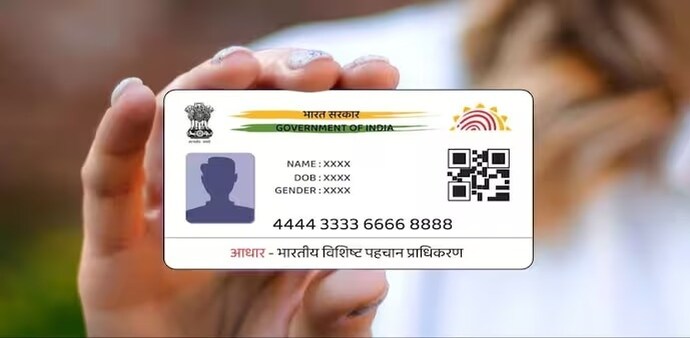
The Employees’ State Insurance Corporation (ESIC) has clarified that Aadhaar-based authentication for insured persons and their families will remain optional. Beneficiaries under the Employees’ State Insurance (ESI) scheme will continue to receive medical and cash benefits even without Aadhaar authentication.
A statutory body under the Ministry of Labour and Employment, ESIC provides health insurance and social security to organised sector workers, covering medical care, sickness, maternity, disablement, and dependents’ pensions.
The Labour Ministry stated that Aadhaar authentication has been introduced to simplify the delivery of benefits and reduce paperwork. However, ESIC confirmed that access to entitlements will not be restricted in its absence.
In a written reply to the Lok Sabha, the ministry highlighted other steps to expand ESIC services. These include partnerships with Ayushman Bharat–Pradhan Mantri Jan Arogya Yojana (PMJAY) hospitals for secondary and tertiary care, higher compensation rates for permanent disablement and dependents, and a new online portal for insured persons and women to submit cash benefit claims digitally.
The ministry emphasized that Aadhaar authentication will remain optional. Beneficiaries who choose not to authenticate via Aadhaar will not be denied ESIC benefits. In such cases, ESIC can accept alternative identity proofs, including passports, PAN cards, or driving licences.
The official notification, issued on August 19, 2025, states: “ESIC is permitted to perform authentication using the Aadhaar number to establish the identity of the Aadhaar holder under rule 5 of the relevant rules and sub-clause (ii) of clause (b) of sub-section (4) of section 4 of the Aadhaar Act, 2016.” The notification also requires ESIC to obtain prior consent from Aadhaar holders before conducting authentication. It comes into force immediately upon publication in the Official Gazette.
ESIC has been steadily working to expand and enhance its services, especially in delivering high-quality medical care to beneficiaries. Aadhaar authentication is expected to streamline processes, reduce paperwork, and ensure that social security benefits reach legitimate recipients efficiently. By using Aadhaar, the system can simplify verification, reduce duplication of documents, and strengthen governance while minimizing delays in benefit disbursal.
The notification underlines that Aadhaar authentication is particularly intended for digital platforms, ensuring proper delivery of benefits and preventing misuse of social welfare schemes.
In a related development, ESIC has launched the Scheme for Promotion of Registration of Employers and Employees (SPREE) 2025, running from July 1 to December 31, 2025. This scheme encourages employers and employees not yet covered under the ESI Act to register digitally through the ESIC and Shram Suvidha portals. Registration is effective from the date declared by the employer, with no retroactive contributions or benefits, and no inspections of pre-registration records.
Additionally, ESIC has introduced the Amnesty Scheme 2025, a one-time dispute resolution window from October 1, 2025, to September 30, 2026, aimed at reducing litigation and improving compliance under the ESI Act, 1948. These initiatives collectively reflect ESIC’s ongoing efforts to broaden coverage, improve compliance, and deliver social security benefits efficiently while safeguarding the rights of all beneficiaries. They also demonstrate the government’s focus on leveraging technology to make social welfare more accessible and accountable.
The Employees’ State Insurance Corporation (ESIC) has clarified that Aadhaar-based authentication for insured persons and their families will remain optional. Beneficiaries under the Employees’ State Insurance (ESI) scheme will continue to receive medical and cash benefits even without Aadhaar authentication.
A statutory body under the Ministry of Labour and Employment, ESIC provides health insurance and social security to organised sector workers, covering medical care, sickness, maternity, disablement, and dependents’ pensions.
The Labour Ministry stated that Aadhaar authentication has been introduced to simplify the delivery of benefits and reduce paperwork. However, ESIC confirmed that access to entitlements will not be restricted in its absence.
In a written reply to the Lok Sabha, the ministry highlighted other steps to expand ESIC services. These include partnerships with Ayushman Bharat–Pradhan Mantri Jan Arogya Yojana (PMJAY) hospitals for secondary and tertiary care, higher compensation rates for permanent disablement and dependents, and a new online portal for insured persons and women to submit cash benefit claims digitally.
The ministry emphasized that Aadhaar authentication will remain optional. Beneficiaries who choose not to authenticate via Aadhaar will not be denied ESIC benefits. In such cases, ESIC can accept alternative identity proofs, including passports, PAN cards, or driving licences.
The official notification, issued on August 19, 2025, states: “ESIC is permitted to perform authentication using the Aadhaar number to establish the identity of the Aadhaar holder under rule 5 of the relevant rules and sub-clause (ii) of clause (b) of sub-section (4) of section 4 of the Aadhaar Act, 2016.” The notification also requires ESIC to obtain prior consent from Aadhaar holders before conducting authentication. It comes into force immediately upon publication in the Official Gazette.
ESIC has been steadily working to expand and enhance its services, especially in delivering high-quality medical care to beneficiaries. Aadhaar authentication is expected to streamline processes, reduce paperwork, and ensure that social security benefits reach legitimate recipients efficiently. By using Aadhaar, the system can simplify verification, reduce duplication of documents, and strengthen governance while minimizing delays in benefit disbursal.
The notification underlines that Aadhaar authentication is particularly intended for digital platforms, ensuring proper delivery of benefits and preventing misuse of social welfare schemes.
In a related development, ESIC has launched the Scheme for Promotion of Registration of Employers and Employees (SPREE) 2025, running from July 1 to December 31, 2025. This scheme encourages employers and employees not yet covered under the ESI Act to register digitally through the ESIC and Shram Suvidha portals. Registration is effective from the date declared by the employer, with no retroactive contributions or benefits, and no inspections of pre-registration records.
Additionally, ESIC has introduced the Amnesty Scheme 2025, a one-time dispute resolution window from October 1, 2025, to September 30, 2026, aimed at reducing litigation and improving compliance under the ESI Act, 1948. These initiatives collectively reflect ESIC’s ongoing efforts to broaden coverage, improve compliance, and deliver social security benefits efficiently while safeguarding the rights of all beneficiaries. They also demonstrate the government’s focus on leveraging technology to make social welfare more accessible and accountable.