
Degrees, EMIs & SUVs: India’s middle class isn’t poor, it’s trapped in a costly definition of ‘normal’
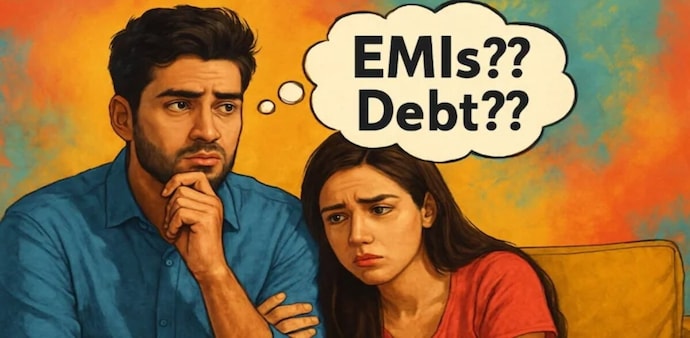
The paradox is familiar to millions of urban Indians. Pay slips look respectable, promotions arrive on time, yet savings never seem to grow meaningfully.
- Jan 17, 2026,
- Updated Jan 17, 2026 8:08 PM IST
For decades, India’s middle class has followed a familiar roadmap to success: get a reputed degree, secure a stable job, buy a house early, and upgrade to a shiny new car as income rises. It is a script passed down through generations — well-intentioned, reassuring, and deeply entrenched.
But in 2026, that idea of a “normal life” may be doing more financial harm than good.
Chartered Accountant Nitin Kaushik recently sparked a debate on X (formally twitter) by calling out what he describes as a quiet but dangerous illusion. “Normal is a trap that keeps the Indian middle class broke,” he wrote, arguing that blindly following traditional milestones often leads to chronic cash stress, despite steady salaries.
Earning well, yet always stuck
The paradox is familiar to millions of urban Indians. Pay slips look respectable, promotions arrive on time, yet savings never seem to grow meaningfully. EMIs, insurance premiums, lifestyle upgrades, and rising costs leave little room to breathe.
According to Kaushik, the problem isn’t low income alone — it’s outdated financial decisions made early and locked in for decades. “If you feel like you’re earning well but your bank balance is always stuck, it’s time to stop doing what’s expected and start doing what’s smart,” he noted.
Degree debt problem
Education has long been treated as a sacred investment in Indian households. Families stretch finances, liquidate savings, and take on large loans to secure degrees from brand-name institutions, often without questioning the financial return.
In many cases, education loans carry interest rates of 10-12%. For students graduating with ₹20-25 lakh in debt and starting salaries of ₹35,000-₹45,000 per month, the numbers rarely add up.
“If you take a ₹25 lakh loan for a general degree and start at ₹40,000 per month, you’re not investing,” Kaushik pointed out. “You’re starting adult life in a financial hole.”
The shift in the job market has only widened this gap. In 2026, employers are increasingly rewarding specialised, job-ready skills over traditional credentials. Certifications in areas such as artificial intelligence, cybersecurity, cloud computing, and data accounting are often delivering significantly higher returns on investment — sometimes at a fraction of the cost of conventional degrees.
The lesson, experts say, is not to abandon education, but to evaluate it like any other financial decision: cost, risk, and expected return.
Car that drains wealth
Another powerful symbol of “making it” in middle-class India is the first big car upgrade. A new SUV or sedan after a promotion often feels like a reward for years of hard work.
Yet financially, it is one of the fastest ways to leak wealth.
The moment a new car leaves the showroom, roughly 15% of its value evaporates. Over five years, depreciation alone can wipe out nearly half its original price. Add to that a 9-10% car loan, insurance, fuel, and maintenance, and the real cost runs into several lakhs.
“That’s money quietly burned,” Kaushik warned — capital that could otherwise compound steadily in long-term investments like index funds.
His rule of thumb is blunt: if you cannot put down at least 50% upfront, you cannot afford the car. A two-year-old certified pre-owned vehicle, he argues, delivers the same utility without destroying future cash flow.
Redefining 'success' in 2026
The deeper issue, analysts say, is social pressure. Many financial decisions are driven less by logic and more by expectations — of parents, relatives, neighbours, or colleagues. Owning a house early, driving a new car, or attending a prestigious college often signals stability, even if it comes at the cost of long-term financial health.
As incomes struggle to keep pace with inflation and urban living costs, the definition of success is quietly changing. Delayed gratification, flexible career paths, skill-based education, and capital preservation are becoming more important than ticking traditional boxes.
For decades, India’s middle class has followed a familiar roadmap to success: get a reputed degree, secure a stable job, buy a house early, and upgrade to a shiny new car as income rises. It is a script passed down through generations — well-intentioned, reassuring, and deeply entrenched.
But in 2026, that idea of a “normal life” may be doing more financial harm than good.
Chartered Accountant Nitin Kaushik recently sparked a debate on X (formally twitter) by calling out what he describes as a quiet but dangerous illusion. “Normal is a trap that keeps the Indian middle class broke,” he wrote, arguing that blindly following traditional milestones often leads to chronic cash stress, despite steady salaries.
Earning well, yet always stuck
The paradox is familiar to millions of urban Indians. Pay slips look respectable, promotions arrive on time, yet savings never seem to grow meaningfully. EMIs, insurance premiums, lifestyle upgrades, and rising costs leave little room to breathe.
According to Kaushik, the problem isn’t low income alone — it’s outdated financial decisions made early and locked in for decades. “If you feel like you’re earning well but your bank balance is always stuck, it’s time to stop doing what’s expected and start doing what’s smart,” he noted.
Degree debt problem
Education has long been treated as a sacred investment in Indian households. Families stretch finances, liquidate savings, and take on large loans to secure degrees from brand-name institutions, often without questioning the financial return.
In many cases, education loans carry interest rates of 10-12%. For students graduating with ₹20-25 lakh in debt and starting salaries of ₹35,000-₹45,000 per month, the numbers rarely add up.
“If you take a ₹25 lakh loan for a general degree and start at ₹40,000 per month, you’re not investing,” Kaushik pointed out. “You’re starting adult life in a financial hole.”
The shift in the job market has only widened this gap. In 2026, employers are increasingly rewarding specialised, job-ready skills over traditional credentials. Certifications in areas such as artificial intelligence, cybersecurity, cloud computing, and data accounting are often delivering significantly higher returns on investment — sometimes at a fraction of the cost of conventional degrees.
The lesson, experts say, is not to abandon education, but to evaluate it like any other financial decision: cost, risk, and expected return.
Car that drains wealth
Another powerful symbol of “making it” in middle-class India is the first big car upgrade. A new SUV or sedan after a promotion often feels like a reward for years of hard work.
Yet financially, it is one of the fastest ways to leak wealth.
The moment a new car leaves the showroom, roughly 15% of its value evaporates. Over five years, depreciation alone can wipe out nearly half its original price. Add to that a 9-10% car loan, insurance, fuel, and maintenance, and the real cost runs into several lakhs.
“That’s money quietly burned,” Kaushik warned — capital that could otherwise compound steadily in long-term investments like index funds.
His rule of thumb is blunt: if you cannot put down at least 50% upfront, you cannot afford the car. A two-year-old certified pre-owned vehicle, he argues, delivers the same utility without destroying future cash flow.
Redefining 'success' in 2026
The deeper issue, analysts say, is social pressure. Many financial decisions are driven less by logic and more by expectations — of parents, relatives, neighbours, or colleagues. Owning a house early, driving a new car, or attending a prestigious college often signals stability, even if it comes at the cost of long-term financial health.
As incomes struggle to keep pace with inflation and urban living costs, the definition of success is quietly changing. Delayed gratification, flexible career paths, skill-based education, and capital preservation are becoming more important than ticking traditional boxes.