
Gold slips below ₹1.6 lakh, silver falls despite Israel-Iran conflict fears; why bullion rally has paused now
On the Multi Commodity Exchange (MCX), gold futures for April 2026 delivery slipped about 0.3% to around ₹1,59,800 per 10 grams, while silver futures for May delivery fell nearly 0.7% to around ₹2,66,000–₹2,67,000 per kg during intraday trade.
- Mar 13, 2026,
- Updated Mar 13, 2026 2:18 PM IST
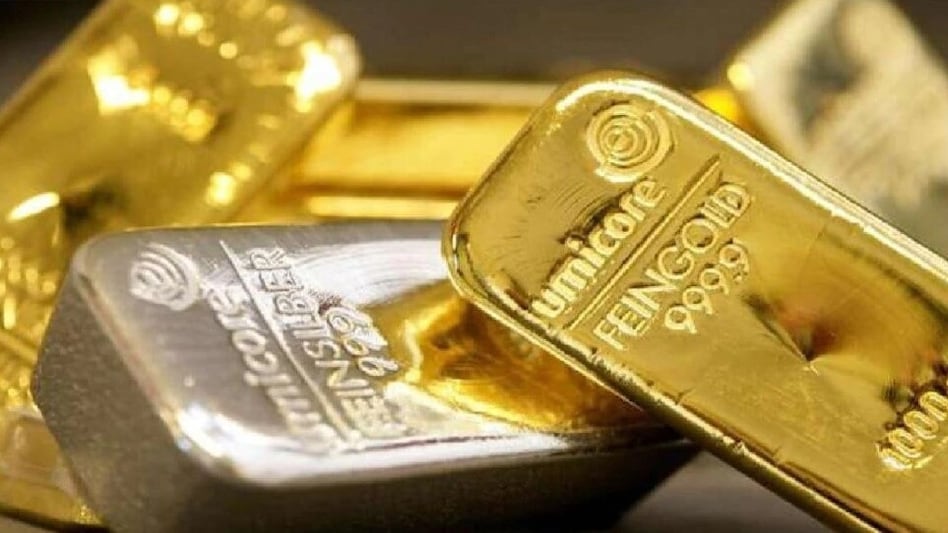
Gold and silver prices edged lower on March 13, even as geopolitical tensions in West Asia intensified, with analysts pointing to a stronger US dollar, rising bond yields and profit-booking after a sharp rally as key reasons behind the decline in precious metals.
On the Multi Commodity Exchange (MCX), gold futures for April 2026 delivery slipped about 0.3% to around ₹1,59,800 per 10 grams, while silver futures for May delivery fell nearly 0.7% to around ₹2,66,000–₹2,67,000 per kg during intraday trade. The decline comes after both metals had surged to record highs earlier this month amid safe-haven buying triggered by the Iran conflict and global market volatility.
In the international market, however, prices showed mild strength. Spot gold was trading above $5,100 per ounce, while spot silver hovered near $85 per ounce, indicating that the broader trend remains firm despite short-term consolidation.
Why gold and silver are falling
According to Manav Modi, Commodities Analyst at Motilal Oswal Financial Services, bullion prices are facing pressure due to the rise in the US dollar and bond yields, which typically reduce the appeal of non-interest-bearing assets like gold.
“Despite ongoing geopolitical uncertainty, bullion struggled to gain traction as a firmer dollar, rising yields, and uncertainty around the Federal Reserve’s policy outlook weighed on sentiment. Market volatility also led to some liquidation, as investors raised cash to meet margin calls,” he said.
Higher crude oil prices due to the Iran conflict have also raised inflation concerns, which in turn has strengthened expectations that global central banks, especially the US Federal Reserve, may keep interest rates elevated for longer.
Gaurav Garg, Research Analyst at Lemonn Markets Desk, said: "Gold prices are at $5,085.17 per ounce (approximately ₹1,51,118 per 10 grams), buoyed by ongoing geopolitical tensions and a weaker dollar, although the overall sentiment remains cautious due to fading hopes for interest rate cuts in the US. Silver, on the other hand, faced a decline of 1.31%, settling at $82.34 per ounce (around ₹2,44,696 per kg), as rising crude oil prices and strong inflation concerns overshadowed its appeal."
Short-term correction
Ponmudi R, CEO of Enrich Money, said gold is currently undergoing a corrective phase after the recent sharp rally driven by safe-haven demand.
“COMEX gold is trading above $5,100 after touching record highs, but the metal has entered short-term consolidation. Strong support is seen in the $5,000–$5,100 zone. As long as this level holds, the broader bullish structure remains intact,” he said.
On MCX, gold is moving in the ₹1,59,500–₹1,61,000 range, with strong support near ₹1,56,000–₹1,57,000. A breakout above ₹1,65,000 could revive momentum and push prices toward ₹1,75,000–₹1,80,000, he added.
Silver also in consolidation phase
Silver prices are also witnessing volatility after the recent surge. Ponmudi said COMEX silver is trading near $84, with strong support in the $76–$80 zone. A move above $90 could trigger fresh buying, supported by industrial demand and safe-haven flows.
On MCX, silver is holding above ₹2,60,000, which remains a key support level. A sustained move above ₹2,74,000 may lead to further upside, while a break below support could accelerate selling pressure.
Outlook
Analysts say the medium- to long-term outlook for gold and silver remains positive due to geopolitical risks, inflation concerns and central bank demand, but short-term movements may remain volatile as investors react to currency moves, interest-rate expectations and global market liquidity.
Gold and silver prices edged lower on March 13, even as geopolitical tensions in West Asia intensified, with analysts pointing to a stronger US dollar, rising bond yields and profit-booking after a sharp rally as key reasons behind the decline in precious metals.
On the Multi Commodity Exchange (MCX), gold futures for April 2026 delivery slipped about 0.3% to around ₹1,59,800 per 10 grams, while silver futures for May delivery fell nearly 0.7% to around ₹2,66,000–₹2,67,000 per kg during intraday trade. The decline comes after both metals had surged to record highs earlier this month amid safe-haven buying triggered by the Iran conflict and global market volatility.
In the international market, however, prices showed mild strength. Spot gold was trading above $5,100 per ounce, while spot silver hovered near $85 per ounce, indicating that the broader trend remains firm despite short-term consolidation.
Why gold and silver are falling
According to Manav Modi, Commodities Analyst at Motilal Oswal Financial Services, bullion prices are facing pressure due to the rise in the US dollar and bond yields, which typically reduce the appeal of non-interest-bearing assets like gold.
“Despite ongoing geopolitical uncertainty, bullion struggled to gain traction as a firmer dollar, rising yields, and uncertainty around the Federal Reserve’s policy outlook weighed on sentiment. Market volatility also led to some liquidation, as investors raised cash to meet margin calls,” he said.
Higher crude oil prices due to the Iran conflict have also raised inflation concerns, which in turn has strengthened expectations that global central banks, especially the US Federal Reserve, may keep interest rates elevated for longer.
Gaurav Garg, Research Analyst at Lemonn Markets Desk, said: "Gold prices are at $5,085.17 per ounce (approximately ₹1,51,118 per 10 grams), buoyed by ongoing geopolitical tensions and a weaker dollar, although the overall sentiment remains cautious due to fading hopes for interest rate cuts in the US. Silver, on the other hand, faced a decline of 1.31%, settling at $82.34 per ounce (around ₹2,44,696 per kg), as rising crude oil prices and strong inflation concerns overshadowed its appeal."
Short-term correction
Ponmudi R, CEO of Enrich Money, said gold is currently undergoing a corrective phase after the recent sharp rally driven by safe-haven demand.
“COMEX gold is trading above $5,100 after touching record highs, but the metal has entered short-term consolidation. Strong support is seen in the $5,000–$5,100 zone. As long as this level holds, the broader bullish structure remains intact,” he said.
On MCX, gold is moving in the ₹1,59,500–₹1,61,000 range, with strong support near ₹1,56,000–₹1,57,000. A breakout above ₹1,65,000 could revive momentum and push prices toward ₹1,75,000–₹1,80,000, he added.
Silver also in consolidation phase
Silver prices are also witnessing volatility after the recent surge. Ponmudi said COMEX silver is trading near $84, with strong support in the $76–$80 zone. A move above $90 could trigger fresh buying, supported by industrial demand and safe-haven flows.
On MCX, silver is holding above ₹2,60,000, which remains a key support level. A sustained move above ₹2,74,000 may lead to further upside, while a break below support could accelerate selling pressure.
Outlook
Analysts say the medium- to long-term outlook for gold and silver remains positive due to geopolitical risks, inflation concerns and central bank demand, but short-term movements may remain volatile as investors react to currency moves, interest-rate expectations and global market liquidity.