
RBI to allow loan against silver jewellery from April 2026
Starting April 2026, individuals can secure loans using silver jewellery as collateral, under the Reserve Bank of India’s new guidelines.
- Nov 13, 2025,
- Updated Nov 13, 2025 12:45 PM IST
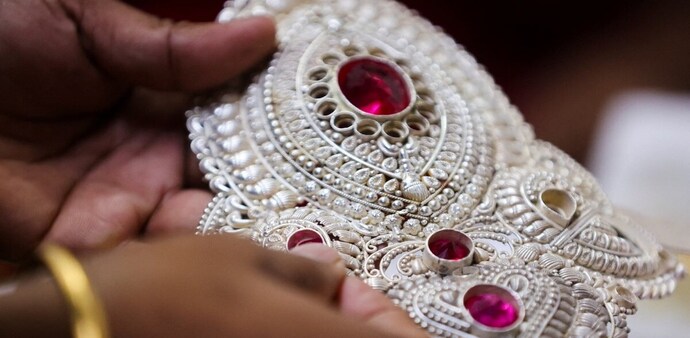
The Reserve Bank of India (RBI) will allow borrowers to pledge silver jewellery, ornaments, or coins as collateral for loans beginning April 1, 2026, as part of revised lending guidelines for commercial banks, non-banking financial companies, cooperative banks, and housing finance institutions. These changes are designed to improve access to credit, particularly for those who traditionally rely on gold-backed loans, while also standardising protections for borrowers and ensuring clearer accountability among lenders. Loans against primary silver, such as bullion, will remain excluded to contain speculative activities in the precious metals market.
According to industry experts, this policy is anticipated to help low-income households and small businesses, especially in rural areas where silver often holds both cultural and financial significance.
However, the RBI has highlighted that loans against silver may differ from gold loans with respect to loan-to-value ratios and interest rates, due to the higher volatility and lower liquidity of silver. Lenders may therefore set lower credit limits and slightly higher interest rates on silver-backed loans.
Borrowers are advised to carefully consider factors including the purity of pledged silver, storage and insurance expenses, repayment schedules, and terms of foreclosure. Daily fluctuations in silver prices, the reputation of the lender, and total borrowing costs are also critical. Industry analysts stress the importance of understanding these risks and the practical considerations beyond the face value of the loan amount when opting for silver-backed credit.
The Reserve Bank of India (RBI) will allow borrowers to pledge silver jewellery, ornaments, or coins as collateral for loans beginning April 1, 2026, as part of revised lending guidelines for commercial banks, non-banking financial companies, cooperative banks, and housing finance institutions. These changes are designed to improve access to credit, particularly for those who traditionally rely on gold-backed loans, while also standardising protections for borrowers and ensuring clearer accountability among lenders. Loans against primary silver, such as bullion, will remain excluded to contain speculative activities in the precious metals market.
According to industry experts, this policy is anticipated to help low-income households and small businesses, especially in rural areas where silver often holds both cultural and financial significance.
However, the RBI has highlighted that loans against silver may differ from gold loans with respect to loan-to-value ratios and interest rates, due to the higher volatility and lower liquidity of silver. Lenders may therefore set lower credit limits and slightly higher interest rates on silver-backed loans.
Borrowers are advised to carefully consider factors including the purity of pledged silver, storage and insurance expenses, repayment schedules, and terms of foreclosure. Daily fluctuations in silver prices, the reputation of the lender, and total borrowing costs are also critical. Industry analysts stress the importance of understanding these risks and the practical considerations beyond the face value of the loan amount when opting for silver-backed credit.