
RBI enables UPI payments through pre-sanctioned loan accounts; here's what it means
Currently, one can make payments through UPI using bank debit accounts and RuPay credit cards.
- Apr 6, 2023,
- Updated Apr 6, 2023 7:37 PM IST
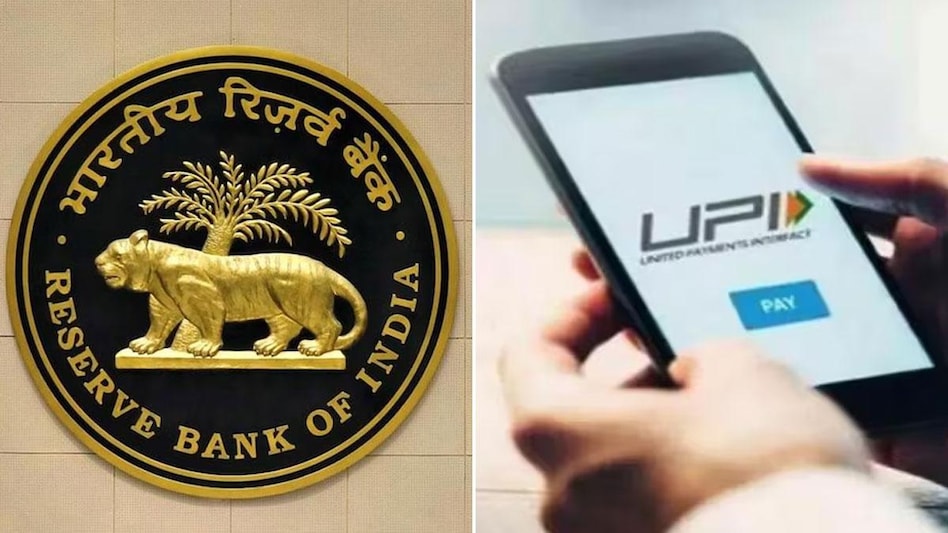
You can now use pre-sanctioned credit accounts for payments through Unified Payments Interface or UPI. Currently, one can make payments through UPI using bank debit accounts and RuPay credit cards.
“RBI’s proposal to expand the scope of the UPI is a welcome move which will encourage further innovations. Up until now, UPI could be linked to bank debit accounts and RuPay credit cards for making payments. Today’s announcement adds to UPI’s existing benefits and will enable customers to link their credit accounts, including loan accounts, making them accessible for payment via UPI. This will help to simplify customers’ utilisation of credit by leveraging the flexibility that UPI has to offer," said Adhil Shetty, CEO, BankBazaar.com
RBI has kept repo rate- - the rate at which banks borrow from the Central Bank- unchanged while concluding the three-day Monetary Policy Committee meeting on Thursday. RBI has revised the repo rate six times since May 2022, increasing the key policy rate by 250 bps to 6.50 per cent.
RBI Governor Shaktikanta Das, after the Monetary Policy Committee announcements on Thursday, said during a media interaction that the decision to keep repo rates unchanged is only a “pause, not a pivot”. He had, during the announcements earlier in the day, also said that the central bank is ready to act if the situation warrants, indicating the possibility of further rate hikes in the future.
“The Unified Payments Interface (UPI) has transformed retail payments in India. UPI’s robustness has been leveraged to develop new products and features from time to time. Recently, RuPay credit cards were permitted to be linked to UPI. This was in addition to the existing facility of linkage of UPI with deposit accounts. It is now proposed to expand the scope of UPI by permitting operation of pre-sanctioned credit lines at banks through the UPI. This initiative will further encourage innovation,” said Das.
Ambuj Chandna, President – Consumer Assets, Kotak Mahindra Bank says, "The announcement by RBI to allow customers to access the credit lines for UPI will have significant positive impact on customer ease or convenience of usage of Credit lines which till now was primarily restricted to traditional payment mechanism like NEFT, Cheque. Though we are awaiting more details , we are envisaging, this new move will lead to significantly high usage of credit lines by the customers as we have seen banking habits of customers skyrocketing post launch of UPI. Many banks do have large pre-approved set of customers. Access to it currently is limited through products like Personal Loans or Credit cards. This new form of accessing these credit lines will certainly experience many customers opting for it either for regular payments either for P2P or P2M payments. Also if this will also have good pick up from micro enterprises / small merchants who generally have smaller ticket lines from the bank for sheer convenience it offers similar to UPI."
You can now use pre-sanctioned credit accounts for payments through Unified Payments Interface or UPI. Currently, one can make payments through UPI using bank debit accounts and RuPay credit cards.
“RBI’s proposal to expand the scope of the UPI is a welcome move which will encourage further innovations. Up until now, UPI could be linked to bank debit accounts and RuPay credit cards for making payments. Today’s announcement adds to UPI’s existing benefits and will enable customers to link their credit accounts, including loan accounts, making them accessible for payment via UPI. This will help to simplify customers’ utilisation of credit by leveraging the flexibility that UPI has to offer," said Adhil Shetty, CEO, BankBazaar.com
RBI has kept repo rate- - the rate at which banks borrow from the Central Bank- unchanged while concluding the three-day Monetary Policy Committee meeting on Thursday. RBI has revised the repo rate six times since May 2022, increasing the key policy rate by 250 bps to 6.50 per cent.
RBI Governor Shaktikanta Das, after the Monetary Policy Committee announcements on Thursday, said during a media interaction that the decision to keep repo rates unchanged is only a “pause, not a pivot”. He had, during the announcements earlier in the day, also said that the central bank is ready to act if the situation warrants, indicating the possibility of further rate hikes in the future.
“The Unified Payments Interface (UPI) has transformed retail payments in India. UPI’s robustness has been leveraged to develop new products and features from time to time. Recently, RuPay credit cards were permitted to be linked to UPI. This was in addition to the existing facility of linkage of UPI with deposit accounts. It is now proposed to expand the scope of UPI by permitting operation of pre-sanctioned credit lines at banks through the UPI. This initiative will further encourage innovation,” said Das.
Ambuj Chandna, President – Consumer Assets, Kotak Mahindra Bank says, "The announcement by RBI to allow customers to access the credit lines for UPI will have significant positive impact on customer ease or convenience of usage of Credit lines which till now was primarily restricted to traditional payment mechanism like NEFT, Cheque. Though we are awaiting more details , we are envisaging, this new move will lead to significantly high usage of credit lines by the customers as we have seen banking habits of customers skyrocketing post launch of UPI. Many banks do have large pre-approved set of customers. Access to it currently is limited through products like Personal Loans or Credit cards. This new form of accessing these credit lines will certainly experience many customers opting for it either for regular payments either for P2P or P2M payments. Also if this will also have good pick up from micro enterprises / small merchants who generally have smaller ticket lines from the bank for sheer convenience it offers similar to UPI."